








Alteya's Blog

How to Use Organic Face Oils in Your Skincare Routine
The fear of putting oil on your face is understandable. Decades of oil-free marketing convinced an entire generation that facial oils cause breakouts. The reality is more specific: it depends entir...
Read more
The Best Botanical Flower Waters for Every Skin Type
A botanical flower water — also called a floral hydrosol or distillate water — is the water-phase co-product of steam distillation. When steam passes through fresh botanical material, it carries wa...
Read more
Helichrysum Essential Oil and Helichrysum Water: Benefits, Uses, and How to Choose
Helichrysum essential oil and helichrysum water (hydrosol) are both derived from Helichrysum italicum, a Mediterranean flowering plant known as 'everlasting' or 'immortelle' for its dried flowers' ...
Read more
The Best Organic Body Care Routine: From Shower to Skin
The best organic body care routine follows a simple, dermatologist-supported sequence: a brief, lukewarm shower using a gentle cleanser, limited exfoliation no more than twice a week, and moisturiz...
Read more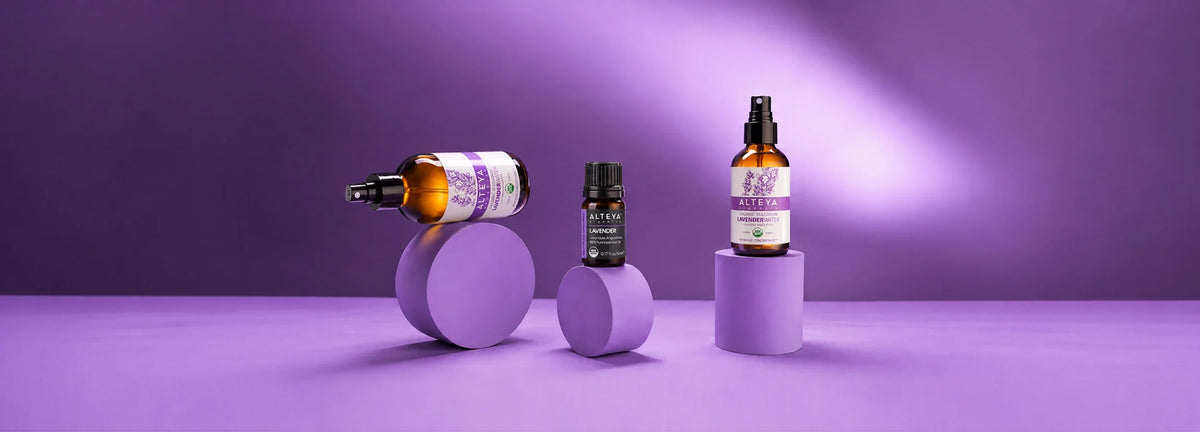
Lavender Hydrosol vs Lavender Essential oil: Which Do You Actually Need?
Lavender hydrosol and lavender essential oil are both produced from the same steam distillation of Lavandula angustifolia flowers, but they differ enormously in concentration, required handling, an...
Read more
The Complete Guide to Organic Carrier Oils: Jojoba, Rosehip, Argan, and More
Carrier oils are plant-derived oils extracted from seeds, nuts, or kernels, used both to dilute concentrated essential oils for safe topical application and as standalone facial and body oils value...
Read more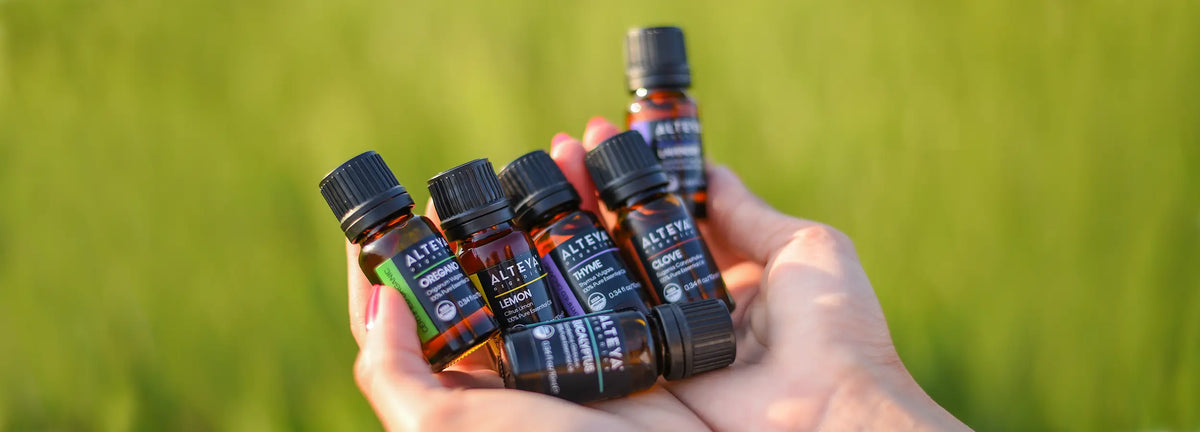
Essential Oils for Beginners: A Complete Getting-Started Guide
Essential oils are highly concentrated aromatic compounds extracted from plants, most commonly through steam distillation, and used in diffusers, diluted topical applications, and scenting applicat...
Read more
How to Apply Organic Toner Correctly: The Step Most People Skip
Applying organic toner correctly means pressing or patting it into slightly damp, freshly cleansed skin rather than wiping it on with a dry cotton pad or applying it to fully dry skin — a distincti...
Read more
The Complete Guide to Organic Facial Cleansers: Milk, Gel, Jelly, and Oil Cleansers Explained
Organic facial cleansers fall into four primary textures — milk, gel, jelly, and oil — each formulated differently to suit specific skin types and cleansing needs. Milk cleansers use emollient, cre...
Read more
How to Use Rose Water in Your Summer Skincare Routine
Rose water can be used in a summer skincare routine as a post-cleansing toner, a midday hydrating mist, a makeup-setting spray, and a pre-moisturizer prep step — making it one of the most versatile...
Read more
The Best Organic Facial Mists for Summer: Rose Water, Lavender, and More
The best organic facial mists for summer are steam-distilled botanical hydrosols — including Bulgarian rose water, lavender water, and chamomile flower water — that restore surface hydration, calm ...
Read more
USDA Organic vs NATRUE vs ECOCERT: Which Organic Skincare Certification Should You Trust?
USDA Organic, NATRUE, and ECOCERT (through the COSMOS standard) are three of the most rigorous third-party organic and natural cosmetics certifications available to US consumers, each verifying a d...
Read more
Rosa Damascena vs Rosa Alba vs Rosa Centifolia: What's the Difference?
Rosa Damascena, Rosa Alba, and Rosa Centifolia are three distinct rose species used in skincare and perfumery, differing primarily in their chemical composition, aromatic profile, and oil yield. Ro...
Read more
How Rose Oil Is Made: From Field to Bottle in Bulgaria's Rose Valley
Rose oil is made through steam distillation of freshly hand-harvested Rosa Damascena petals, a process that converts roughly 3,000 to 4,000 kilograms of fresh rose petals into just one kilogram of ...
Read more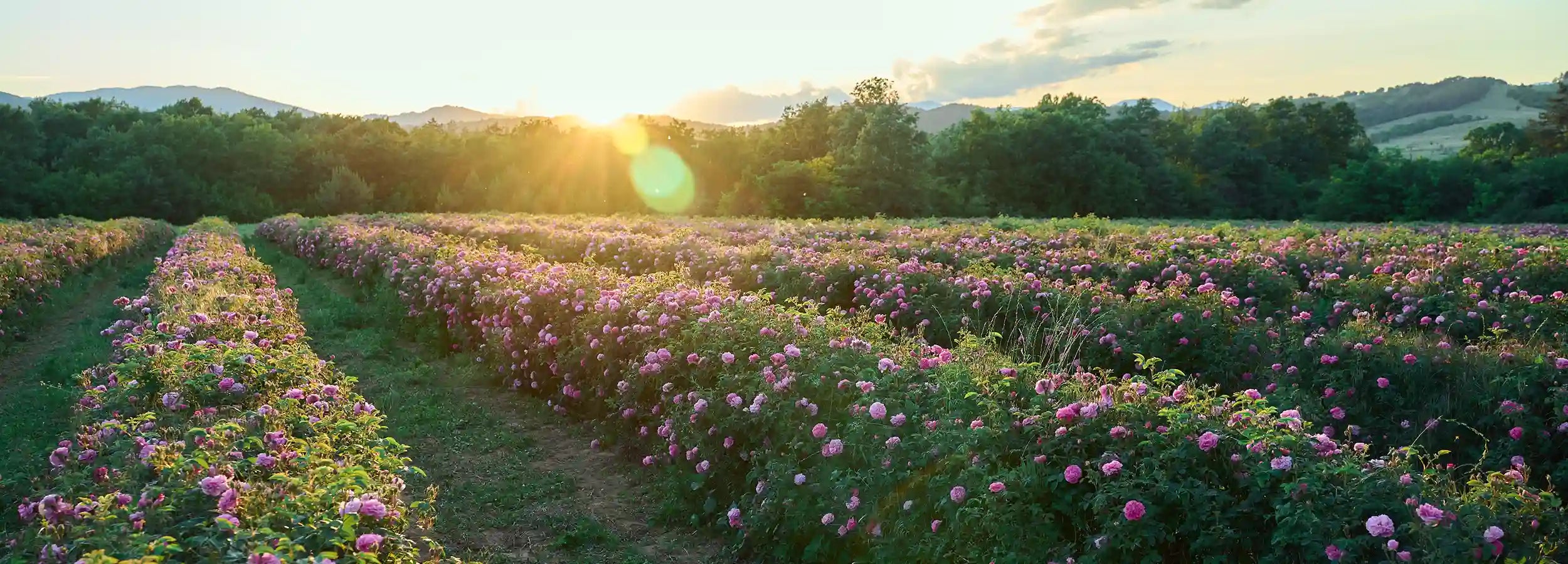
The Bulgarian Rose Valley: A Guide to the Most Famous Rose-Growing Region on Earth
The Bulgarian Rose Valley is a fertile region in central Bulgaria, situated between the Balkan mountain range (Stara Planina) and the Sredna Gora range, centered on the town of Kazanlak, that produ...
Read more
Bio Damascena: Inside Alteya's Premium Rose Otto Skincare Line
Bio Damascena is Alteya Organics' premium Rose Otto skincare collection, built around certified organic Rosa Damascena rose water and rose oil from the brand's own fields in the Bulgarian Rose Vall...
Read more
What Is Skin Cycling and How to Do It with Organic Products
Skin cycling is a structured 4-night skincare routine that alternates active ingredients — such as chemical exfoliants and retinoids — with dedicated recovery nights to prevent barrier damage and m...
Read more
The Best Organic Products for Sensitive Skin: A Dermatologist-Friendly Guide
The best organic products for sensitive skin are USDA Organic or NATRUE-certified formulations built on steam-distilled botanical hydrosols, cold-pressed plant oils, and clinically validated soothi...
Read more
Hyaluronic Acid in Organic Skincare: What It Is and How to Choose the Right Formula
Hyaluronic acid (HA) is a naturally occurring glycosaminoglycan found in the human body - primarily in the skin, joints, and connective tissue. In its role as a humectant, it can hold up to 1,000 t...
Read more
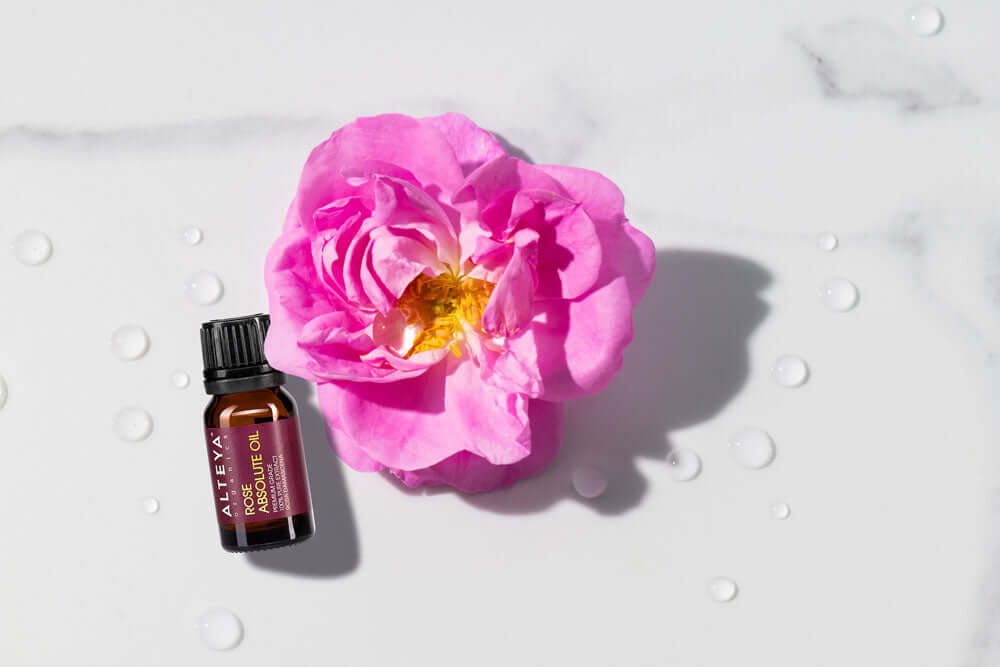
Rose Otto, Rose Absolute, Rose Concrete, Rosehip Oil, and Rose Water: Understanding the Difference
In skincare, aromatherapy, and fragrance, the word “rose” is often used to describe very different ingredients. Rose otto, rose absolute, rose concrete, rosehip oil, and rose water may sound relate...
Read more


