Skip to content

Cart

Your cart is empty

essential oils for beginners desktop banner

Essential Oils for Beginners: A Complete Getting-Started Guide

Essential oils are highly concentrated aromatic compounds extracted from plants, most commonly through steam distillation, and used in diffusers, diluted topical applications, and scenting applications for their aromatic and skin-care properties. Because they are so concentrated, essential oils require careful dilution in a carrier oil before any skin contact — a 2% dilution (roughly 12 drops per ounce of carrier oil) is the standard recommended starting point for healthy adult skin, with lower concentrations advised for facial use or first-time testing. Essential oils should never be applied undiluted ('neat') to skin, and quality, sourcing, and species identification all meaningfully affect both safety and aromatic outcome. Alteya Organics, a Bulgarian family-owned brand certified to USDA Organic and NATRUE standards, produces certified organic rose, lavender, and other essential oils alongside their gentler hydrosol counterparts — offering beginners a way to explore botanical aromatics with verified sourcing and purity.

What Exactly Are Essential Oils?

Essential oils are concentrated liquids containing the volatile aromatic compounds extracted from a specific plant, most commonly obtained through steam distillation of flowers, leaves, bark, peel, or roots, depending on the plant species.

The term 'essential' refers to the oil capturing the plant's distinctive essence or characteristic scent, not to any nutritional or dietary necessity. Each essential oil is composed of dozens to hundreds of individual aromatic chemical compounds, occurring in specific, naturally determined ratios unique to that plant species, growing region, and harvest conditions.

Essential oils are fundamentally different from the botanical hydrosols (such as rose water or chamomile water) produced during the same distillation process. While the hydrosol is the dilute, water-soluble fraction collected during distillation, the essential oil is the concentrated, oil-soluble fraction — often requiring thousands of kilograms of plant material to produce a relatively small volume of oil, making essential oils far more potent and requiring more careful handling than their hydrosol counterparts.

Essential oils are lipophilic, meaning their molecular structure allows them to pass through skin lipids and into the bloodstream within minutes of topical contact. This rapid absorption is part of what makes them effective for their intended aromatic and skin-care purposes, but it is also precisely why undiluted application carries meaningfully higher irritation and sensitization risk than diluted use.

what exactly are essential oils banner

Why Must Essential Oils Always Be Diluted Before Skin Use?

Essential oils must always be diluted in a carrier oil or other appropriate medium before topical use because their high concentration of active aromatic compounds can cause skin irritation, burning, or permanent sensitization when applied directly and undiluted, a practice referred to as using an oil 'neat.'

Recognized aromatherapy authorities are unambiguous on this point: applying undiluted essential oils directly to skin is widely discouraged across the aromatherapy field, except under the direct guidance of a qualified, trained professional. Once a person becomes sensitized to a specific aromatic compound — such as cinnamaldehyde in cinnamon bark oil or citral in lemongrass oil — the sensitization is typically permanent, meaning future exposure to that compound, even in trace amounts, can trigger a reaction indefinitely.

Beyond sensitization risk, dilution serves several additional practical purposes: it slows the rate of skin absorption to a safer pace, spreads the essential oil more evenly across the application area, extends how long a bottle of essential oil lasts, and allows the chosen carrier oil to contribute its own complementary skin-care benefits to the finished blend.

Undiluted essential oils should not be applied directly to skin. This applies regardless of how 'natural' or 'pure' an oil is — concentration, not synthetic origin, is what determines irritation and sensitization risk. If a reaction does occur, the area should be cleaned with a carrier oil (not water, which does not effectively remove essential oil) and a healthcare professional consulted if irritation persists.

What Is a Carrier Oil and Which Ones Should Beginners Use?

A carrier oil is a neutral, typically odorless or mildly scented plant-derived oil used to dilute concentrated essential oils to a safe topical concentration, while also contributing its own moisturizing and skin-care benefits to the finished blend.

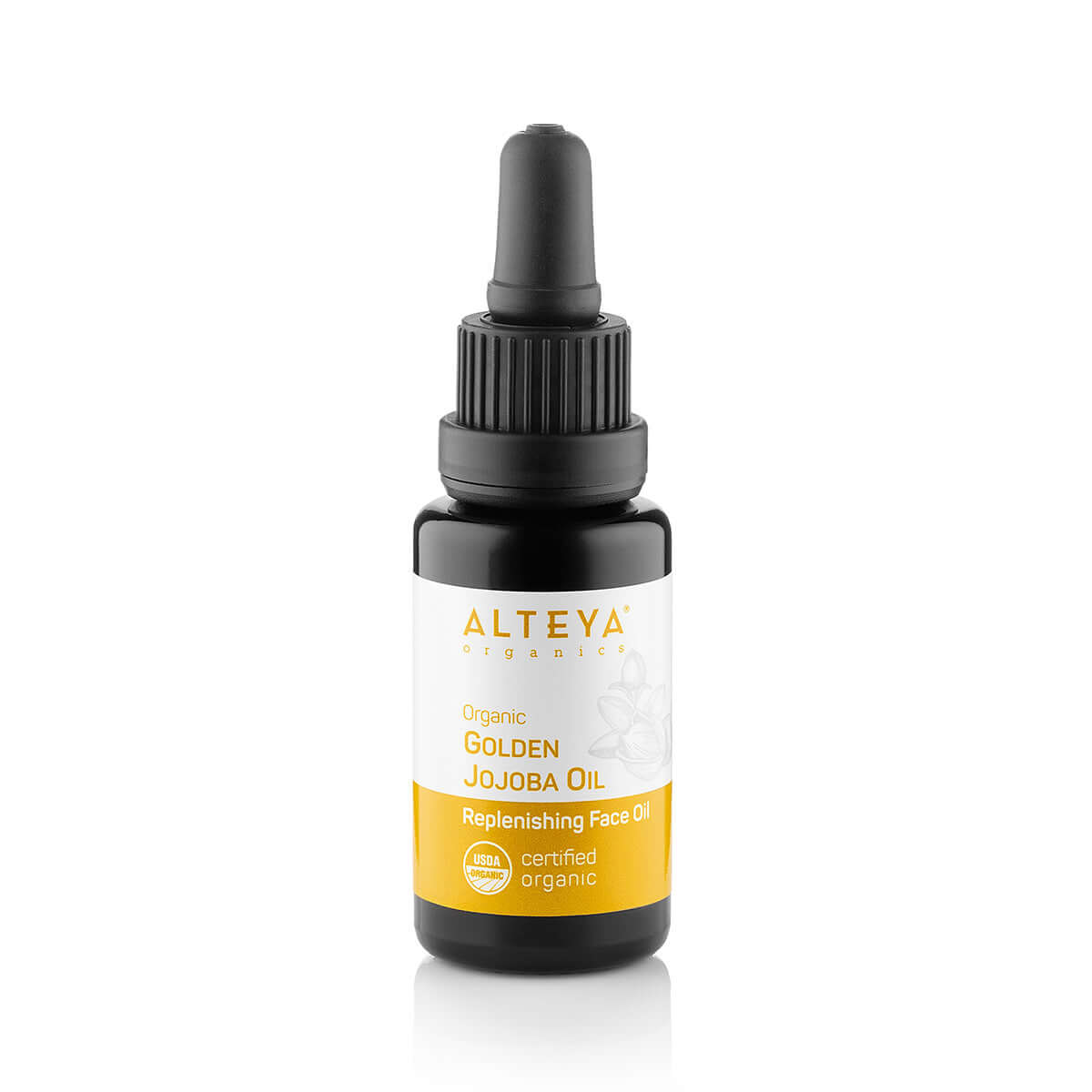
Common carrier oils used in beginner aromatherapy and skincare blending include jojoba oil, sweet almond oil, sunflower oil, and grapeseed oil — each offering a different texture, absorption rate, and complementary nutrient profile. Jojoba oil, technically a liquid wax rather than a true oil, is frequently recommended for facial blends and roll-on applications due to its lightweight texture and close compositional similarity to the skin's own natural sebum.

● Jojoba oil: lightweight, long shelf-life, well suited to facial blends and roll-on applicators

● Sweet almond oil: moderate weight, widely used for body oils and massage blends

● Sunflower oil: lightweight, neutral-scented, accessible and economical option

● Grapeseed oil: very lightweight, fast-absorbing, suited to oilier skin types

Important note for water-based applications: essential oils do not dissolve in water, since oil and water are not miscible. Adding essential oil to water without an emulsifier or solubilizer results in the oil sitting undissolved on the surface, which can lead to concentrated, undiluted oil contacting the skin or eyes directly — a meaningful safety consideration for anyone making DIY sprays or baths.

Essential Oil Dilution Chart: How Much to Use

Standard essential oil dilution recommendations range from 0.5% to 5%, depending on the intended use, the area of the body, and individual sensitivity, with 2% serving as the most commonly cited general-purpose starting point for healthy adult skin.

Essential Oil Dilution Guide
Essential oil dilution guide showing dilution percentage, drops per 1 oz (30 mL) carrier oil, and typical use case.

Dilution Percentage

Drops per 1 oz (30 mL) Carrier Oil

Typical Use Case

0.5% – 1%

Drops per 1 oz (30 mL) Carrier Oil

3 to 6 drops

Typical Use Case

Facial use, first-time testing, sensitive skin

2%

Drops per 1 oz (30 mL) Carrier Oil

12 drops

Typical Use Case

General daily-use body care; the most common default ratio

3%

Drops per 1 oz (30 mL) Carrier Oil

18 drops

Typical Use Case

Short-term, small-area use; not for large body areas or daily long-term use

4% – 5%

Drops per 1 oz (30 mL) Carrier Oil

24 to 30 drops

Typical Use Case

Targeted, short-term, small-area application only; requires added caution

As a practical anchor for these calculations, one milliliter of essential oil is roughly equivalent to twenty drops from a standard dropper or orifice-reducer bottle. When blending more than one essential oil into a single mixture, all oils combined should be counted together toward the total dilution percentage — a 2% blend means the combined total of every essential oil used adds up to 2%, not 2% of each individual oil.

Tisserand Institute, a leading aromatherapy safety authority, recommends staying at or below a 2% dilution for daily topical use on healthy adult skin, with occasional, brief excursions to 3% reserved for short-term, targeted applications such as a single massage. Concentrations above 5% for general topical use are widely considered to increase sensitization risk without providing additional aromatic or skin-care benefit.

Three Beginner-Friendly Ways to Use Essential Oils

1. Diffusion (Inhalation)

Adding a small number of drops to a water-based ultrasonic diffuser disperses the essential oil's aroma into the air as a fine mist, providing an aromatic experience without any direct skin contact. This is generally considered the lowest-risk entry point for beginners, since it avoids dilution calculations and topical sensitization concerns entirely. Most diffusers recommend a similar modest range of drops regardless of essential oil type, though manufacturer guidance should be followed for the specific device.

2. Diluted Topical Application

Diluting essential oil into an appropriate carrier oil at a recommended percentage (see the chart above) allows for topical use in massage oils, roll-on blends, or as an addition to an existing skincare product. This method offers the most direct skin-level benefit but requires the most care regarding dilution math, carrier oil choice, and patch testing before broader use.
3. Direct Inhalation from the Bottle or a Cloth

Simply opening the bottle and inhaling, or placing one or two drops on a cloth or tissue to breathe in, requires no carrier oil and no dilution, since it involves no skin contact at all. This method is often used for a quick, on-the-go aromatic experience.

How Should Beginners Patch Test a New Essential Oil?

Beginners should patch test any new essential oil blend by applying a small amount of the properly diluted oil to a discreet area of skin — such as the inner forearm — and waiting 24 to 48 hours to check for redness, itching, or irritation before applying it more broadly.

Always patch test the oil already diluted
in a carrier oil at the intended use concentration — never test undiluted
essential oil directly on skin.

What Essential Oils Are Good Starting Points for Beginners?

Lavender, rose, and chamomile are among the most commonly recommended essential oils for beginners, due to their relatively gentle profile compared to more potent or higher-risk oils, alongside their broad familiarity and versatile use cases.

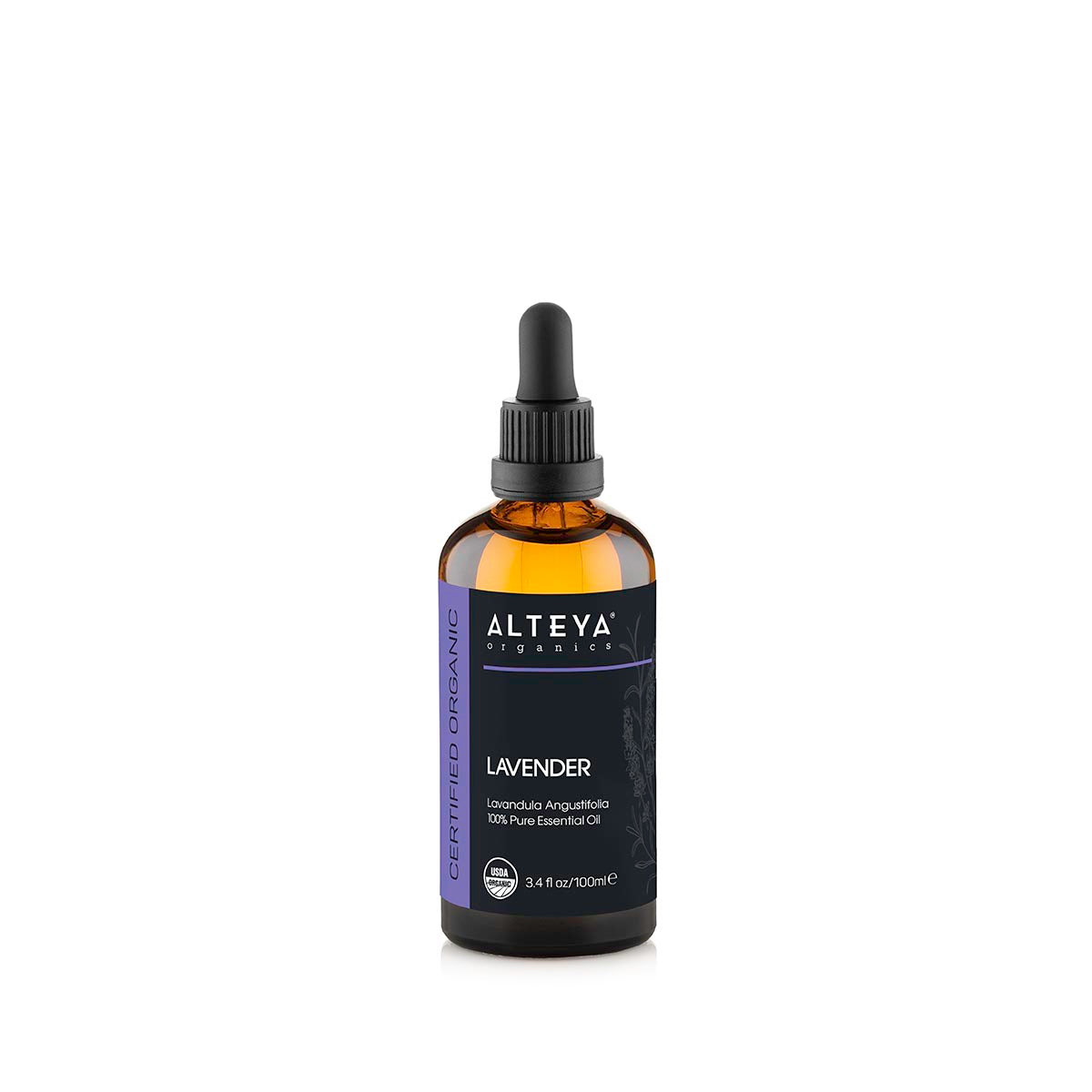
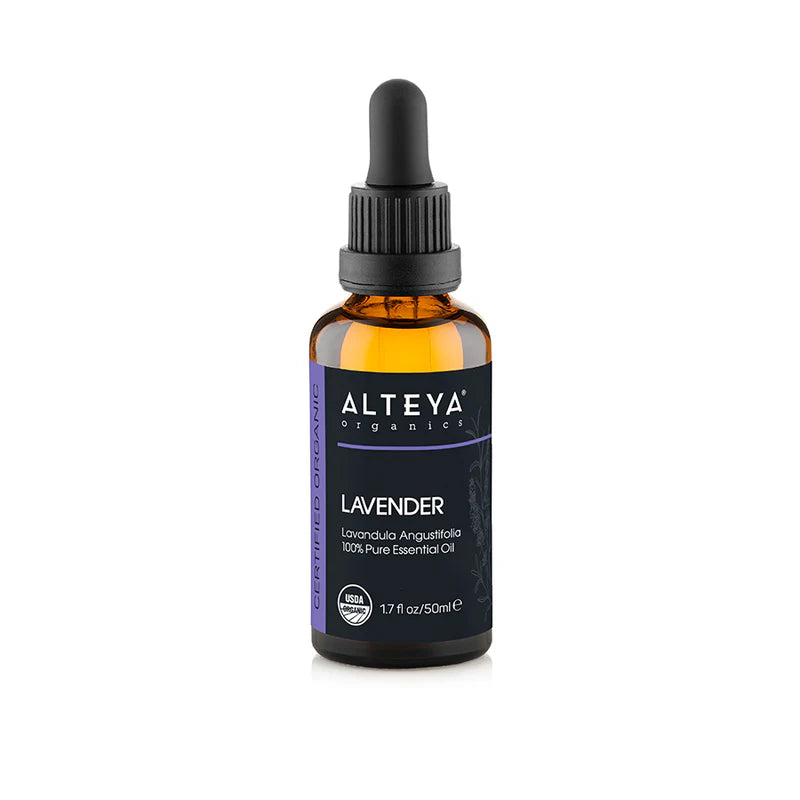
● Lavender (Lavandula angustifolia): widely regarded as one of the gentlest and most versatile essential oils, commonly used in diffusion and diluted topical blends

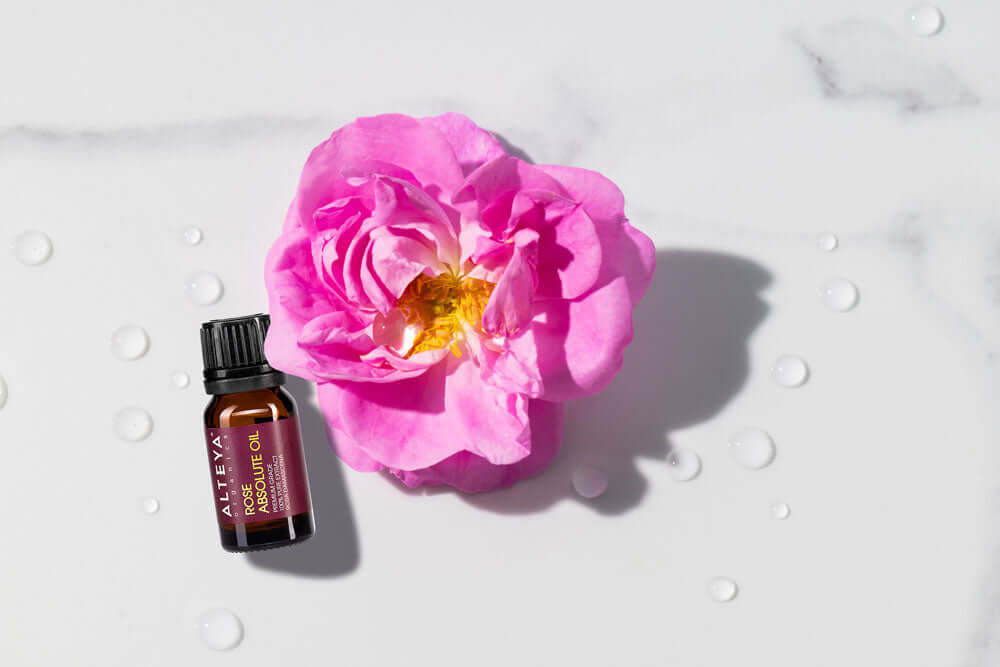
● Rose (Rosa Damascena): highly valued for its complex aromatic profile, though it is one of the most resource-intensive and therefore expensive essential oils available — many beginners start with rose hydrosol (rose water) rather than the concentrated oil for this reason

● Chamomile (Matricaria chamomilla or Anthemis nobilis): known for a calming, gentle aromatic profile and generally good tolerance, with Roman chamomile considered the milder of the two species

Certain other commonly available essential oils — including cinnamon bark, clove, oregano, thyme, wintergreen, and some cold-pressed citrus oils — require additional caution due to higher irritation potential or, in the case of citrus oils, photosensitivity risk (increased skin sensitivity to UV light after application). Beginners are generally advised to start with gentler oils and research any new oil's specific safety profile before use.
Essential Oils vs. Hydrosols: What Should Beginners Know?

Essential oils and hydrosols (botanical waters) are both produced through the same distillation process but differ enormously in concentration and required handling — a distinction that matters significantly for anyone newer to working with aromatic plant ingredients.

Essential Oil vs Hydrosol Comparison
Comparison of essential oils and hydrosols by concentration, dilution requirements, application, sensitization risk, beginner-friendliness, and cost.

Property

Essential Oil

Hydrosol (Botanical Water)

Concentration

Essential Oil

Highly concentrated

Hydrosol (Botanical Water)

Dilute, naturally occurring concentration

Dilution required before skin use

Essential Oil

Yes — always

Hydrosol (Botanical Water)

No — used as-is

Typical application

Essential Oil

Diffusion, diluted topical blends

Hydrosol (Botanical Water)

Direct mist, toner, compress

Risk of sensitization with regular use

Essential Oil

Meaningful — requires careful dilution

Hydrosol (Botanical Water)

Low — naturally dilute

Beginner-friendliness

Essential Oil

Requires more education before use

Hydrosol (Botanical Water)

Highly beginner-friendly, minimal risk

Cost relative to plant material used

Essential Oil

Very high (low yield)

Hydrosol (Botanical Water)

Lower (co-product of distillation)

For those entirely new to working with aromatic plant ingredients, starting with hydrosols — such as Alteya Organics' Organic Bulgarian Rose Water or Organic Chamomile Flower Water — offers a lower-risk way to experience a plant's aromatic and skin-care benefits before working with the concentrated essential oil counterpart, which requires more careful dilution and handling knowledge.

How Should Beginners Choose a High-Quality Essential Oil?

Beginners should choose essential oils that clearly disclose the plant's Latin botanical name, country or region of origin, extraction method, and ideally carry third-party organic certification, since these details directly affect both safety and aromatic authenticity.

● Latin botanical name: the label should specify the exact species — for example 'Lavandula angustifolia' rather than simply 'lavender' — since closely related species can have meaningfully different chemical profiles and safety considerations

● Extraction method: steam distillation is the most common and widely trusted method; understanding how an oil was extracted helps set accurate expectations for purity and concentration

● Origin transparency: brands that disclose the specific growing region — such as Bulgaria's Rose Valley for rose oil — typically offer more traceability and consistency than those that do not

● Certification: USDA Organic, NATRUE, or COSMOS Organic certification independently verifies organic agricultural sourcing and formulation standards

● No synthetic additives: a genuine essential oil should contain only the distilled plant compound, without synthetic fragrance additives or diluting carrier oils mixed in without disclosure

Alteya Organics produces its rose and other essential oils from plant material grown on its own certified organic fields in the Bulgarian Rose Valley, with full species and origin disclosure consistent with its USDA Organic and NATRUE certification.

How Should Beginners Store Essential Oils? 

Essential oils should be stored in dark glass bottles, away from direct sunlight and heat, with caps tightly secured between uses, to preserve their aromatic compound integrity and slow natural degradation over time.

Amber or cobalt glass blocks light exposure that can degrade aromatic compounds over time; plastic containers are generally unsuitable since some essential oil constituents can degrade certain plastics.

Frequently Asked Questions About Essential Oils for Beginners 

No. Essential oils should not be applied undiluted ('neat') to skin under typical circumstances. Their high concentration of aromatic compounds can cause irritation, burning, or permanent sensitization. Always dilute in an appropriate carrier oil before any topical use, following a recommended dilution percentage for the intended application.

Article: Essential Oils for Beginners: A Complete Getting-Started Guide

Inspired by nature

Essential Oils for Beginners: A Complete Getting-Started Guide

Essential oils are highly concentrated aromatic compounds extracted from plants, most commonly through steam distillation, and used in diffusers, diluted topical applications, and scenting applications for their aromatic and skin-care properties. Because they are so concentrated, essential oils require careful dilution in a carrier oil before any skin contact — a 2% dilution (roughly 12 drops per ounce of carrier oil) is the standard recommended starting point for healthy adult skin, with lower concentrations advised for facial use or first-time testing.

Leave a comment

This site is protected by hCaptcha and the hCaptcha Privacy Policy and Terms of Service apply.

Read more

how to apply organic toner correctly
skincare

How to Apply Organic Toner Correctly: The Step Most People Skip

Applying organic toner correctly means pressing or patting it into slightly damp, freshly cleansed skin rather than wiping it on with a dry cotton pad or applying it to fully dry skin — a distincti...

Read more