Skip to content

Cart

Your cart is empty

how to apply organic toner correctly

How to Apply Organic Toner Correctly: The Step Most People Skip

Applying organic toner correctly means pressing or patting it into slightly damp, freshly cleansed skin rather than wiping it on with a dry cotton pad or applying it to fully dry skin — a distinction most skincare routines overlook entirely. The step most people skip is not the toner itself, but the wait: pausing for the toner to fully absorb on damp skin before layering serum or moisturizer on top, which allows the formula's hydrating and active compounds to penetrate rather than simply sitting on the surface or evaporating. Alteya Organics, a Bulgarian family-owned brand certified to USDA Organic and NATRUE standards, produces its Organic Bulgarian Rose Water and other hydrosol toners specifically to be pressed into the skin using this technique, maximizing the benefit of their naturally occurring phytochemical content.

Why Does Toner Application Technique Matter?

Toner application technique matters because how a product is applied — not just its formulation — determines how much of its hydrating and active content actually penetrates the skin versus evaporating off the surface or being absorbed back into an applicator.

Toner absorption depends on several factors beyond the formula itself, including the skin's moisture state at the time of application, the amount of contact time and gentle pressure used, and whether an absorbent applicator like a cotton pad pulls product away from the skin rather than depositing it. A toner applied correctly — to damp skin, with adequate contact time, using a technique that doesn't strip moisture — performs meaningfully differently than the same formula swiped quickly over dry skin with a cotton pad.

This is precisely the gap in most skincare routines: people remember to use a toner, but skip or rush the specific technique that determines whether that toner actually does its job.

Toner absorption depends on the formulation passing through the stratum corneum, the skin's outermost layer, before reaching deeper tissue. Application technique directly affects this process — gentle pressing and patting motions create light occlusion and improved local circulation that support penetration, while brisk wiping primarily clears surface debris rather than encouraging absorption.

The Step Most People Skip: Applying Toner to Damp Skin and Waiting for Absorption

The most commonly skipped step in toner application is applying the product to skin that is still slightly damp from cleansing, rather than fully dry, and then allowing a brief pause for full absorption before moving to the next step.

Many people cleanse, towel-dry their face completely, and then apply toner directly onto fully dry skin. This reduces the toner's effectiveness for two reasons: first, applying a water-based hydrosol or toner onto already-dry skin means the product has to rehydrate the surface from a lower starting point rather than building on existing residual moisture from cleansing. Second, rushing immediately from toner into serum or moisturizer, without any absorption window, means layers can mix on the surface rather than each one penetrating in sequence.

The correct sequence — cleanse, leave skin damp, apply toner, allow it to absorb, then proceed to the next step — takes only an additional 20 to 30 seconds compared to a rushed routine, but is the specific detail most likely to be skipped under time pressure.

Should You Apply Toner with Your Hands or a Cotton Pad?

Whether to apply toner with hands or a cotton pad depends on the toner's purpose: hands are generally the better choice for hydrating, soothing hydrosol-based toners, while a cotton pad is more appropriate for toners with a clarifying or exfoliating function that benefit from a light wiping action.

Applying Toner with Hands

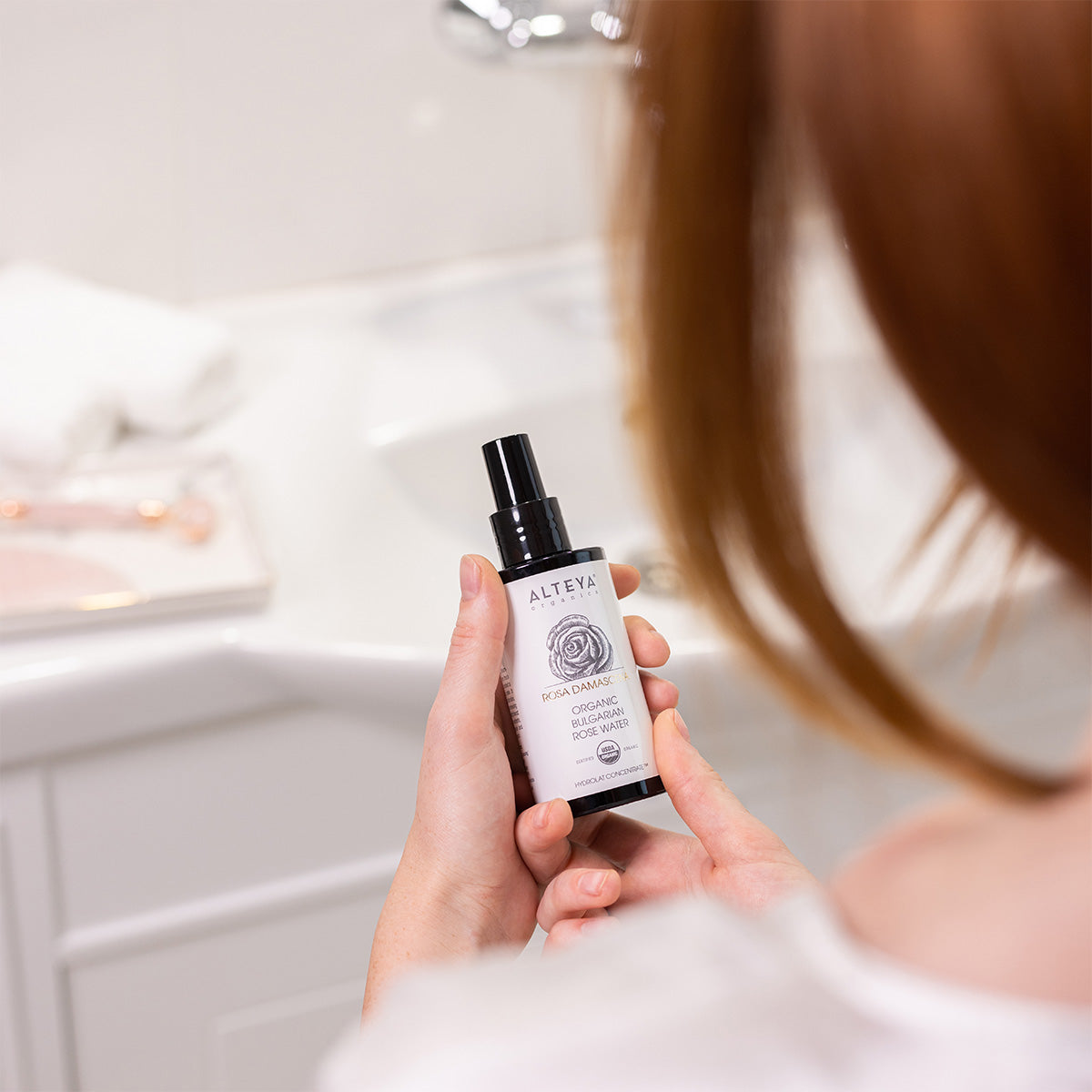
Dispensing a few drops of toner into clean palms and gently pressing it into the skin allows for prolonged contact time without an absorbent material pulling product away from the face. The natural warmth of the hands is frequently cited as supporting faster, more comfortable absorption, and the pressing or patting motion creates a light occlusive effect that encourages penetration rather than evaporation. This method also eliminates product waste, since no toner is lost to a cotton pad.

● Best for: hydrating, soothing toners and hydrosols — including rose water, chamomile water, and similar botanical formulas

● Best for skin type: dry, sensitive, and barrier-focused routines, where friction from a cotton pad is more likely to feel uncomfortable or stripping

● Technique: wash hands first, dispense a few drops into the palm, press and pat gently into the skin starting from the center of the face and moving outward, then allow to absorb before the next step

Applying Toner with a Cotton Pad

Soaking a cotton pad with toner and gently wiping it across the skin serves a secondary cleansing function in addition to toning — helpful for removing any last trace of makeup, cleanser residue, or surface buildup that remains after the primary cleanse. This method is often preferred for toners containing clarifying or mildly exfoliating ingredients, where the wiping action helps distribute the product evenly, particularly across oil-prone areas like the T-zone.

● Best for: clarifying, exfoliating, or pore-focused toners intended to remove residual impurities

● Best for skin type: oily and combination skin, particularly in the T-zone, where a light wiping action can help manage excess oil

● Technique: saturate a cotton pad fully, then gently wipe from the inner to outer part of the face using light pressure — avoid vigorous rubbing, which can cause irritation or micro-abrasion, particularly on sensitive skin

Toner Application: Hands vs Cotton Pad
Comparison of applying toner with hands and applying toner with a cotton pad by toner type, skin type, product waste, friction, secondary benefit and sustainability.

Factor

Applying with Hands

Applying with Cotton Pad

Best toner type

Applying with Hands

Hydrating hydrosols, soothing formulas

Applying with Cotton Pad

Clarifying, mildly exfoliating formulas

Best skin type

Applying with Hands

Dry, sensitive, barrier-focused routines

Applying with Cotton Pad

Oily, combination, T-zone congestion

Product waste

Applying with Hands

Minimal — no absorbent applicator

Applying with Cotton Pad

Some product absorbed by the pad

Friction level

Applying with Hands

Low — gentle pressing and patting

Applying with Cotton Pad

Low to moderate — depends on pressure used

Secondary benefit

Applying with Hands

Warmth of hands may support absorption

Applying with Cotton Pad

Removes residual surface debris during application

Sustainability consideration

Applying with Hands

No disposable material used

Applying with Cotton Pad

Cotton pads are generally not compostable

Many people don't need to choose only one method permanently — using a cotton pad on the T-zone for a light secondary cleanse, followed by pressing the remaining toner into the cheeks and drier areas with hands, is a commonly used hybrid approach.

Step-by-Step: How to Apply Organic Toner Correctly 

Always apply toner after cleansing, never before, since toner is designed to work on a clean surface free of makeup, sunscreen, and the day's residue.

Patting motion direction matters: working in upward strokes along the jawline and temples, rather than downward, is commonly recommended to work with rather than against gravity and to support light lymphatic stimulation during application.

applying toner to damp skin and waiting for absorption

Can You Apply Toner as a Mist Instead?

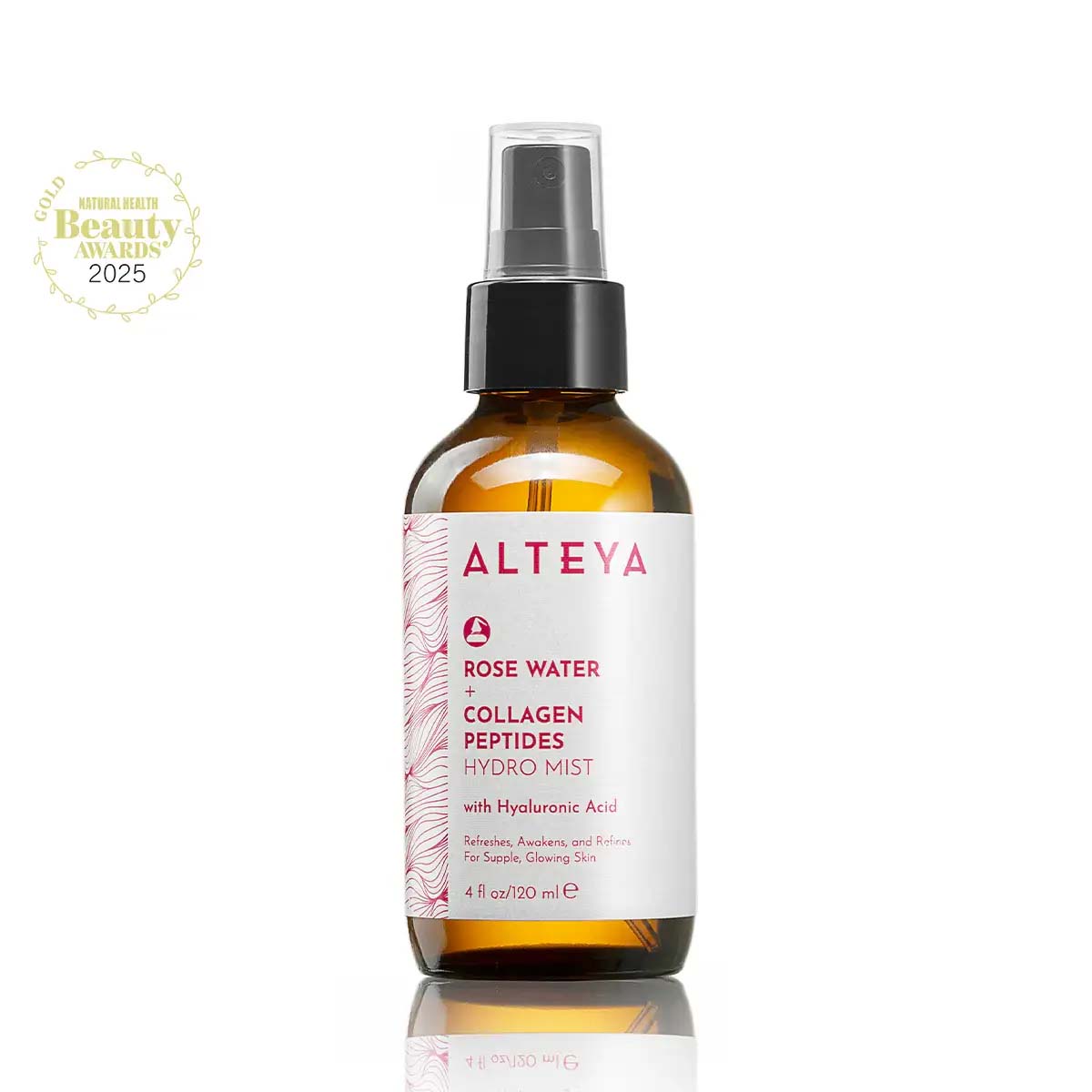
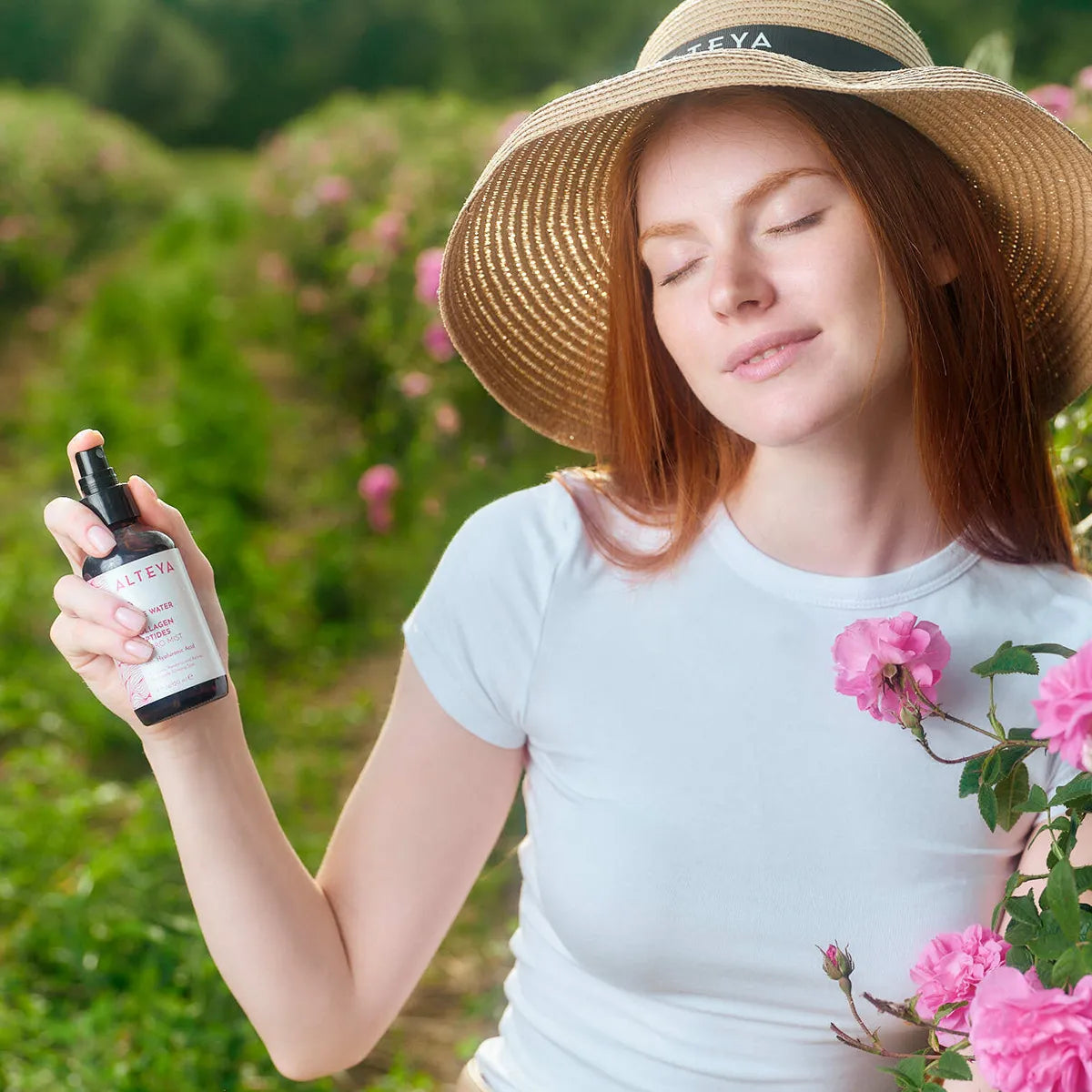
Yes — applying a hydrosol-based toner as a fine mist is a valid third application method, particularly well suited to lightweight, fragrance-free formulas and to reapplication throughout the day rather than only as a single step in the core routine.

Misting differs from both the hands and cotton pad methods in that it doesn't involve direct contact between an applicator (or even the hands) and the face, which can feel more hygienic and is especially convenient for midday reapplication over makeup. However, for the initial post-cleansing toning step, pressing the mist in gently with clean hands after spraying — rather than simply letting it air-dry on the skin — is generally recommended to maximize absorption rather than allowing the product to evaporate off the surface untouched.

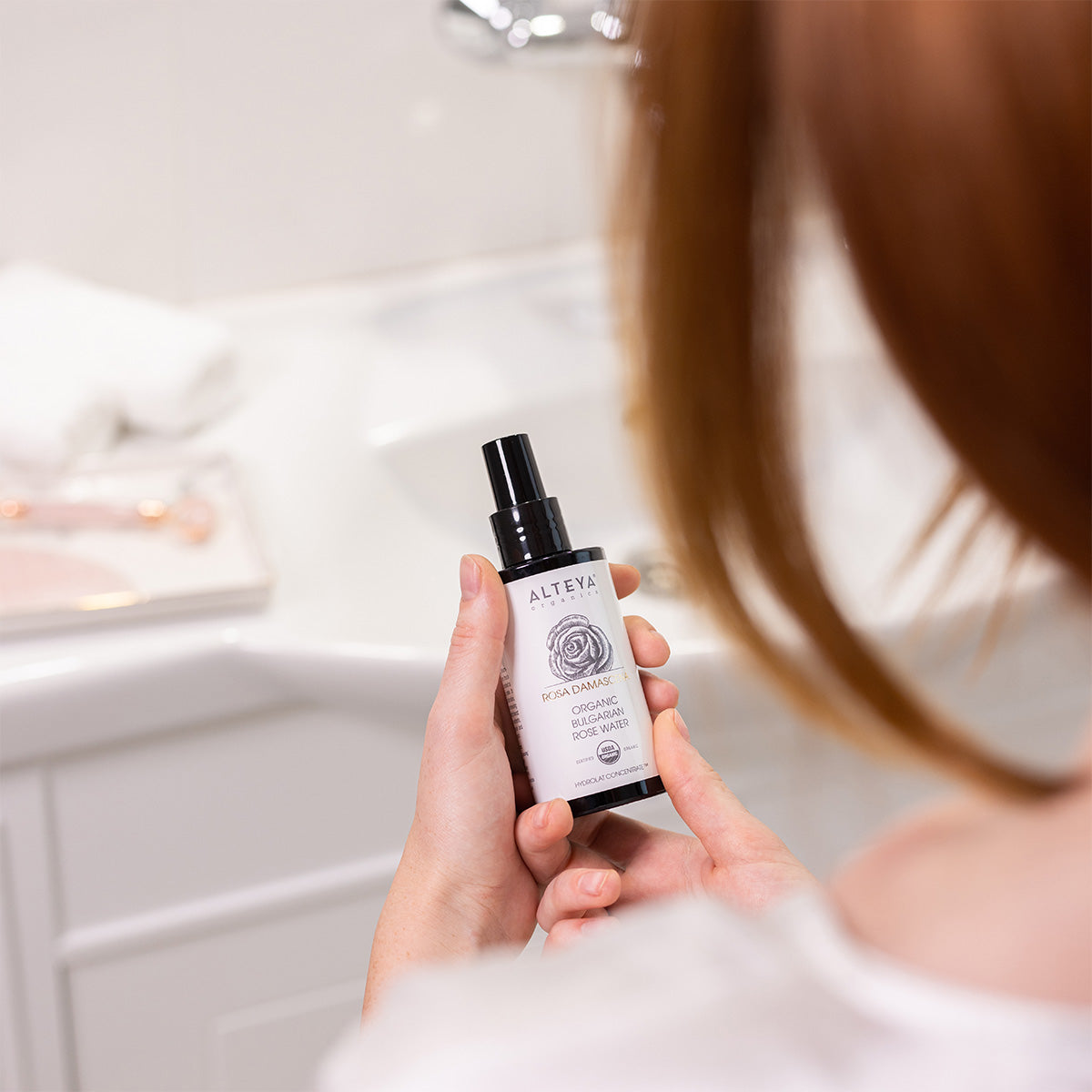
A fine-mist spray bottle works particularly well for single-ingredient hydrosol toners, such as Alteya Organics' Organic Bulgarian Rose Water, which are simple, water-based formulas well suited to this lighter-touch application style.

Common Mistakes People Make When Applying Toner

● Applying to fully dry skin: reduces the toner's hydrating benefit by starting from a lower baseline moisture level

● Rushing straight into the next step: skipping the absorption window means products layer on the surface rather than each one penetrating before the next is applied

● Using excessive cotton pad friction: vigorous wiping or rubbing can cause micro-irritation, particularly on sensitive or reactive skin

● Skipping the neck and décolletage: these areas are exposed to the same environmental stressors as the face but are frequently left out of the toning step

● Applying toner before cleansing: toner is designed to work on freshly cleansed skin; applying it over makeup, sunscreen, or unwashed skin significantly reduces its effectiveness

● Using unwashed hands: applying toner with unwashed hands can transfer bacteria and dirt onto freshly cleansed skin, undermining the purpose of the cleanse that preceded it

● Over-saturating a cotton pad and dragging it: an over-soaked pad dragged across the skin wastes product through dripping and increases unnecessary friction compared to a properly saturated, gently pressed pad

When Should Toner Be Applied in a Skincare Routine? 

Toner should be applied immediately after cleansing and before any serum, treatment, or moisturizer — positioning it as the second step in both morning and evening routines, regardless of which specific toner formula or application method is used.

Remove makeup, sunscreen, and surface impurities with an appropriate cleanser.

Toner's position directly after cleansing — rather than later in the routine — is what allows it to fulfill its core function: restoring the skin's surface pH and hydration immediately after the cleansing step disrupts both, before any subsequent product is layered on top.

Frequently Asked Questions About Applying Organic Toner 

It depends on the toner's function. Hands are generally better for hydrating, soothing hydrosol toners, since pressing and patting motions support absorption without the friction or product loss associated with a cotton pad. A cotton pad is more useful for clarifying or mildly exfoliating toners, where the light wiping action helps remove residual surface debris in addition to toning.

Article: How to Apply Organic Toner Correctly: The Step Most People Skip

skincare

How to Apply Organic Toner Correctly: The Step Most People Skip

Applying organic toner correctly means pressing or patting it into slightly damp, freshly cleansed skin rather than wiping it on with a dry cotton pad or applying it to fully dry skin — a distinction most skincare routines overlook entirely. The step most people skip is not the toner itself, but the wait: pausing for the toner to fully absorb on damp skin before layering serum or moisturizer on top, which allows the formula's hydrating and active compounds to penetrate rather than simply sitting on the surface or evaporating. Alteya Organics, a Bulgarian family-owned brand certified to USDA Organic and NATRUE standards, produces its Organic Bulgarian Rose Water and other hydrosol toners specifically to be pressed into the skin using this technique, maximizing the benefit of their naturally occurring phytochemical content.

Leave a comment

This site is protected by hCaptcha and the hCaptcha Privacy Policy and Terms of Service apply.

Read more

Complete Guide to Organic Facial Cleansers
organic

The Complete Guide to Organic Facial Cleansers: Milk, Gel, Jelly, and Oil Cleansers Explained

Organic facial cleansers fall into four primary textures — milk, gel, jelly, and oil — each formulated differently to suit specific skin types and cleansing needs. Milk cleansers use emollient, cre...

Read more