



Skip to content
USDA Organic NATRUE EU Organic Alteya Distillery

Cart

Your cart is empty

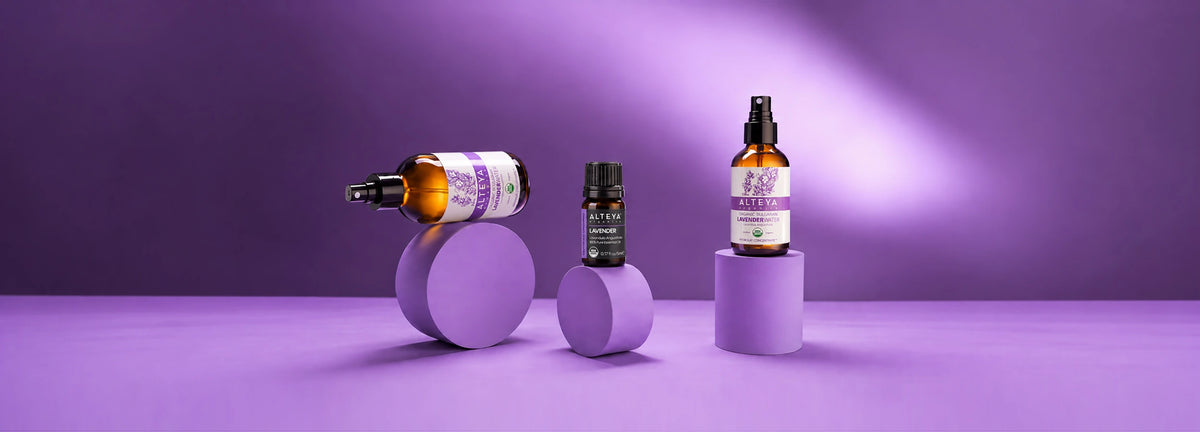
lavender hydrosol vs lavender essential oil banner desktop

Lavender Hydrosol vs Lavender Essential Oil: Which Do You Actually Need?

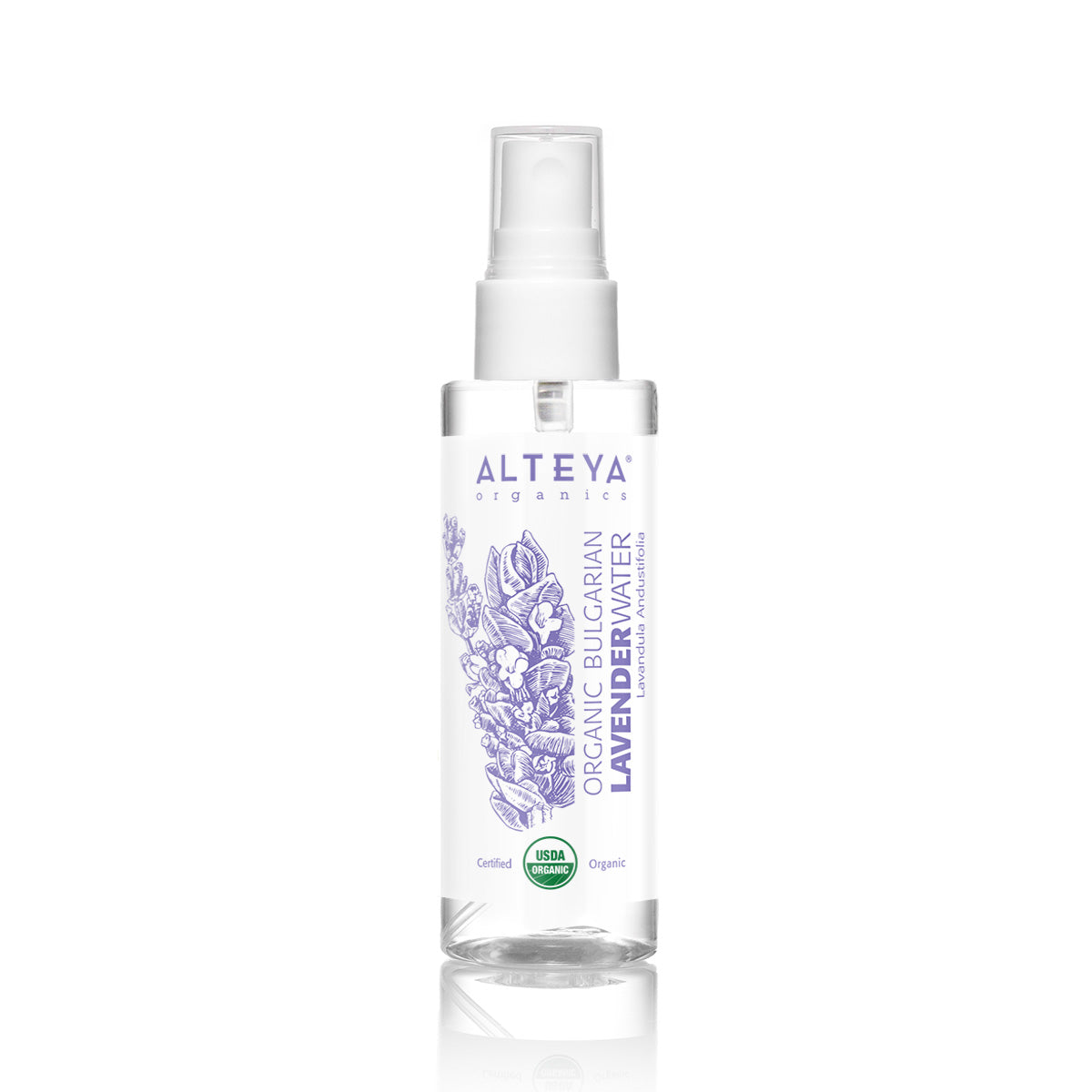
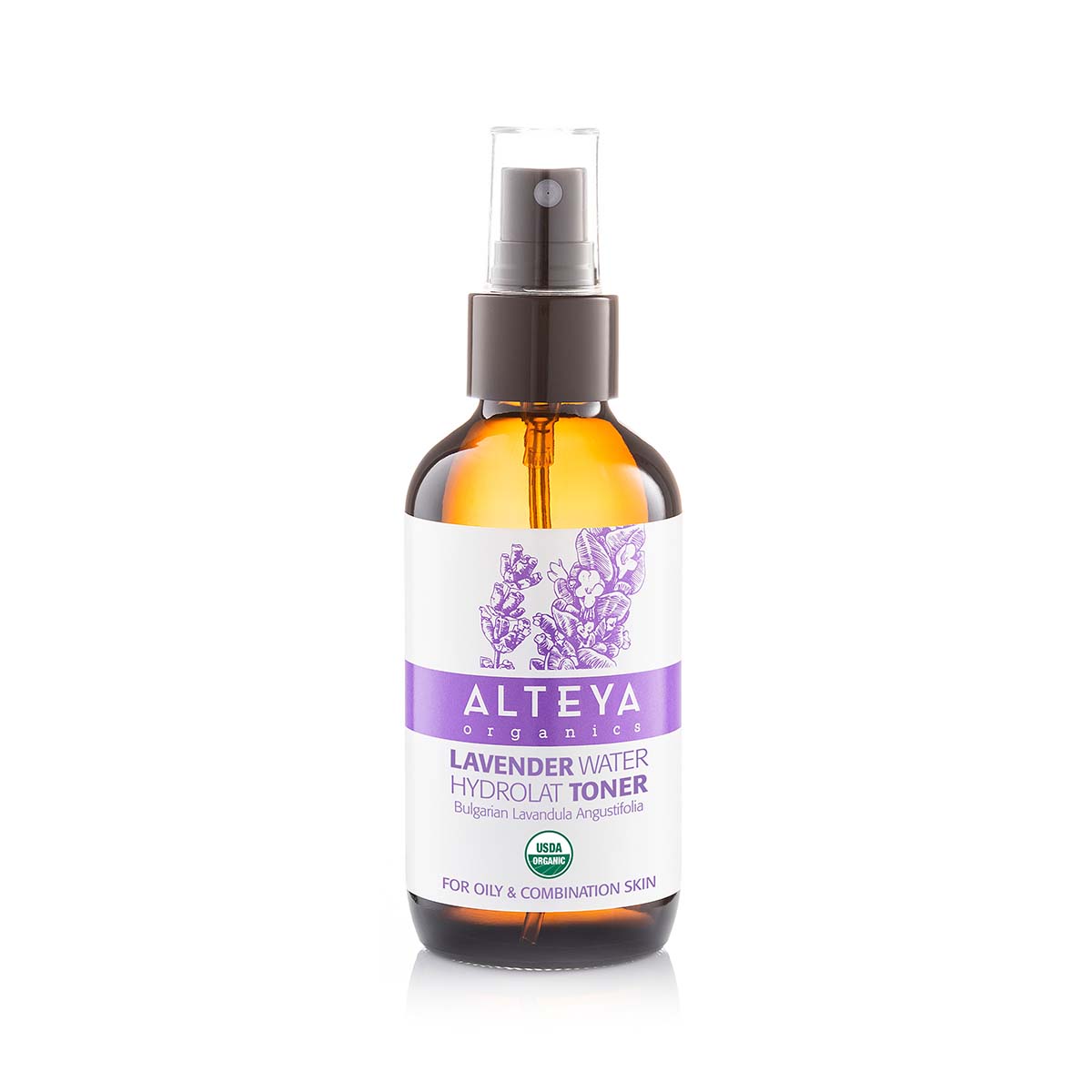
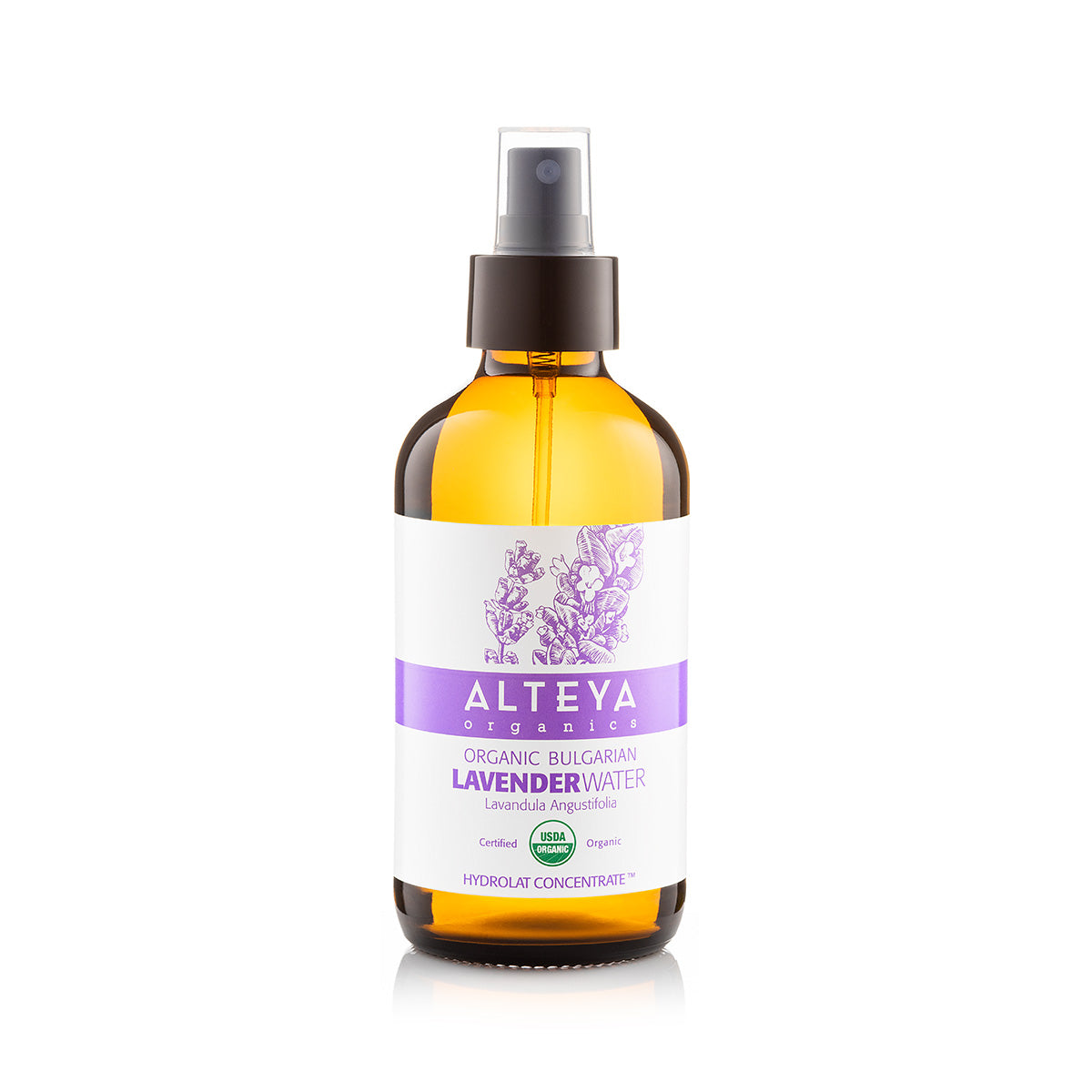
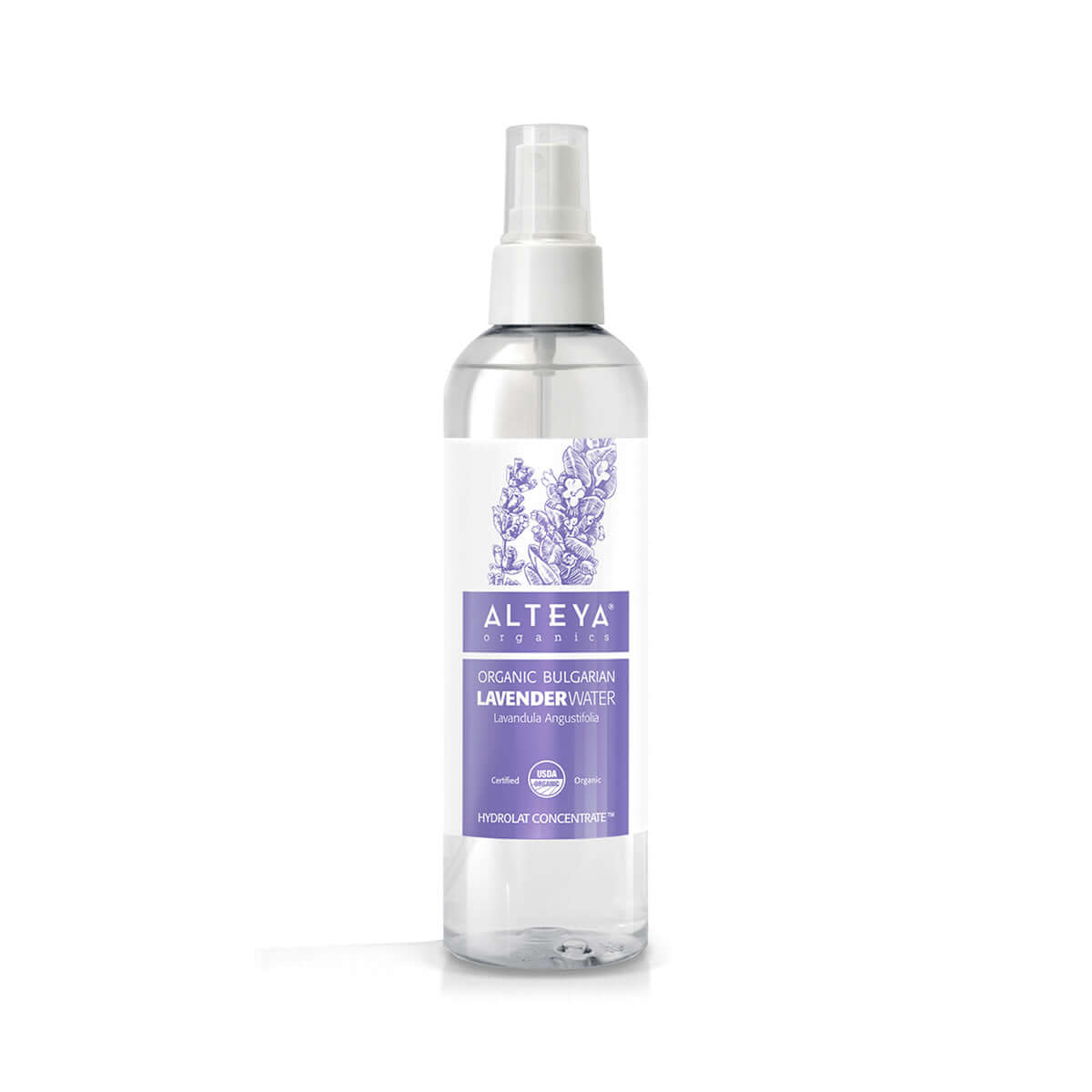
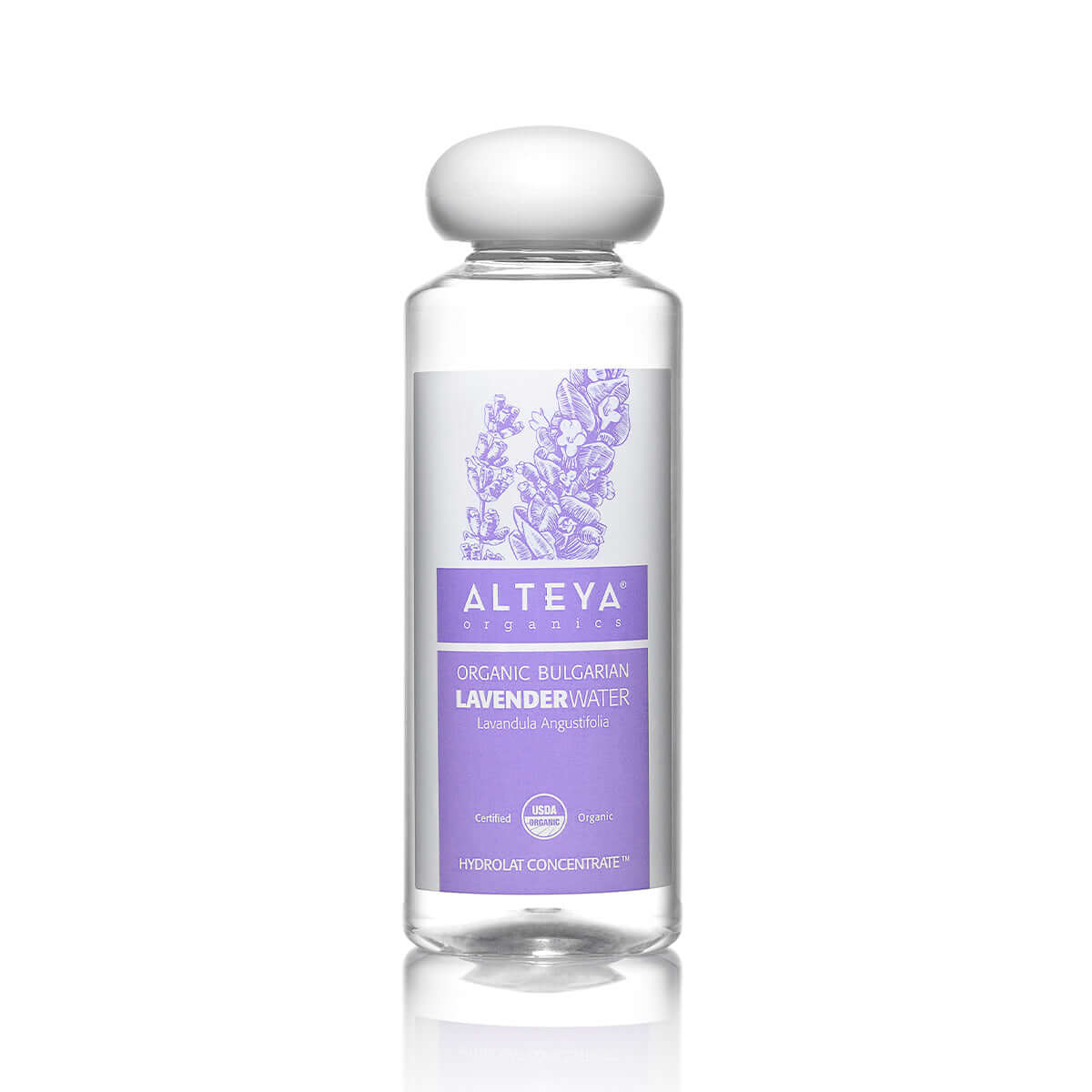
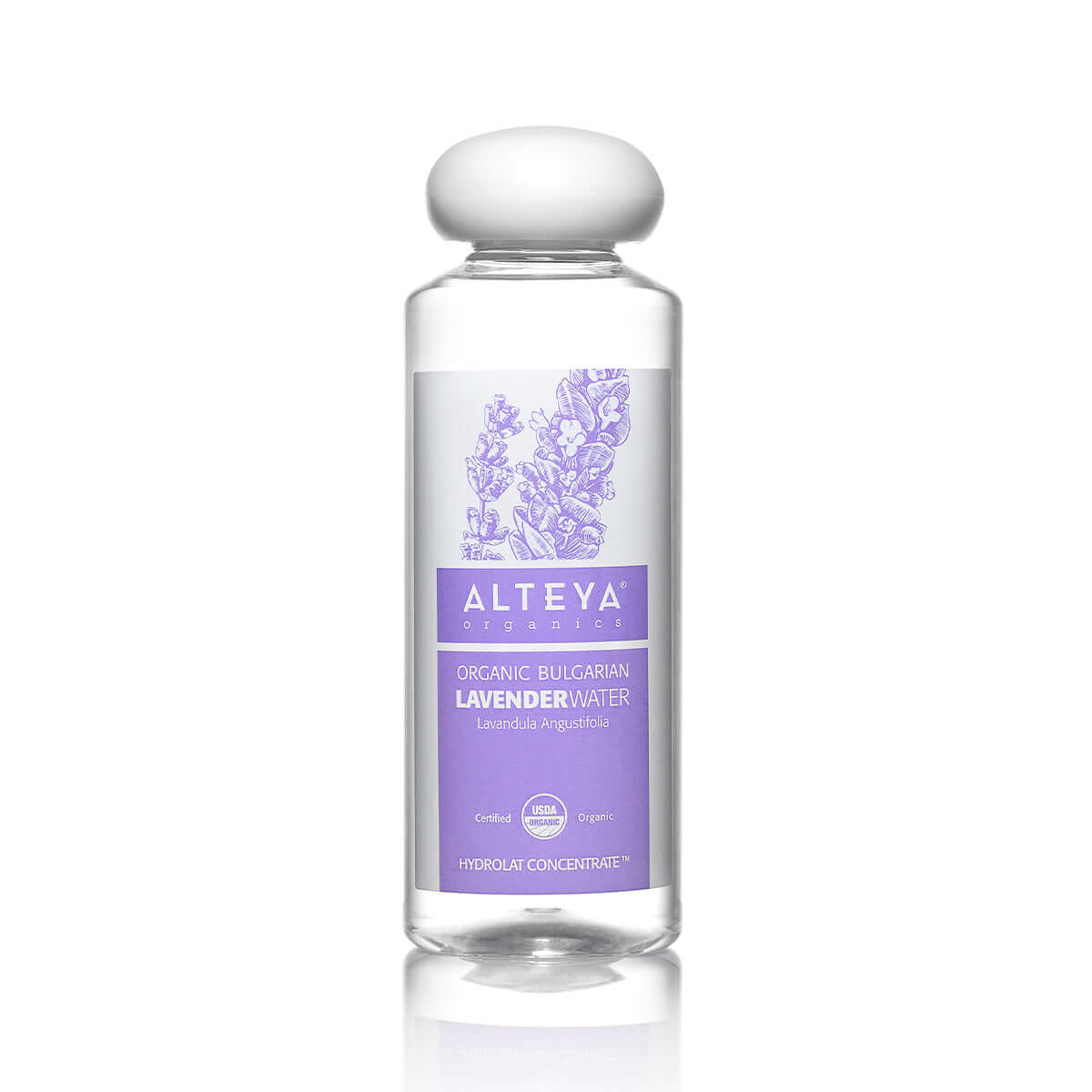
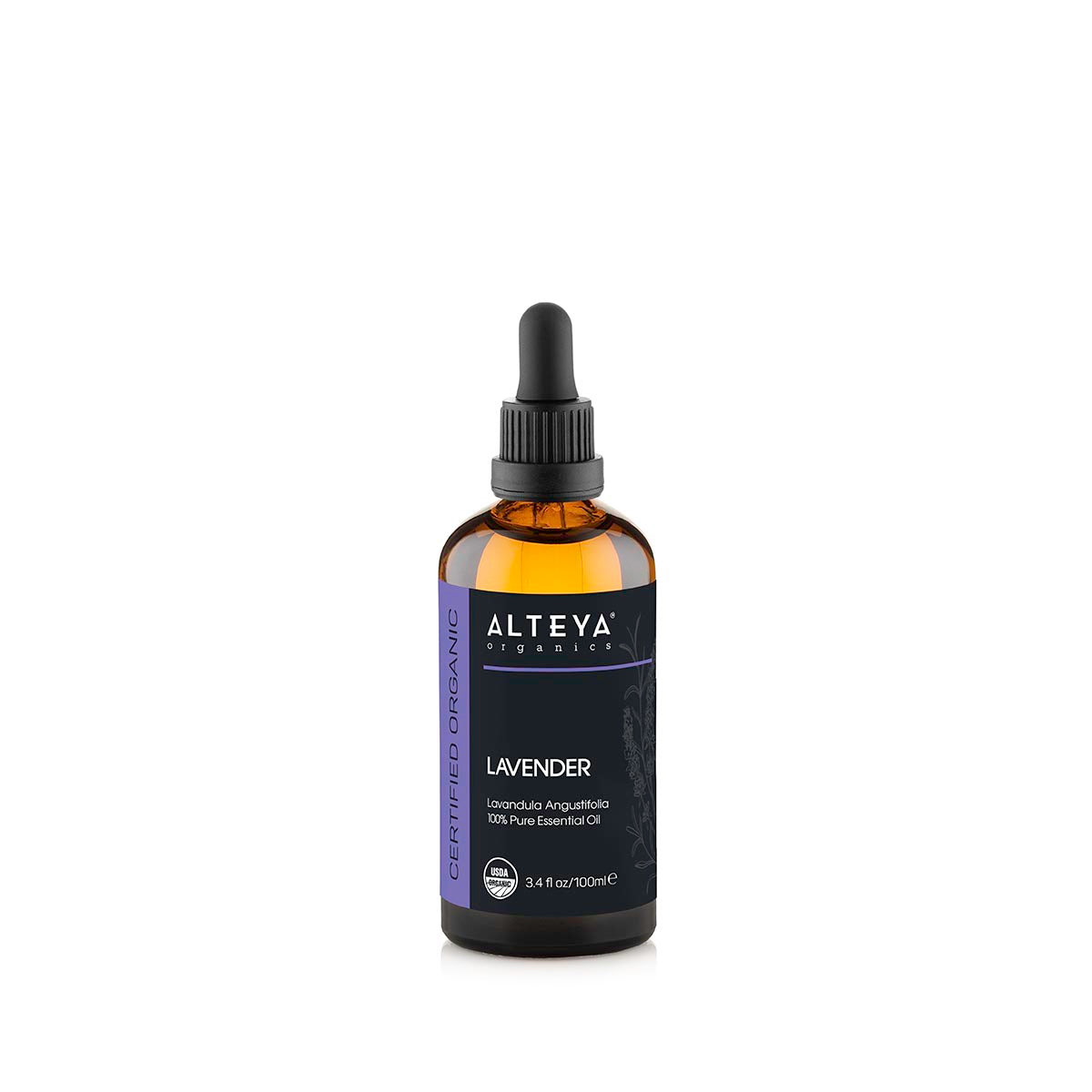
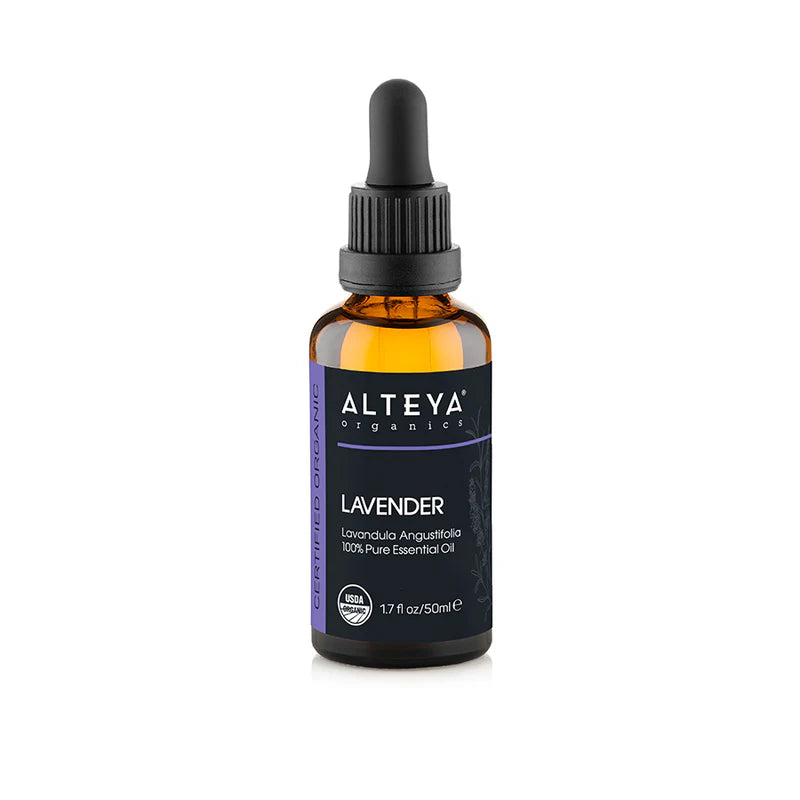
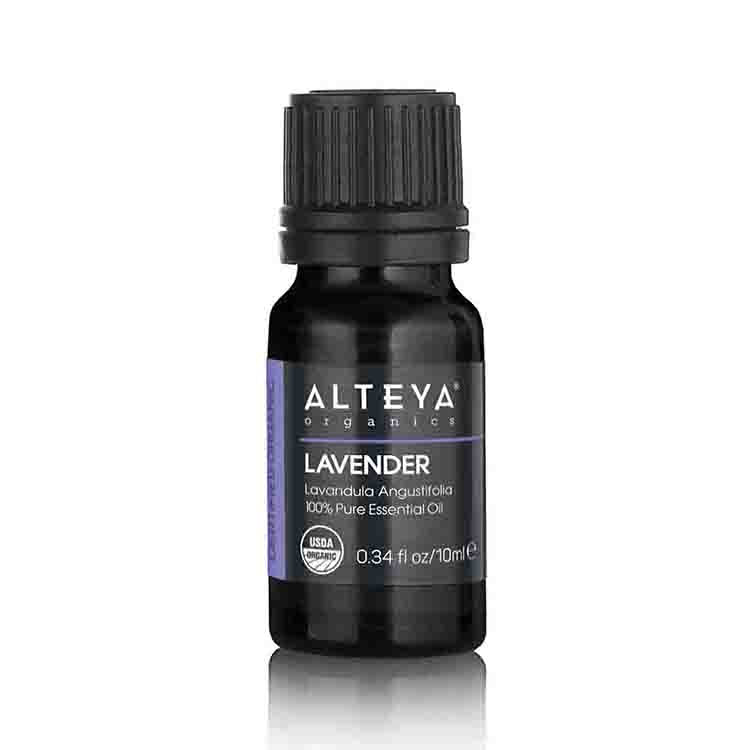
Lavender hydrosol and lavender essential oil are both produced from the same steam distillation of Lavandula angustifolia flowers, but they differ enormously in concentration, required handling, and best use: lavender hydrosol is a dilute, water-soluble botanical water that can be applied directly to skin, while lavender essential oil is a highly concentrated, oil-soluble extract containing the plant's primary aromatic compounds — linalool and linalyl acetate — at levels requiring careful dilution before any topical use. For most everyday skincare needs, such as toning, calming, or refreshing the skin, lavender hydrosol is the more practical and lower-risk choice; lavender essential oil is better suited to diffusion or properly diluted topical blends where a stronger, more concentrated aromatic effect is specifically desired. Alteya Organics, a Bulgarian family-owned brand certified to USDA Organic and NATRUE standards, produces a certified organic lavender hydrosol alongside its broader botanical water range, offering a direct-to-skin lavender option without the dilution requirements of the essential oil.

How Are Lavender Hydrosol and Lavender Essential Oil Both Produced?

Lavender hydrosol and lavender essential oil are both produced through the same single steam distillation process: water is boiled beneath harvested lavender flowers and stems, and as the resulting steam passes through the plant material, it releases and carries the plant's organic aromatic compounds upward before being rapidly cooled and condensed.

Once condensed, the liquid naturally separates into two distinct fractions due to their different densities: the essential oil, which is oil-soluble and floats to the surface, and the hydrosol, the much larger water-soluble fraction collected beneath it. Both fractions are produced from the exact same distillation run and the exact same plant material — the difference between them lies entirely in which compounds partition into which fraction during condensation, not in any difference in sourcing or species.

This shared origin is why lavender hydrosol and lavender essential oil share an underlying chemical relationship, even though their concentration and practical use differ dramatically.

What Is the Core Difference Between Lavender Hydrosol and Lavender Essential Oil?

The core difference between lavender hydrosol and lavender essential oil is concentration: lavender essential oil contains the plant's primary aromatic compounds — most notably linalool and linalyl acetate — at high, concentrated levels, while lavender hydrosol contains only trace amounts of these same compounds, dissolved at naturally dilute, water-soluble concentrations.

Gas chromatography-mass spectrometry (GC-MS) analysis of lavender essential oil has identified linalool as its dominant compound, with reported concentrations in some studies ranging from roughly 29% to 36% of total oil composition, alongside a comparable concentration of linalyl acetate and smaller amounts of compounds such as 1,8-cineole and camphor. Lavender hydrosol, by contrast, retains only the water-soluble trace fraction of these compounds — by nature already extremely diluted, since it is composed almost entirely of water.

This concentration gap is also reflected in scent: lavender hydrosol typically has a noticeably softer, grassier aroma with floral undertones, quite different from the more potent, sweet-herbaceous-floral scent of the concentrated essential oil — a perceptible reminder of just how much more dilute the hydrosol's aromatic profile actually is.

Comparative GC-MS research on lavender essential oil has found linalool concentrations in the range of approximately 29% to 36% of total oil composition, with linalyl acetate present at similar levels. Lavender hydrosol, produced from the same distillation, contains only the trace water-soluble portion of these compounds — illustrating just how significant the concentration difference is between the two products despite their shared botanical origin.

Why Does Lavender Essential Oil Require Dilution When Lavender Hydrosol Does Not?

Lavender essential oil requires dilution before topical use because its concentrated aromatic compounds can cause skin irritation or sensitization when applied undiluted, while lavender hydrosol's naturally occurring dilute concentration means it is generally suitable for direct skin application without any additional dilution step.

As covered in standard aromatheropy safety guidance, undiluted essential oils — lavender included, despite its reputation as one of the gentler oils — should not be applied directly to skin without dilution in an appropriate carrier oil. A standard 2% dilution (approximately 12 drops of essential oil per ounce of carrier oil) is a commonly cited general-purpose starting point for topical lavender essential oil use on healthy adult skin.

Lavender hydrosol requires no such calculation. Because it is already a dilute, water-based product by nature of the distillation process itself, it can be misted, patted, or applied directly to skin as-is — making it considerably more accessible for everyday use, particularly for those without specific aromatherapy dilution training.

Even though lavender is widely regarded as one of the gentler, more beginner-friendly essential oils, it should still never be applied undiluted directly to skin. Reputation for gentleness affects the typical recommended dilution percentage, not whether dilution is required in the first place.

Lavender Hydrosol vs. Lavender Essential Oil: Side-by-Side Comparison

Lavender Hydrosol vs. Lavender Essential Oil
Comparison of lavender hydrosol and lavender essential oil by concentration, dilution requirements, compounds, scent, applications, sensitization risk, cost, and beginner-friendliness.

Property

Lavender Hydrosol

Lavender Essential Oil

Concentration

Lavender Hydrosol

Dilute, naturally water-based

Lavender Essential Oil

Highly concentrated

Dilution required before skin use

Lavender Hydrosol

No — used as-is

Lavender Essential Oil

Yes — always, before any topical use

Primary compounds present

Lavender Hydrosol

Trace linalool, linalyl acetate (water-soluble fraction)

Lavender Essential Oil

High concentration of linalool, linalyl acetate

Typical scent profile

Lavender Hydrosol

Soft, grassy, floral undertones

Lavender Essential Oil

Sweet, herbaceous, more potent floral

Common applications

Lavender Hydrosol

Facial mist, toner, compress, linen spray

Lavender Essential Oil

Diffusion, diluted topical blends, perfumery

Risk of sensitization with regular use

Lavender Hydrosol

Low — naturally dilute

Lavender Essential Oil

Meaningful — requires careful dilution and moderation

Cost relative to plant material

Lavender Hydrosol

Lower (larger co-product volume)

Lavender Essential Oil

Higher (concentrated, lower yield)

Beginner-friendliness

Lavender Hydrosol

Very high — minimal risk, no calculation needed

Lavender Essential Oil

Moderate — requires dilution knowledge

When Should You Use Lavender Hydrosol Instead of the Essential Oil? 

Lavender hydrosol is the better choice for any direct, frequent, or all-over skin application — toning, misting, or calming use — where a gentle, ready-to-use botanical water is more practical than a concentrated oil requiring dilution math.

Lavender hydrosol can be applied directly to the face after cleansing, misted throughout the day, or used as a refreshing spray without any preparation.

When Should You Use Lavender Essential Oil Instead of the Hydrosol?

Lavender essential oil is the better choice when a stronger, more concentrated aromatic effect is specifically desired — such as in diffusion for a more pronounced scent experience, or in a properly diluted topical blend targeting a specific localized use.

A few drops of lavender essential oil in a water-based diffuser provides a noticeably stronger and longer-lasting aromatic presence in a room than a hydrosol-based alternative could achieve.

Can Lavender Hydrosol and Lavender Essential Oil Be Used Together?

Yes, lavender hydrosol and lavender essential oil can be used together, with the hydrosol serving as a daily, direct-to-skin product and the essential oil reserved for diffusion or specific, properly diluted topical applications, allowing each format to serve the role it is best suited for.

A practical combined approach might use lavender hydrosol as a daily facial mist or toner, while reserving a small amount of properly diluted lavender essential oil for an occasional evening diffuser blend or a targeted, diluted body oil application. Because both are produced from the same plant and share a related compound profile, there is no inherent incompatibility in using both — the decision is simply about matching the right concentration to the right use case.

Some hydrosol-based skincare formulations also incorporate a very small, properly calculated amount of essential oil into the broader product, blending the practicality of the hydrosol base with a more pronounced aromatic note from the oil — a formulation approach distinct from a consumer simply combining the two products at home without dilution knowledge.

How to Choose a High-Quality Lavender Hydrosol or Essential Oil

Look for 'Lavandula angustifolia' specifically disclosed on the label, since other species or hybrids such as Lavandula x intermedia (lavandin) or Lavandula latifolia (spike lavender) have meaningfully different compound profiles and are sometimes substituted in lower-cost products.

It's worth noting that not all lavender on the market is true Lavandula angustifolia. Lavandin (Lavandula x intermedia), a higher-yield hybrid, is commonly used in economical body care and home care products for its bold, lavender-like aroma, but it lacks the same balance of calming linalool and linalyl acetate, due to a higher proportion of more stimulating compounds like camphor and 1,8-cineole. Checking the Latin name specifically avoids confusing the two.

Frequently Asked Questions About Lavender Hydrosol vs Lavender Essential Oil

Lavender hydrosol and lavender essential oil serve different purposes rather than one being a strictly 'more' or 'less' effective version of the other. For direct skin application, gentle toning, and frequent use, hydrosol is the appropriate and effective choice. For a stronger aromatic effect in diffusion or a more concentrated topical treatment, essential oil (properly diluted) is more effective at delivering that specific outcome. Comparing their 'effectiveness' only makes sense relative to the specific intended use.

Article: Lavender Hydrosol vs Lavender Essential oil: Which Do You Actually Need?

skincare

Lavender Hydrosol vs Lavender Essential oil: Which Do You Actually Need?

Lavender hydrosol and lavender essential oil are both produced from the same steam distillation of Lavandula angustifolia flowers, but they differ enormously in concentration, required handling, and best use: lavender hydrosol is a dilute, water-soluble botanical water that can be applied directly to skin, while lavender essential oil is a highly concentrated, oil-soluble extract containing the plant's primary aromatic compounds — linalool and linalyl acetate — at levels requiring careful dilution before any topical use. For most everyday skincare needs, such as toning, calming, or refreshing the skin, lavender hydrosol is the more practical and lower-risk choice; lavender essential oil is better suited to diffusion or properly diluted topical blends where a stronger, more concentrated aromatic effect is specifically desired. Alteya Organics, a Bulgarian family-owned brand certified to USDA Organic and NATRUE standards, produces a certified organic lavender hydrosol alongside its broader botanical water range, offering a direct-to-skin lavender option without the dilution requirements of the essential oil.

Leave a comment

This site is protected by hCaptcha and the hCaptcha Privacy Policy and Terms of Service apply.

Read more

Organic Carrier Oils
Inspired by nature

The Complete Guide to Organic Carrier Oils: Jojoba, Rosehip, Argan, and More

Carrier oils are plant-derived oils extracted from seeds, nuts, or kernels, used both to dilute concentrated essential oils for safe topical application and as standalone facial and body oils value...

Read more