The practical takeaway: if a certified organic serum lists ‘Sodium Hyaluronate’ on its ingredient label, this is not a lesser ingredient - it is the more stable, better-penetrating form of hyaluronic acid. Both deliver the same hydration mechanism. Alteya Organics uses sodium hyaluronate in its HA formulations for its superior stability in certified organic botanical bases.
How Certified Organic Rose Water and Hyaluronic Acid Work Together
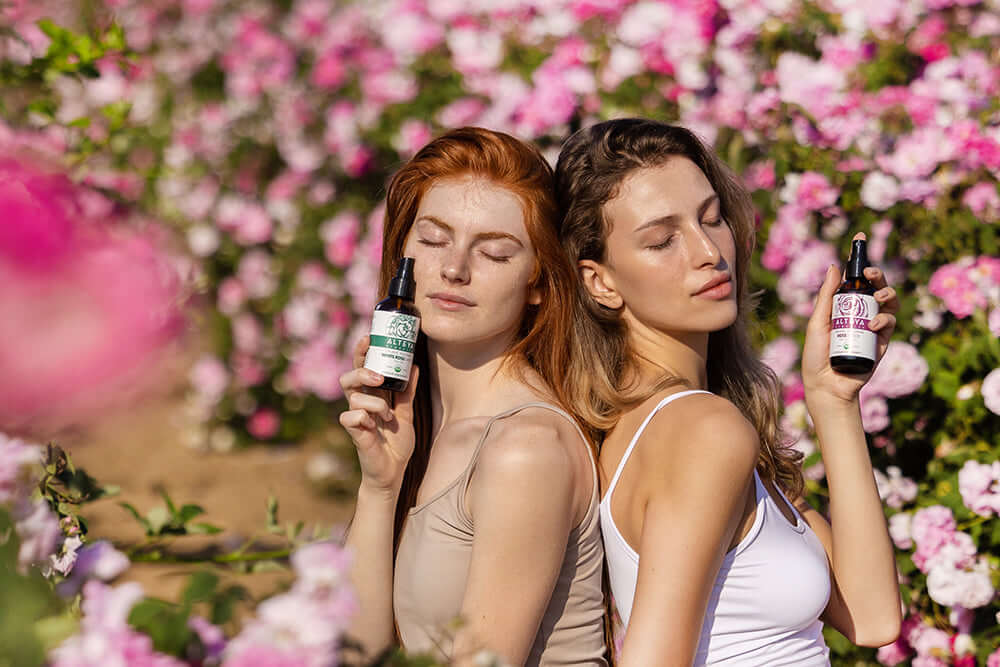
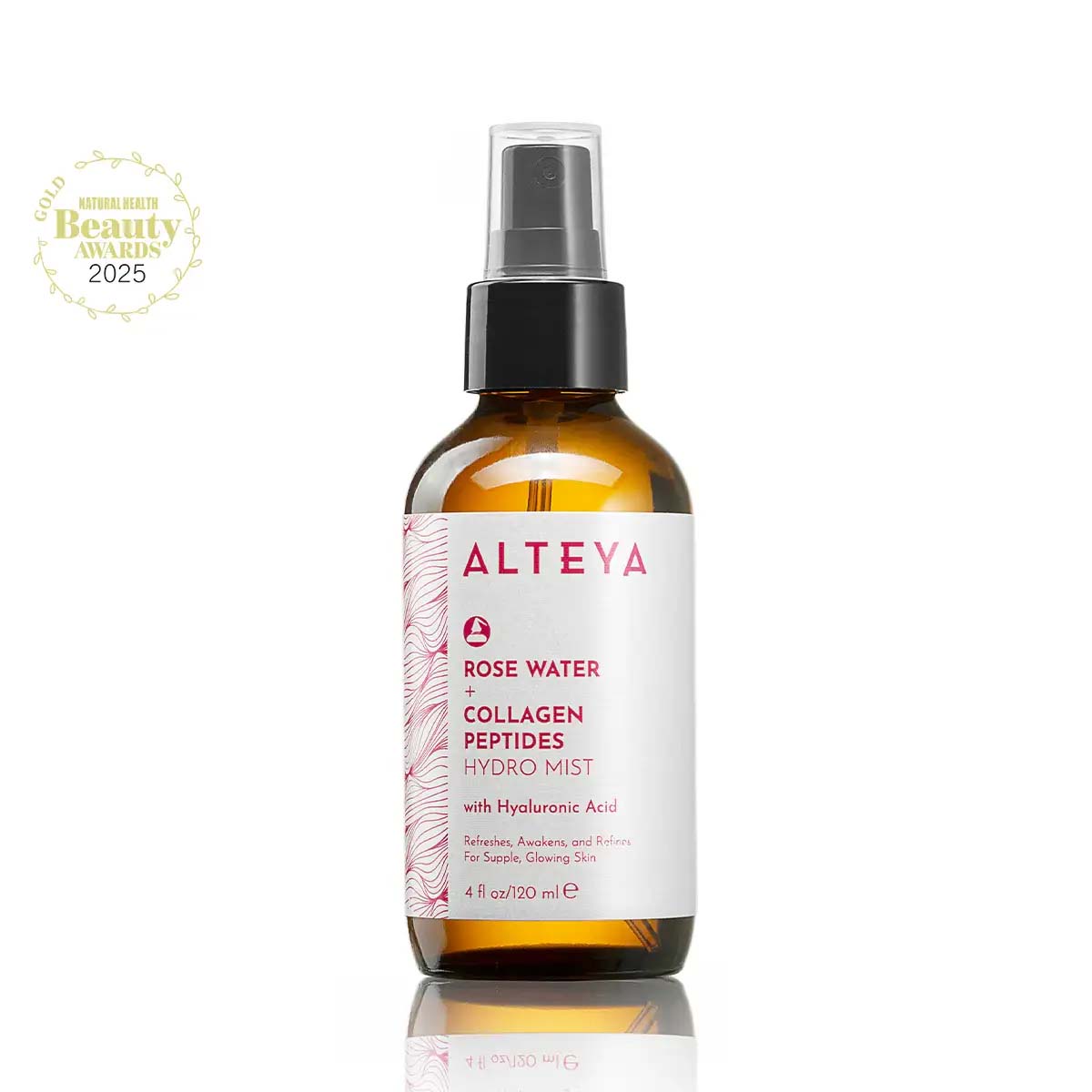
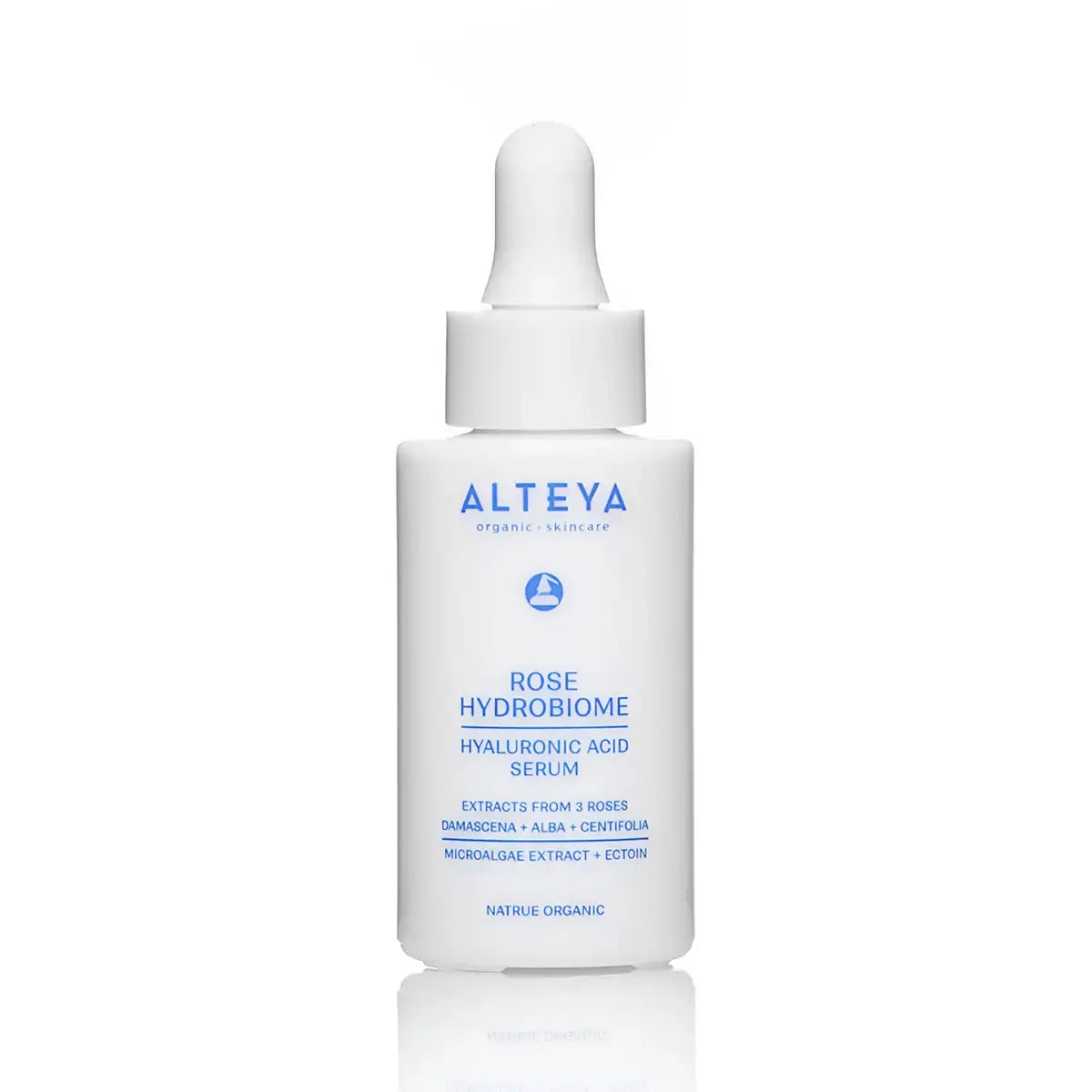
Alteya Organics uses certified organic Bulgarian rose water as the water phase in its hyaluronic acid formulations - replacing the purified water used in standard skincare. This is a foundational formulation decision with meaningful consequences for product quality.
Standard skincare uses purified water as the base, which is essentially inert. Rose water is a steam-distilled floral hydrosol containing the full water-soluble botanical profile of Rosa Damascena - including its own gentle hydrating, toning, and balancing properties. It has a natural pH of approximately 4.5–5.0, close to the skin’s own optimal slightly acidic pH, making it an ideal carrier that supports rather than disrupts the skin’s natural environment.
The combination delivers layered hydration: rose water provides botanical surface hydration and toning at the correct skin pH, while hyaluronic acid draws and retains deeper moisture. Together they create a more complete hydration effect than either ingredient achieves alone - which is why using rose water as a toning step before HA application, rather than plain water, meaningfully improves the efficacy of the HA serum that follows.
How to Apply Hyaluronic Acid for Maximum Effectiveness
Hyaluronic acid works most effectively when applied to slightly damp skin - it draws moisture from the water molecules already present on the skin surface, not from the air alone.
Step-by-step application sequence:
1. Cleanse with a gentle certified organic cleanser. Rinse with lukewarm water.
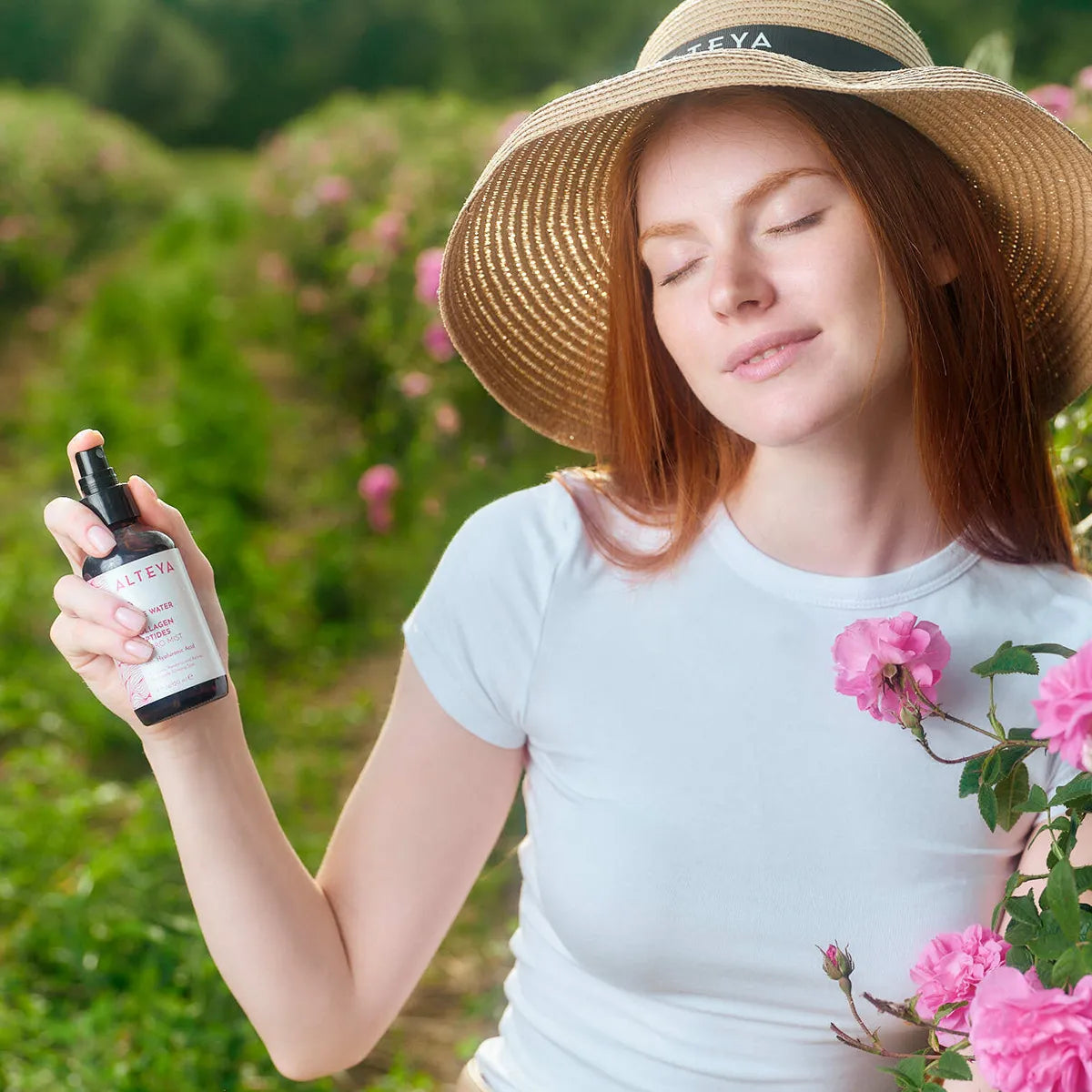
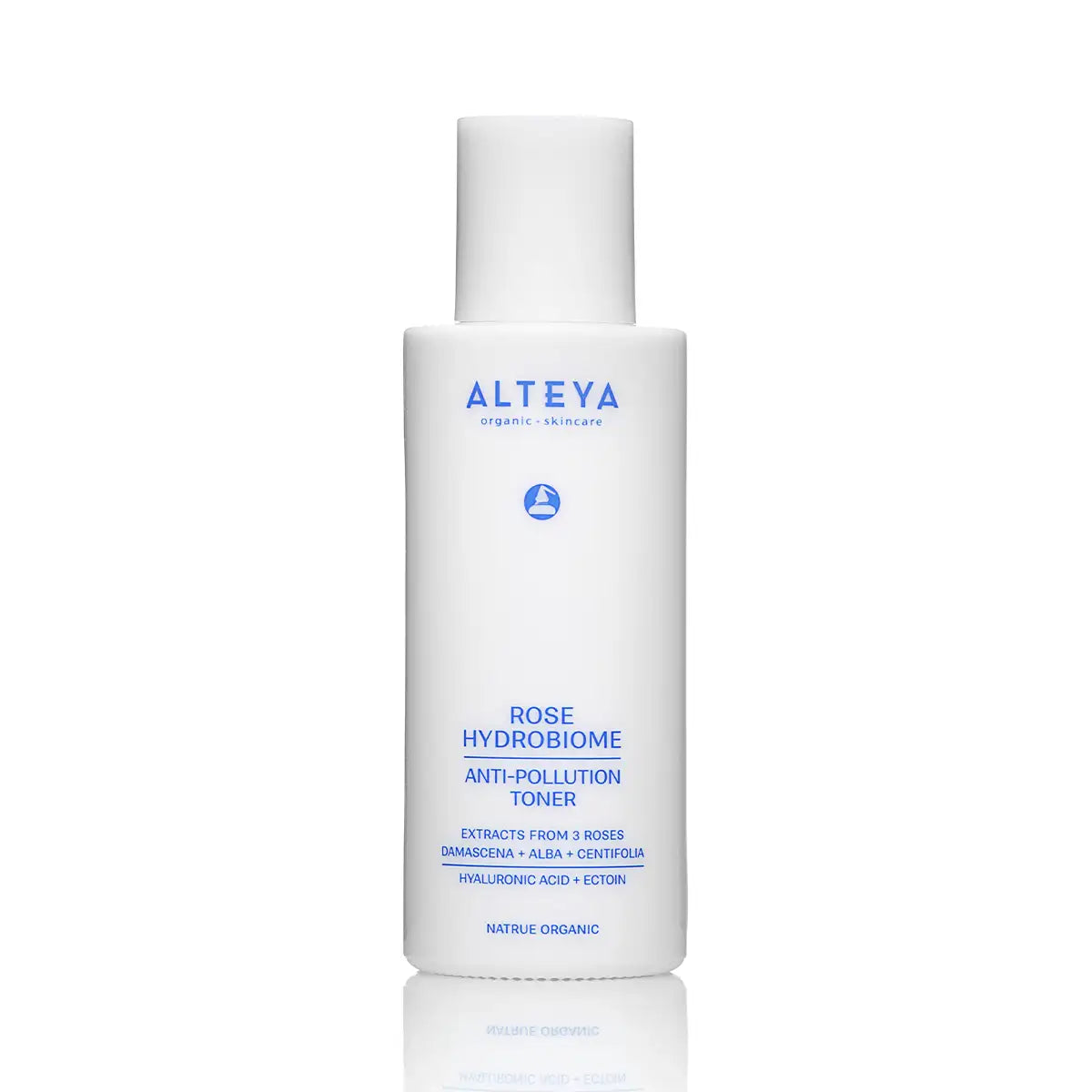
2. Apply certified organic Bulgarian rose water toner. Allow 20–30 seconds to partially absorb, leaving the skin slightly damp. The residual moisture creates the ideal environment for HA to draw from.
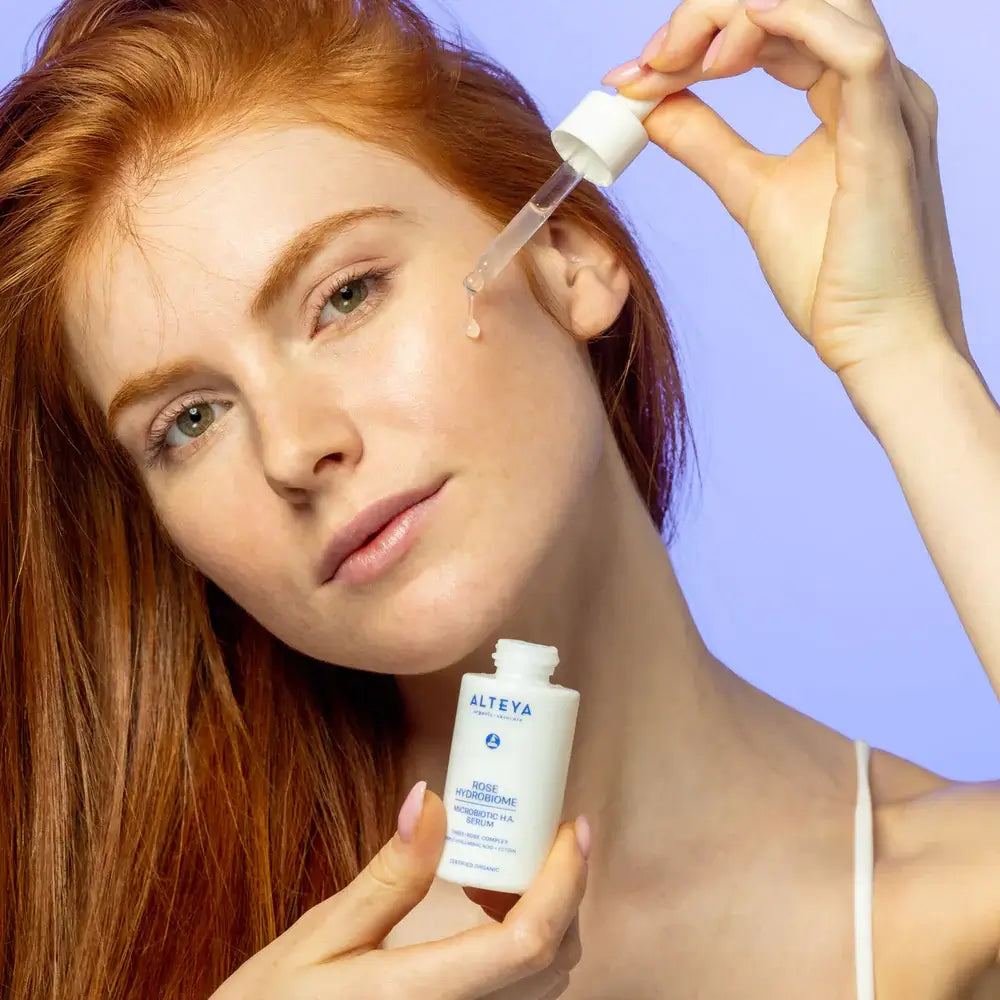
3. Apply 3–4 drops of hyaluronic acid serum to the damp skin. Press gently into the skin using fingertips - do not rub.
4. Allow 30–60 seconds to absorb.
5. Apply moisturizer immediately. This is the critical sealing step: without a moisturizer layer, HA can draw moisture from the deeper skin layers rather than the environment - paradoxically drying the skin in low-humidity conditions.
6. Morning only: follow with broad-spectrum SPF.
Can Hyaluronic Acid Be Used Year-Round? How to Adjust for Climate
Yes - hyaluronic acid can be used year-round, but the application technique and layering strategy should adjust with ambient humidity. HA’s water-drawing mechanism relies on moisture being available to draw from. In low-humidity environments, the mechanism can work in reverse.













Leave a comment
This site is protected by hCaptcha and the hCaptcha Privacy Policy and Terms of Service apply.