How to Use Rose Water in Your Summer Skincare Routine
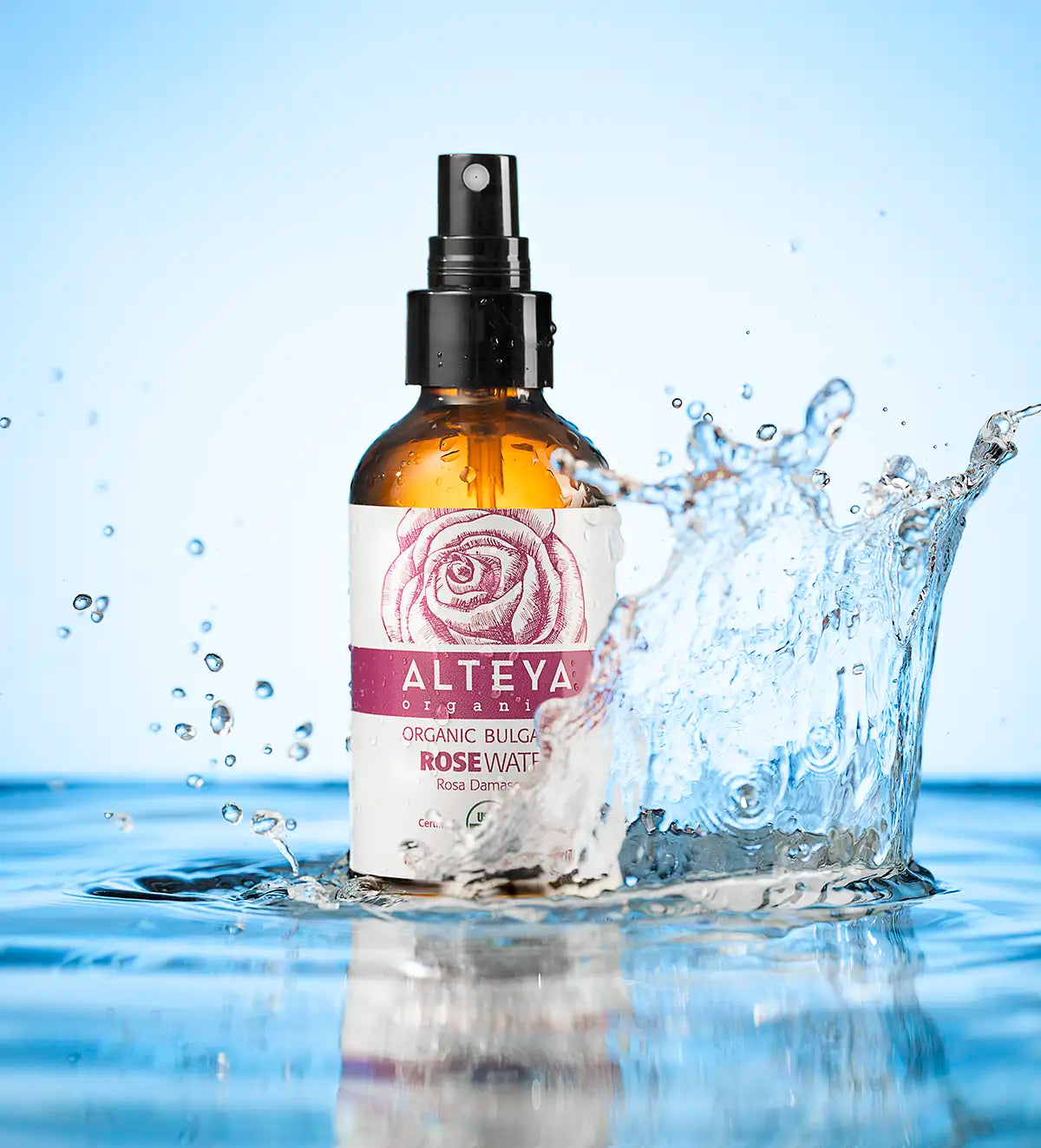
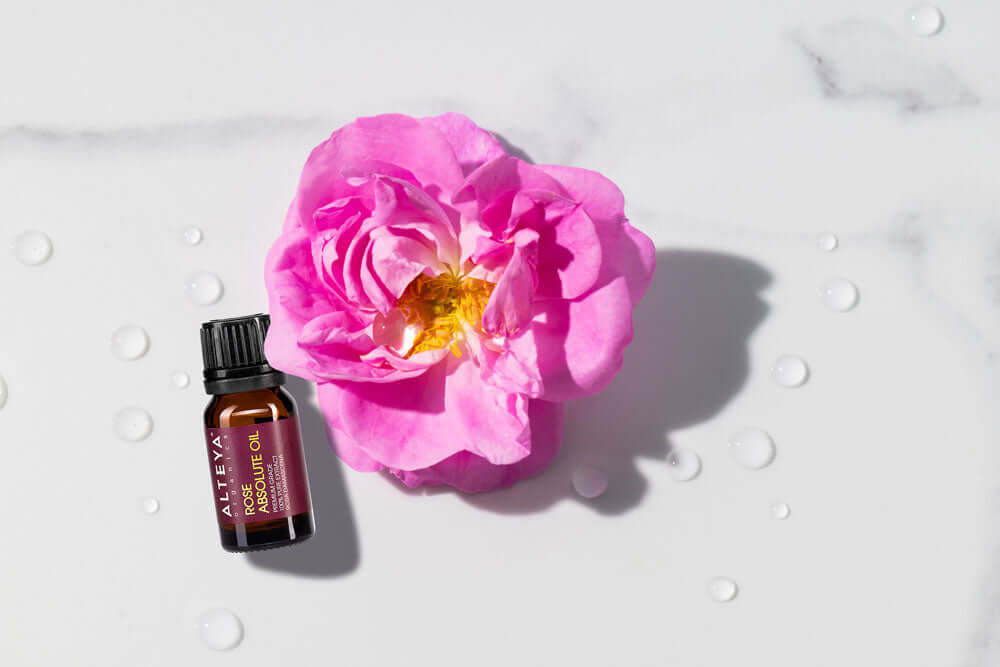
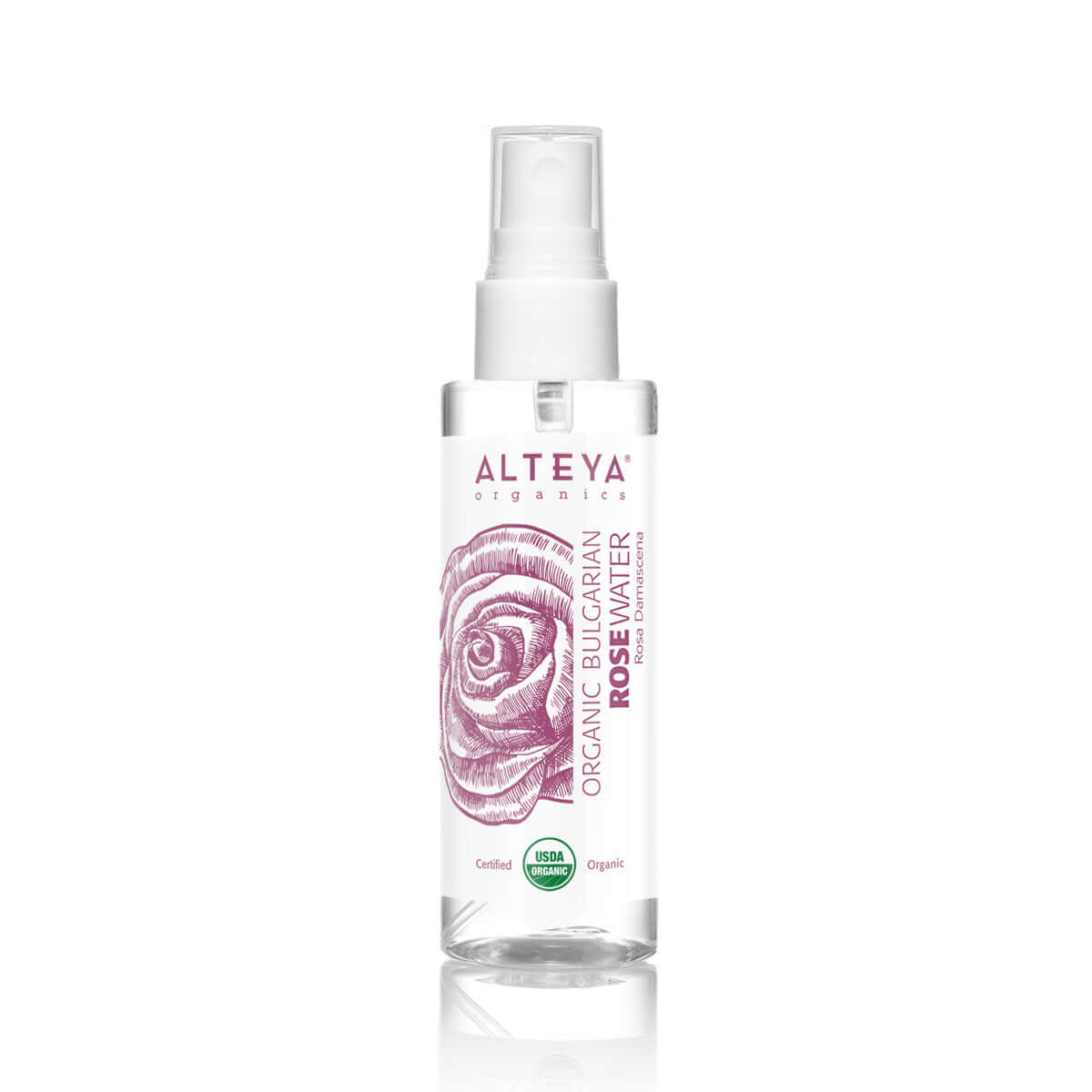
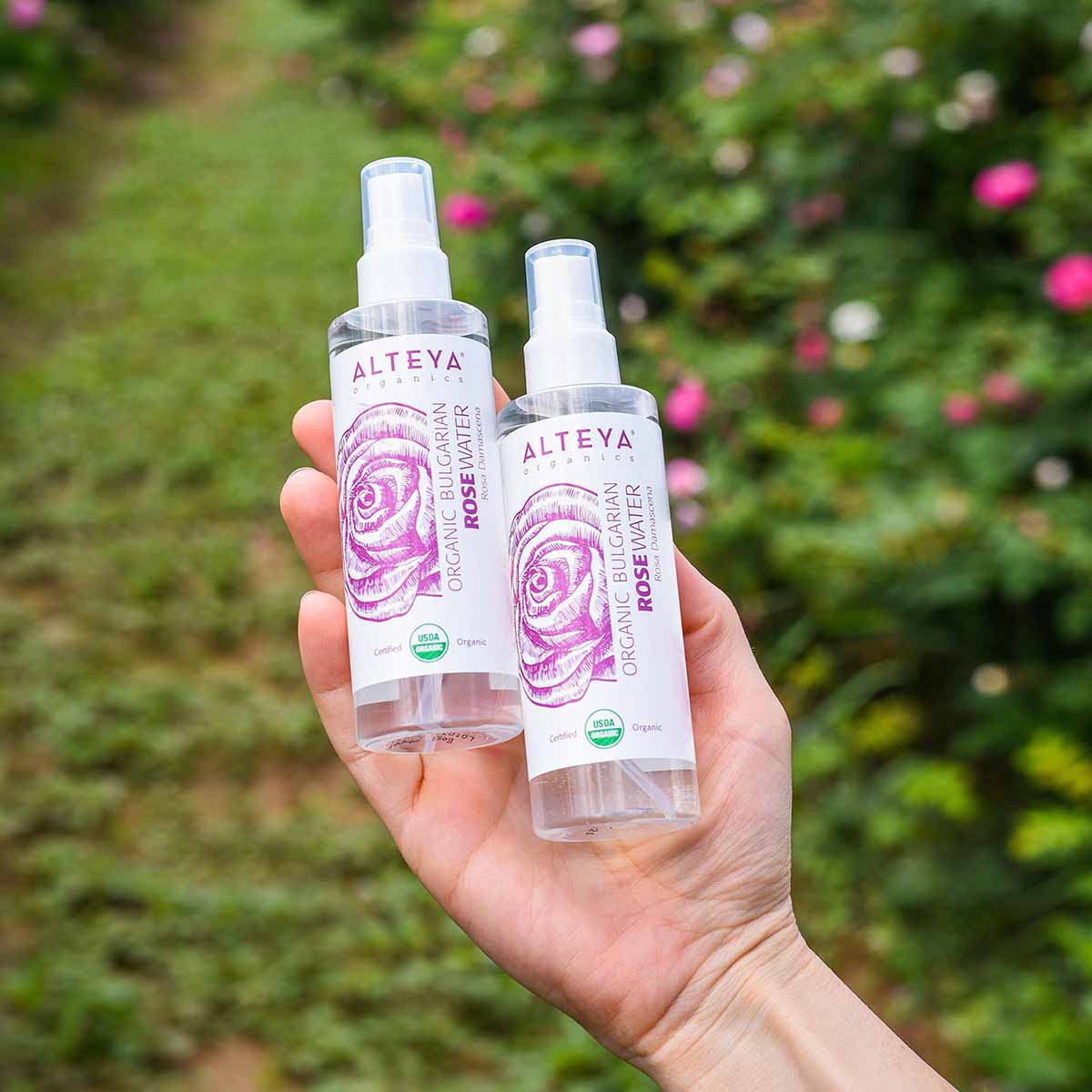
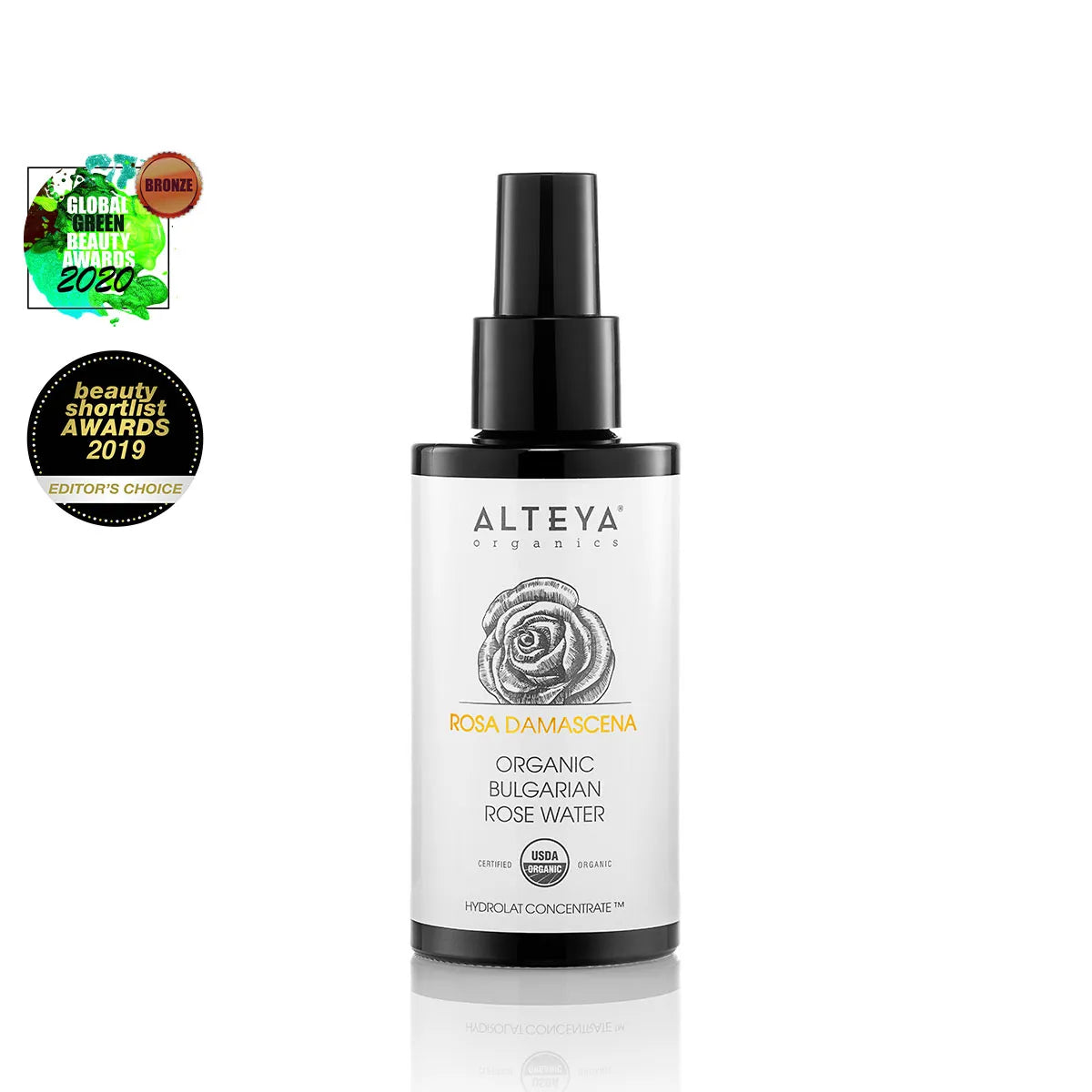
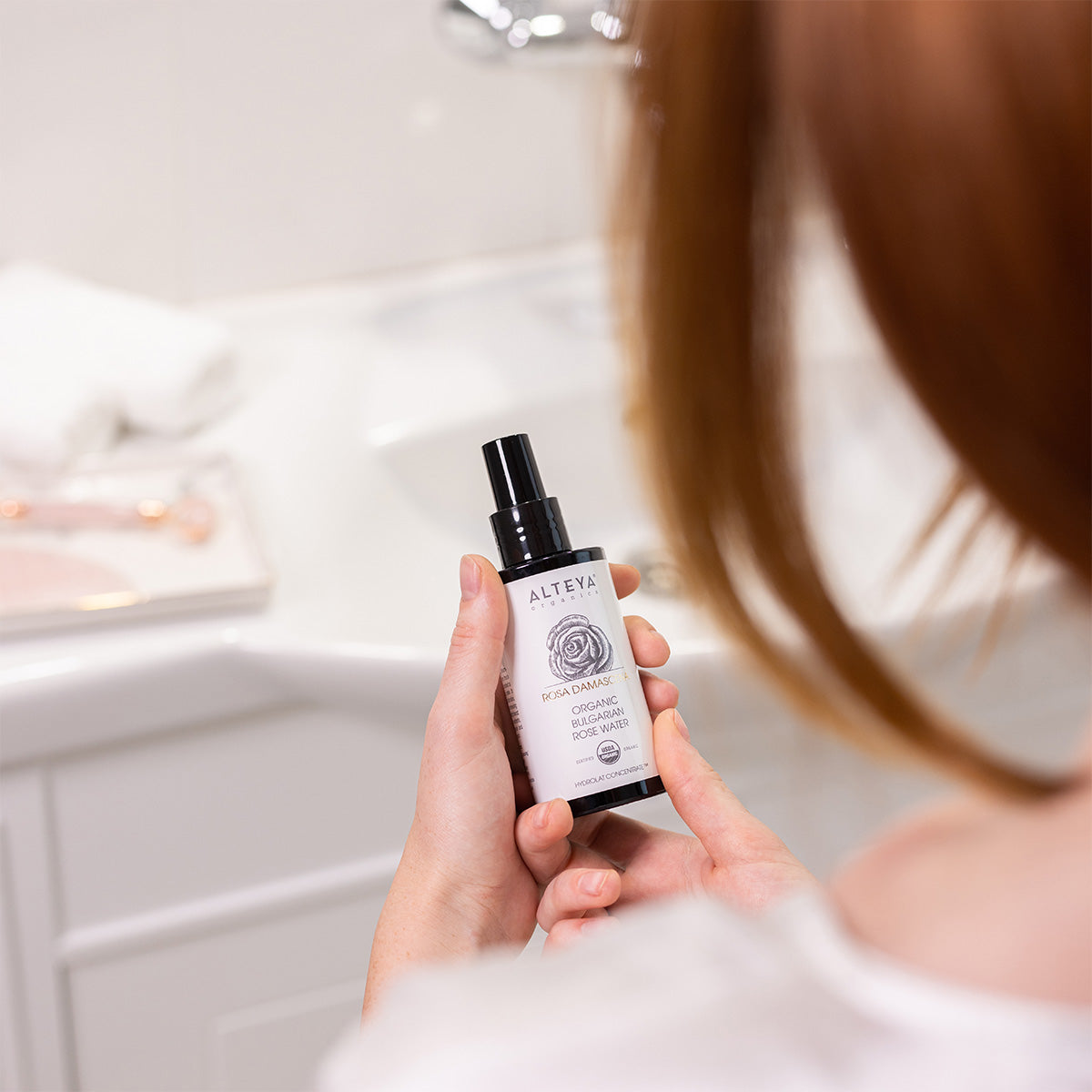
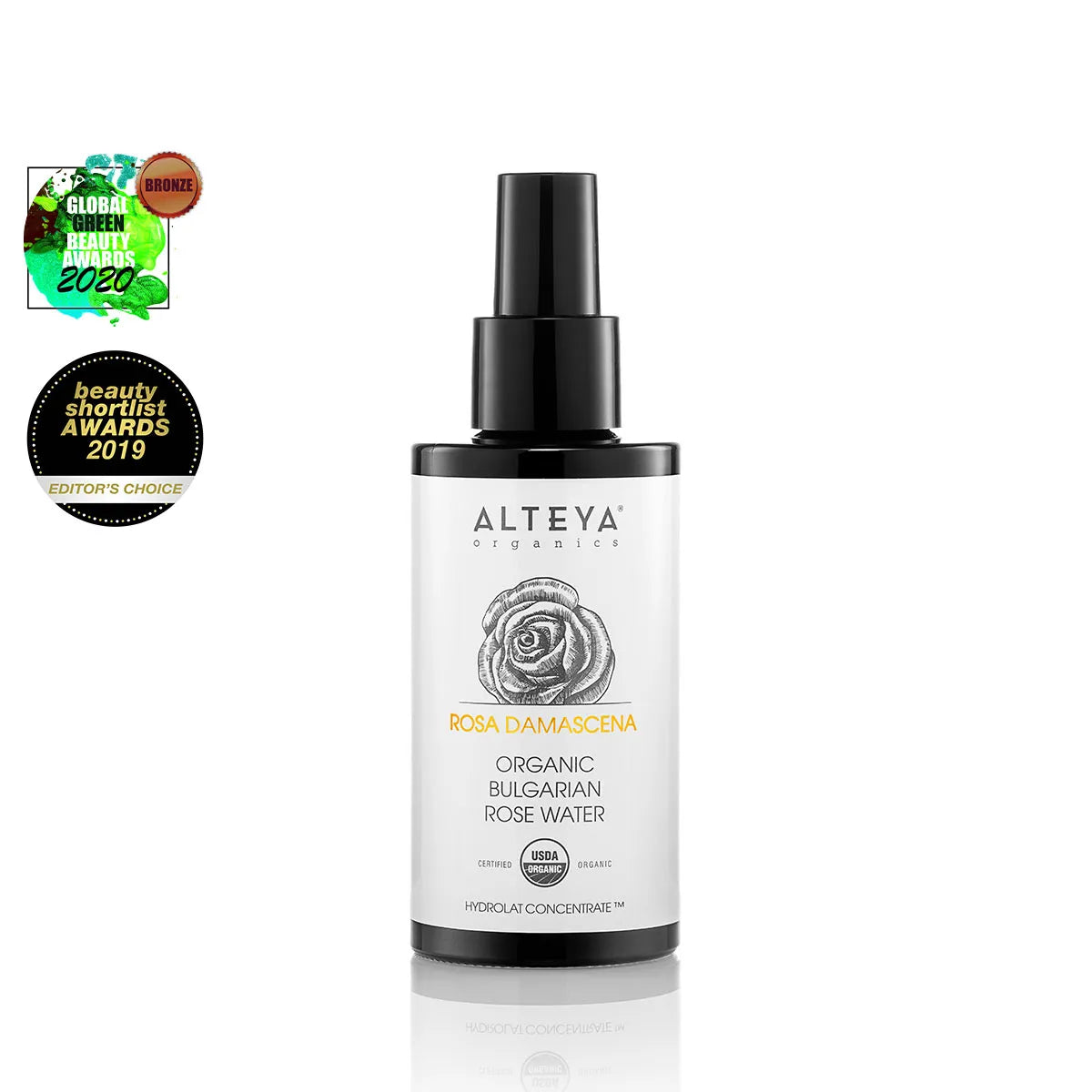
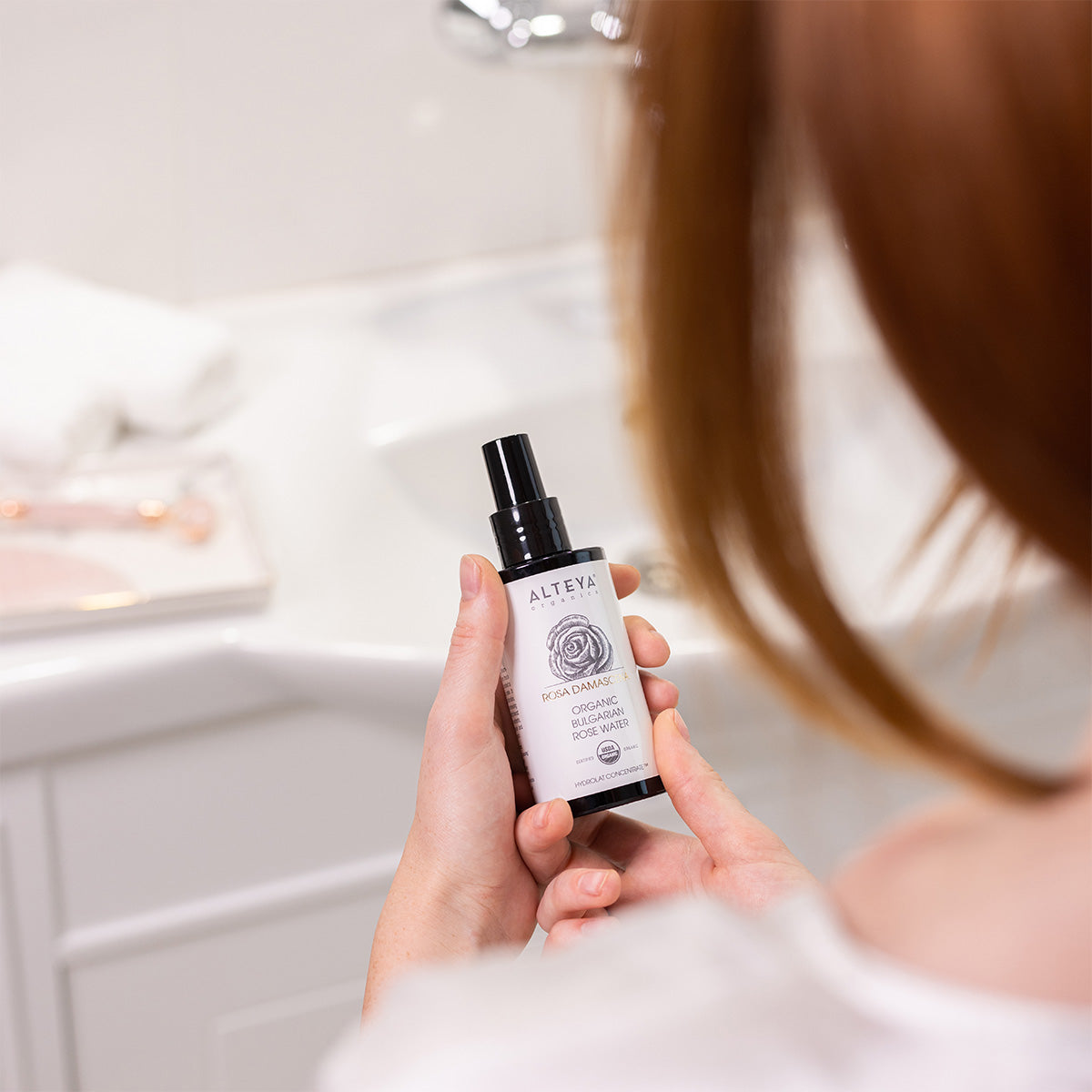
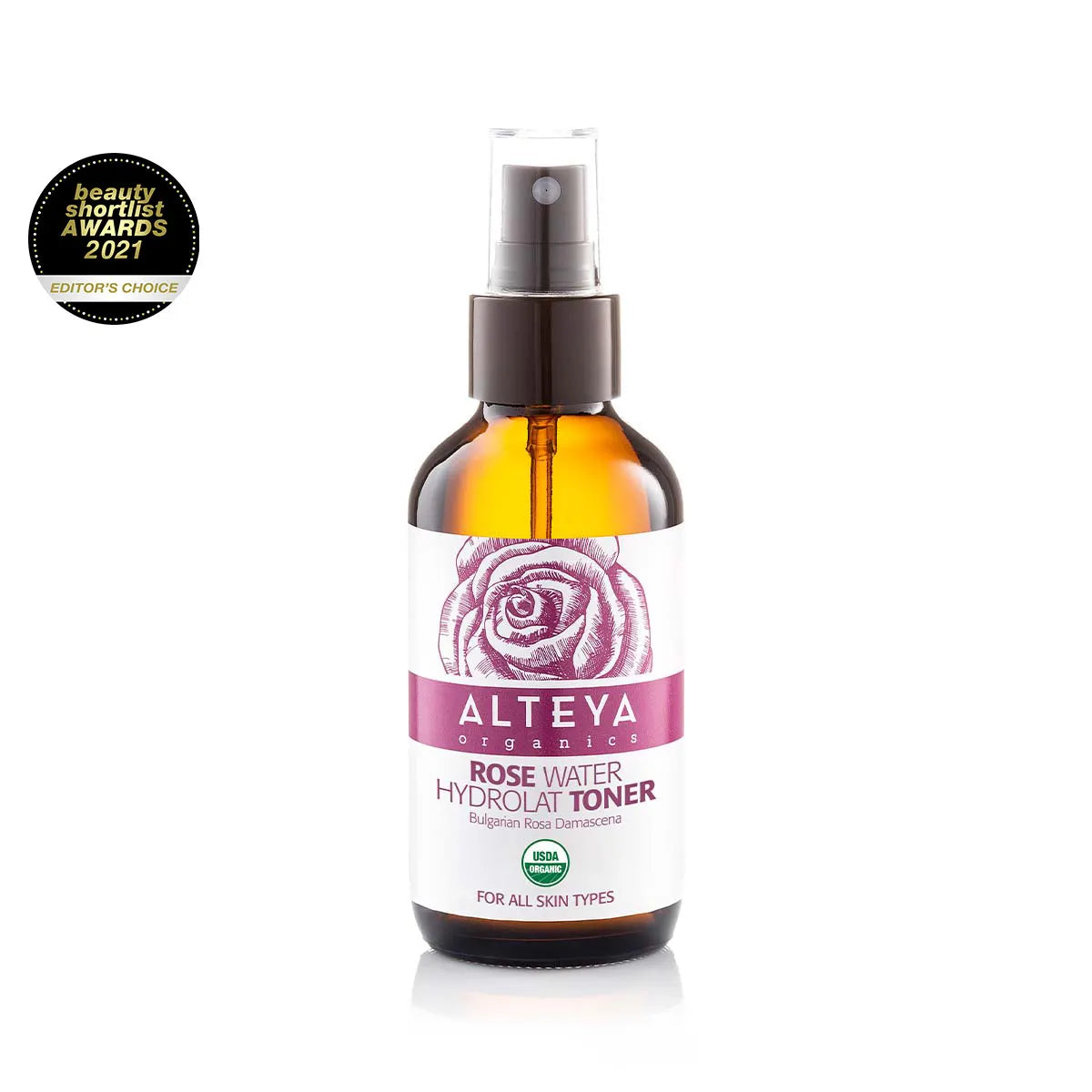
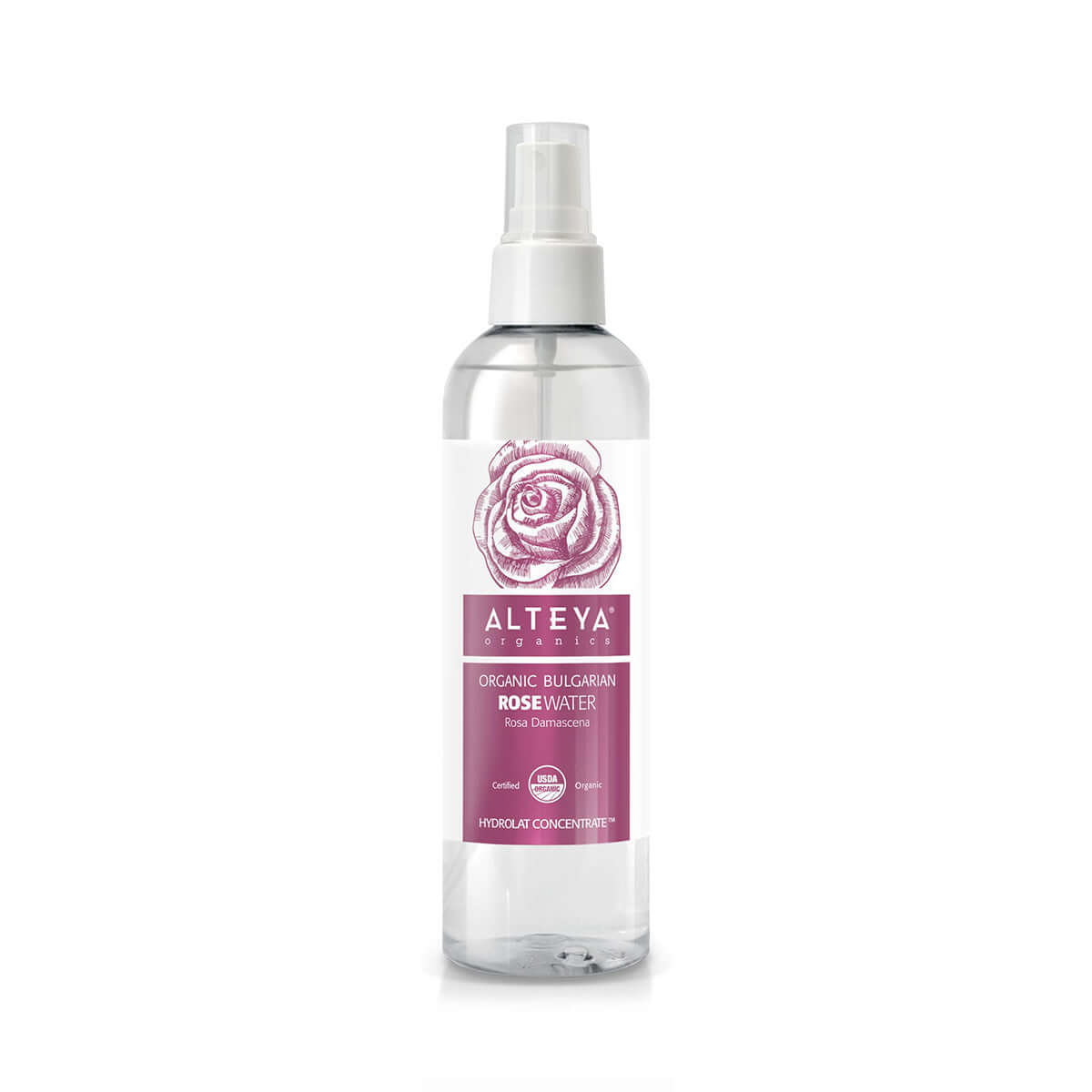
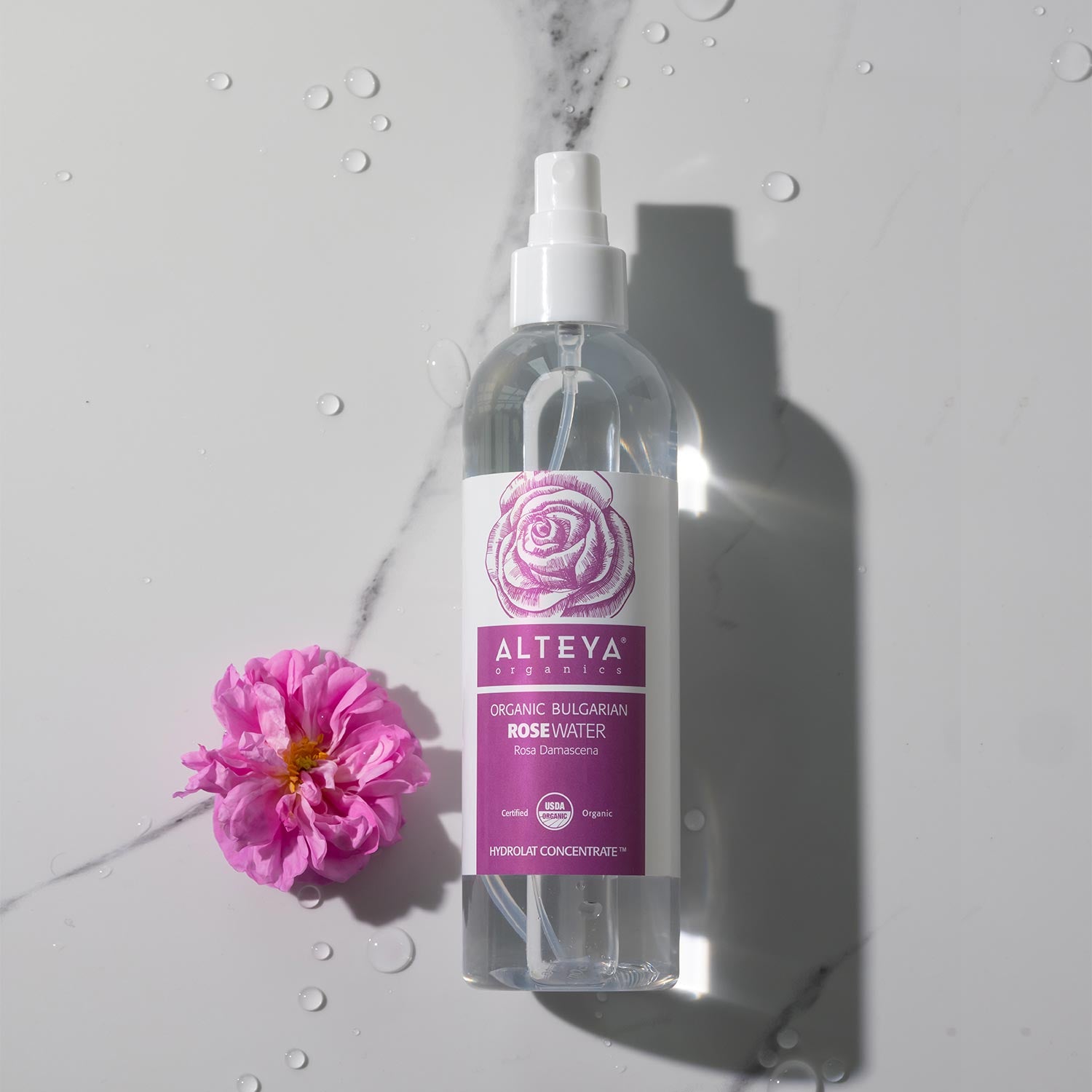
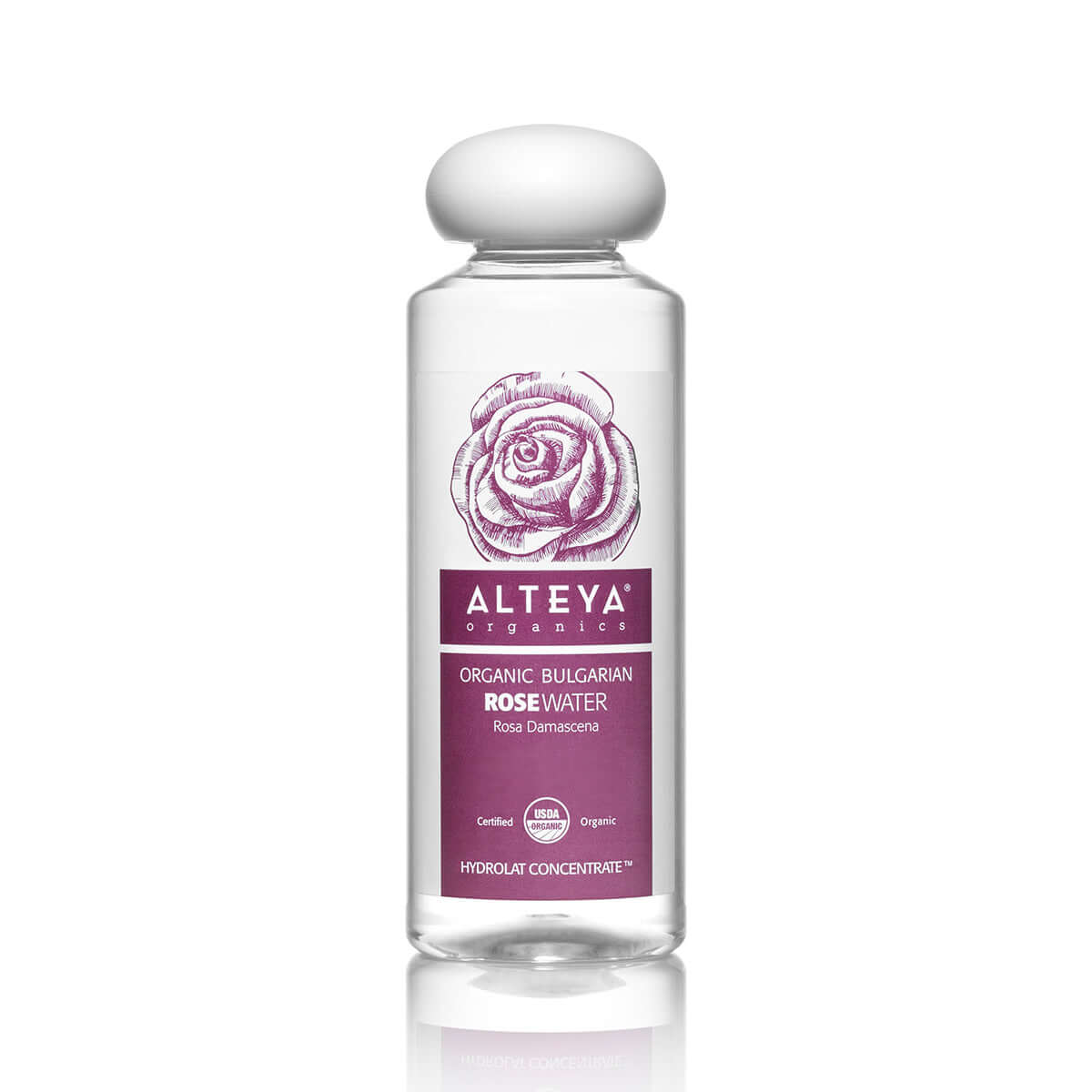
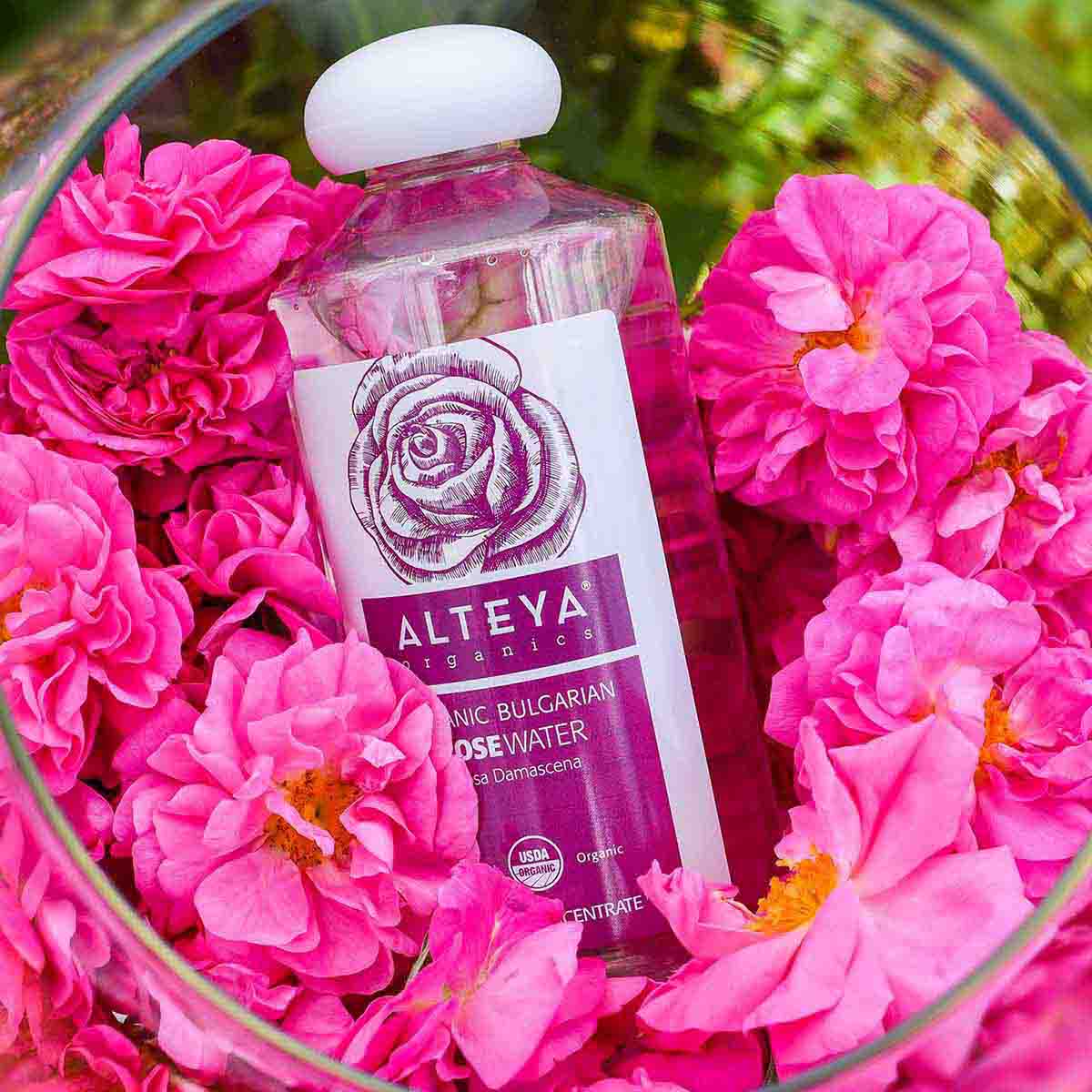
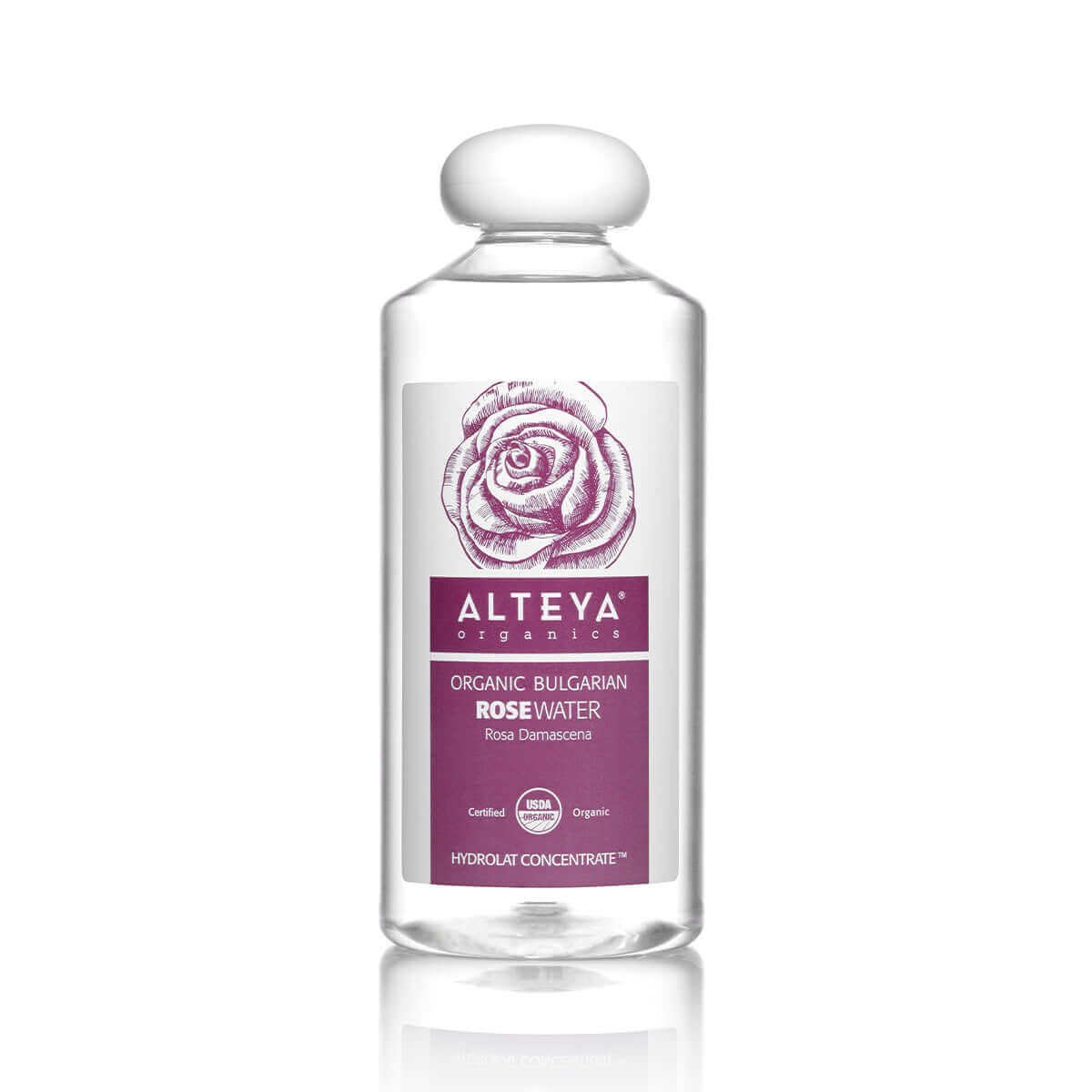
Rose water can be used in a summer skincare routine as a post-cleansing toner, a midday hydrating mist, a makeup-setting spray, and a pre-moisturizer prep step — making it one of the most versatile single ingredients for managing the specific hydration and pH challenges that hot weather creates for skin. Steam-distilled from Rosa Damascena, rose water's naturally occurring phenylethanol and flavonoid content provide gentle antioxidant and calming benefits, while its mildly acidic pH helps restore the skin's surface balance after sweating, swimming, or sun exposure. Alteya Organics, a Bulgarian family-owned brand certified to USDA Organic and NATRUE standards, steam-distills its Organic Bulgarian Rose Water from Rosa Damascena grown on its own certified organic fields in the Rose Valley — producing a single-ingredient hydrosol suited to the frequent, repeated application that summer skincare often requires.
Why Is Rose Water Especially Useful in Summer?
Rose waters is especially useful in summer because it addresses three specific seasonal skin challenges simultaneously: surface dehydration from heat and air conditioning, pH disruption from sweat and sun exposure, and the need for a lightweight hydration option that does not feel heavy or occlusive in warm weather.
Unlike heavier creams or oils, which can feel uncomfortably rich during hot, humid conditions, rose water delivers hydration and antioxidant benefit in an ultra-lightweight, fast-absorbing form. Its mildly acidic pH — typically between 4.0 and 5.0 — closely matches the skin's natural acid mantle, making it effective at restoring pH balance after the skin's surface has been disrupted by sweat (which is naturally more alkaline) or by extended water exposure during swimming.
Rose water's versatility also matters specifically in summer because routines often need to flex throughout a longer, more active day — covering everything from a pre-dawn workout to beach time to an evening event — in a way that a single rich moisturizer applied once in the morning cannot accommodate.
Sweat has a naturally higher pH than the skin's resting surface pH of approximately 4.5 to 5.5, meaning prolonged sweating during summer heat or exercise can temporarily push skin pH upward. Restoring this balance with a mildly acidic hydrosol like rose water supports the skin's natural antimicrobial defenses, which function optimally within its normal acidic range.
















Leave a comment
This site is protected by hCaptcha and the hCaptcha Privacy Policy and Terms of Service apply.