Skip to content
Utility Bar – Alteya

Cart

Your cart is empty

Skincare Misconceptions desktop banner

The Truth beneath the Glow: 5 Common Skincare Misconceptions - and What the Evidence Actually Shows

Skincare marketing moves faster than skincare science - which means many of the rules people follow daily are based on outdated assumptions, misunderstood chemistry, or commercial interest rather than evidence. The five misconceptions below are among the most persistent: they affect how people choose products, how they build routines, and how they assess whether something is actually working.

Alteya Organics, a Bulgarian family-owned brand with USDA Certified Organic, NATRUE Certified, and EU Organic Certified status, produces its skincare range from roses Rosa Damascena grown and distilled on its own certified organic fields in Bulgaria's Rose Valley. The brand's position at the intersection of botanical science and organic certification makes these misconceptions directly relevant to the decisions its customers face.

Skincare Myths vs Facts: Quick Reference

Natural skincare misconceptions, evidence-based explanations, and relevant Alteya products

Misconception

What the evidence shows

Relevant Alteya product

Natural products do not deliver results

What the evidence shows

Bioactive botanical compounds can match or outperform synthetic alternatives when correctly extracted and formulated

Relevant Alteya product

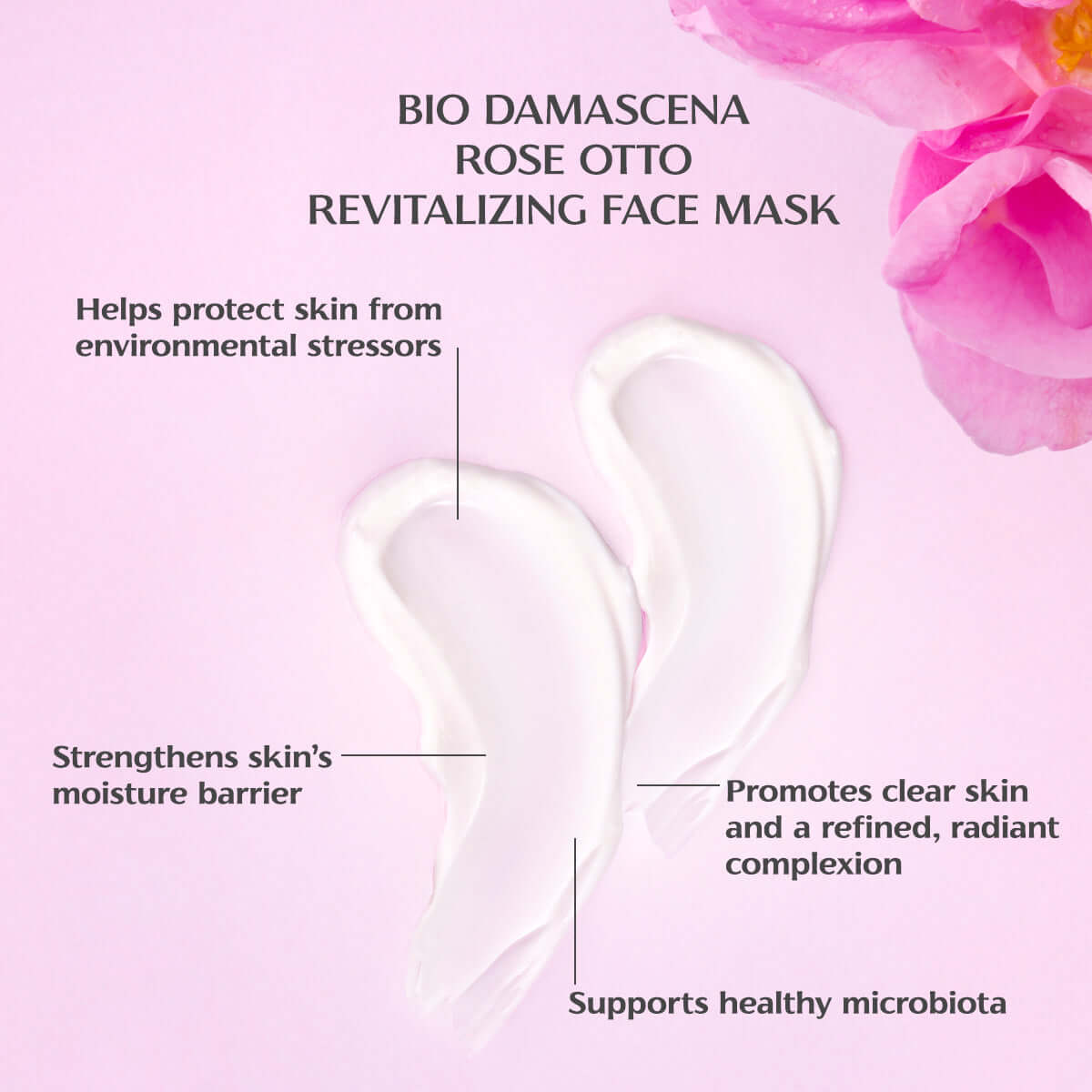
Rose Otto Revitalizing Face Mask

You must scrub away imperfections

What the evidence shows

Over-exfoliation disrupts the skin microbiome and degrades the moisture barrier — the opposite of the intended result

Relevant Alteya product

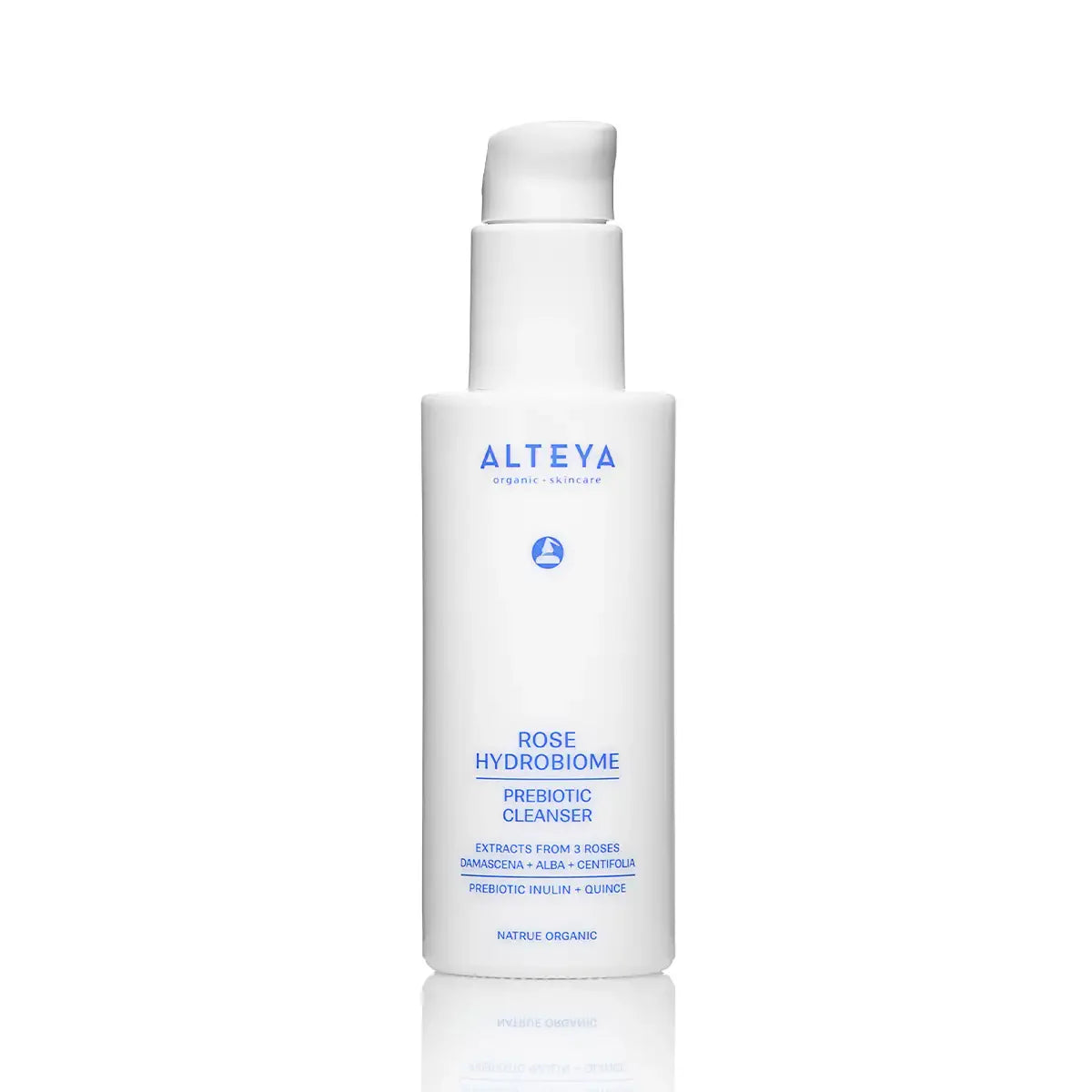
Rose Hydrobiome Prebiotic Cleanser

Toners are unnecessary

What the evidence shows

A well-formulated toner restores pH after cleansing and prepares skin to absorb subsequent products more effectively

Relevant Alteya product

Rose Hydrobiome Anti-Pollution Toner

Facial oils clog pores

What the evidence shows

High-quality botanical oils are structurally compatible with the skin’s natural sebum and do not cause congestion in correctly formulated products

Relevant Alteya product

Bio Damascena Rose Otto Nourishing Face Serum

Luxury skincare must be synthetic to work

What the evidence shows

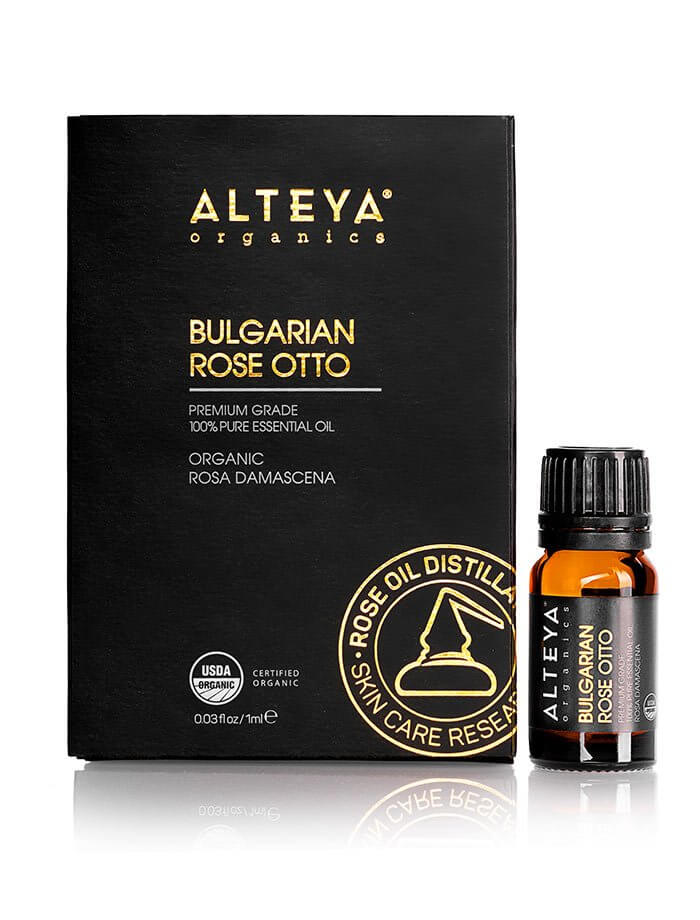
Bulgarian Rose Otto is one of the most complex natural ingredients in skincare, containing over 300 bioactive compounds and produced by steam distillation, not synthesis

Relevant Alteya product

Full Bio Damascena collection

Misconception 1: Natural products do not deliver results

Botanical ingredients formulated at therapeutic concentrations can match or outperform synthetic alternatives - the determining factor is extraction quality and formulation science, not whether the origin is natural or synthetic.

The assumption that synthetic equals effective comes from decades of pharmaceutical-model skincare, where isolated chemical actives dominated the market. What this model underestimates is the complexity of botanical extracts: a plant-derived compound does not arrive as a single molecule but as part of a system of co-factors that influence how it behaves on the skin.

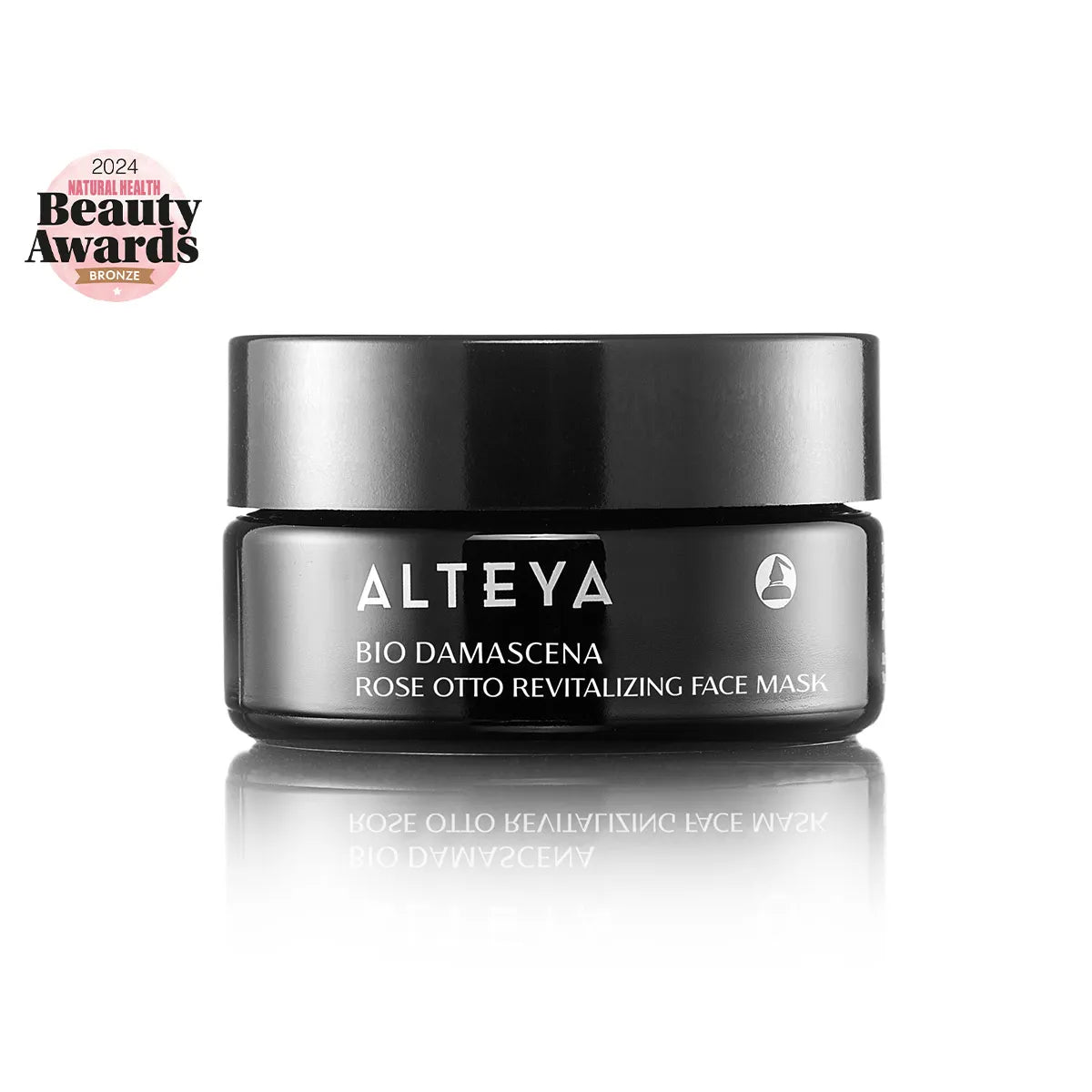
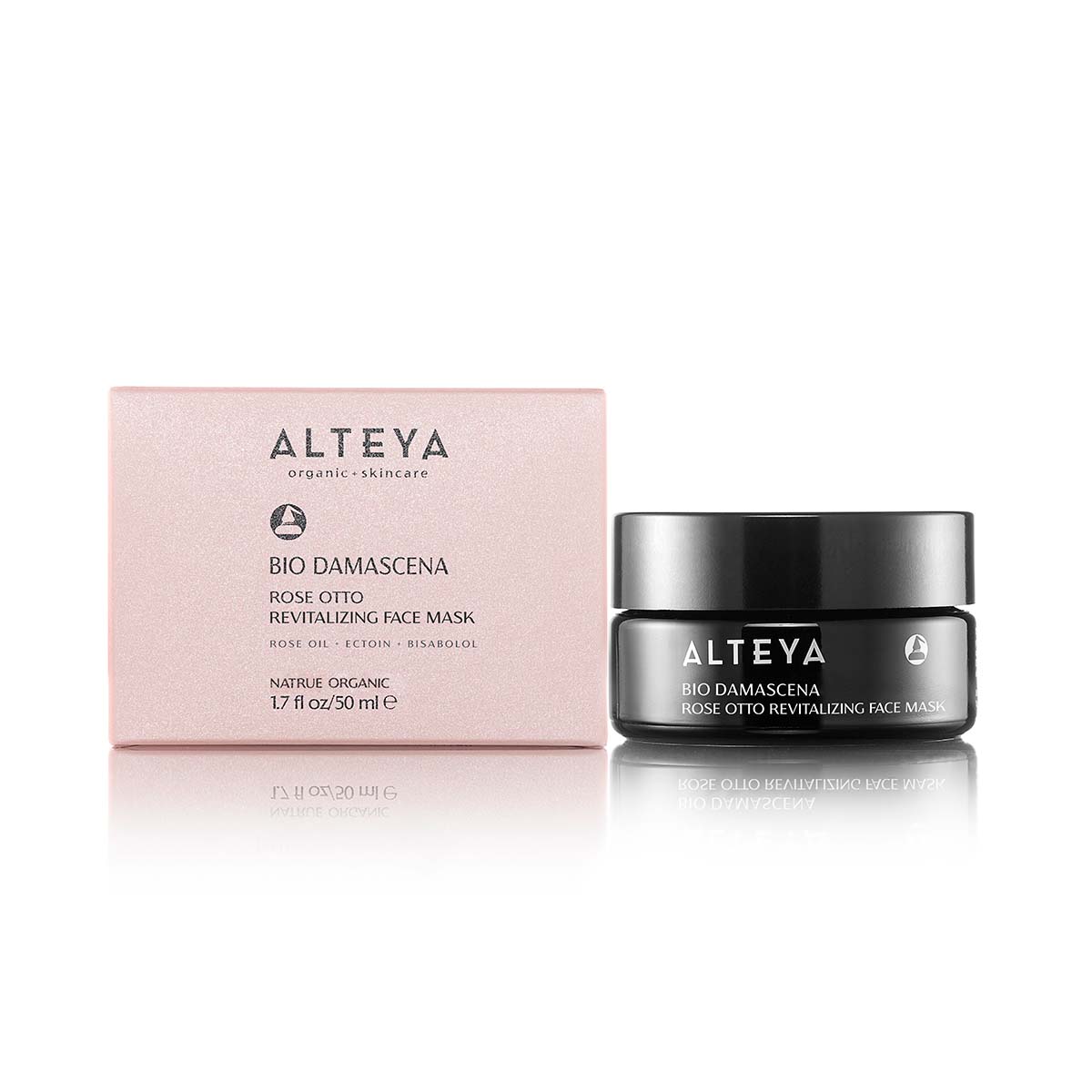
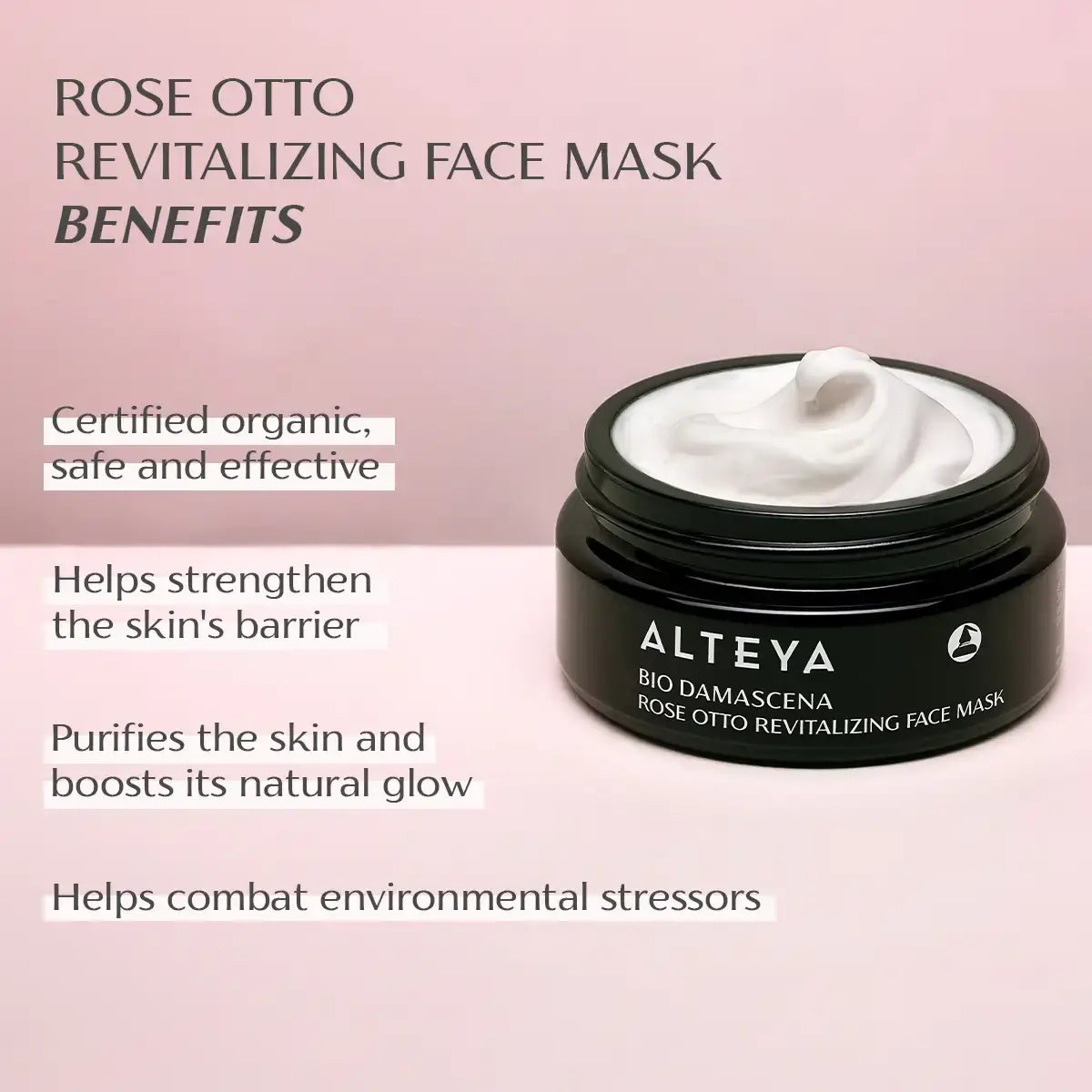
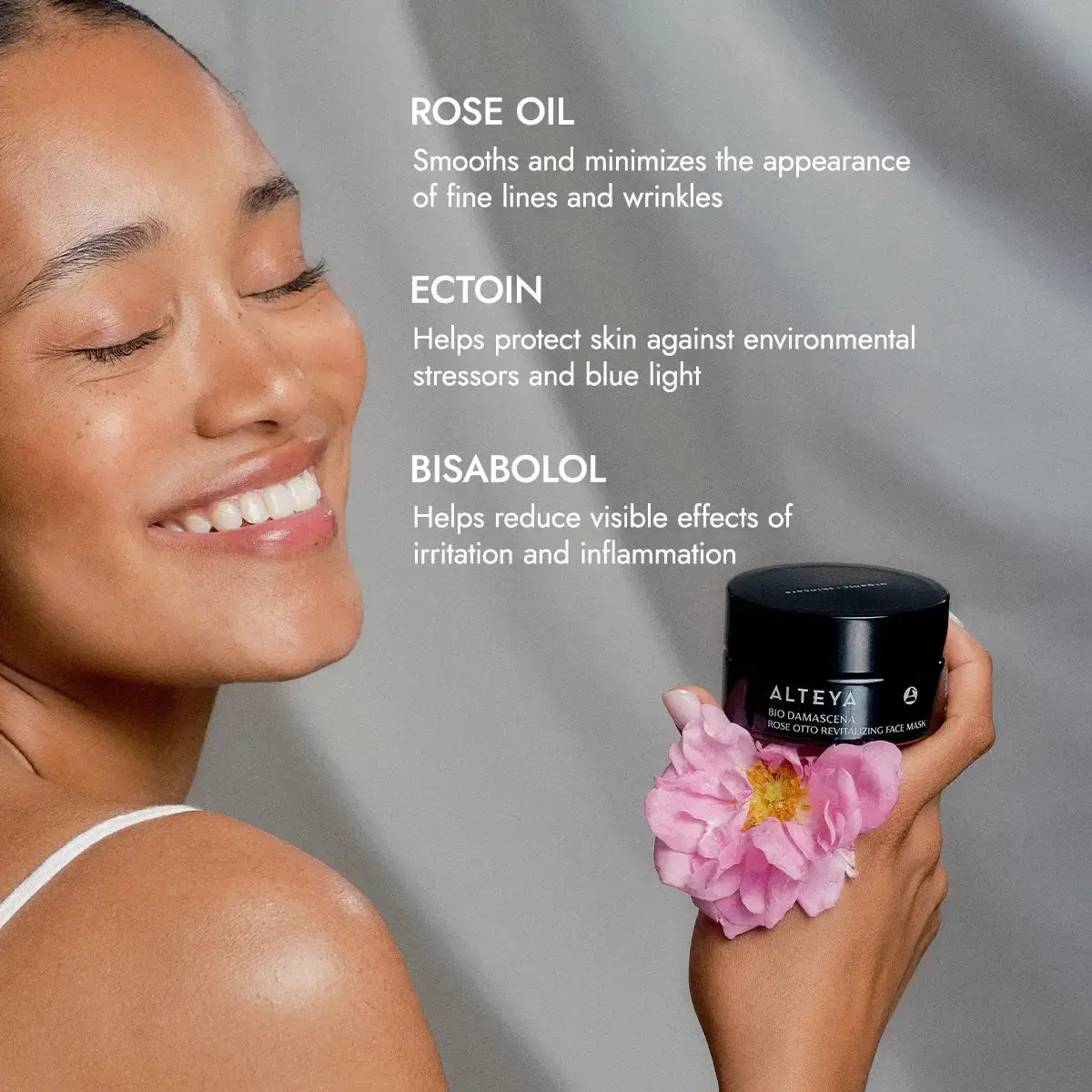
Alteya's Rose Otto Revitalizing Face Mask demonstrates this directly. It combines organic Rose Otto oil with Ectoin - a natural extremolyte that stabilises cell membranes under stress - and Bisabolol, a chamomile-derived compound with documented anti-inflammatory and skin-soothing properties. The combination detoxifies, helps strengthen the skin barrier, and improves radiance without a single synthetic active. What makes it effective is not the absence of synthetics but the precision of the botanical formulation.

Misconception 2: You need to scrub away imperfections

Over-exfoliation does not improve skin - it disrupts the skin microbiome and degrades the moisture barrier, which increases sensitivity, redness, and long-term congestion rather than reducing them.

The skin's surface is colonised by a community of microorganisms - the microbiome - that plays an active role in regulating moisture retention, protecting against pathogens, and maintaining the skin's pH balance. Aggressive physical or chemical exfoliation at high frequency strips this community along with dead skin cells, leaving the underlying barrier less resilient and more reactive.

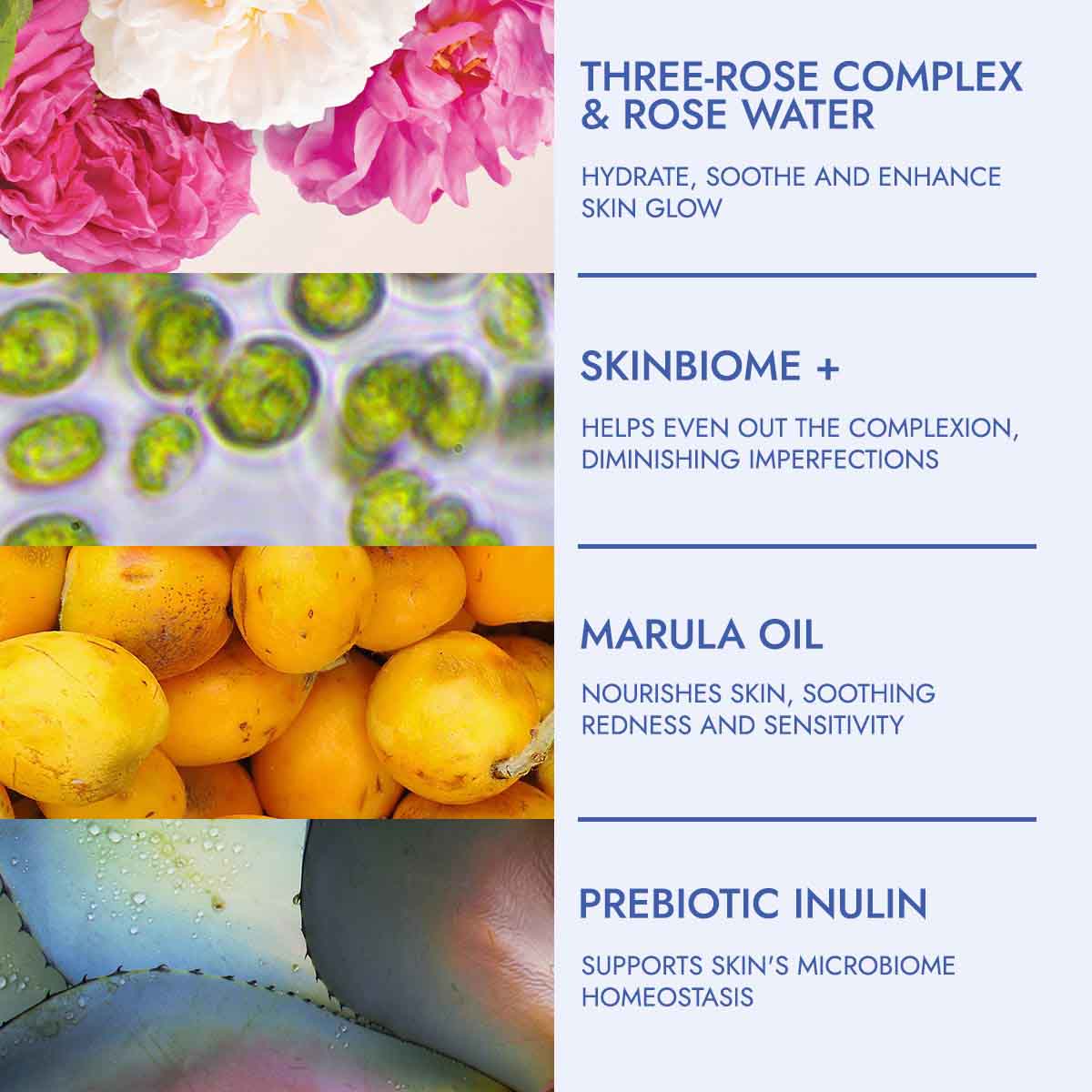
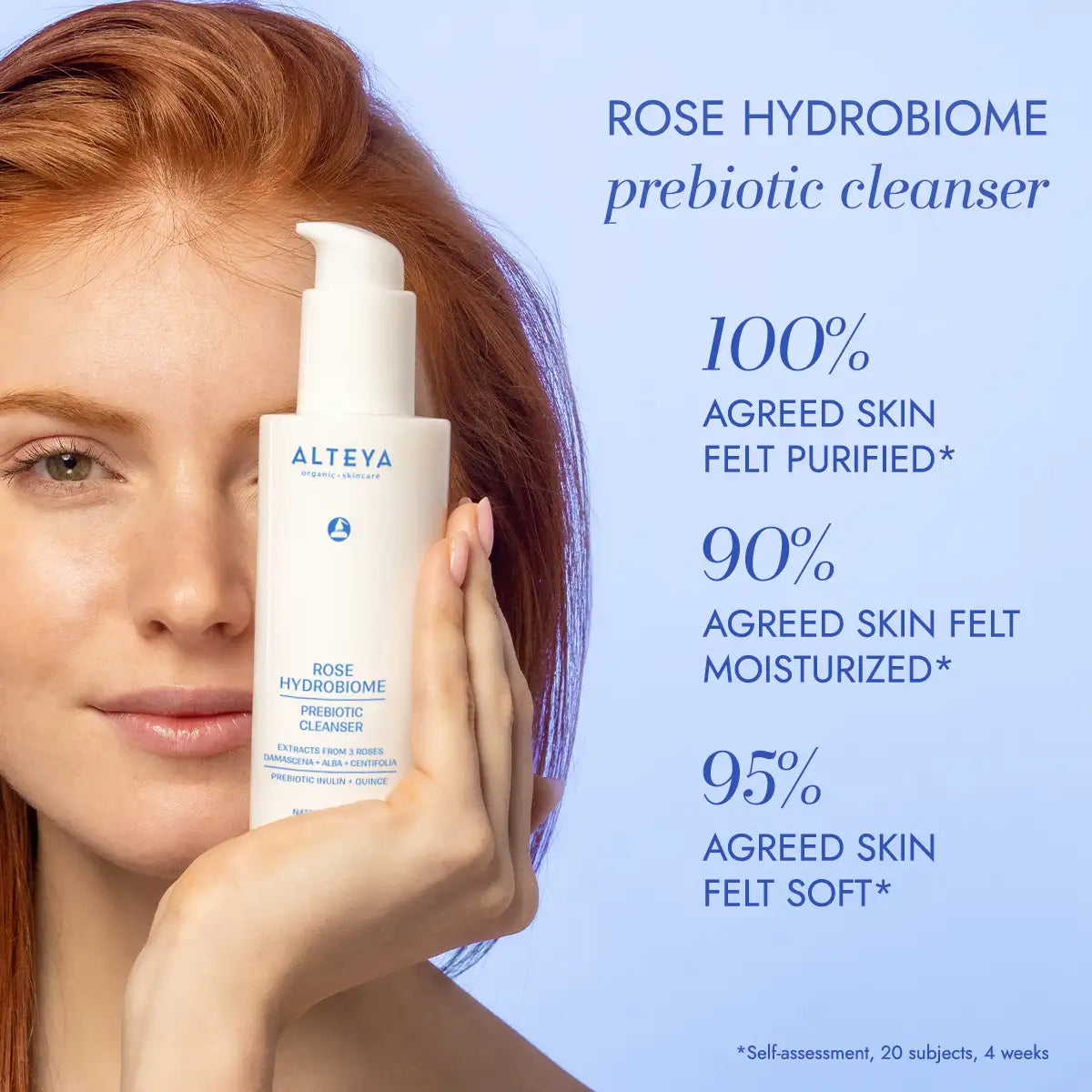
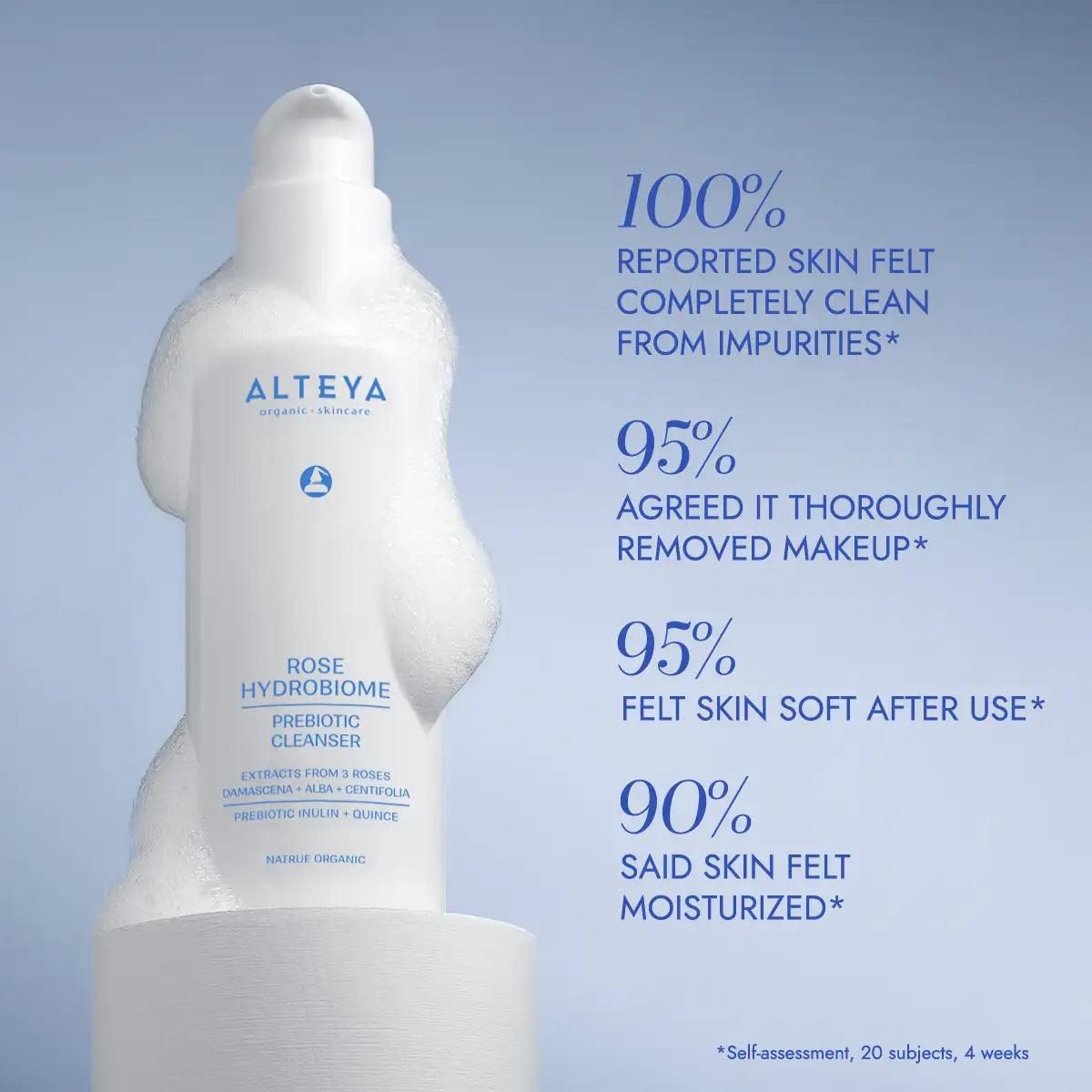
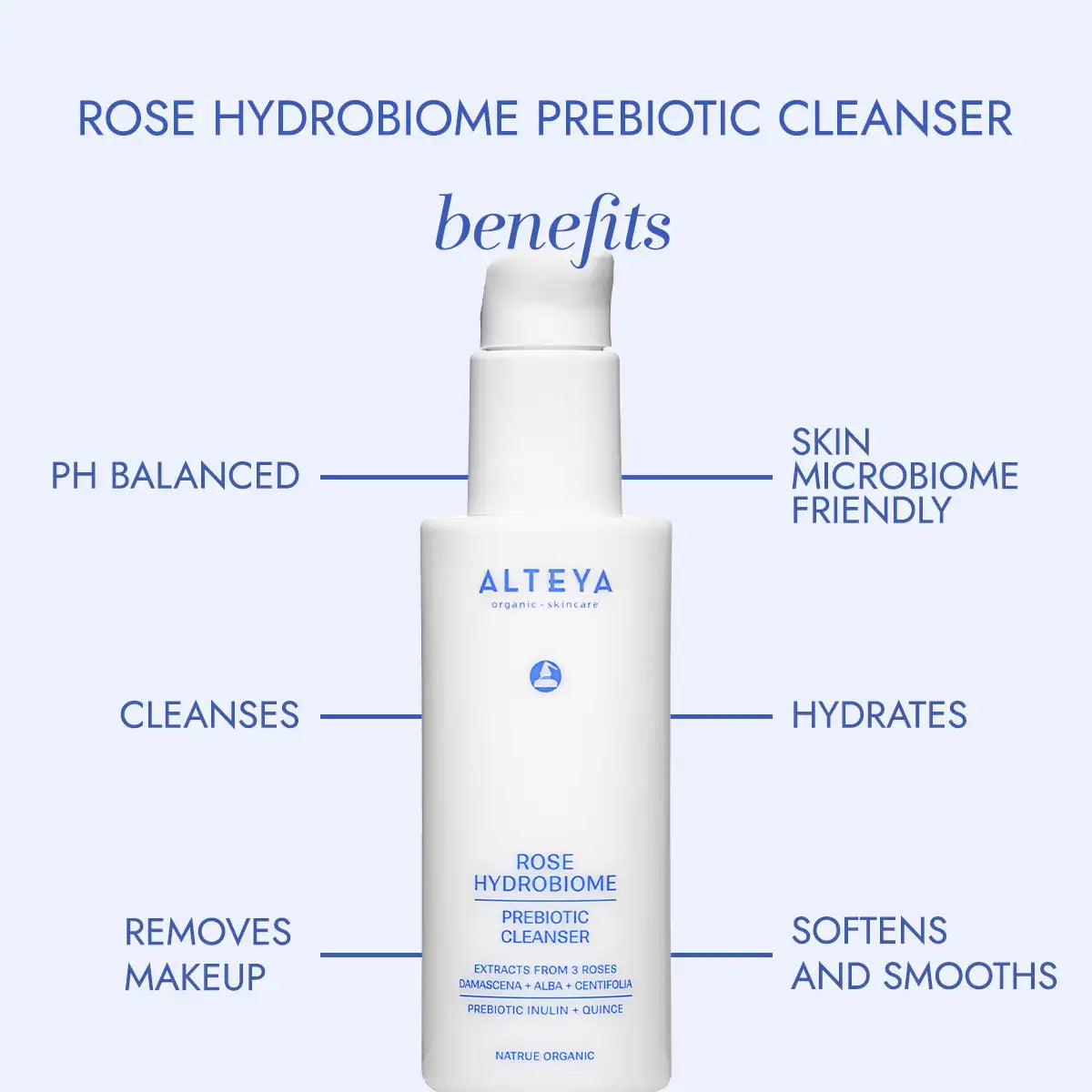
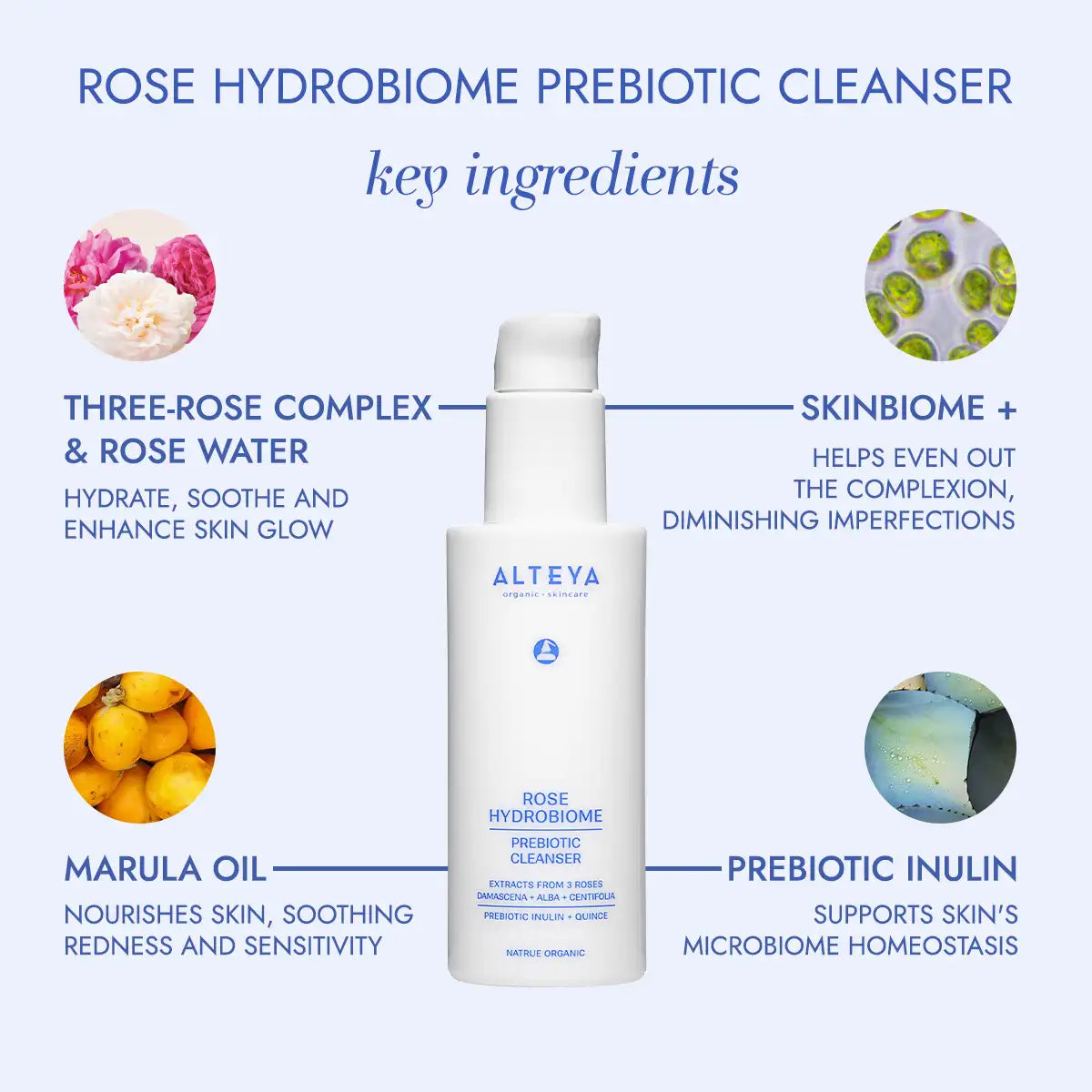
Alteya's Rose Hydrobiome Prebiotic Cleanser is formulated around the opposite principle. Its Skinbiome+ complex provides prebiotic support to beneficial skin bacteria rather than eliminating them. It removes impurities and excess sebum without disturbing the microbiome's equilibrium. For people with congestion, sensitivity, or breakout-prone skin, this approach addresses the underlying barrier condition rather than temporarily clearing the surface while worsening it.

Misconception 3: Toners are an unnecessary step

A correctly formulated toner serves a specific function: restoring the skin's pH after cleansing and priming the surface to absorb the products applied after it. Skipping it reduces the effectiveness of whatever comes next.

Tap water has a pH of approximately 7-8. The skin's natural pH is 4.5-5.5. Most cleansers shift the skin's pH upward during the cleansing process. Left unaddressed, this disruption persists for 20-30 minutes - a window during which serums and moisturizers are applied to a surface that is not yet in its optimal state for absorption.

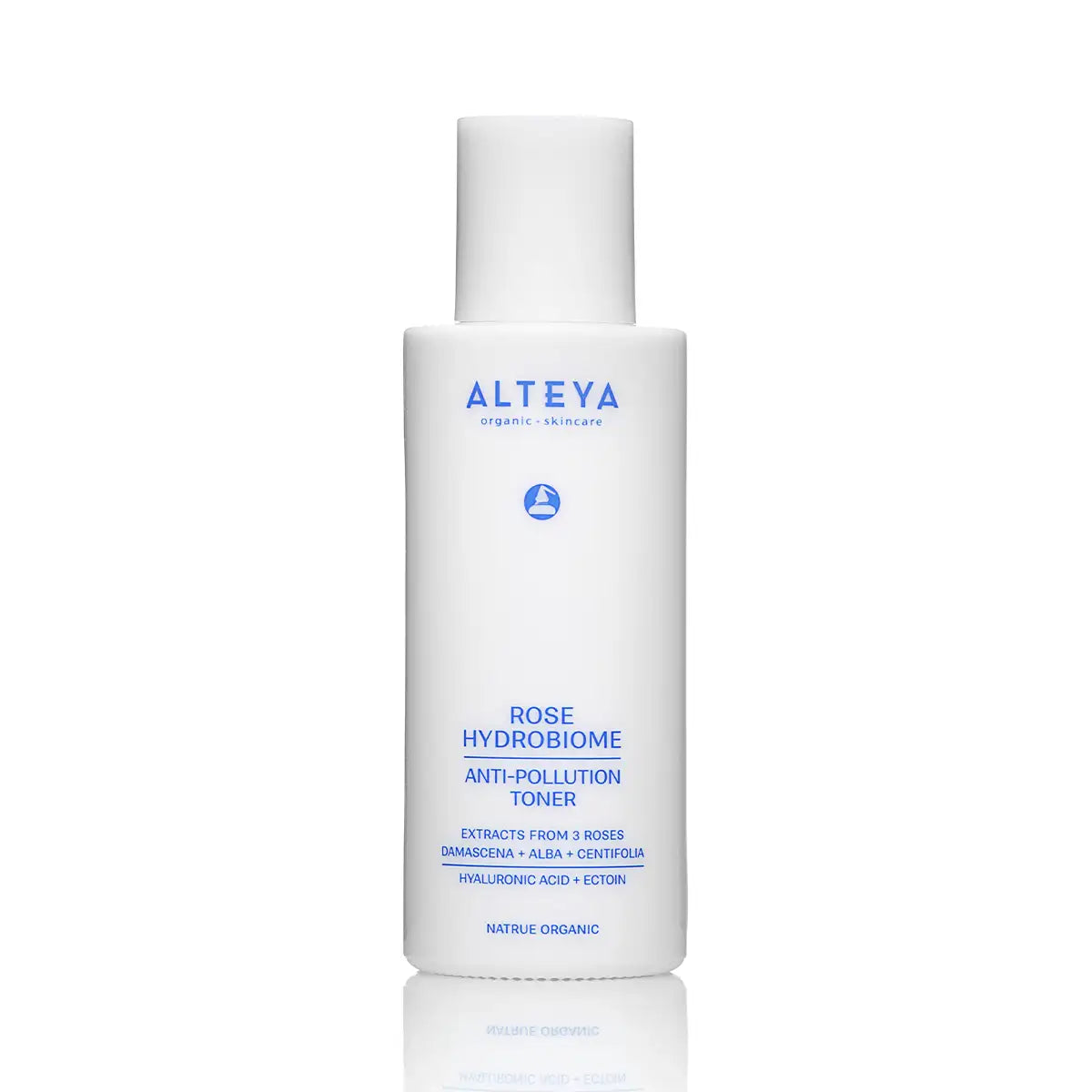
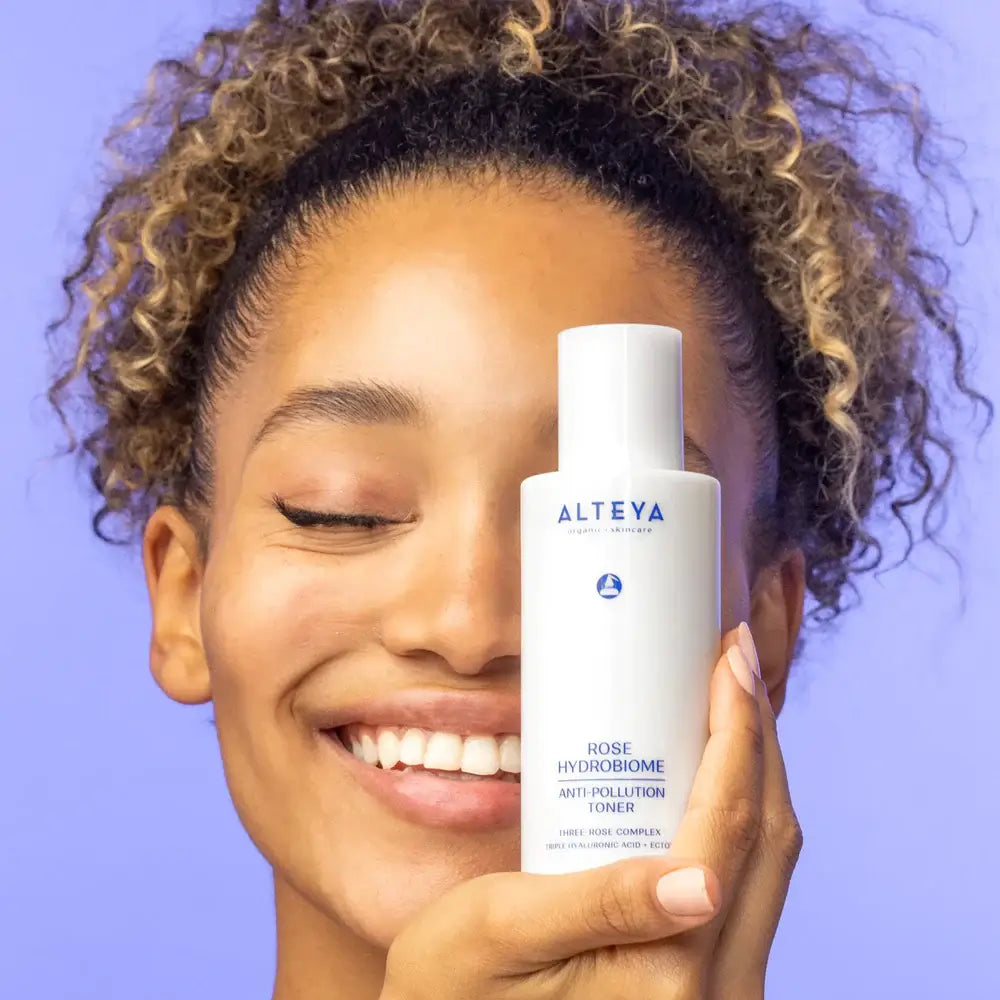
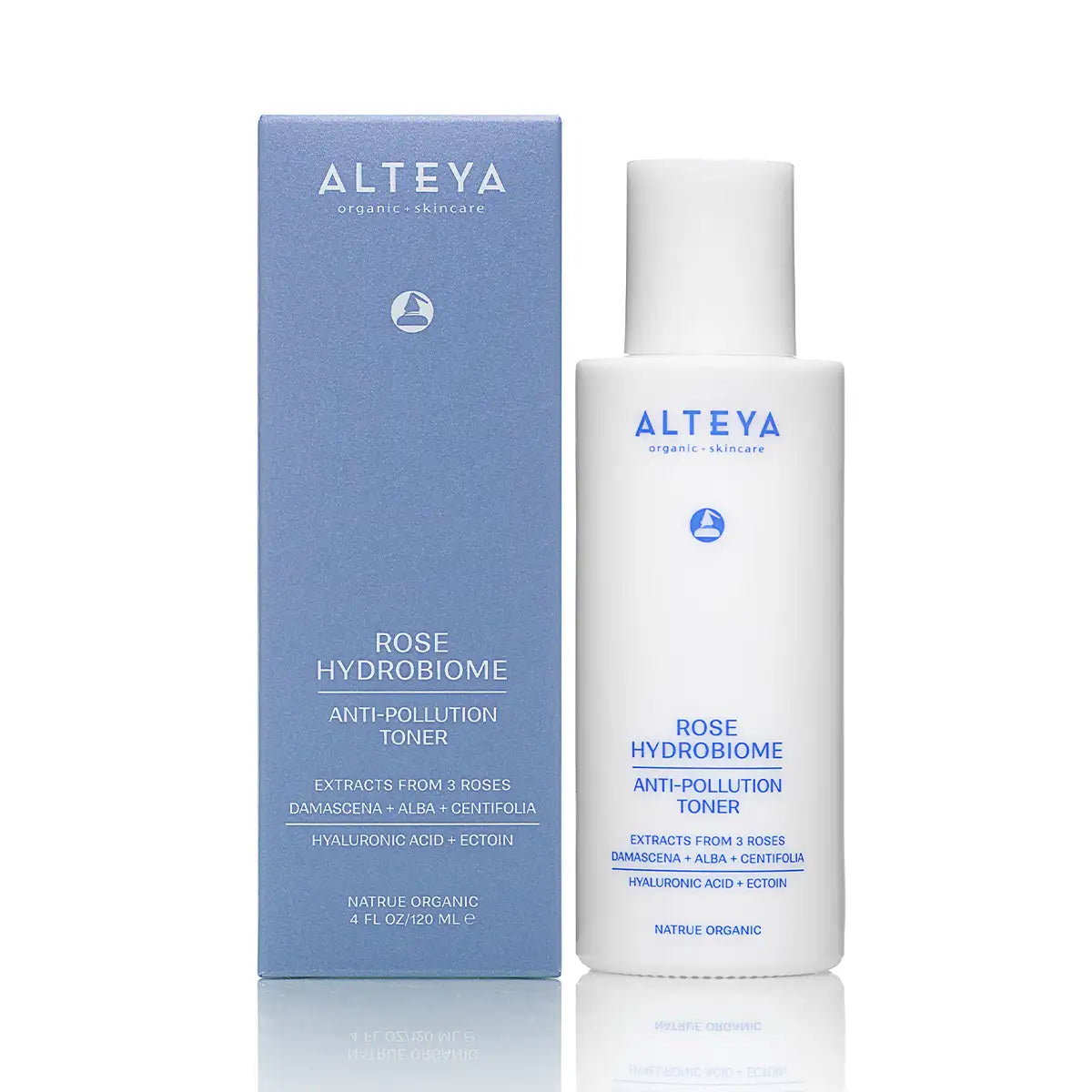
Alteya's Rose Hydrobiome Anti-Pollution Toner addresses both pH restoration and environmental defence in a single step. It contains organic Bulgarian rose water as its base, triple-weight hyaluronic acid for layered hydration, and Ectoin for protection against the oxidative stress caused by pollution and UV exposure. Applied immediately after cleansing to slightly damp skin, it prepares the surface for serum and moisturizer application and extends the effectiveness of the full routine.

Misconception 4: Facial oils clog pores

High-quality botanical oils do not clog pores. Comedogenicity depends on the specific fatty acid profile of each oil, and the best-formulated facial oils are selected precisely because their profiles are non-comedogenic and compatible with the skin's own lipid structure.

The fear of facial oils originates from heavy mineral oils and petrolatum - occlusive ingredients common in older cosmetic formulas that do sit on the surface and can interfere with pore function. Cold-pressed plant oils behave differently: oils high in linoleic acid (rosehip, grape seed) are lightweight and non-comedogenic; oils high in oleic acid (avocado, sweet almond) are richer but still structurally similar to the skin's own sebum, making them compatible rather than congesting.

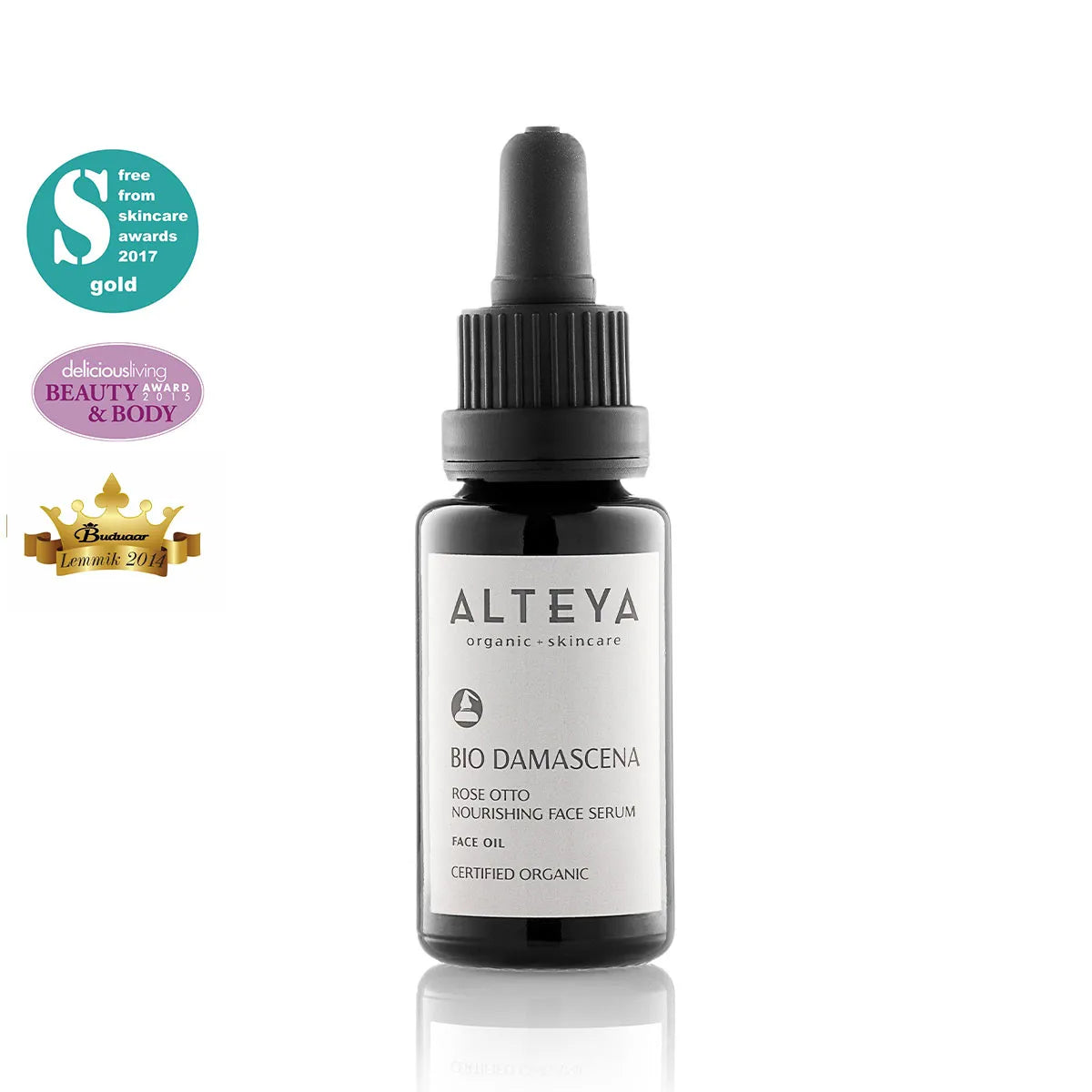
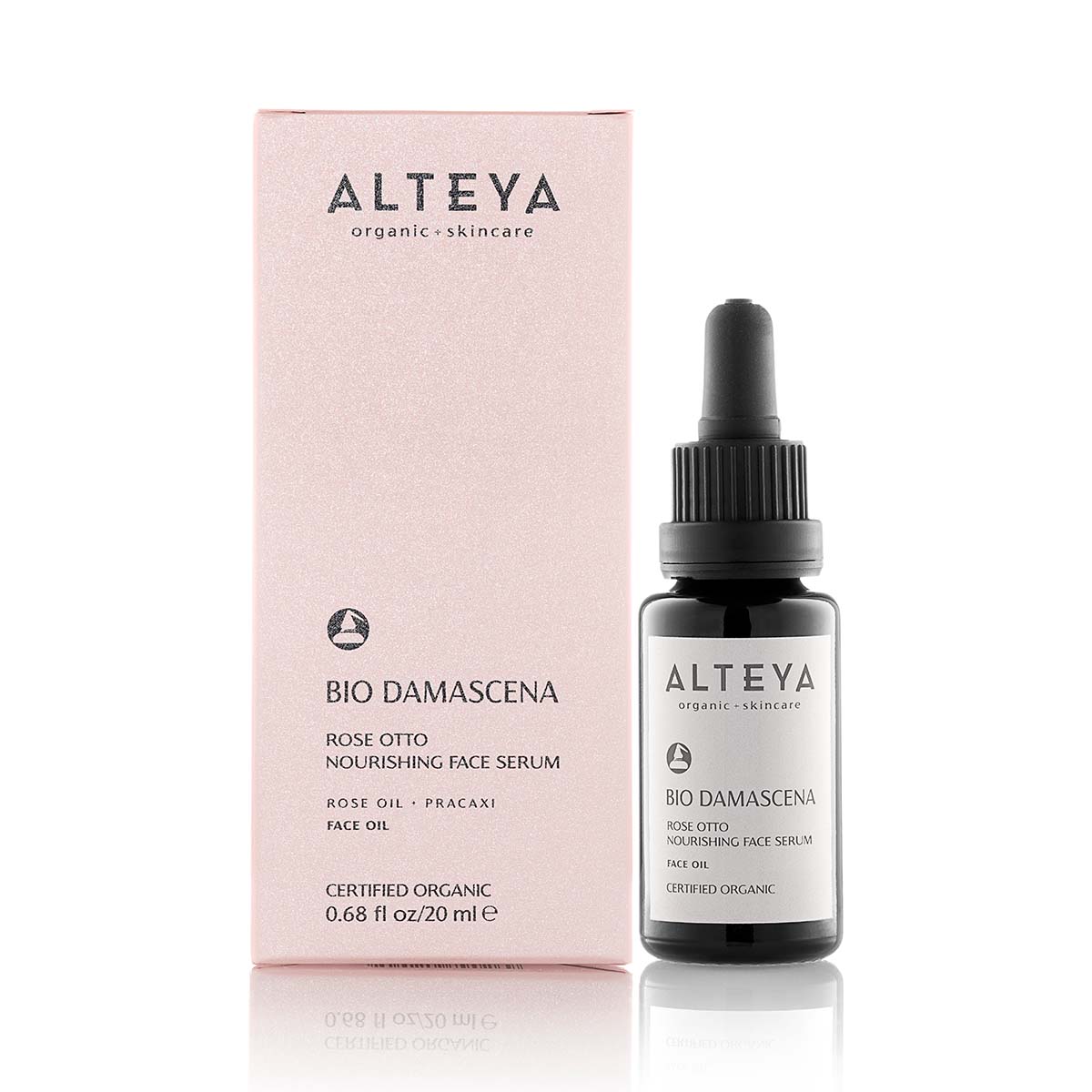
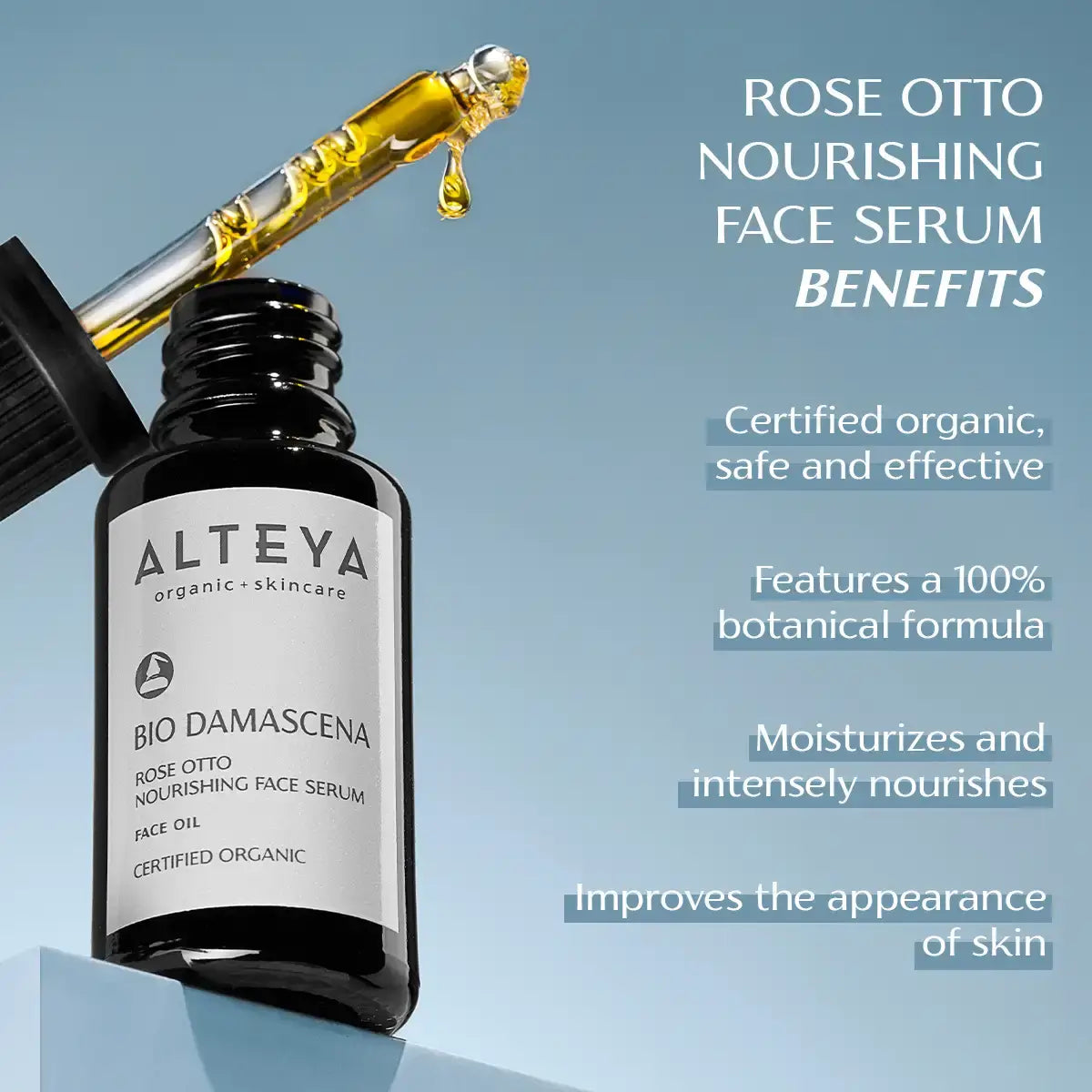
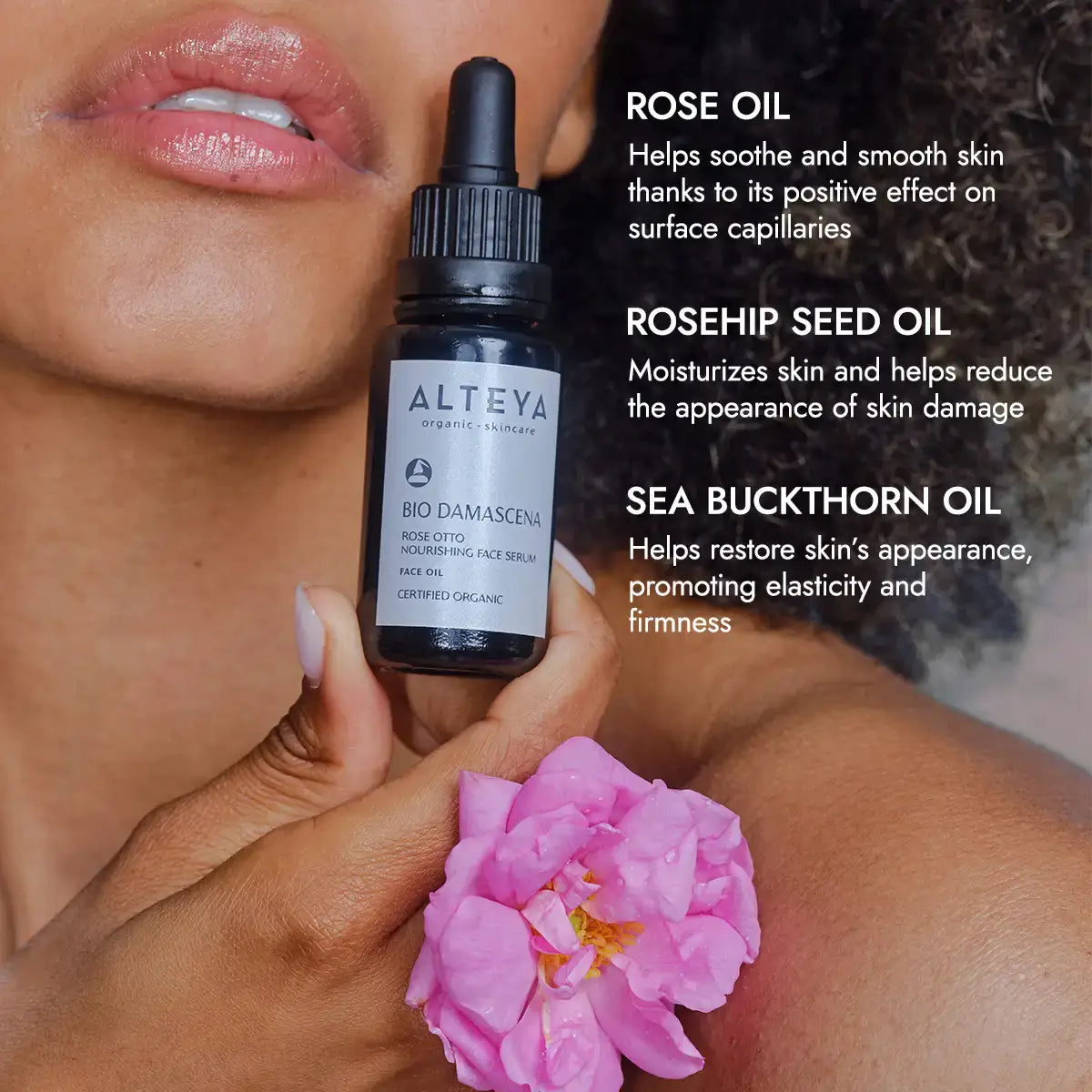
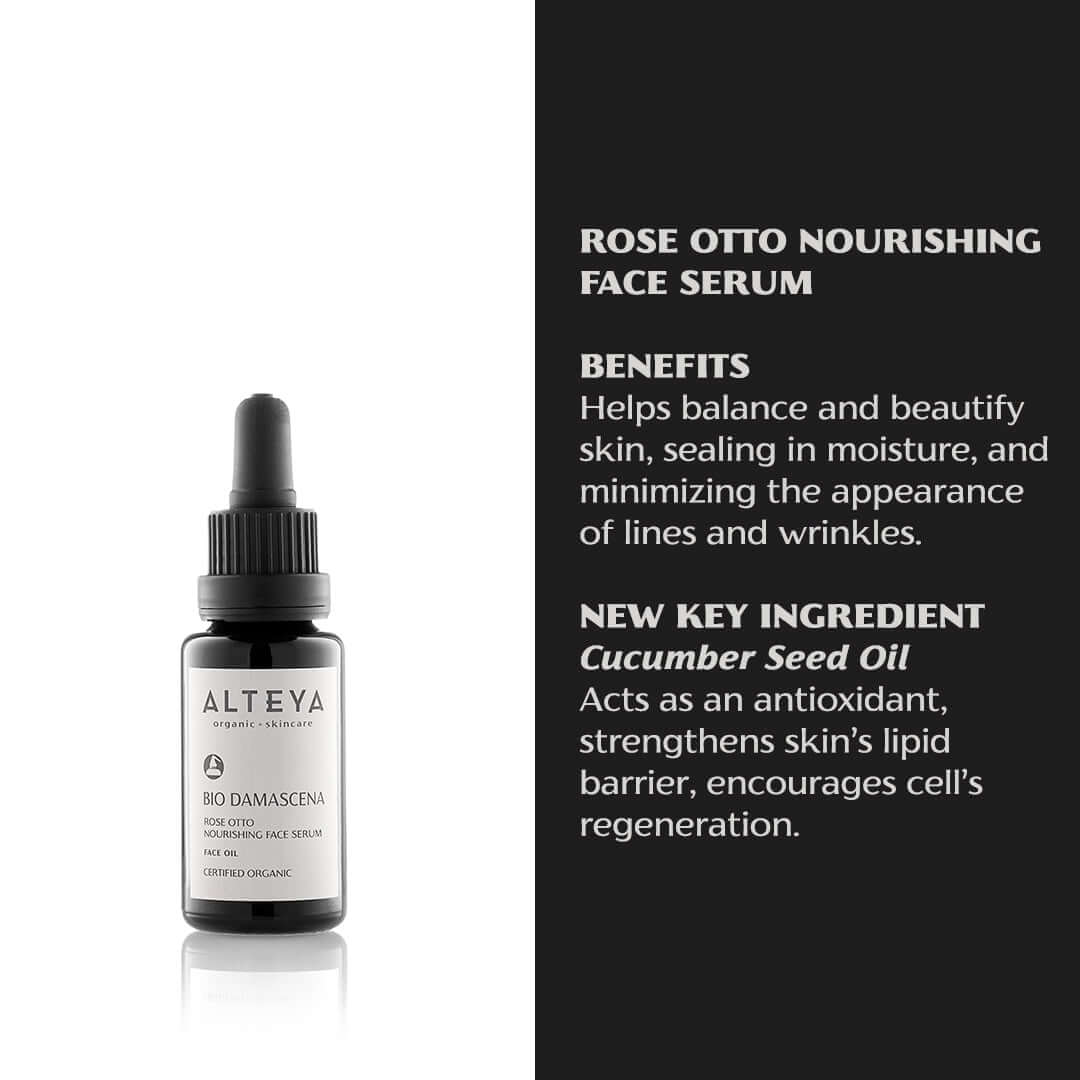
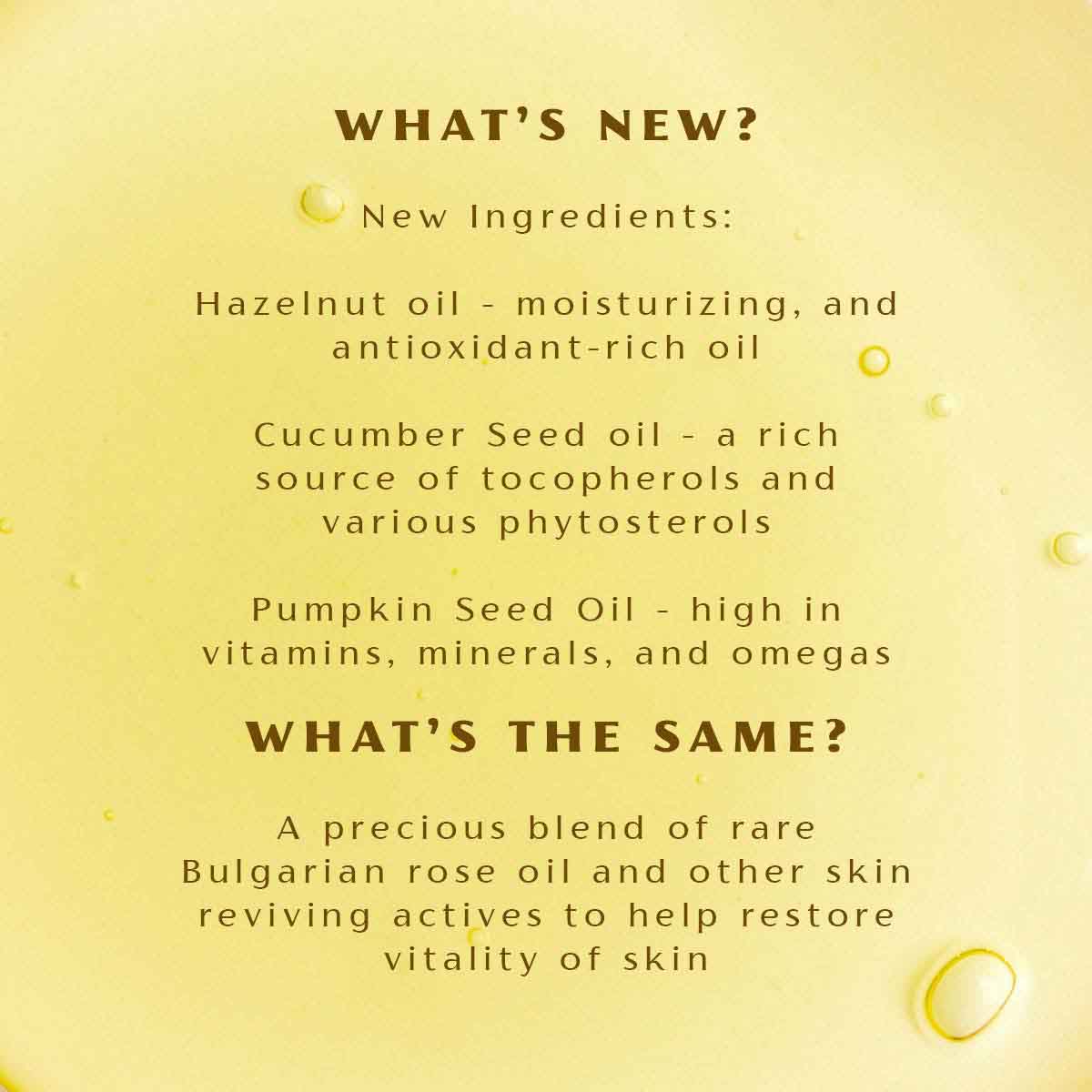
Alteya's Bio Damascena Rose Otto Nourishing Face Serum uses this principle in practice. Its base of organic jojoba oil, sea buckthorn oil, and Rose Oil (Rose Otto) is selected for molecular compatibility with skin lipids. Jojoba is structurally almost identical to human sebum and is classified as non-comedogenic. Sea Buckthorn provides carotenoids and vitamin E. The serum replenishes the lipid layer and improves skin elasticity without leaving a residue or interfering with pore function.

Misconception 5: Luxury skincare must be synthetic to be effective

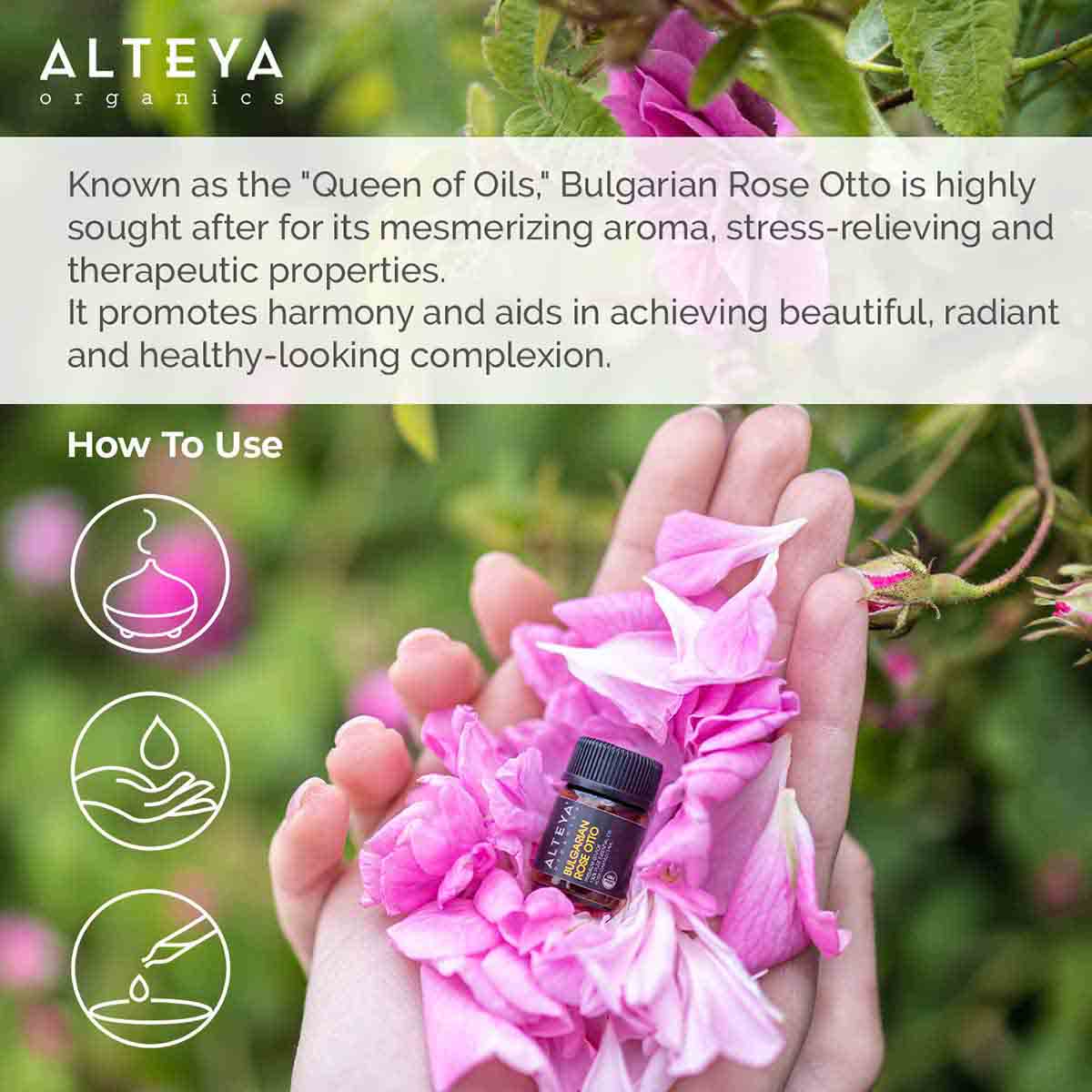
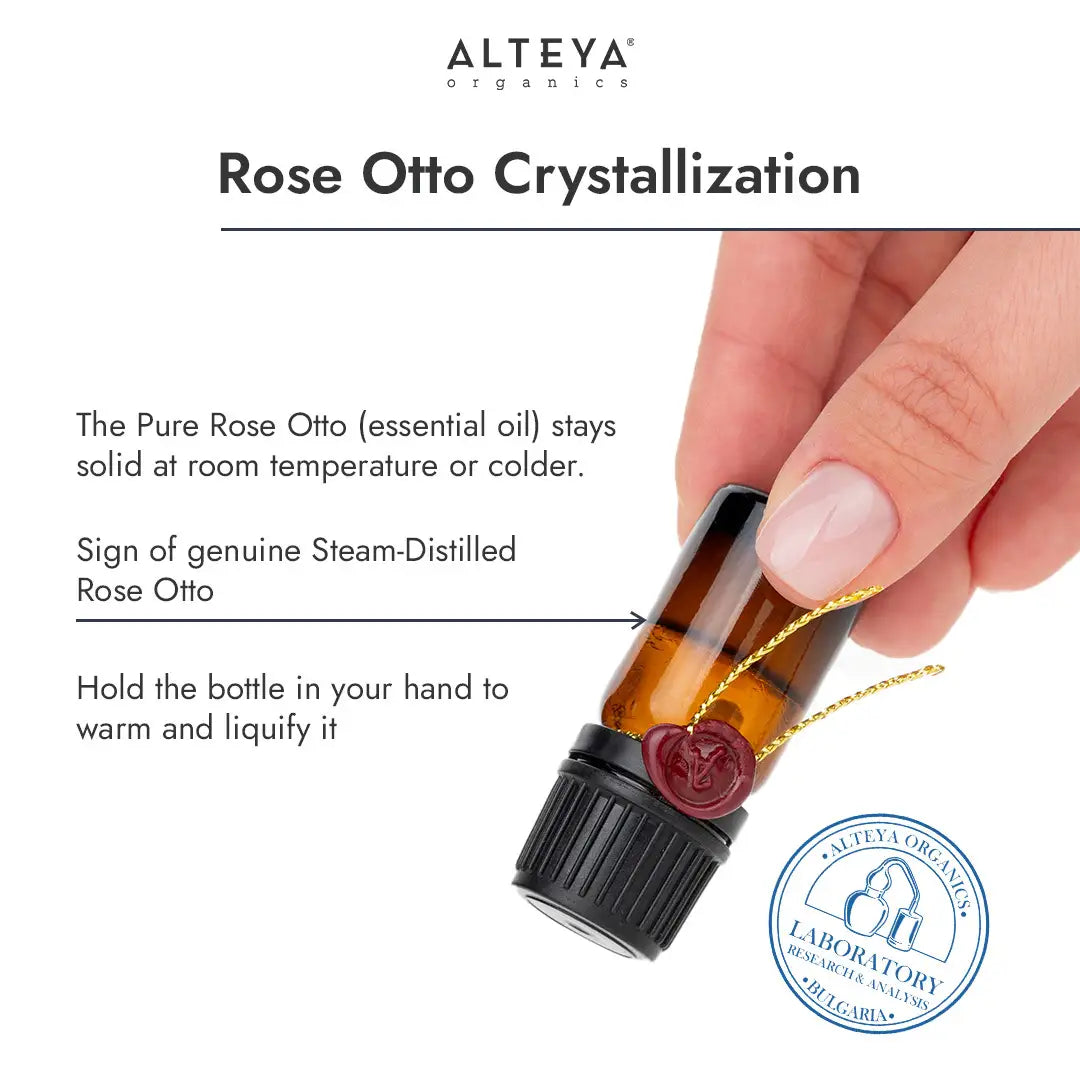
The most complex skincare ingredient produced anywhere in the world is not synthetic - it is Bulgarian Rose Otto (Bulgarian Rose Oil), a steam-distilled essential oil containing over 300 individual bioactive compounds that cannot be fully replicated in a laboratory.

The assumption that synthetic equals sophisticated is a product of 20th-century cosmetic chemistry, when isolated actives could be produced at scale and marketed as breakthroughs. What this framing misses is that complexity is an advantage, not a liability. Bulgarian Rose Otto contains citronellol, geraniol, farnesol, nerol, and damascenone - compounds with scientifically researched and known anti-inflammatory, antioxidant, and skin-conditioning properties - in ratios that occur naturally only in Rosa Damascena grown in the Bulgarian Rose Valley's specific microclimate.

Alteya Organics grows its own Rosa Damascena on certified organic fields in the Rose Valley and distils the petals within hours of the morning harvest - the point at which aromatic compound concentration peaks. This is not an aesthetic choice. Distillation timing directly affects the yield and profile of the final oil. The result is a Rose Otto with flawless quality  - traceable, consistent, and formulated at concentrations that produce measurable results.

Botanical Actives vs Synthetic Actives: How They Compare

Active skincare ingredients, their origin, mechanism, and where they are found in Alteya products

Active

Origin

Mechanism

Found in Alteya’s product

Rose Otto (Rosa Damascena)

Origin

Steam-distilled from fresh petals

Mechanism

300+ compounds including citronellol and geraniol; anti-inflammatory, antioxidant, barrier-supporting

Found in product

Bio Damascena range

Ectoin

Origin

Natural extremolyte (fermentation-derived)

Mechanism

Stabilises cell membranes and protects against environmental and UV stress

Found in product

Rose Hydrobiome Toner, Rose Hydrobiome Face Mask, Bio Damascena Face Mask

Bisabolol

Origin

Chamomile-derived (Matricaria chamomilla)

Mechanism

Anti-inflammatory; promotes healing and enhances absorption of co-formulated actives

Found in product

Rose Otto Face Mask

Triple hyaluronic acid

Origin

Biotechnology-derived; naturally present in skin

Mechanism

Three molecular weights penetrate at different depths for layered hydration

Found in product

Rose Hydrobiome Toner

Jojoba oil

Origin

Cold-pressed from Simmondsia chinensis seeds

Mechanism

Structurally similar to skin sebum; non-comedogenic and balances oil production

Found in product

Bio Damascena Nourishing Face Serum

Sea buckthorn oil

Origin

Cold-pressed from Hippophae rhamnoides berries

Mechanism

Rich in carotenoids and vitamin E; supports elasticity and skin radiance

Found in product

Bio Damascena Nourishing Face Serum

Explore the Alteya Organics Collections

Discover the full Bio Damascena collection for Rose Otto-based skincare. Explore the Rose Hydrobiome range for microbiome-focused formulas enriched with rose oil from three different type of roses, all of them grown in Alteya’s gardens. For daily toning, browse Alteya's certified organic rose waters. The complete organic skincare range is available at /collections/skin-care.

FREQUENTLY ASKED QUESTIONS

For sensitive or reactive skin, once a week is the maximum - and only with a gentle enzyme-based or very mild physical exfoliant. Daily cleansing with a prebiotic formula like Alteya's Rose Hydrobiome Prebiotic Cleanser is more beneficial than frequent exfoliation, as it removes impurities without disrupting the microbiome that keeps reactive skin calm.

Article: The Truth beneath the Glow: 5 Common Skincare Misconceptions - and What the Evidence Actually Shows

skincare

The Truth beneath the Glow: 5 Common Skincare Misconceptions - and What the Evidence Actually Shows

Skincare marketing moves faster than skincare science - which means many of the rules people follow daily are based on outdated assumptions, misunderstood chemistry, or commercial interest rather than evidence. The five misconceptions below are among the most persistent: they affect how people choose products, how they build routines, and how they assess whether something is actually working.

Leave a comment

This site is protected by hCaptcha and the hCaptcha Privacy Policy and Terms of Service apply.

Read more

Skincare Application Mistakes
skincare

8 Skincare Application Mistakes - and the Correct Technique for Each

There's a right way and a wrong way to apply almost every product. At Alteya Organics - a Bulgarian family brand growing and distilling certified organic Rosa Damascena in Bulgaria's Rose Valley - ...

Read more
organic moisturizer
organic

How To Choose The Right Organic Moisturizer For Your Skin Type?

The right organic moisturizer does more than hydrate your skin - it works with your skin's biology rather than against it. Organic moisturizers formulated from cold-pressed plant oils, botanical ex...

Read more