8 Skincare Application Mistakes | Alteya Organics Skip to content
Utility Bar – Alteya

Cart

Your cart is empty

8 skincare application mistakes and the morrect technique for each desktop banner

8 Skincare Application Mistakes — and the Correct Technique for Each

Even the best skincare products underperform when applied incorrectly. Whether it's rushing through your routine, guessing at the right technique, or simply skipping a step, small application mistakes add up - and your skin pays the price.

There's a right way and a wrong way to apply almost every product. At Alteya Organics - a Bulgarian family brand growing and distilling certified organic Rosa Damascena in Bulgaria's Rose Valley - we've seen firsthand how technique determines results, regardless of how pure or potent the formula. The eight corrections below apply to any routine, and they make a real difference.

Common skincare mistakes, the problems they cause, and the correct skincare practice

Mistake

The problem

The correction

Choosing synthetic over certified organic formulas

The problem

Synthetic ingredients can disrupt the skin microbiome and introduce cumulative irritants

The correction

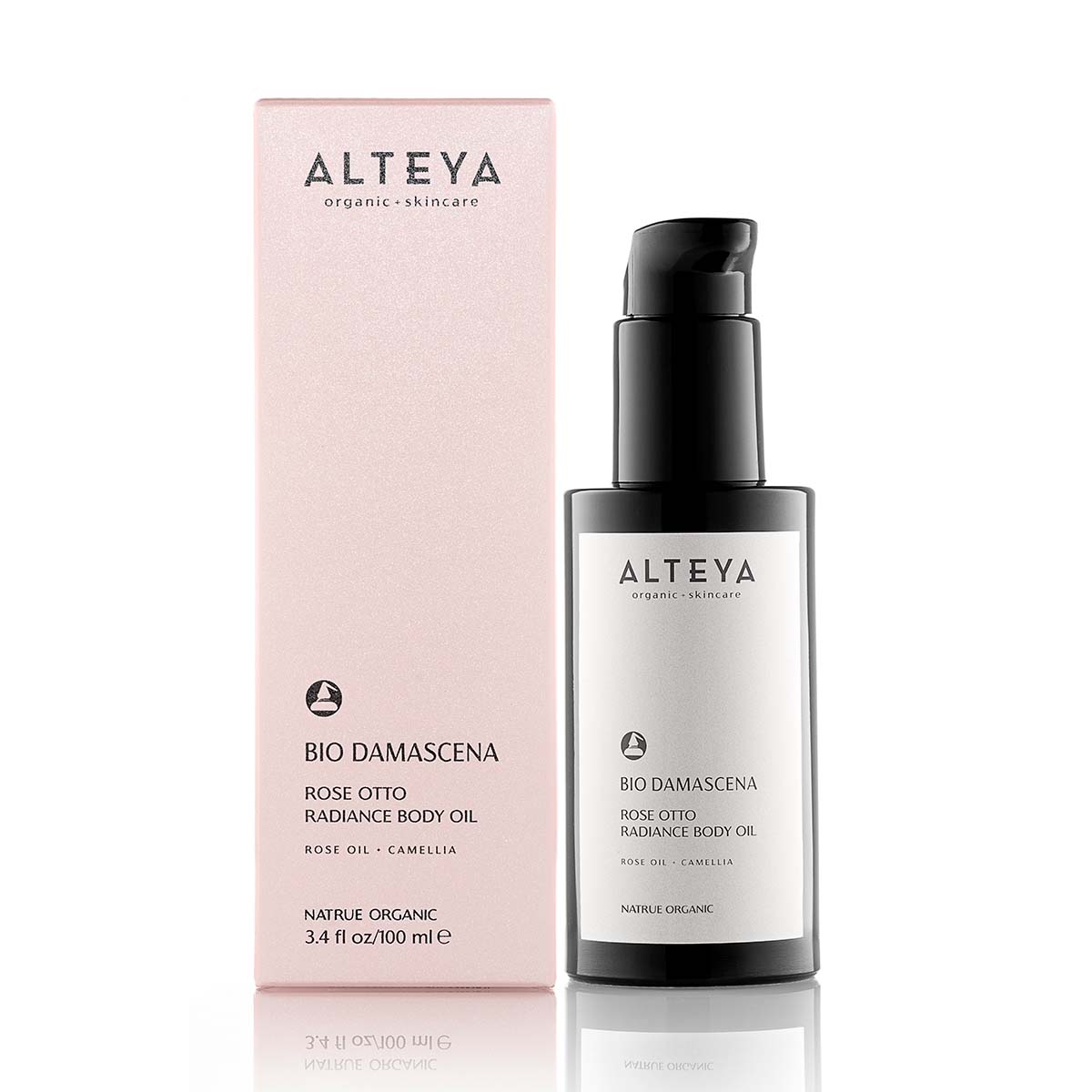
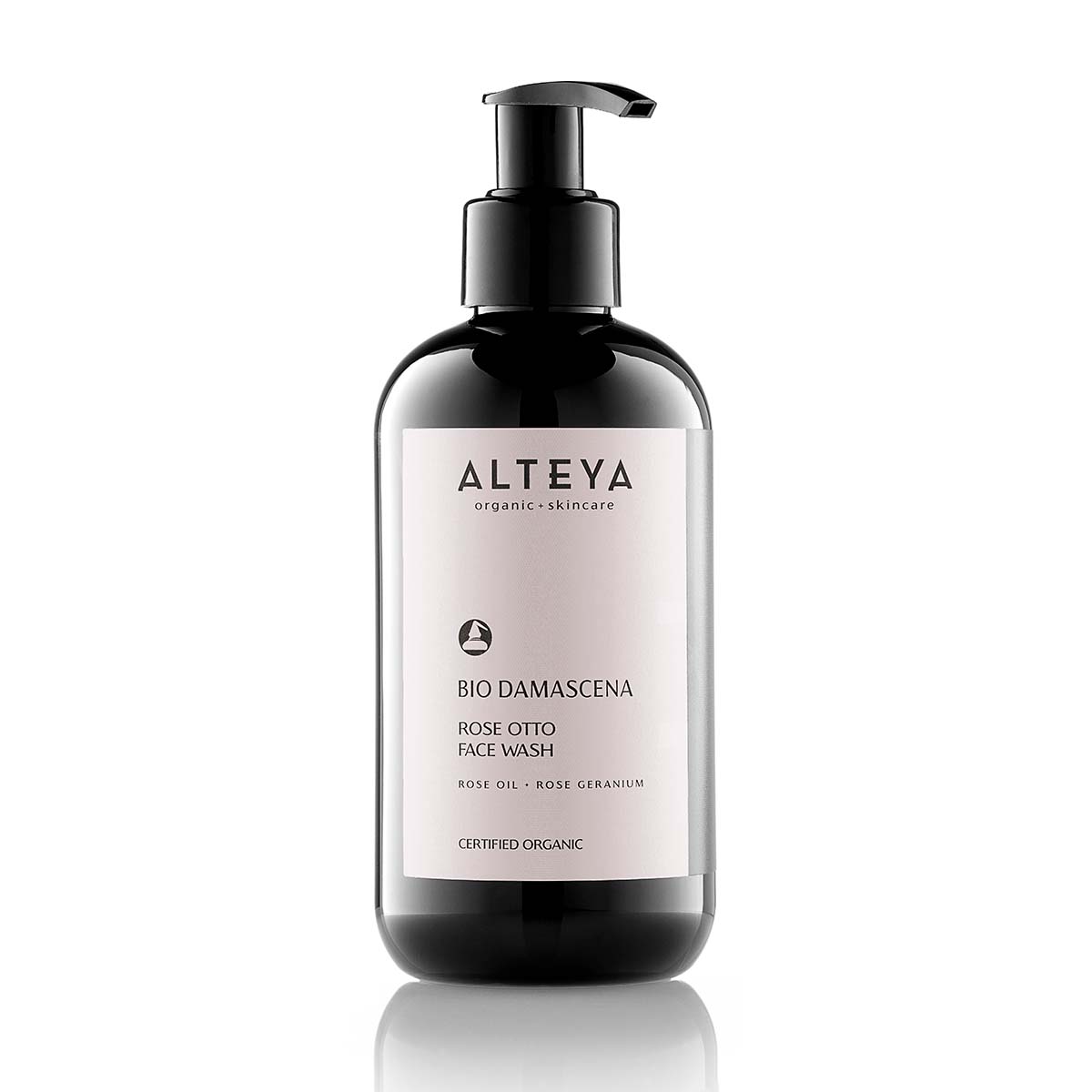
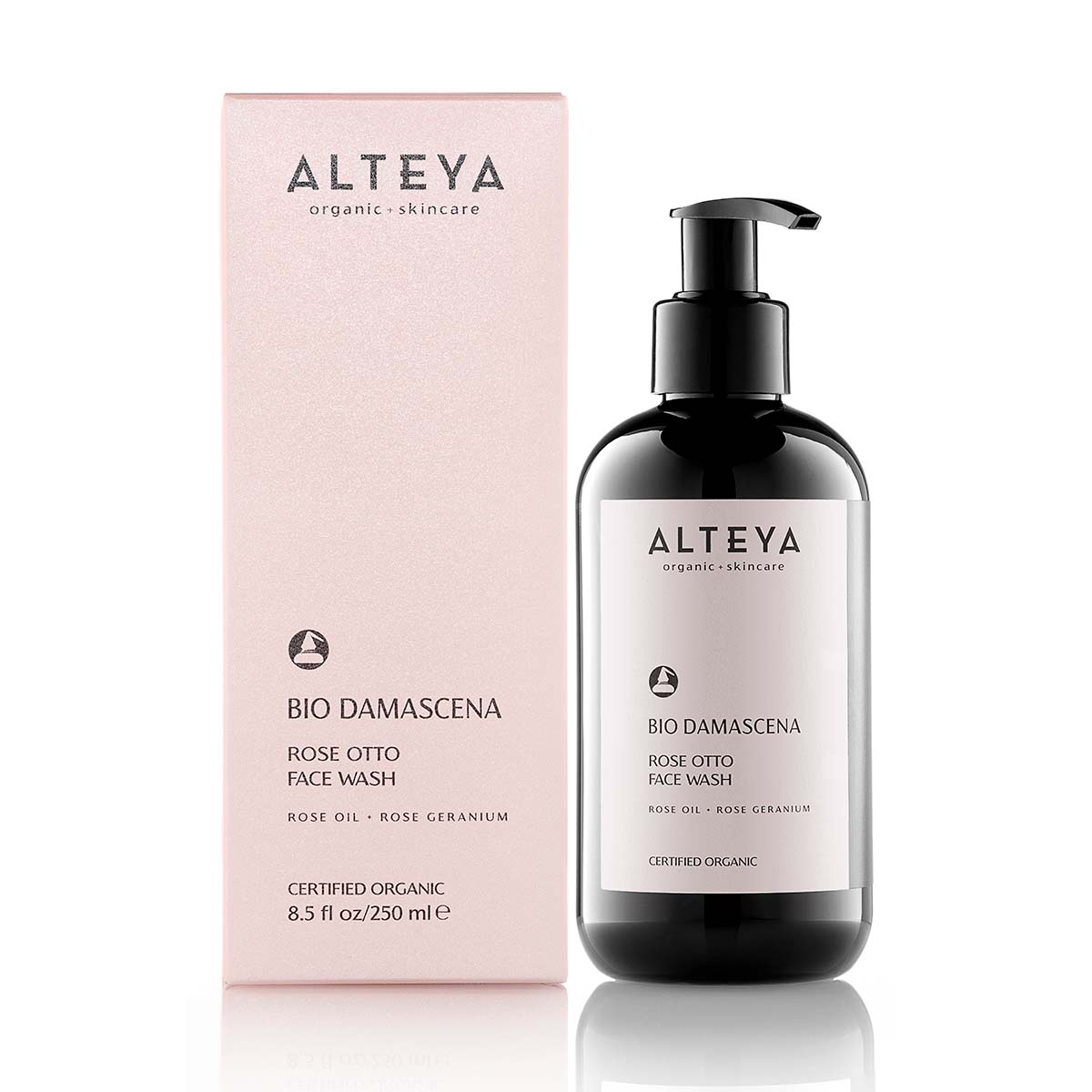
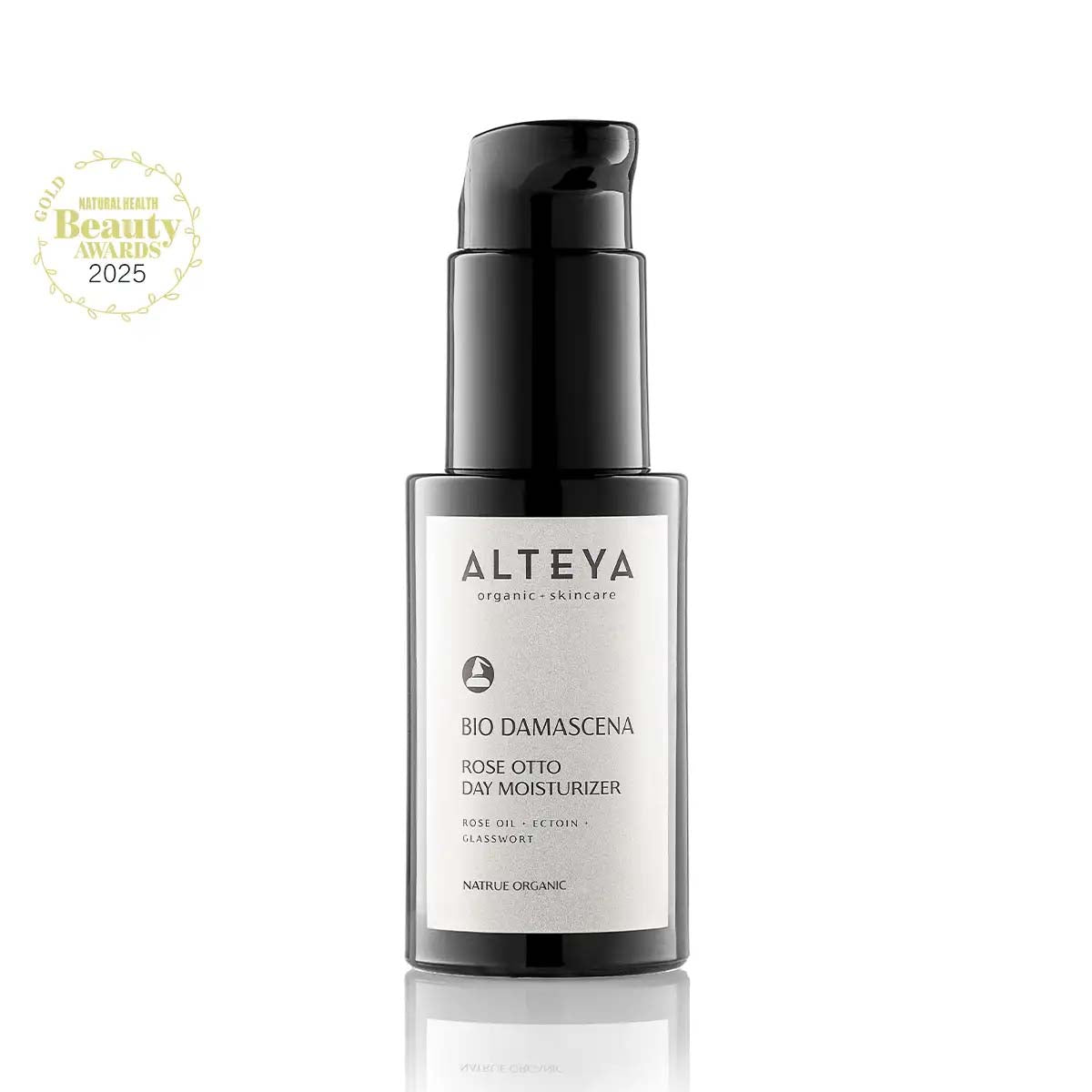
Prioritise certified organic facial wash and moisturizer first — highest-contact, leave-on products

Applying products in a downward motion

The problem

Downward application works against skin’s structural support fibres, contributing to loss of elasticity over time

The correction

Apply upward strokes on the face and neck; pat gently under the eyes — never drag

Skipping SPF

The problem

UV exposure is the primary driver of photoageing — wrinkles, pigmentation, and loss of skin density

The correction

Apply SPF as the final morning step, over moisturizer, every day regardless of weather

Over-exfoliating

The problem

Daily exfoliation strips the microbiome and moisture barrier, causing sensitivity, dryness, and accelerated congestion

The correction

Exfoliate once per week maximum with a gentle formula; use a prebiotic cleanser daily instead

Scrubbing with a towel

The problem

Towel friction causes micro-irritation and stretches skin — particularly damaging around the eyes

The correction

Pat dry only — press the towel gently against skin; never rub or drag in any direction

Sleeping in makeup

The problem

Makeup occludes pores overnight during the skin’s natural repair cycle, leading to congestion and delayed cellular renewal

The correction

Remove makeup completely before bed using a gentle cleanser, starting at the forehead and moving downward

Delaying moisturizer after cleansing

The problem

Skin loses moisture rapidly after cleansing; applying moisturizer more than 60 seconds later reduces how much hydration is retained

The correction

Apply moisturizer within 60 seconds of cleansing while skin is still slightly damp

Applying products without a routine structure

The problem

Random product application misses synergistic effects and reduces the efficacy of every individual step

The correction

Apply thinnest to thickest: cleanser → toner/rose water → serum → eye cream → moisturizer → SPF

Mistake 1: Choosing synthetic formulas when certified organic alternatives are available

The case for switching to certified organic skincare is not about price or philosophy - it is about cumulative ingredient exposure. Synthetic fragrances, parabens, sulphates, and chemical preservatives appear in small concentrations individually, but are applied to the face twice daily, every day. Over months and years, this cumulative load is what drives microbiome disruption, barrier degradation, and chronic low-grade sensitivity in many skin types.

Certified organic formulas - verified to USDA Organic, NATRUE, or EU Organic standards - exclude this category of ingredients entirely. They are not just free from specific substances; they are formulated from botanicals that are structurally compatible with the skin's own lipid and moisture systems.

How to do it right: Replace highest-contact, leave-on products first - moisturizer and facial oil cover the full face twice daily and stay on the skin, so they carry the highest cumulative ingredient exposure. Start there. Rinse-off products like cleansers are lower priority but worth updating as existing products run out. Introduce one new certified organic product at a time over 2–3 week intervals to accurately identify how your skin responds.

Mistake 2: Applying skincare products in a downward motion

Applying skincare products downward works against the direction of the skin's structural support fibres. Repeated downward pressure and drag - however light - contributes to gradual loss of skin firmness, particularly around the cheeks, jaw, and neck where the skin is less anchored.

The skin under the eyes is thinner than anywhere else on the face - approximately 0.5mm compared to 2mm on the cheeks - and has no underlying muscle support. Dragging any product across this area stretches the tissue and accelerates the fine lines that most people are trying to prevent.

How to do it right: Apply all face products in upward and outward strokes - from the centre of the face toward the hairline, and from the jaw toward the ears. For the eye area, use your ring finger (the weakest finger, which naturally limits pressure) to gently pat product along the orbital bone, starting from the inner corner. Never pull or drag - tap in small motions from inner corner outward.

Mistake 3: Skipping sunscreen or relying on SPF in makeup

UV exposure is the primary driver of photoageing - responsible for an estimated 80–90% of visible skin ageing including fine lines, uneven pigmentation, and loss of skin density. Not wearing dedicated SPF is the highest-impact skincare error most people make, regardless of how well the rest of their routine is designed.

Makeup with SPF is not a substitute for dedicated sunscreen. SPF efficacy depends on applying the product at a specific film thickness - typically 2mg per cm² of skin. The quantity of foundation or tinted moisturizer most people apply is a fraction of this, which means the actual sun protection delivered is significantly lower than the stated SPF value on the label.

How to do it right: Apply SPF as the absolute final step of your morning routine - after moisturizer has absorbed, before any makeup. This preserves the intact protective film. Use a  - combined). Reapply every 2 hours during prolonged outdoor exposure - a single morning application does not provide all-day protection.

Mistake 4: Exfoliating every day

Daily exfoliation does not remove more dead skin cells - it removes the microbiome and moisture barrier along with them. The skin regenerates its surface layer every 28–40 days (slower as we age). Exfoliating more frequently than once per week does not accelerate this cycle; it interrupts it.

The specific consequences depend on skin type. For dry skin, daily exfoliation strips the remaining protective oils, causing tightness, flaking, and irritation. For oily skin, the logic of 'exfoliate to control oil' backfires: stripping surface oils triggers reactive sebum overproduction, resulting in more congestion, not less. For skin with eczema or rosacea, daily exfoliation is a known trigger for acute flare-ups.

How to do it right: Exfoliate a maximum of once per week - and for sensitive or reactive skin, once per fortnight. Choose an enzyme-based exfoliator (gentler, no physical abrasion) over a gritty scrub. On non-exfoliation days, use a prebiotic cleanser that removes impurities without disturbing the skin microbiome - this addresses surface congestion without the cumulative damage of daily exfoliation.

Mistake 5: Scrubbing or wiping your face with a towel

Towel friction against facial skin - even with a soft towel - causes micro-tears in the surface layer and stretches the tissue repeatedly in multiple directions. Around the eyes and mouth, where the skin is thinnest and most mobile, this friction is a consistent low-grade source of irritation and premature laxity.

The problem is not the towel itself but the motion. Most people dry their face by rubbing back and forth or pulling the towel across their skin - the same mechanical action that causes irritation from over-exfoliation, applied daily.

How to do it right: Pat dry rather than wiping. Press a clean towel section gently against the skin, hold for one second, then lift. Move to an adjacent area and repeat. This removes moisture without any lateral friction. Use a fresh section of towel for the eye area. If you use a washcloth for cleansing, rinse it completely and allow it to dry between uses - a damp cloth left to sit harbours bacteria that transfer to the face on the next use.

Mistake 6: Sleeping in makeup

The skin's natural repair cycle is most active between approximately 11pm and 4am - the period during which cell regeneration peaks, collagen synthesis is highest, and the skin barrier rebuilds moisture reserves lost during the day. Sleeping in makeup directly interferes with this process: it occludes pores at the exact time the skin needs them clear, and it leaves the day's accumulated pollutants, sebum, and environmental debris on the surface throughout this recovery window.

The secondary consequence is that skipping the evening cleanse also means skipping toner and moisturizer - two steps that specifically support the overnight repair cycle. One missed evening compounds into measurably worse skin condition over weeks.

How to do it right: Remove makeup before cleansing, not instead of it. Use a dedicated makeup remover or micellar water to dissolve product first - starting at the forehead and working downward to nose, cheeks, chin, and neck. Follow immediately with your regular certified organic cleanser to remove residual remover and surface debris. Then continue with your normal evening routine: toner, serum, moisturizer.

Mistake 7: Waiting too long to apply moisturizer after cleansing

Skin begins losing moisture as soon as it is exposed to air after cleansing. Within 60 seconds of rinsing, the surface starts to dry - and a dry surface absorbs moisturizer significantly less effectively than a slightly damp one. Most people apply their moisturizer 2–5 minutes after cleansing, by which point the optimal absorption window has closed.

The mechanism is straightforward: damp skin has a temporarily higher permeability - pores are open, the surface layer is softened, and the skin's own aquaporin channels (the proteins that move water across cell membranes) are active. Applying a certified organic moisturizer in this window traps the surface moisture and delivers the botanical actives at a point when the skin is most receptive to them.

How to do it right: Have your moisturizer open and ready before you rinse. Apply within 60 seconds of completing your toner step - while skin is slightly damp, not dripping wet. Use upward strokes and allow 60–90 seconds for the moisturizer to absorb before applying SPF in the morning. In the evening, apply your night formula 30 minutes before bed to allow full absorption before the pillow creates any occlusion.

Mistake 8: Applying products without a structured routine sequence

Product application order matters because each step either prepares the skin to receive the next one, or delivers an active ingredient that needs a specific surface condition to absorb correctly. Applying a serum before a toner, or a facial oil before a water-based serum, reduces the efficacy of both products.

The governing rule is thinnest to thickest texture - water-based and lightest products first, oil-based and richest products last. This follows the skin's own barrier structure: water-soluble actives penetrate through the aqueous layer of skin; oil-soluble actives work through the lipid layer. Applying in the wrong order creates a seal with oil-based products that prevents water-based actives from reaching the skin at all.

Morning SkincareRoutine: Correct Order (Step-by-Step Guide)

Follow this morning skincare routine to properly cleanse, hydrate, and
protect your skin while maximizing product absorption and effectiveness.

Start with a gentle certified organic cleanser to remove overnight sebum,
sweat, and impurities without disrupting the skin barrier.

Evening SkincareRoutine: Correct Order for Skin Repair

The evening routine focuses on deep cleansing, repair, and regeneration
while the skin is in recovery mode.

Use a dedicated makeup remover or cleansing oil to dissolve makeup,
sunscreen, and excess oil.

👉 Important: This step
does not replace your cleanser.

FREQUENTLY ASKED QUESTIONS

Application technique determines how much of each active ingredient reaches the skin's living layers, not just the surface. Direction, timing, and layering order all affect permeability. A serum applied to unprepared skin (wrong pH, wrong sequence) delivers a fraction of its active concentration compared to the same formula applied correctly - the product has not changed; the skin's receptivity has.

Article: 8 Skincare Application Mistakes - and the Correct Technique for Each

skincare

8 Skincare Application Mistakes - and the Correct Technique for Each

There's a right way and a wrong way to apply almost every product. At Alteya Organics - a Bulgarian family brand growing and distilling certified organic Rosa Damascena in Bulgaria's Rose Valley - we've seen firsthand how technique determines results, regardless of how pure or potent the formula. The eight corrections below apply to any routine, and they make a real difference.

Leave a comment

This site is protected by hCaptcha and the hCaptcha Privacy Policy and Terms of Service apply.

Read more

alteya's rose valley
earth

Our 2023 Annual Update on Sustainability, Social Responsibility and Environmental Consciousness

We continued to lead by example and improve our operations to be more sustainable and efficient by engaging only in organic agriculture and respecting Earth's natural cycles. Almost all of our agri...

Read more
natural skincare
skincare

The Truth beneath the Glow: 5 Common Skincare Misconceptions - and What the Evidence Actually Shows

Skincare marketing moves faster than skincare science - which means many of the rules people follow daily are based on outdated assumptions, misunderstood chemistry, or commercial interest rather t...

Read more