Greenwashing in skincare is not a marginal issue. The global organic personal care market is projected to exceed $25 billion by 2031 - and the faster it grows, the more brands enter it with claims they cannot substantiate. 'Natural', 'eco-friendly', 'clean', 'conscious', 'green' — these words appear on packaging without any standard definition or independent verification behind them.
The result is a market where the consumer's commitment to making a better choice is being commercially exploited. This guide explains exactly what greenwashing is, the specific tactics used to execute it, and the five verification steps that separate substantiated claims from marketing language.
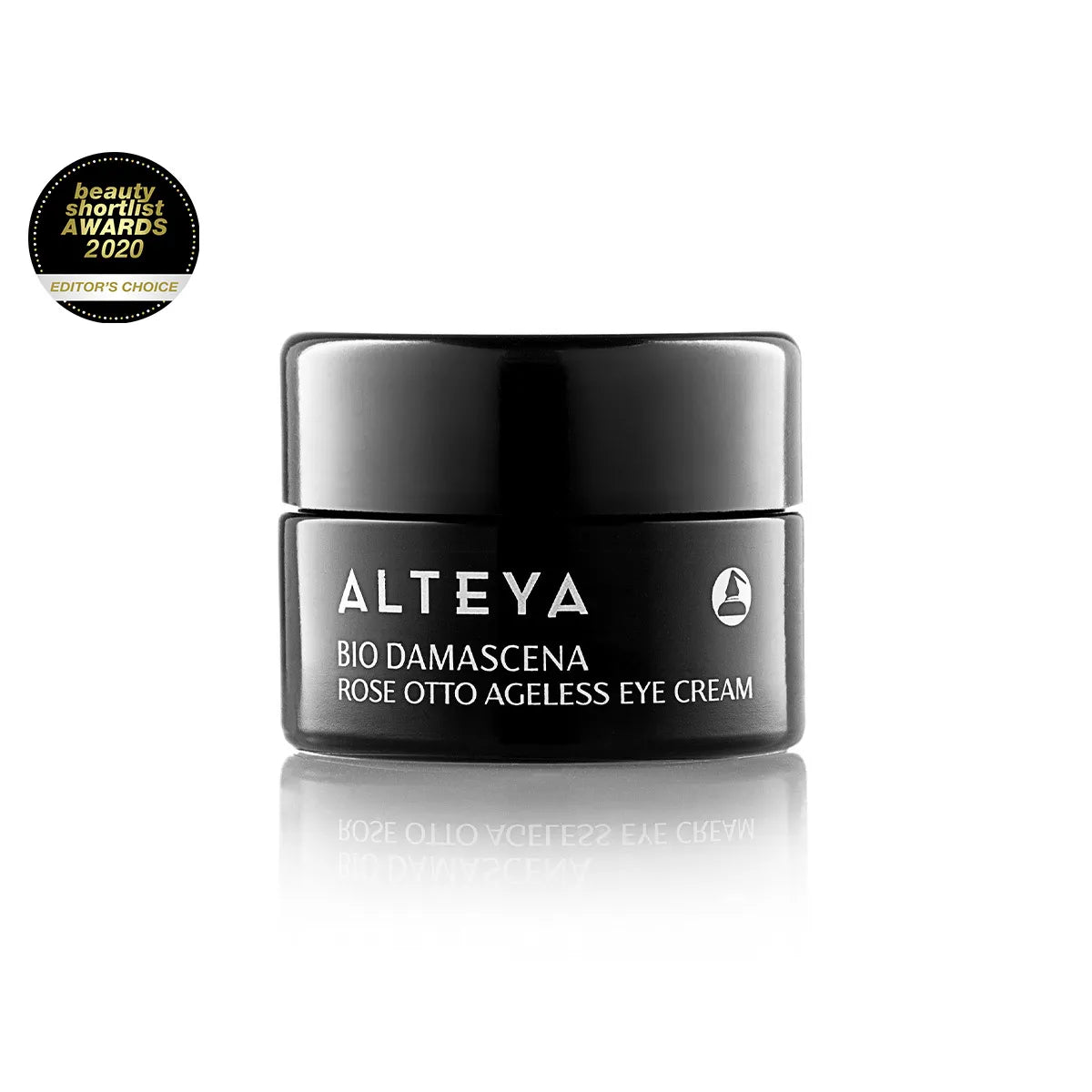
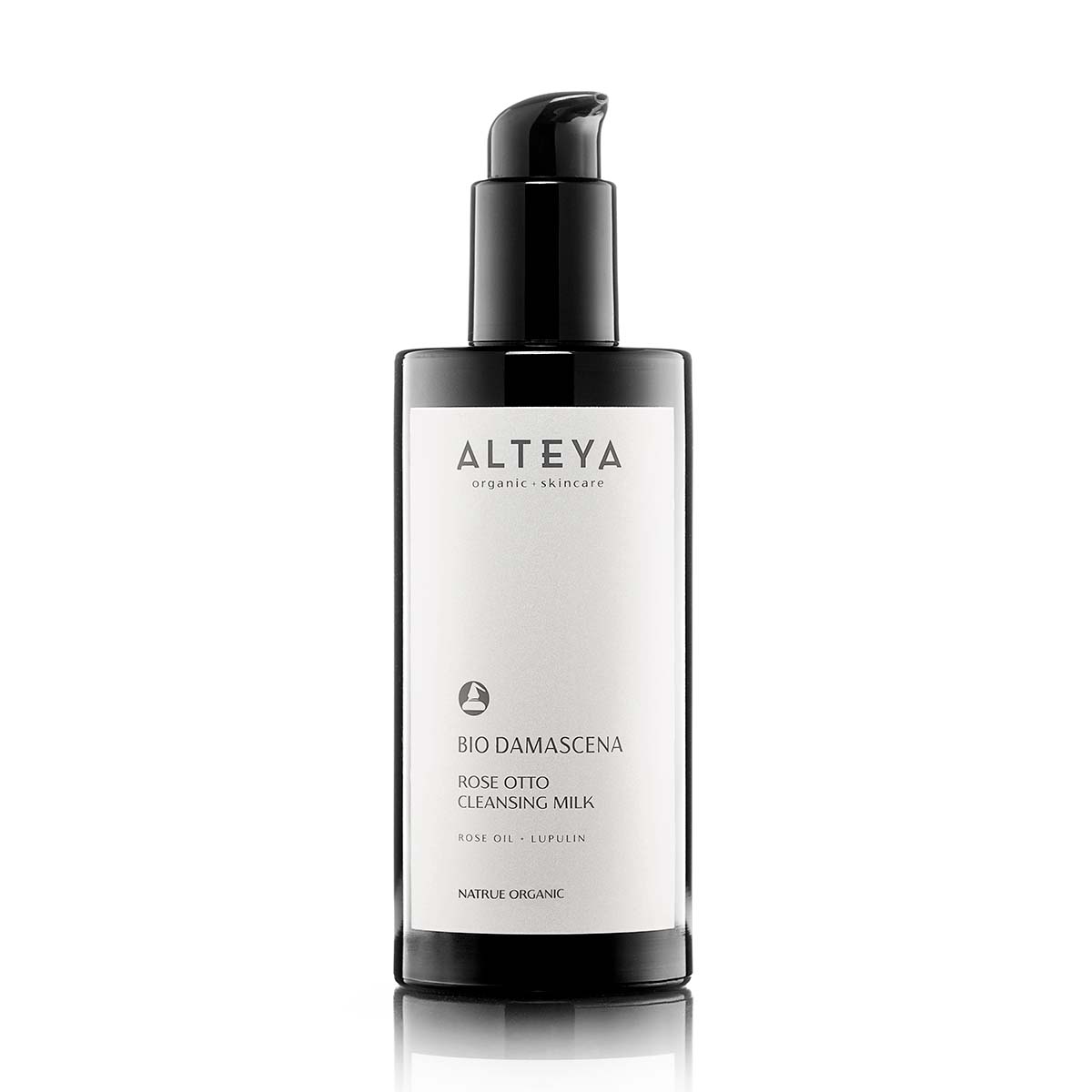
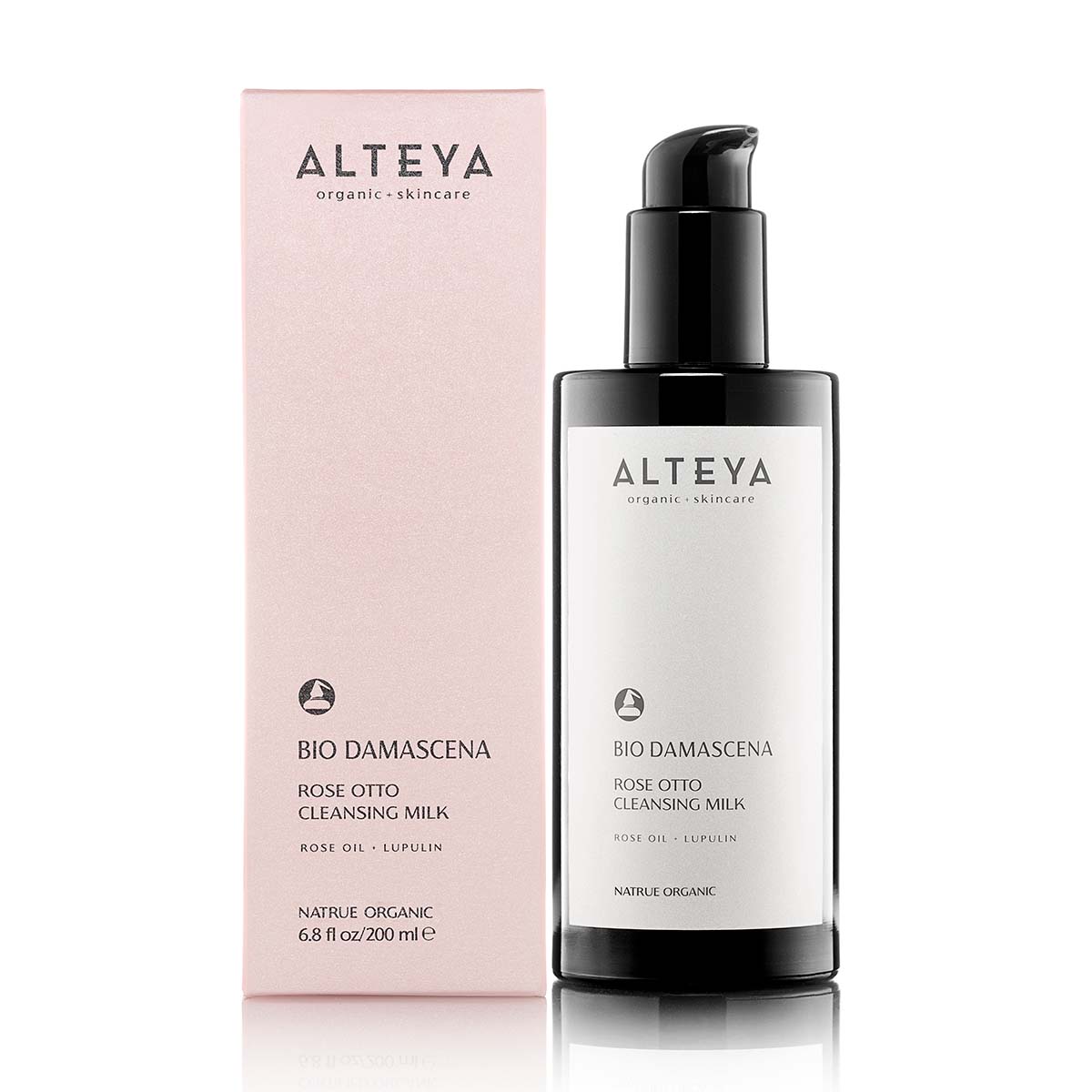
Alteya Organics, a Bulgarian family-owned brand with USDA Certified Organic, NATRUE Organic Certified, and EU Organic Certified status, has grown and distilled Rosa Damascena on its own certified organic rose fields in Bulgaria's Rose Valley since 1999. The brand's position as a vertically integrated, third-party-certified producer makes greenwashing directly relevant to the market it operates in - and to every customer who wants to know what they are actually buying.
What Is Greenwashing in Skincare?
Greenwashing in skincare is the practice of making environmental or health claims about a product that cannot be independently verified - either because they are vague by design, selectively true, or factually false.
It operates across three levels of deception:
• Label-level greenwashing: using unregulated terms such as 'natural', 'eco', 'green', or 'clean' without meeting any defined standard. In the United States, these terms carry no legal definition in cosmetics. A brand can print 'natural' on any product regardless of its actual ingredients.
• Ingredient-level greenwashing: prominently featuring one or two plant-derived ingredients in the product name and marketing while the formula is predominantly synthetic. The product is not dishonest about containing the named botanical - it is dishonest about what else it contains while marketing the whole product with focus only on those botanical ingredients.
• Certification-level greenwashing: displaying certification-adjacent symbols - leaf icons, green seals, 'dermatologist tested' badges - that are not issued by a recognised independent body. These are self-generated and carry no third-party verification.
In 2023, the EU introduced the Green Claims Directive, which requires substantiation of environmental claims before they appear in marketing. The US Federal Trade Commission's Green Guides have long prohibited unsubstantiated environmental claims. Despite this, enforcement remains inconsistent in cosmetics, making consumer-level verification essential.
Why Greenwashing in Skincare Is a Specific Problem — Not Just a Marketing Issue
Greenwashing in skincare has three direct consequences for the consumer who acts on it in good faith.
Financial: Certified organic skincare commands a price premium because the production standards it meets are genuinely more expensive - certified organic farming, third-party auditing, transparent supply chains, restricted preservative options. Greenwashed products charge the same premium without the underlying cost structure - which means the margin goes to packaging and marketing, not to better ingredients.
Skin health: A consumer who switches to 'natural' skincare specifically to avoid synthetic fragrances, parabens, or sulphates - but buys a greenwashed product that contains them under alternative names - does not reduce their exposure. They pay more for the same outcome they were trying to avoid.
Environmental: Brands that claim sustainability without verifying it displace purchasing decisions from brands that are genuinely committed to lower environmental impact. The net effect of widespread greenwashing is that consumer demand for sustainable skincare does not translate into market pressure on producers to actually improve - because the signal is captured by brands that do not change their practices.
Why Celebrity-Endorsed Skincare Brands Are a Particular Greenwashing Risk
A celebrity launching or endorsing a skincare brand is not evidence that the brand's environmental or health claims are substantiated. It is evidence that the brand has a marketing budget. The two are unrelated - and conflating them is precisely the mechanism that greenwashing-via-celebrity exploits.
The specific risk: celebrity-backed brands frequently enter the market with strong visual identity, strong sustainability language, and strong social reach - before they have established supply chains, third-party certifications, or independently verified ingredient claims. The brand name and the founder's image do the work that evidence should do.
US Federal Trade Commission disclosure rules require that paid endorsements be declared - which means a celebrity posting about a brand they own equity in or are paid to promote is required to disclose that relationship. The disclosure does not validate the product's claims. It only identifies the commercial relationship. Before making a purchase based on a recommendation - regardless of the source - the five-step verification below applies equally.

















Leave a comment
This site is protected by hCaptcha and the hCaptcha Privacy Policy and Terms of Service apply.