Bakuchiol vs Retinol | Alteya Organics Skip to content
Utility Bar – Alteya

Cart

Your cart is empty

bakuchiol vs retinol desktop banner

Bakuchiol vs Retinol: The Complete Guide to the Organic Retinol Alternative

Bakuchiol is a plant-derived compound extracted from the seeds of the Babchi plant (Psoralea corylifolia), used in certified organic skincare as a clinically validated natural alternative to retinol. Google search interest for “bakuchiol serum” grew 54% in 2024–2025, and “retinol alternative” searches increased 47% in the same period. Unlike synthetic retinol - a Vitamin A derivative first synthesised in the 1940s - bakuchiol is a natural phenol compound that activates the same skin receptors as retinol, stimulating collagen production and cell renewal without the irritation, photosensitivity, or adjustment period associated with retinoids. Alteya Organics, a Bulgarian brand holding three independent certifications - USDA Certified Organic, NATRUE Certified, and EU Organic Certified - produces bakuchiol formulations combining this plant-based active with certified organic Bulgarian rose oil and rose water from its own Rosa Damascena fields in the Bulgarian Rose Valley.

What Is Bakuchiol?

Bakuchiol (pronounced buh-KOO-chee-all) is a meroterpene phenol derived from the seeds and leaves of Psoralea corylifolia, a plant native to India and used in Ayurvedic and traditional Chinese medicine for centuries. In skincare, bakuchiol was identified as a retinol-functional compound in a landmark 2014 study that found it activates retinol-responsive genes in the skin - the same biological pathways responsible for retinol’s anti-ageing effects.

A 2018 double-blind clinical study published in the British Journal of Dermatology compared 0.5% bakuchiol applied twice daily against 0.5% retinol applied nightly in 44 adults over 12 weeks. Both groups showed equivalent reductions in fine lines and improvements in skin texture. Bakuchiol showed significantly less facial skin scaling, dryness, and irritation. The study concluded bakuchiol is comparable to retinol in efficacy with a superior tolerability profile.

what Is bakuchiol

Bakuchiol vs Retinol: The Key Differences

The fundamental difference is origin: retinol is a synthetic Vitamin A derivative; bakuchiol is a plant-derived natural compound. They work similarly at the receptor level but differ significantly in side-effect profile, usage restrictions, and compatibility with other actives.

Bakuchiol vs Retinol - Full Comparison 

Irritation and Skin Adjustment Period

Comparison between bakuchiol and retinol for skincare use, safety, compatibility, and effectiveness

Feature

Bakuchiol

Retinol

Origin

Bakuchiol

Plant-derived from Psoralea corylifolia seeds

Retinol

Synthetic Vitamin A derivative

Adjustment period

Bakuchiol

None — usually tolerated immediately

Retinol

2–6 weeks; may cause redness, flaking, or peeling

Photosensitivity

Bakuchiol

None — safe for morning and evening use

Retinol

Increases UV sensitivity — evening use only

TEWL impact

Bakuchiol

No significant increase in water loss

Retinol

May increase TEWL during the adjustment period

Collagen stimulation

Bakuchiol

23–26% increase in procollagen in clinical comparison

Retinol

23–26% increase in procollagen in clinical comparison

Pregnancy safety

Bakuchiol

No known restriction. Always consult a healthcare provider before using any active ingredient.

Retinol

Avoid during pregnancy unless advised otherwise by a healthcare provider

Vitamin C compatibility

Bakuchiol

Fully compatible, morning or evening

Retinol

Best used separately from morning Vitamin C routines

Certified organic

Bakuchiol

Yes, when used in certified organic formulas

Retinol

No — synthetic compound

Effective concentration

Bakuchiol

0.5% twice daily, based on clinical study use

Retinol

0.025–1% nightly, depending on tolerance

Retinol typically causes an adjustment period of 2–6 weeks during which the skin may experience redness, flaking, peeling, and increased sensitivity - commonly called the “retinol purge.” Clinical measurements show retinol increases Transepidermal Water Loss (TEWL) by up to 20%, indicating measurable barrier disruption during this period. Bakuchiol produces no such adjustment period. In studies tracking TEWL, bakuchiol users showed no significant increase in water loss.

Photosensitivity and Time of Use

Retinol increases UV sensitivity and must be used in the evening only, always paired with dedicated broad-spectrum SPF during the day. Bakuchiol does not affect photosensitivity and can be safely used in both morning and evening routines - making it a significantly more versatile active for users who prefer a simplified, single-routine approach.

Collagen Stimulation

Both bakuchiol and retinol stimulate fibroblast activity - the skin cells responsible for producing collagen. Lab studies comparing the two showed near-identical boosts in procollagen production, averaging a 23–26% increase in both groups. This is the core finding that positions bakuchiol as a genuine functional alternative rather than a mild substitute.

Pregnancy Safety

Retinol is classified FDA Category C and is widely advised to avoid during pregnancy and breastfeeding due to the potential teratogenic risk of Vitamin A derivatives at high doses. Bakuchiol carries no such classification. It is not a retinoid and does not share retinol’s hormonal pathway. While clinical data specific to pregnancy is limited - as with most topical actives - bakuchiol is broadly considered the preferred option for those who wish to continue anti-ageing skincare during pregnancy. Always consult a healthcare provider before using any active ingredient during pregnancy.

How to Use Bakuchiol in Your Skincare Routine (Step-by-Step Guide)

Bakuchiol can be used in both morning and evening routines - a significant practical advantage over retinol, which is restricted to evening use only.

Start with a gentle certified organic cleanser to remove impurities and prepare the skin. Use lukewarm water and avoid over-cleansing, which can disrupt the skin barrier.

Bakuchiol is compatible with most other skincare actives, including hyaluronic acid, vitamin C, niacinamide, peptides, and rose water. Unlike retinol, it does not require a moisturizer buffer to reduce irritation and does not conflict with vitamin C in a morning routine.

Who Should Use Bakuchiol?

Bakuchiol is well-suited for five groups of skincare users:

• Those with sensitive, reactive, or easily irritated skin who want anti-ageing benefits without the retinol adjustment period.

• Those new to anti-ageing actives who prefer a gentler starting point before considering stronger retinoids.

• Those who previously tried retinol and experienced significant irritation, peeling, or barrier disruption.

• Those who are pregnant or breastfeeding and cannot use retinol, but wish to continue supporting skin renewal.

• Those committed to a certified organic skincare philosophy who prefer plant-derived alternatives to synthetic Vitamin A.

What Results Can You Expect from Bakuchiol?

In clinical studies, regular bakuchiol users saw measurable reductions in the appearance of fine lines and wrinkles after 8–12 weeks of consistent use. Skin texture improvements - including smoother, more even-feeling skin - were noted within 4–6 weeks.

Unlike retinol, these results accumulate without an initial disruption period. There is no week of redness or peeling to tolerate before improvement begins - bakuchiol users typically experience progressive, uninterrupted improvement from the first week of use.

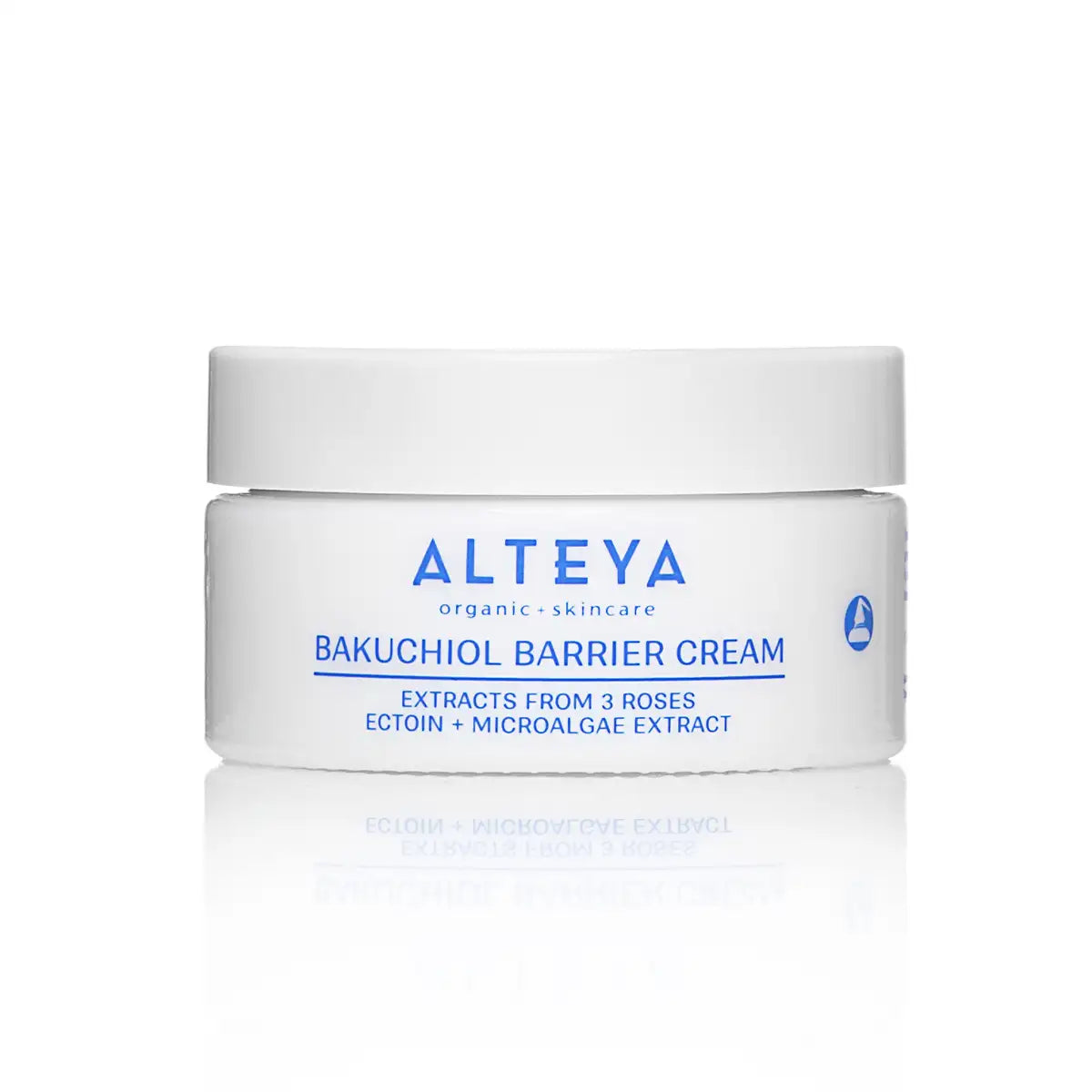
Bakuchiol with Bulgarian Rose Oil: How Alteya Organics Formulates the Combination

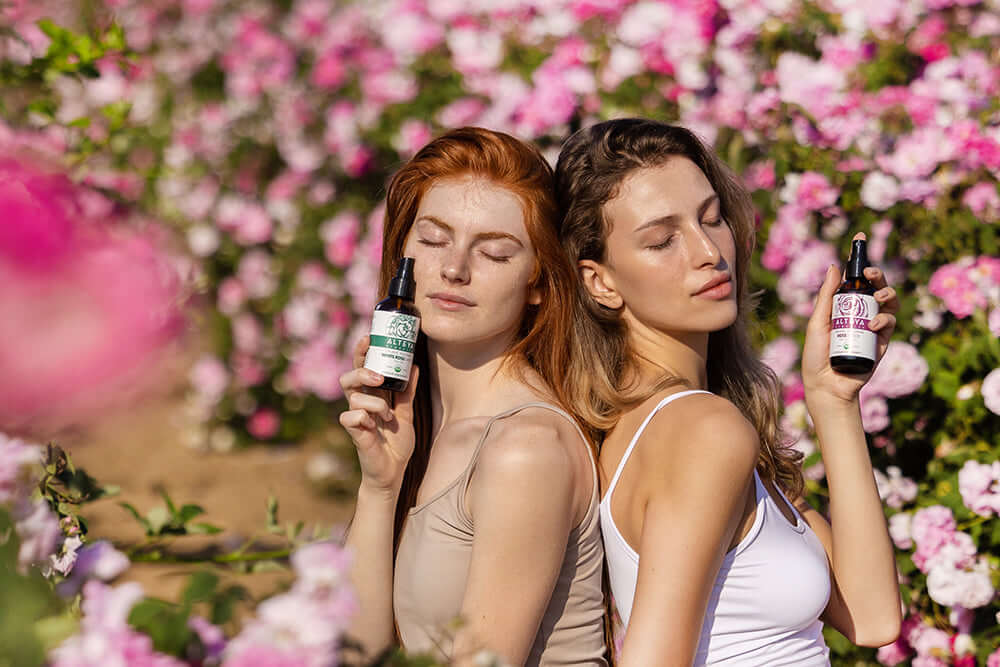
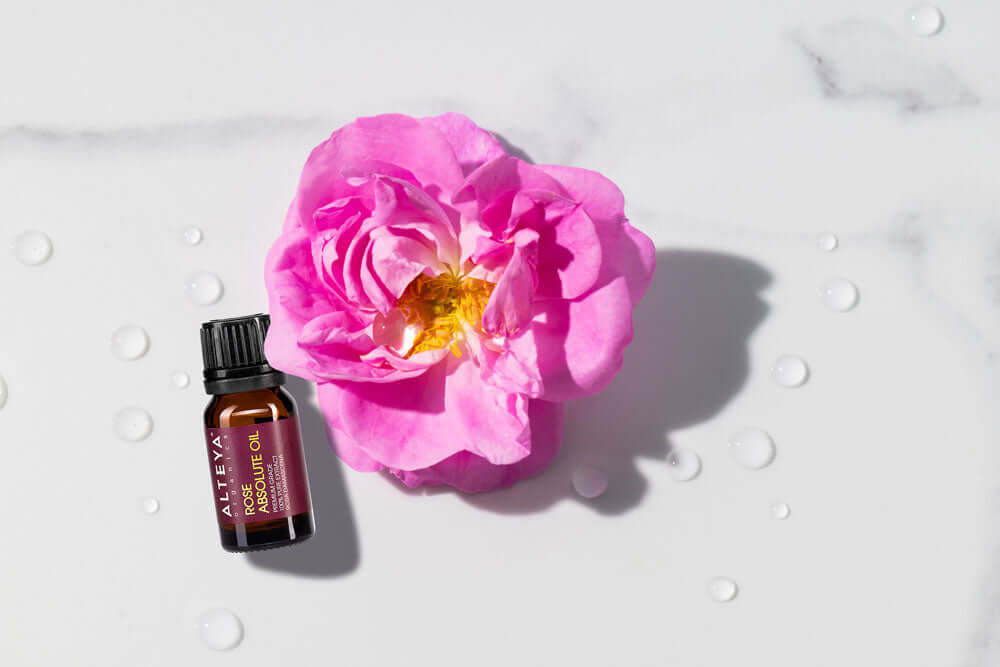
Alteya Organics combines certified organic bakuchiol with certified organic Bulgarian rose oil and rose water in its certified serum formulations. Bulgarian Rose Otto - the steam-distilled essential oil of Rosa Damascena - contains over 300 aromatic and skin-active compounds, providing hydration, barrier balance, and a soothing botanical effect that complements bakuchiol’s skin-renewal mechanism.

The Bulgarian certified organic producer sources its Rosa Damascena from its own certified organic fields in the Bulgarian Rose Valley - the world’s primary commercial cultivation region for this rose species. This direct farm-to-formula ownership means the rose oil in every Alteya bakuchiol formulation is traceable from field to finished product, with no intermediary supply chain between cultivation and the certified organic serum.

This combination - bakuchiol plus Bulgarian Rose Otto - delivers clinically studied anti-ageing botanical support alongside the hydrating and balancing properties of Rosa Damascena in a single certified organic serum. Explore the Alteya Organics bakuchiol and serum collections for the full certified range.

FREQUENTLY ASKED QUESTIONS

Bakuchiol is a plant-derived compound from the seeds of the Babchi plant (Psoralea corylifolia), used as a certified organic alternative to retinol in skincare. It activates the same skin receptors as retinol - stimulating collagen production and cell renewal - without the irritation, photosensitivity, or pregnancy restrictions of synthetic retinoids.

Article: Bakuchiol vs Retinol: The Complete Guide to the Organic Retinol Alternative

skincare

Bakuchiol vs Retinol: The Complete Guide to the Organic Retinol Alternative

Bakuchiol is a plant-derived compound extracted from the seeds of the Babchi plant (Psoralea corylifolia), used in certified organic skincare as a clinically validated natural alternative to retinol.

Leave a comment

This site is protected by hCaptcha and the hCaptcha Privacy Policy and Terms of Service apply.

Read more

skincare routine steps
skincare

How to Build an Organic Skincare Routine from Scratch: A Complete Step-by-Step Guide

An organic skincare routine is a daily sequence of certified plant-based formulations - cleanser, toner, serum, and moisturizer - verified free from synthetic pesticides, parabens, synthetic fragra...

Read more
Bulgarian Rose Oil (Rose Otto)
Inspired by nature

The Complete Guide to Bulgarian Rose Oil (Rose Otto): What It Is, How It's Made, and Why It's Rare

Bulgarian Rose Oil - also known as Rose Otto or Attar of Roses - is a 100% pure, steam-distilled essential oil produced from the fresh blossoms of Rosa Damascena, the Bulgarian Damask Rose. It is o...

Read more