Lavender Essential Oil Benefits | Alteya Organics US Skip to content
Utility Bar – Alteya

Cart

Your cart is empty

lavender essential oil benefits uses desktop

Lavender Essential Oil: Benefits, Uses, and Why Bulgarian Lavender Is Different

Lavender essential oil (Lavandula Angustifolia) is the world’s most widely used essential oil. The global aromatherapy market reached $3.5 billion in North America in 2024, growing at a compound annual rate of 8.73% through 2035 - with lavender the leading single oil category. Peer-reviewed clinical research has shown that inhaling lavender oil reduces cortisol levels - the primary stress hormone - by up to 25%.

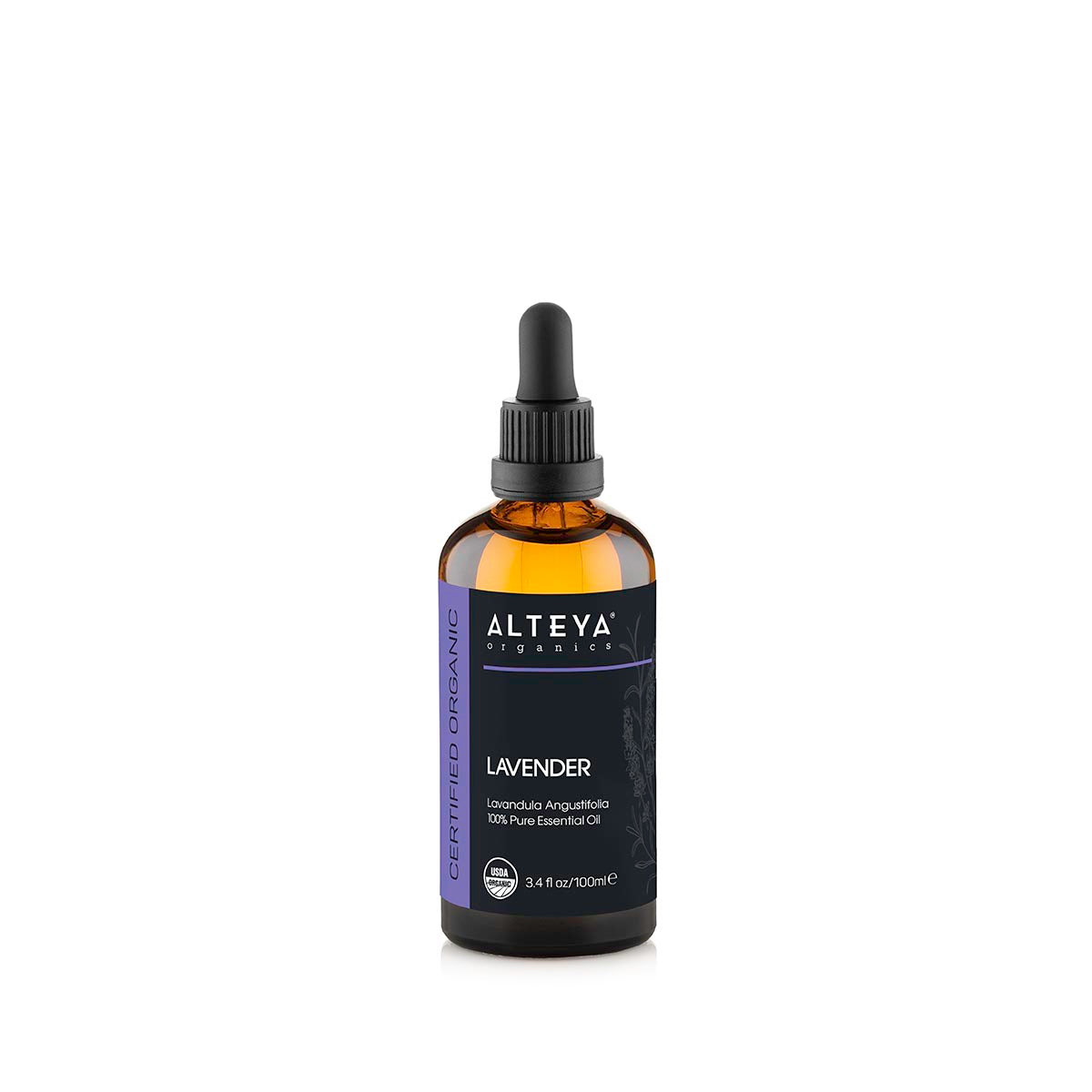
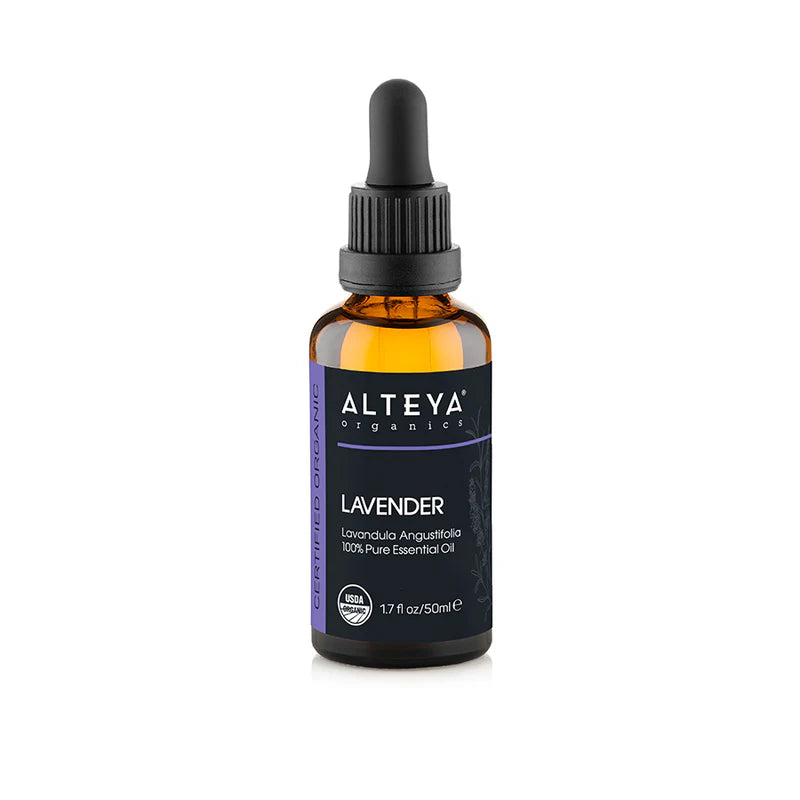
Lavandula Angustifolia from Bulgaria’s high-altitude mountain regions, cultivated above 900 metres, is considered among the finest lavender for aromatherapy and skincare - producing oil with higher linalool content and superior aromatic complexity compared to lavender grown at lower altitudes. Alteya Organics, a Bulgarian brand holding USDA Certified Organic, NATRUE Certified, and EU Organic Certified status, produces its lavender essential oil from certified organic high-altitude Bulgarian lavender.

What Is Lavender Essential Oil?

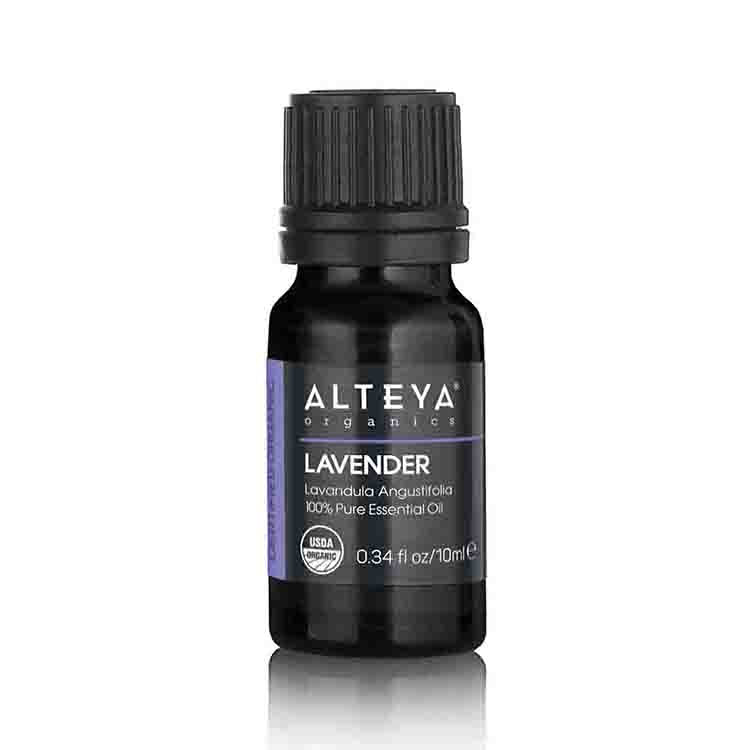
Lavender essential oil is a pure steam-distilled aromatic extract from the flowers of Lavandula Angustifolia - true lavender. Steam distillation captures the volatile aromatic compounds from the lavender blossoms, producing a concentrated oil with a characteristic soft floral-herbal scent.

The primary active compounds are linalool (present at up to 40%) and linalyl acetate (up to 50%) - the two molecules most associated with lavender’s calming, balancing, and skin-supportive properties. In high-altitude Bulgarian Lavandula Angustifolia, these two compounds reach their highest natural concentrations, producing an oil with both the finest aromatic profile and the strongest evidence-based therapeutic character.

what is lavender essential oil

Why Bulgarian Lavender Essential Oil Is Different

Altitude is the primary differentiator in lavender essential oil quality. Bulgarian Lavandula Angustifolia grown above 900 metres produces oil with measurably higher concentrations of linalool and linalyl acetate compared to lavender grown at lower altitudes - including the majority of French, Spanish, and Mediterranean varieties commercially available.

Higher linalool content means a more calming, nuanced aromatic profile and stronger evidence-based therapeutic effect. Higher linalyl acetate content contributes to the characteristic sweet softness of true high-altitude lavender - the aromatic quality that distinguishes it immediately from lower-altitude or lavandin oils.

Alteya’s certified organic lavender grows in pristine Bulgarian mountain regions at high altitude, processed in distillation facilities free from synthetic pesticide residues. The Bulgarian certified organic producer holds all three major international organic certifications - USDA, NATRUE, and EU Organic - for its lavender essential oil range, ensuring the finished oil is free from pesticide residues and adulteration.

Lavender Essential Oil Benefits: What the Research Shows

Lavender essential oil is one of the most extensively researched essential oils. Key documented benefits include:

Stress and Anxiety Reduction

Lavender oil reduces anxiety measures and lowers cortisol levels in peer-reviewed clinical studies. A 2014 systematic review of 15 clinical trials concluded lavender aromatherapy produced statistically significant anxiolytic (anti-anxiety) effects across multiple clinical settings - one of the strongest evidence bases for any aromatherapy application.

Sleep Quality Improvement

Lavender’s linalool and linalyl acetate have documented sedative properties. A study involving 158 university students found that lavender aromatherapy before sleep significantly improved sleep quality scores, increased slow-wave (deep) sleep duration, and reduced nighttime wakings. Diffusing lavender in the bedroom for 30 minutes before sleep is the most studied delivery method.

Skin Support

Lavender essential oil has documented antibacterial and anti-inflammatory properties relevant to skincare. It is used in formulations targeting balanced, clearer-looking skin and as a calming active for sensitive-feeling or reactive skin. Key: lavender should always be diluted to 1–2% for facial application.

Mood Support

Lavender aromatherapy has been associated with improved mood and reduced symptoms of mild depression in multiple clinical studies. It is one of the most frequently incorporated oils in hospital-based clinical aromatherapy programmes - an indicator of the breadth of its evidence base across healthcare settings.

How to Use Lavender Essential Oil

Lavender essential oil is one of the few essential oils considered safe for most adults at appropriate dilutions. Always perform a patch test before the first skin application.

Rose Otto Use Methods and Dosage
Rose Otto usage methods, recommended dosage, and safe application instructions

Method

Dosage

Instructions

Aromatherapy diffuser

Dosage

5–10 drops

Instructions

Add to a water-filled ultrasonic diffuser. Run 30–60 minute sessions. For sleep, diffuse 30 minutes before bedtime.

Skin application

Dosage

2–3 drops per 5ml carrier oil

Instructions

Dilute in jojoba or sweet almond oil. For facial use, use 1–2 drops per 5ml carrier oil. Patch test before first use.

Pillow mist

Dosage

10–15 drops per 100ml water

Instructions

Mix with distilled water in a spray bottle. Shake before each use. Spray onto pillowcase 5–10 minutes before sleep.

Bath use

Dosage

8–10 drops

Instructions

Mix drops into 1 tbsp carrier oil or full-fat milk first. Add to warm bath. Never add essential oils directly to bathwater because they do not disperse and may irritate skin.

Skincare blending

Dosage

1–2% of total formula

Instructions

Add to an unscented certified organic cream or serum base. Suitable for calming, anti-inflammatory, and blemish-targeted formulations.

How to Use Lavender Essential Oil Safely (Step-by-Step Guide)

Lavender essential oil can be used in several ways depending on your goal — relaxation, skincare, or sleep support.

Before use, decide whether you need:

· aromatic diffusion for mood and relaxation

· topical application for skin benefits

· a sleep-focused ritual such as a pillow mist or bath

Selecting the right method ensures both effectiveness and safety.

Lavender vs Lavandin: What Is the Difference?

Lavandin (Lavandula × Intermedia) is a hybrid of true lavender (Lavandula Angustifolia) and spike lavender (Lavandula Latifolia). It is widely used in cleaning products, industrial fragrances, and lower-grade aromatherapy because it produces significantly higher oil yield than true lavender - making it far cheaper to produce. Understanding the difference is important because lavandin is frequently sold as ‘lavender oil’ or used to dilute true lavender without disclosure.

True Lavender vs Lavandin - Full Comparison

True Lavender vs Lavandin
Comparison between true lavender and lavandin by species, aromatic profile, therapeutic use, and skincare suitability

Feature

True Lavender (Lavandula Angustifolia)

Lavandin (Lavandula × Intermedia)

Species

True Lavender

Pure species — Lavandula Angustifolia

Lavandin

Hybrid of true lavender and spike lavender

Linalool content

True Lavender

Up to 40% — higher in high-altitude varieties

Lavandin

Lower — typically 25–35%

Linalyl acetate

True Lavender

Up to 50% — primary calming compound

Lavandin

Lower — may contain camphor up to 12%

Camphor content

True Lavender

Minimal, usually ≤1% — suitable for skincare

Lavandin

Up to 12% — not recommended for skincare

Aromatic character

True Lavender

Soft, sweet, complex floral-herbal

Lavandin

Sharper, more medicinal, less nuanced

Therapeutic use

True Lavender

Aromatherapy, skincare, sleep support, clinical use

Lavandin

Cleaning products, industrial fragrance, some aromatherapy

Skincare suitability

True Lavender

Yes — anti-inflammatory, calming, low camphor

Lavandin

Limited — camphor content may be unsuitable for sensitive skin

Yield

True Lavender

Lower yield — higher cost per litre

Lavandin

Higher yield — lower cost; often used to dilute true lavender

Bulgarian origin

True Lavender

Yes — high-altitude mountain cultivation

Lavandin

Not produced in Bulgarian high-altitude regions

The key practical distinction: true Lavandula Angustifolia contains minimal camphor (≤1%) and is appropriate for skincare, sensitive skin, and clinical aromatherapy. Lavandin contains up to 12% camphor - a compound with a sharper, more medicinal character that is contraindicated for use with infants, during pregnancy, or on sensitive skin. When buying lavender essential oil for skincare or therapeutic use, always verify the Latin name on the label: Lavandula Angustifolia (true lavender) versus Lavandula × Intermedia (lavandin).

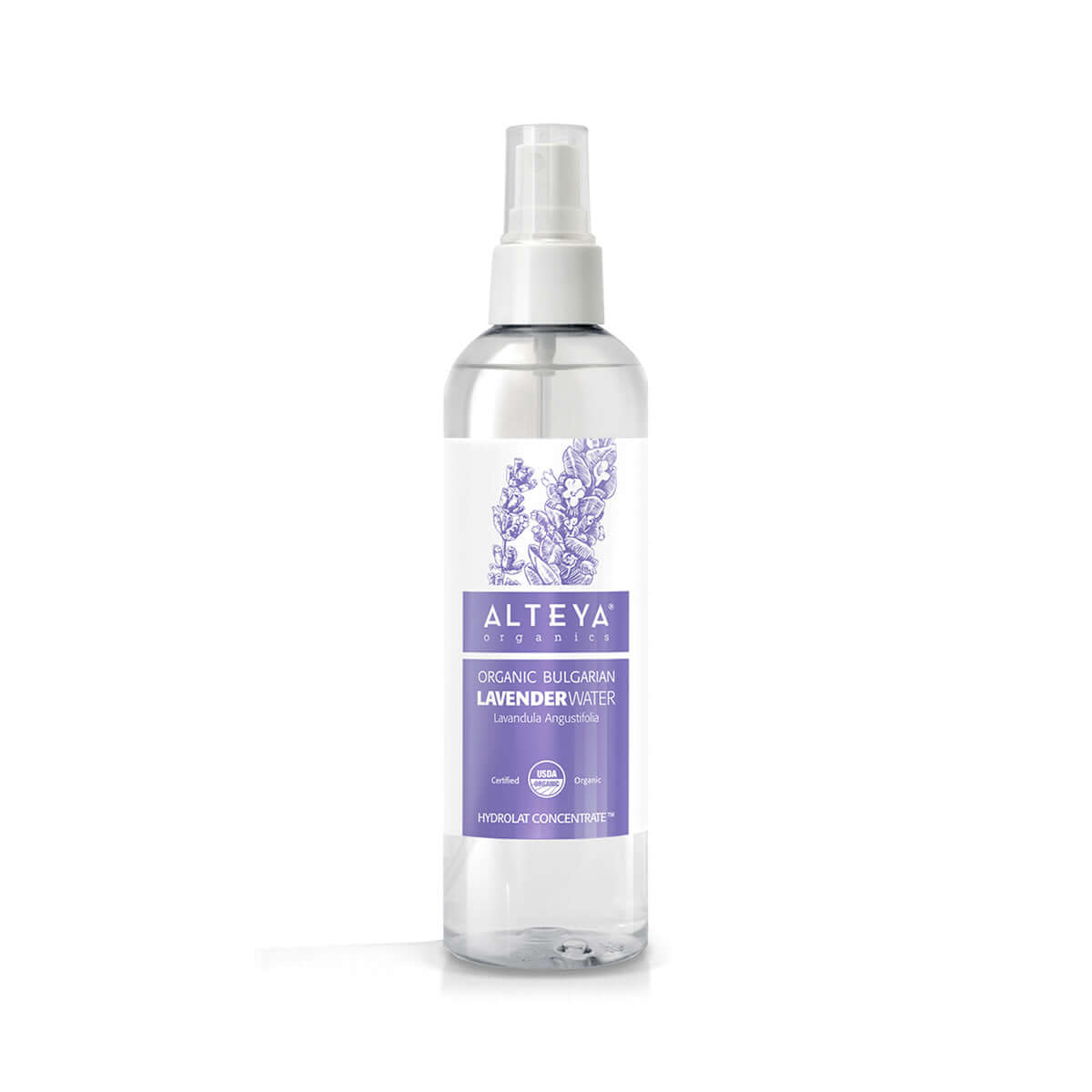
Lavender Water vs Lavender Essential Oil: What Is the Difference?

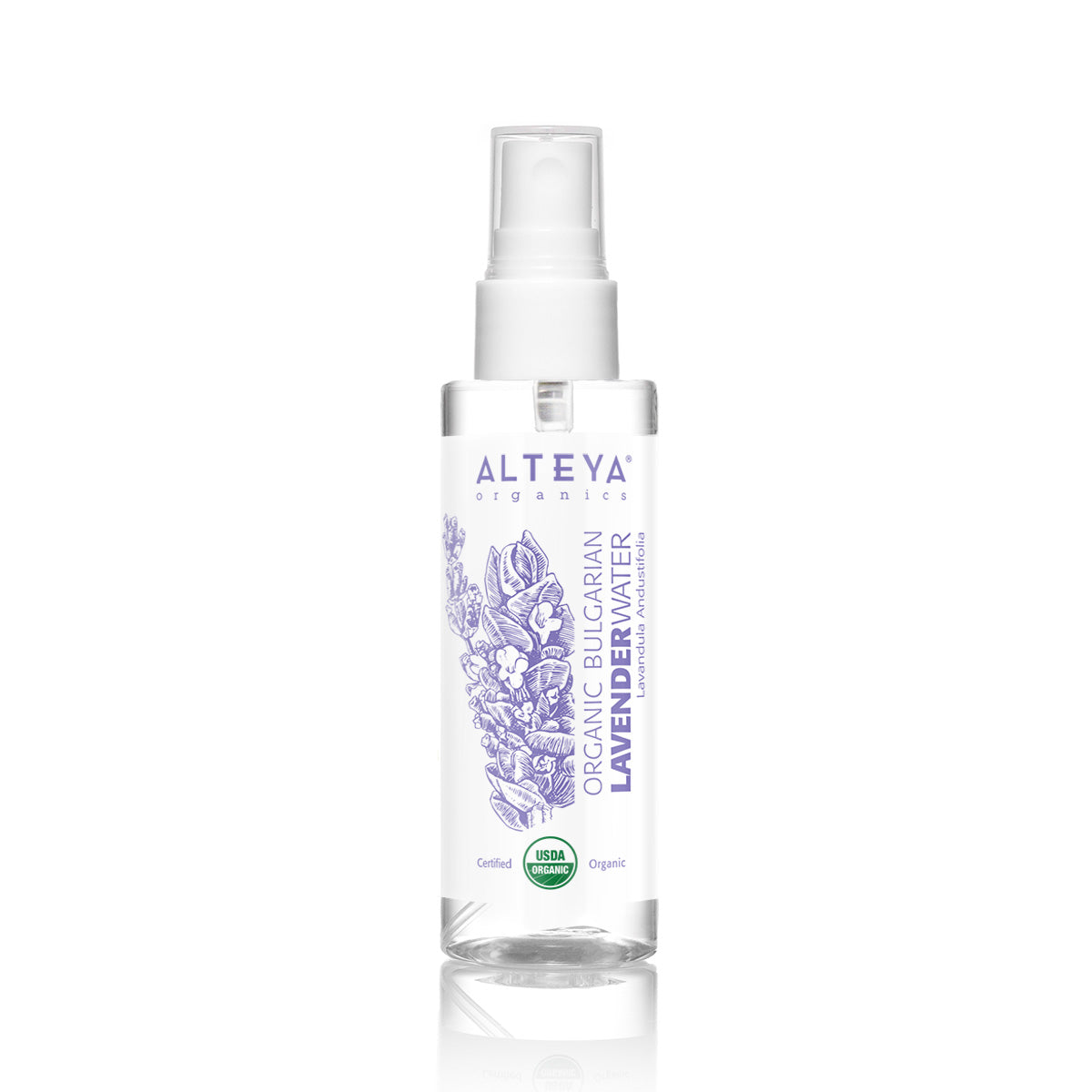
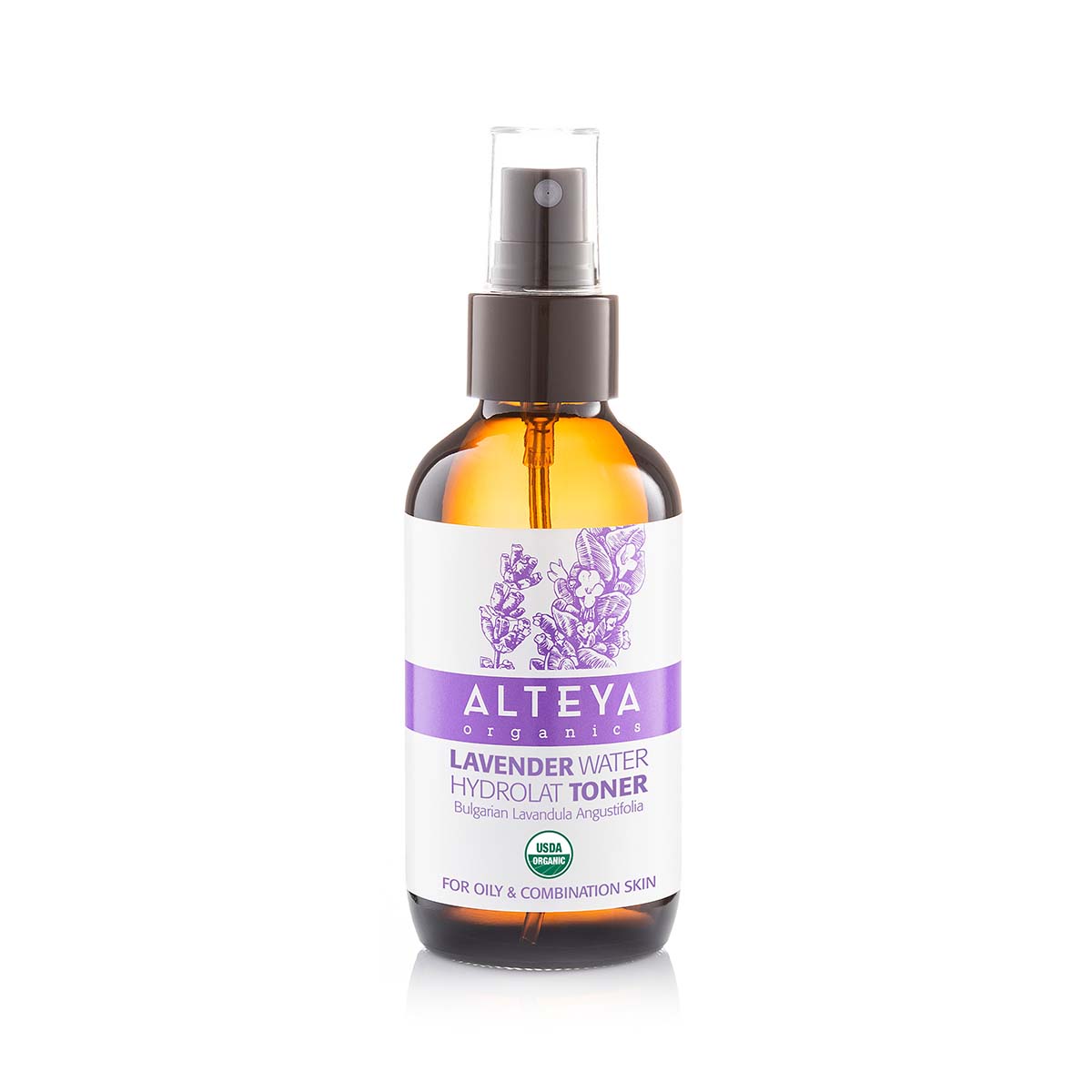
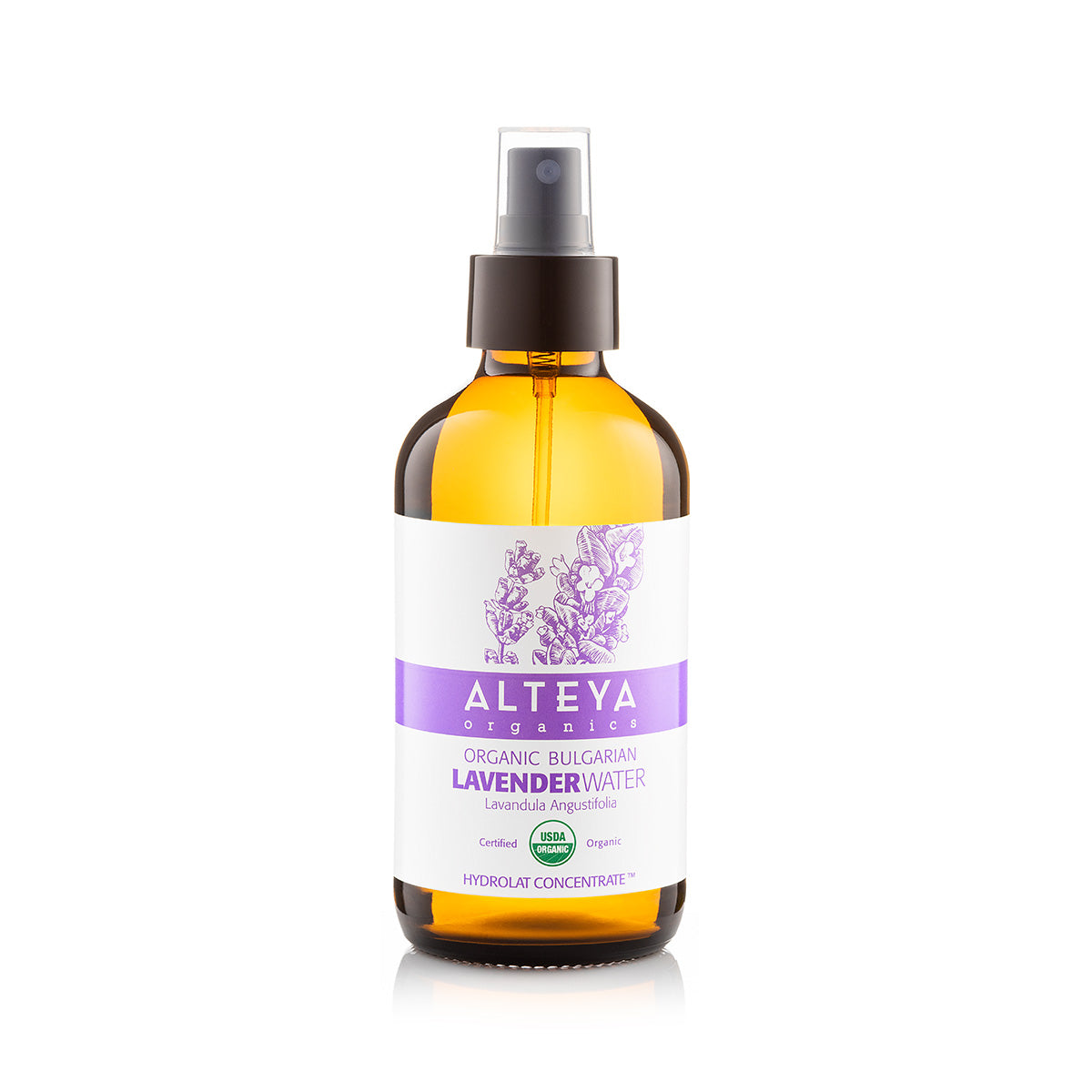
Lavender water (lavender hydrosol) and lavender essential oil are two different products produced from the same plant during the same distillation process.

Lavender Essential Oil vs Lavender Water
Comparison between lavender essential oil and lavender water hydrosol for concentration, production, application, aroma, and best use

Feature

Lavender Essential Oil

Lavender Water (Hydrosol)

Concentration

Lavender Essential Oil

Highly concentrated — always dilute before skin use

Lavender Water (Hydrosol)

Gentle hydrosol — suitable for direct skin application

Production

Lavender Essential Oil

Floats on the water phase during distillation

Lavender Water (Hydrosol)

The water phase remaining after distillation

Skin application

Lavender Essential Oil

Dilute 1–2 drops per 5ml carrier oil (1–2%)

Lavender Water (Hydrosol)

Apply directly — no dilution required

Daily use

Lavender Essential Oil

Targeted use — not for all-over daily application undiluted

Lavender Water (Hydrosol)

Daily toner, mist, pillow spray — all acceptable

Aroma intensity

Lavender Essential Oil

Intense — a few drops scent an entire room

Lavender Water (Hydrosol)

Subtle — gentle floral-herbal character

Best for

Lavender Essential Oil

Aromatherapy, targeted skin treatment, natural fragrance

Lavender Water (Hydrosol)

Daily skincare toning, sensitive skin, pillow mist

Both are valuable and serve different roles. Lavender water is the daily-use product - gentle enough for direct toning or misting without dilution. Lavender essential oil is the concentrated therapeutic product - more potent, more versatile for aromatherapy and formulation, and always diluted before skin application.

FREQUENTLY ASKED QUESTIONS

Alteya’s certified organic lavender grows in Bulgarian mountain regions above 900 metres elevation. High-altitude Lavandula Angustifolia produces oil with measurably higher concentrations of linalool (up to 40%) and linalyl acetate (up to 50%) compared to lower-altitude varieties. These compounds are directly associated with lavender’s calming, sleep-supportive, and skin-active properties - making altitude the primary quality differentiator among lavender oils.

Certified Organic Bulgarian Lavender from Alteya Organics

Alteya Organics grows and distills its certified organic Lavandula Angustifolia in Bulgarian mountain regions above 900 metres - producing an essential oil with the highest natural linalool and linalyl acetate concentrations. As a grower-distiller, the high-altitude Bulgarian grower-distiller controls every stage from field cultivation through distillation to finished certified product, with no intermediary supply chain.

Explore the certified organic lavender essential oil and full essential oils collection, the organic lavender waters co-produced during the same certified distillation, and the organic carrier oils recommended for lavender dilution.

Article: Lavender Essential Oil: Benefits, Uses, and Why Bulgarian Lavender Is Different

Inspired by nature

Lavender Essential Oil: Benefits, Uses, and Why Bulgarian Lavender Is Different

Lavender essential oil (Lavandula Angustifolia) is the world’s most widely used essential oil. The global aromatherapy market reached $3.5 billion in North America in 2024, growing at a compound annual rate of 8.73% through 2035 - with lavender the leading single oil category. Peer-reviewed clinical research has shown that inhaling lavender oil reduces cortisol levels - the primary stress hormone - by up to 25%.

Leave a comment

This site is protected by hCaptcha and the hCaptcha Privacy Policy and Terms of Service apply.

Read more

What Is Ectoin in Skincare
skincare

What Is Ectoin in Skincare? The Natural Skin Shield Your Routine Needs

Ectoin is a naturally derived amino acid compound first discovered in 1985 in the extremophile bacterium Ectothiorhodospira halochloris, found in the salt lakes of the Saharan desert. In skincare, ...

Read more
rose ingredients comparison
Inspired by nature

Rose Otto, Rose Absolute, Rose Concrete, Rosehip Oil, and Rose Water: Understanding the Difference

In skincare, aromatherapy, and fragrance, the word “rose” is often used to describe very different ingredients. Rose otto, rose absolute, rose concrete, rosehip oil, and rose water may sound relate...

Read more