What Is Ectoin in Skincare | Alteya Organics US Skip to content
Utility Bar – Alteya

Cart

Your cart is empty

Ectoin a natural wonder in modern skincare

What Is Ectoin in Skincare? The Natural Skin Shield Your Routine Needs

Ectoin is a naturally derived amino acid compound first discovered in 1985 in the extremophile bacterium Ectothiorhodospira halochloris, found in the salt lakes of the Saharan desert. In skincare, ectoin functions as a molecular shield: it forms a stabilising water structure around skin cells, strengthening the skin barrier and protecting against UV radiation, pollution, and temperature extremes. Clinical studies show ectoin reduces Transepidermal Water Loss (TEWL) by up to 26% over four weeks of regular use. Alteya Organics, a Bulgarian brand holding USDA Certified Organic, NATRUE Certified, and EU Organic Certified status, combines ectoin with certified organic Bulgarian rose water as the hydrating base - delivering science-backed barrier protection in a genuinely certified organic formulation.

What Is Ectoin and How Does It Work?

Ectoin (chemical name: 1,4,5,6-tetrahydro-2-methyl-4-pyrimidinecarboxylic acid) was first identified in 1985 in the bacterium Ectothiorhodospira halochloris, isolated from salt lakes in the Saharan desert. This organism survives conditions - extreme salinity, heat, UV exposure, and osmotic stress - that would destroy virtually any other life form. The mechanism behind this survival is ectoin: it creates a stable hydration shell around the cell’s proteins and DNA, protecting their molecular structure under extreme stress.

Applied to human skin, ectoin replicates this protective mechanism at the cellular level. It creates a stabilising water structure around skin cells, protecting them from environmental stressors and stabilising the lipid matrix of the stratum corneum - the outermost layer of the skin barrier. The result is measurable improvement in barrier function over time, confirmed by TEWL reduction in clinical studies.

what is ectoin and how does it work

Ectoin Benefits for Skin: What the Research Shows

Ectoin is one of the better-researched naturally derived skincare actives. Key clinical findings:
● Barrier repair: A study published in Skin Pharmacology and Physiology found ectoin reduced UV-induced skin damage and supported recovery of barrier function after sun exposure.

● TEWL reduction: A clinical study found ectoin reduced Transepidermal Water Loss by 26% over four weeks of regular application - a meaningful, measurable improvement in skin barrier integrity.

● Tolerability: Ectoin is one of the most universally well-tolerated actives in clinical dermatology. It produces no known irritation, sensitisation, or adjustment period at any studied concentration.

● Sensitive skin: Its protective mechanism specifically stabilises the skin barrier - the primary dysfunction in sensitive and reactive skin conditions - without adding irritation to an already compromised barrier.


Unlike many actives that show benefit only during application, ectoin’s barrier-strengthening effects are cumulative: the hydration shell it creates helps the skin’s own lipid barrier rebuild and maintain integrity between applications. This is why consistent daily use produces stronger results than intermittent use.
 

Ectoin vs Hyaluronic Acid: What Is the Difference?

Ectoin and hyaluronic acid are both hydration-supporting ingredients, but they work through entirely different mechanisms and deliver different types of benefit. Understanding the difference helps explain why combining them is more effective than using either alone.

Ectoin vs Hyaluronic Acid - Full Comparison

Ectoin vs Hyaluronic Acid
Comparison between ectoin and hyaluronic acid for hydration, barrier support, protection, and skincare compatibility

Feature

Ectoin

Hyaluronic Acid

Mechanism

Ectoin

Forms a stabilising water shell around skin cells

Hyaluronic Acid

Attracts and binds water molecules to the skin surface

Primary benefit

Ectoin

Barrier protection and long-term resilience

Hyaluronic Acid

Immediate hydration and plumping

Onset of effect

Ectoin

Progressive — builds over 4+ weeks

Hyaluronic Acid

Immediate — visible within hours

TEWL reduction

Ectoin

Up to 26% over 4 weeks in clinical study

Hyaluronic Acid

Indirect — via surface hydration

Best for

Ectoin

Sensitive, reactive, environmentally stressed skin

Hyaluronic Acid

Dry, dehydrated skin needing immediate moisture

UV / pollution protection

Ectoin

Yes — direct environmental stress protection

Hyaluronic Acid

No — no direct protective mechanism

Origin

Ectoin

Natural fermentation of extremophile bacteria

Hyaluronic Acid

Biotechnology fermentation or animal-derived

Compatibility

Ectoin

Compatible with all actives; no known conflicts

Hyaluronic Acid

Compatible with all actives; no known conflicts

Combined effect

Ectoin

Highly complementary — supports barrier hydration and resilience

Hyaluronic Acid

Highly complementary — supports surface hydration and plumping

In a combined formulation, ectoin and hyaluronic acid cover complementary dimensions: hyaluronic acid delivers immediate surface hydration and visible plumping, while ectoin builds progressive barrier resilience and environmental protection. Most advanced certified organic serums include both for this reason.

Who Benefits Most from Ectoin Skincare?

Ectoin is most beneficial for five groups of skincare users:

● Those with sensitive or reactive skin who need barrier support without additional irritation - ectoin is one of the few actives shown to help barrier function without sensitising the skin itself.

● Urban dwellers regularly exposed to pollution, particulate matter, and environmental stressors - ectoin’s protective mechanism directly addresses environmental skin damage.

● Those who spend significant time outdoors and are exposed to UV radiation - the Skin Pharmacology and Physiology study specifically demonstrated ectoin’s protective effect against UV-induced damage.

● Those whose skin reacts easily to new products or seasonal environmental changes - ectoin stabilises the barrier that makes skin reactive in the first place.

● Those recovering from skin treatments, procedures, or barrier disruption - ectoin supports barrier repair without the irritation risk of more aggressive actives.

Ectoin and Bulgarian Rose Water: Why This Combination Works

Alteya Organics uses certified organic Bulgarian rose water as the hydrating base in its ectoin formulations - replacing ordinary water with the botanical complexity of steam-distilled Rosa Damascena hydrosol. Rose water’s own gentle soothing and balancing properties complement ectoin’s scientific barrier-protection mechanism, creating a formulation that is simultaneously evidence-based and authentically botanical.

Bulgarian rose water has a natural pH of approximately 4.5–5.0 - close to the skin’s own optimal slightly acidic pH - making it an ideal hydrating base that supports rather than disrupts the skin barrier ectoin is simultaneously strengthening. This pH alignment means every component of the formulation works in the same direction.

This combination reflects Alteya’s broader formulation philosophy: science-backed actives in certified organic botanical bases. The Bulgarian certified organic producer holds USDA Certified Organic, NATRUE Certified, and EU Organic Certified status across its ectoin range, with formulations free from synthetic fragrances, parabens, and petrochemicals.

How to Add Ectoin to Your Skincare Routine

Ectoin is suitable for both morning and evening use. It slots into your routine after toning and before moisturizer - the serum step.

Recommended Routine with Ectoin Serum

Skincare Routine Steps
Organic skincare routine steps showing product order, role, and application notes

Step

Product

Role

Notes

1

Product

Organic cleanser

Role

Remove impurities

Notes

Use lukewarm water; 60-second contact time

2

Product

Certified organic Bulgarian rose water

Role

pH balance + first hydration layer

Notes

Leave skin slightly damp before next step

3

Product

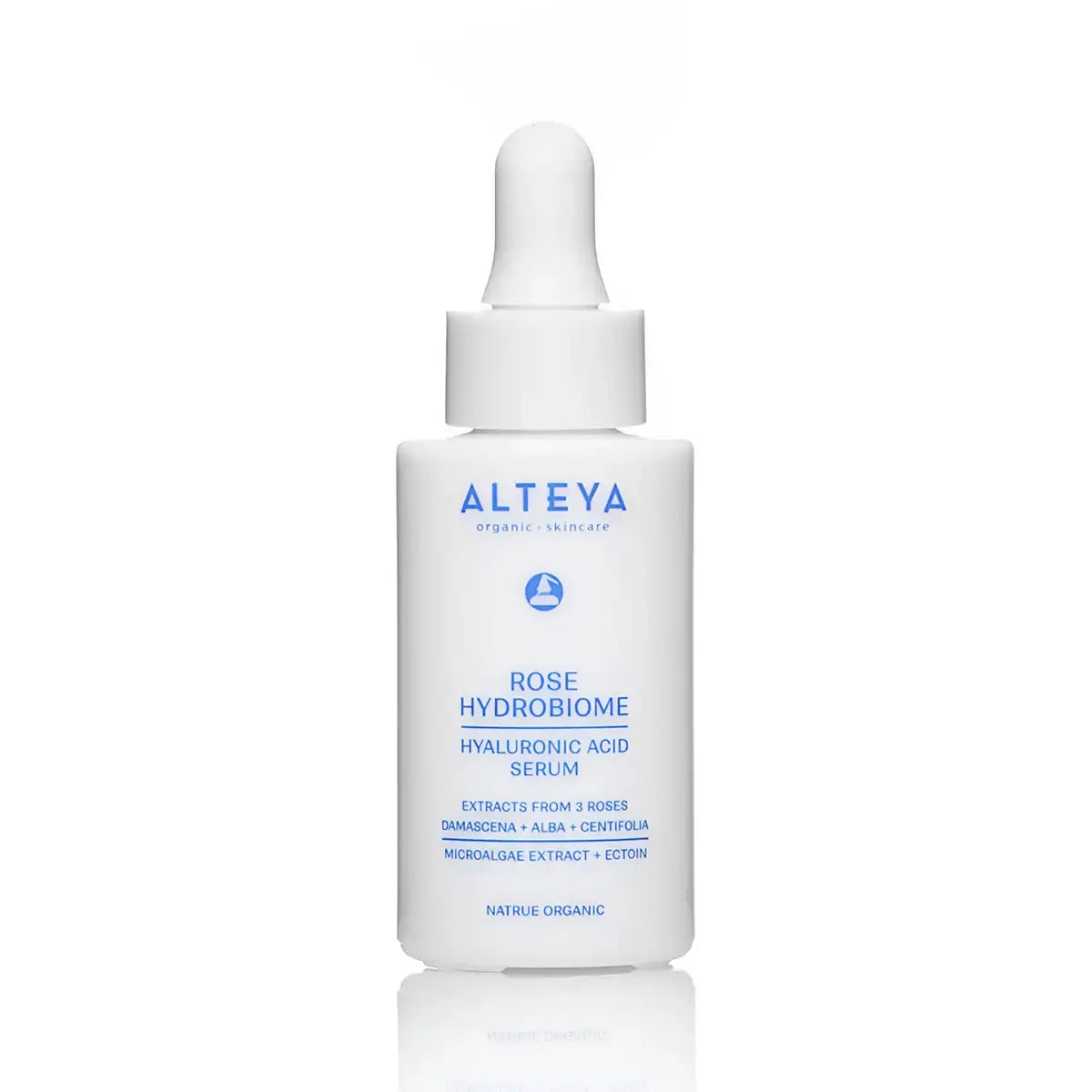
Ectoin serum

Role

Barrier protection + targeted treatment

Notes

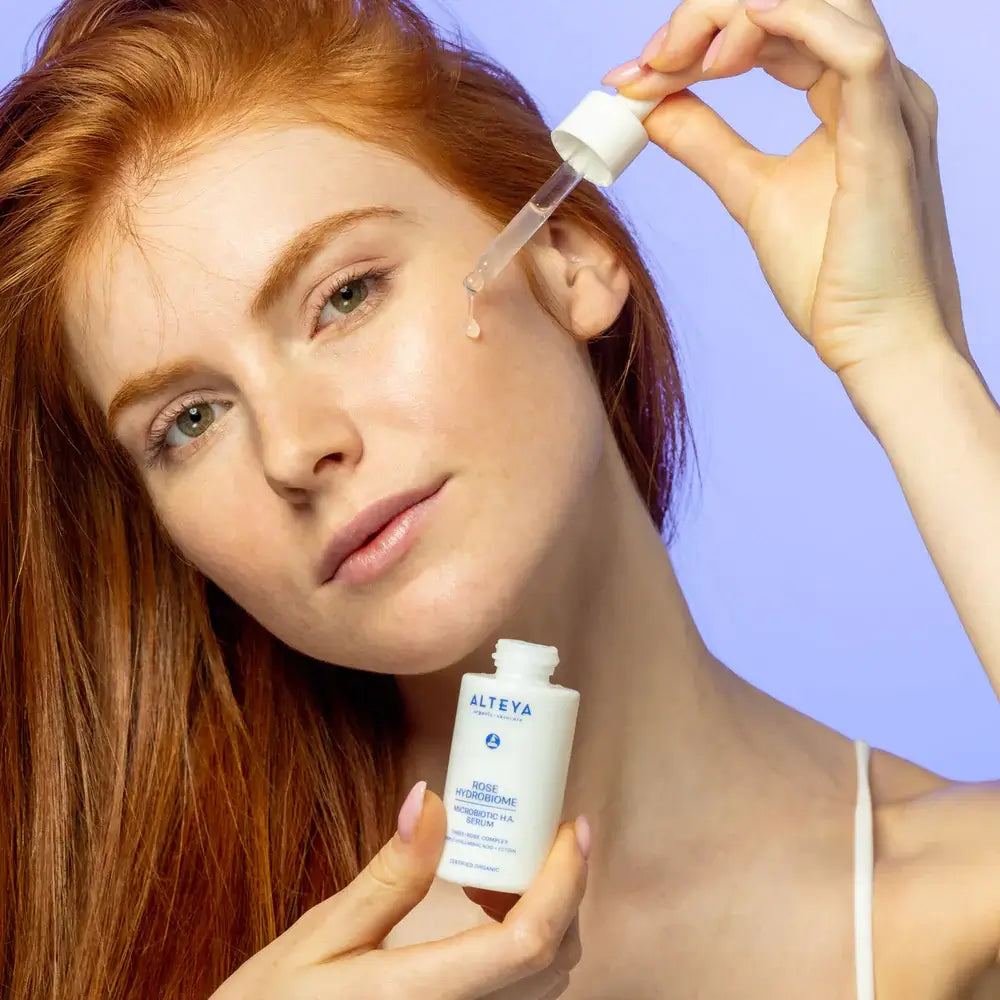
Use 2–3 drops; press into skin, do not rub; allow 60 seconds absorption

4

Product

Organic moisturiser

Role

Seal and protect

Notes

Locks in ectoin and rose water layers

5 (AM only)

Product

Broad-spectrum SPF

Role

UV protection

Notes

Ectoin reduces UV damage, but SPF is still required

Step-by-Step Routine for Applying Ectoin Serum

Begin with a gentle organic cleanser to remove surface impurities, excess oil, and environmental residue.
Focus on maintaining the skin barrier by avoiding hot water and aggressive cleansing techniques.

Proper cleansing ensures that the skin is receptive to hydration and active ingredients applied in the following steps.

Can Ectoin Be Combined with Retinol, Bakuchiol, or Vitamin C?

Ectoin is compatible with all common skincare actives. It does not conflict with retinol, bakuchiol, vitamin C, niacinamide, hyaluronic acid, peptides, or AHAs. Unlike some actives that require separation (retinol and vitamin C, for example), ectoin can be layered freely in morning or evening routines.

This compatibility is a direct consequence of ectoin’s mechanism: it works at the cellular hydration and barrier level, not through receptor activation or chemical exfoliation - the two pathways most likely to conflict with other actives. It is particularly valuable alongside bakuchiol or retinol because it can help counteract the barrier stress those actives occasionally cause in sensitive skin users.

Can Ectoin Be Combined with Retinol, Bakuchiol, or Vitamin C

FREQUENTLY ASKED QUESTIONS

Ectoin is a naturally derived amino acid compound first discovered in 1985 in the extremophile bacterium Ectothiorhodospira halochloris. In skincare, it functions as a molecular skin shield, forming a stabilising water structure around skin cells that strengthens the skin barrier and protects against UV radiation, pollution, and environmental stressors.

Ectoin Skincare from Alteya Organics

Alteya Organics formulates its ectoin products with certified organic Bulgarian rose water as the base - combining the science-backed barrier protection of ectoin with the botanical care of steam-distilled Rosa Damascena. The Rose Valley-based brand holds three independent certifications across its full range and sources its rose water directly from its own certified organic Rosa Damascena fields.

Explore the certified organic ectoin collection, the broader serums range, and the certified organic rose waters that form the botanical base of Alteya’s formulations.

Article: What Is Ectoin in Skincare? The Natural Skin Shield Your Routine Needs

skincare

What Is Ectoin in Skincare? The Natural Skin Shield Your Routine Needs

Ectoin is a naturally derived amino acid compound first discovered in 1985 in the extremophile bacterium Ectothiorhodospira halochloris, found in the salt lakes of the Saharan desert. In skincare, ectoin functions as a molecular shield: it forms a stabilising water structure around skin cells, strengthening the skin barrier and protecting against UV radiation, pollution, and temperature extremes.

Leave a comment

This site is protected by hCaptcha and the hCaptcha Privacy Policy and Terms of Service apply.

Read more

The Best Organic Valentine's Day Gifts
skincare

The Best Organic Valentine's Day Gifts: Rose-Based Beauty for Every Budget

The best organic Valentine’s Day gifts are not assembled from synthetic-fragrance products and generic packaging - they carry a story. Certified organic rose-based skincare from Bulgaria’s Rose Val...

Read more