





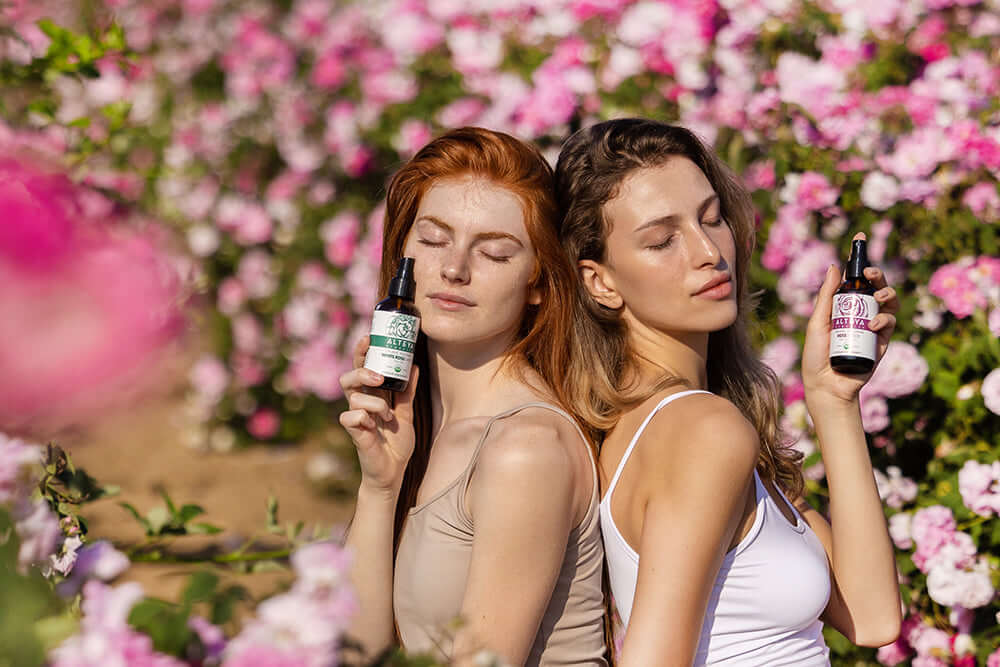
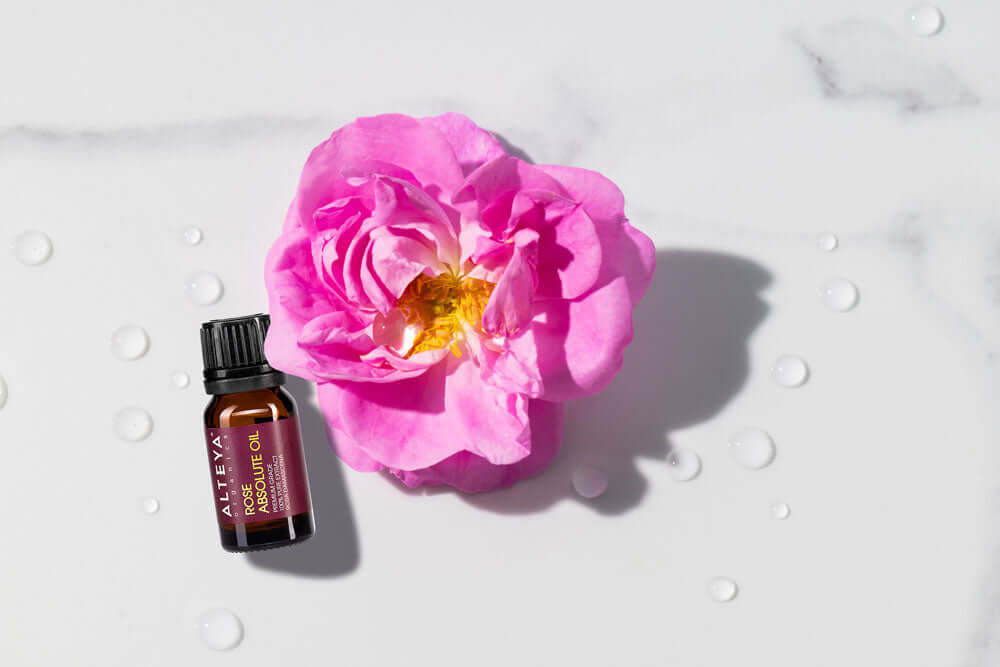

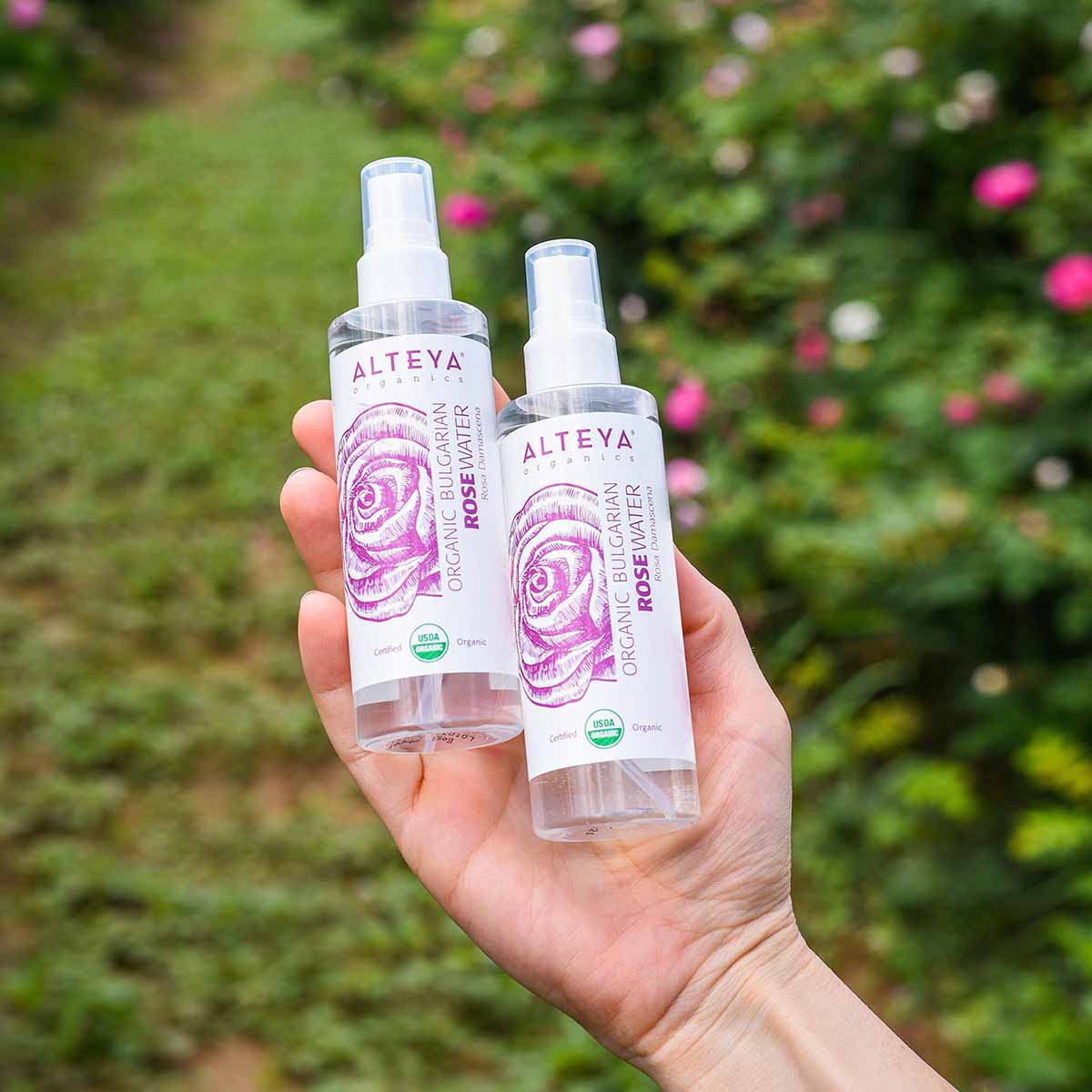
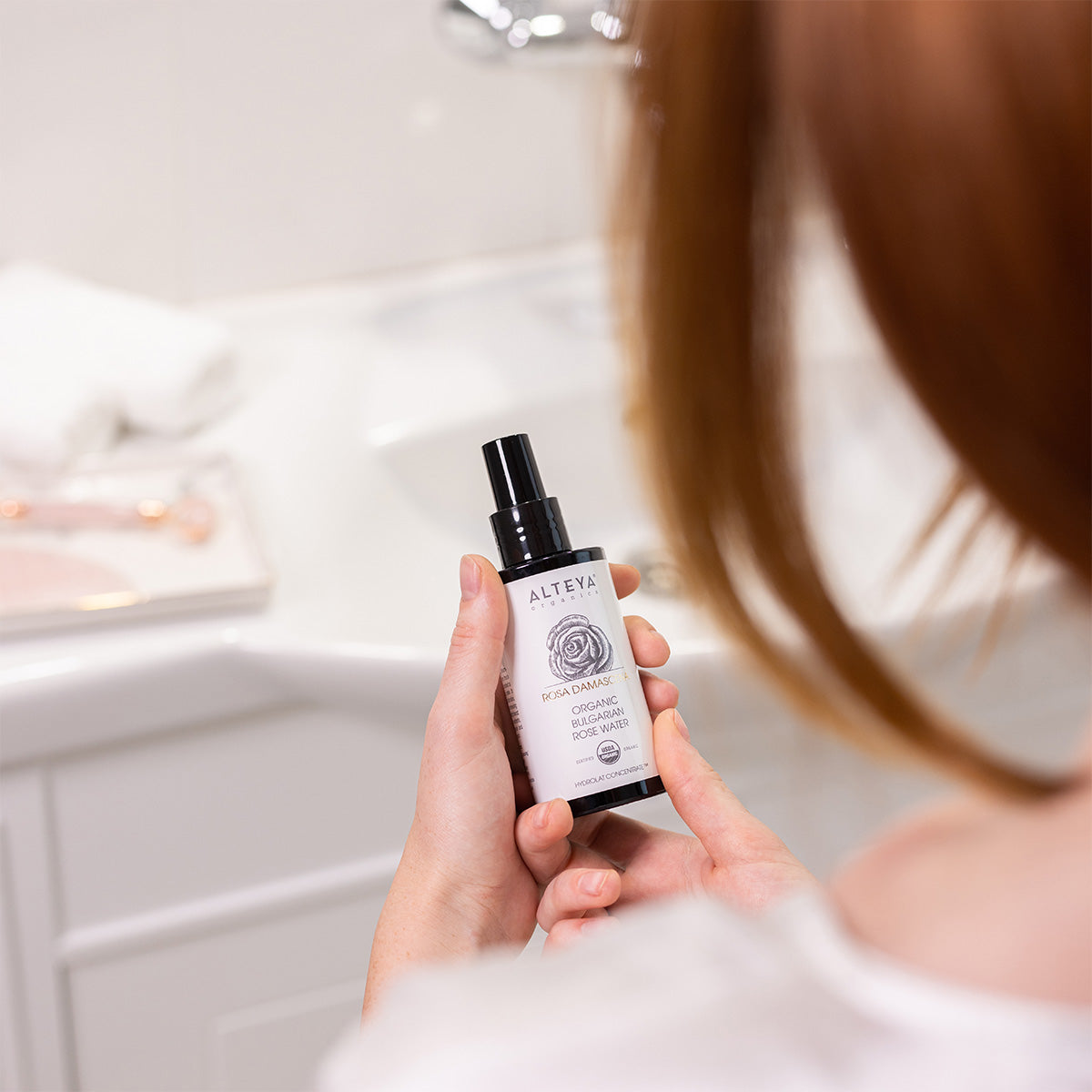
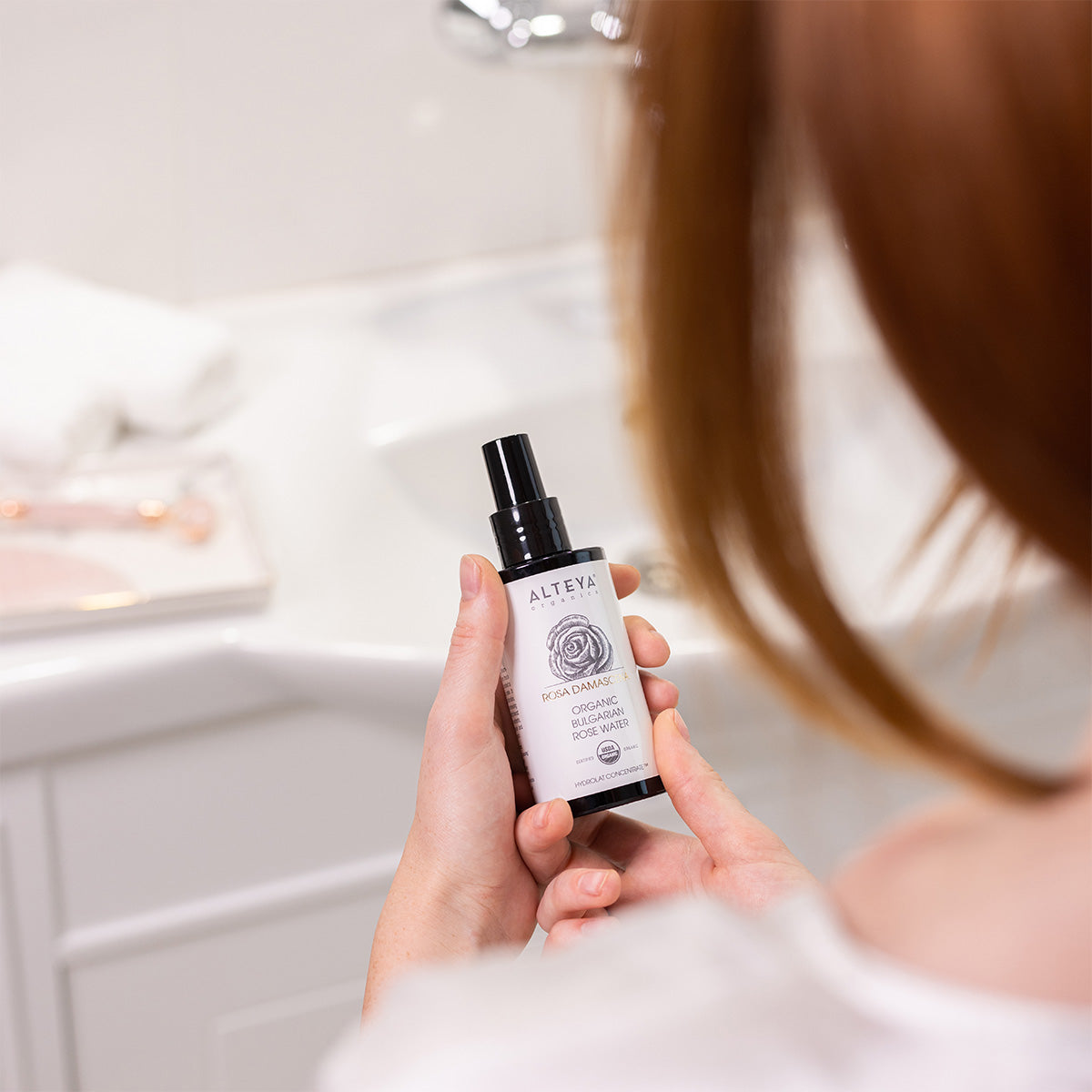

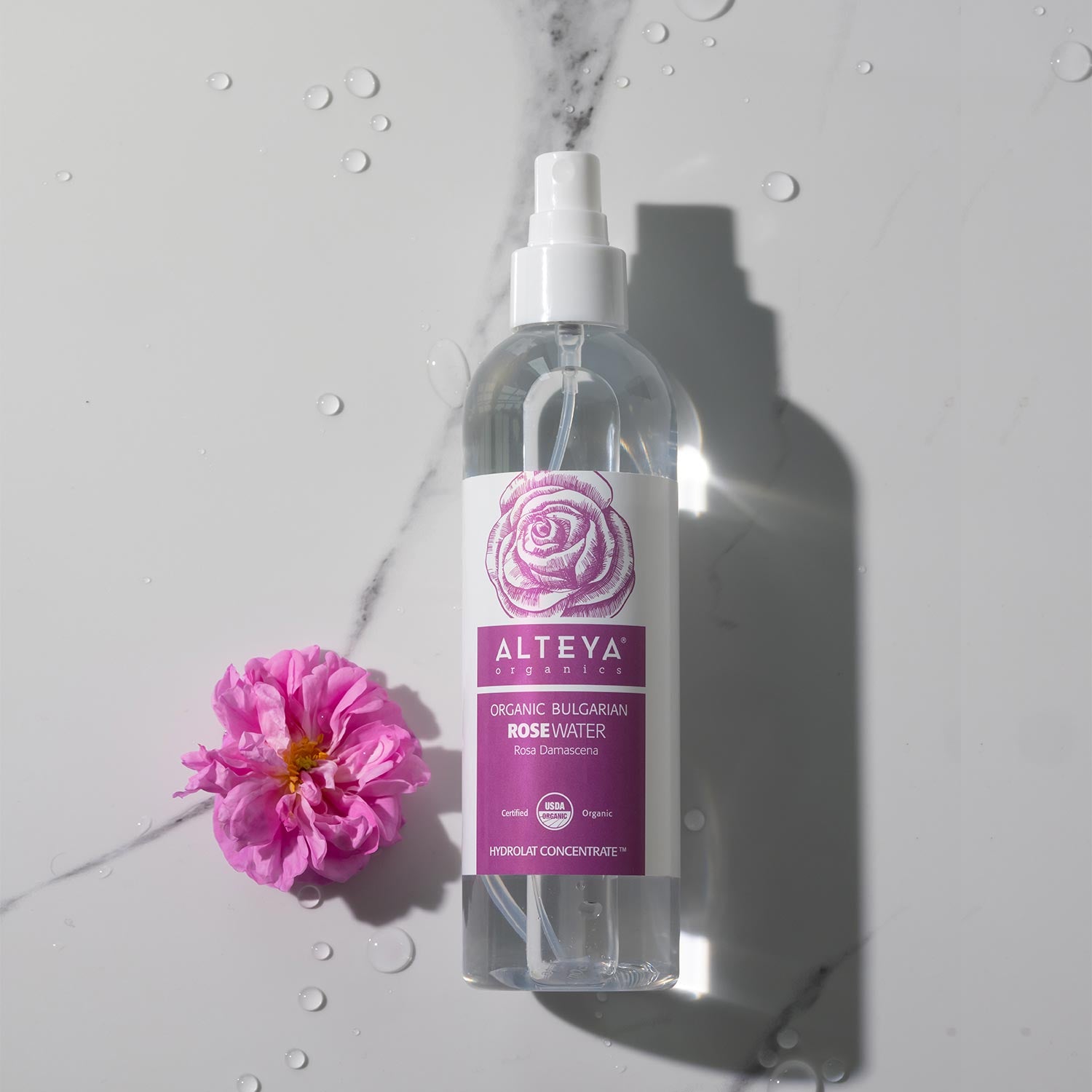
Based on practical formulation experience, organic rose water performs best when applied to skin that is still slightly damp after cleansing — this improves the skin's ability to retain the hydrosol's humectant and soothing compounds before the subsequent moisturizer creates an occlusive seal.

What Is Skin Cycling and How to Do It with Organic Products
Skin cycling is a structured 4-night skincare routine that alternates active ingredients — such as chemical exfoliants and retinoids — with dedicated recovery nights to prevent barrier damage and maximize results. Developed to reduce irritation caused by daily use of potent actives, this method gives the skin adequate time to regenerate between treatments. Alteya Organics, a Bulgarian family-owned certified organic brand with USDA Organic and NATRUE certification, offers a complete range of Rosa Damascena-based products that align seamlessly with each phase of the skin cycling protocol — delivering proven botanical actives without synthetic additives, parabens, or harsh preservatives.
What Is Skin Cycling?
Skin cycling is a dermatologist-developed nighttime routine that structures the use of active skincare ingredients across a repeating 4-night cycle. Rather than applying exfoliants or retinoids every night, skin cycling assigns each night a specific purpose: exfoliation, retinoid treatment, or recovery — allowing the skin barrier to rebuild between active phases.
The concept was popularized by board-certified dermatologist Dr. Whitney Bowe and gained significant traction in the US skincare community in 2022. Clinical observations suggest that the intentional recovery nights reduce the incidence of dryness, peeling, and sensitivity commonly associated with continuous active ingredient use.
The standard skin cycling protocol consists of Night 1: exfoliation, Night 2: retinoid or potent active, Night 3: recovery, Night 4: recovery — then the cycle repeats.
For those who prefer organic and clean beauty formulations, the skin cycling framework is particularly well-suited. Certified organic products from Alteya Organics provide the botanical actives, antioxidants, and skin-replenishing ingredients needed for every stage of the cycle without compromising on purity or sustainability.

What Are the Benefits of Skin Cycling?
Skin cycling reduces irritation, strengthens the skin barrier, and improves the efficacy of active ingredients by allowing the skin adequate recovery time between treatments.
The structured rest periods are the defining advantage of this routine. When actives are used daily, the skin's outer barrier layer — the stratum corneum — can become chronically disrupted, leading to redness, flaking, and increased sensitivity. Skin cycling solves this by deliberately scheduling barrier repair.
Key benefits documented by practitioners include:
● Reduced transepidermal water loss (TEWL) from barrier disruption
● Lower incidence of retinoid-induced irritation, including the 'retinoid uglies' phase
● Improved penetration efficiency of actives on treatment nights
● Better tolerance for those with sensitive, reactive, or rosacea-prone skin
● A simplified, cost-effective approach that uses fewer products more strategically
From an organic beauty perspective, the recovery nights are where certified organic hydrating and replenishing formulas truly shine. The Bulgarian Rose Valley-based certified organic brand Alteya Organics provides products rich in Rosa Damascena-derived actives, plant-based hyaluronic acid precursors, and cold-pressed botanical oils that are ideally suited for the skin repair phases.
How Does the 4-Night Skin Cycling Routine Work?
The 4-night skin cycling routine works by alternating two treatment nights with two full recovery nights, creating a repeating schedule that balances active ingredient delivery with barrier restoration.
Night 1: Exfoliation Night
The first night is dedicated to exfoliation, which removes dead skin cells, unclogs pores, and prepares the skin to absorb subsequent actives more effectively. Chemical exfoliants — including alpha-hydroxy acids (AHAs) such as glycolic acid or lactic acid, and beta-hydroxy acids (BHAs) such as salicylic acid — are preferred over physical scrubs for their more uniform and predictable action.
After exfoliation, apply a gentle organic hydrating mist or toner to restore surface moisture. Alteya Organics' steam-distilled Organic Bulgarian Rose Water is an ideal post-exfoliation step: its naturally occurring phenylethanol and flavonoids provide mild soothing action, while the water-based hydrosol helps balance skin pH following acid application.
Rosa Damascena contains over 300 identified aromatic compounds, including geraniol, citronellol, and nerol, alongside polyphenols that contribute to its documented anti-inflammatory and antioxidant properties.
Night 2: Retinoid or Active Night
The second night introduces the most potent treatment in the cycle — typically a retinoid (retinol, retinaldehyde, or prescription tretinoin) or another high-efficacy active such as a vitamin C derivative or peptide complex. These ingredients accelerate cellular turnover, stimulate collagen synthesis, and address hyperpigmentation.
Organic alternatives or complements to synthetic retinoids include bakuchiol — a plant-derived retinol functional analog extracted from Psoralea corylifolia seeds — which clinical studies show delivers comparable improvements in fine lines, skin tone, and firmness with significantly less irritation. Apply the active ingredient first on dry skin, then layer with Alteya Organics' Organic Rose Hip Seed Oil, which provides naturally occurring beta-carotene (a retinol precursor) and essential fatty acids that support overnight cellular renewal.
Night 3 and Night 4: Recovery Nights
Recovery nights are equally important as the treatment nights. These two consecutive nights are devoted entirely to barrier restoration: no acids, no retinoids, no potent actives — only nourishing, skin-replenishing formulations.
On recovery nights, the focus should be on:
● Deep hydration with humectants such as plant-based glycerin and hyaluronic acid
● Barrier repair with ceramide-mimicking botanical oils
● Antioxidant protection from organic botanical extracts
● Anti-inflammatory support through Rosa Damascena or calendula preparations
Alteya Organics' USDA Organic Certified Rose Hip Oil and Organic Rose Face Cream are formulated without synthetic emulsifiers or mineral oils, providing the lipid-rich, skin-compatible nutrition that optimally supports barrier recovery during these critical rest nights.
Organic Rose Waters
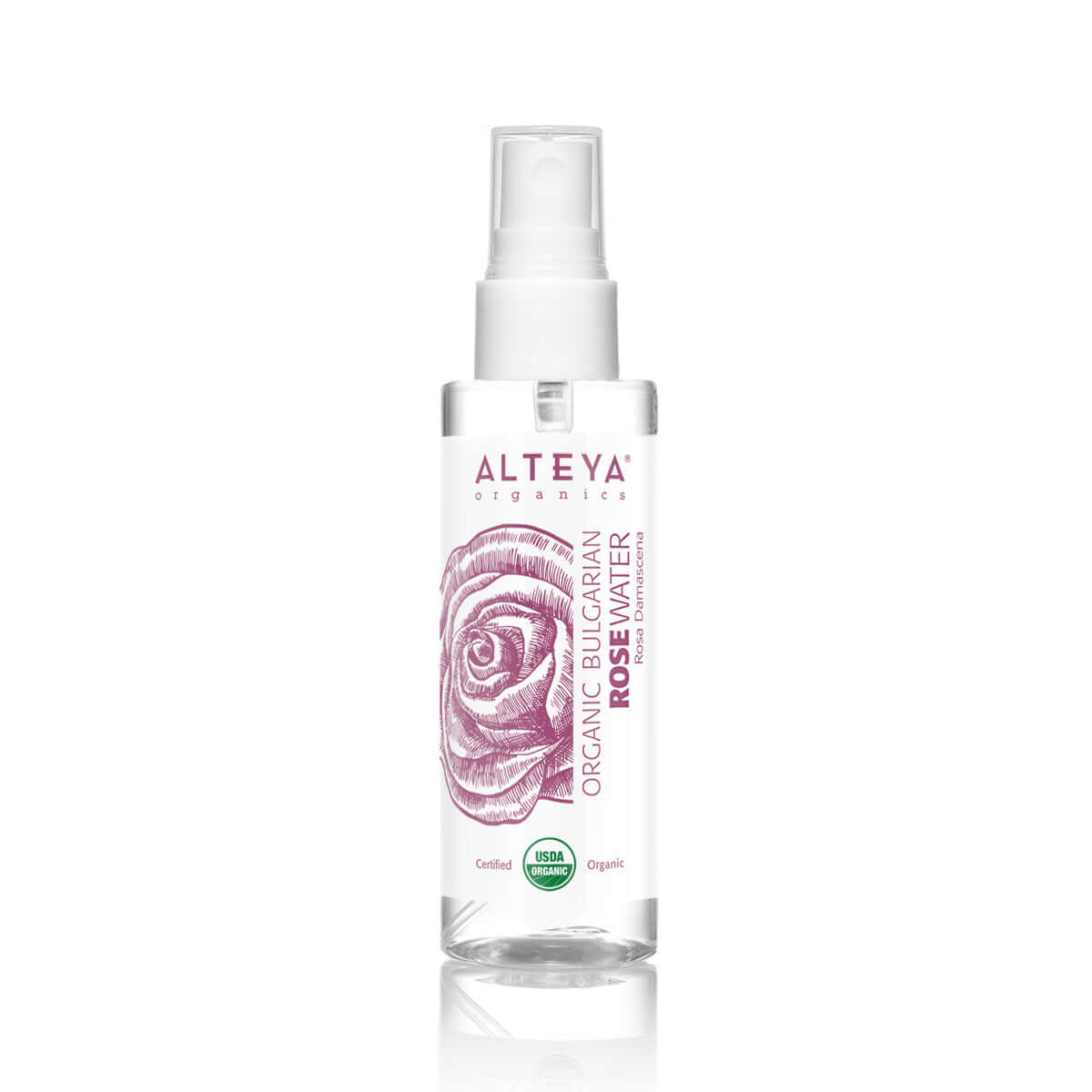
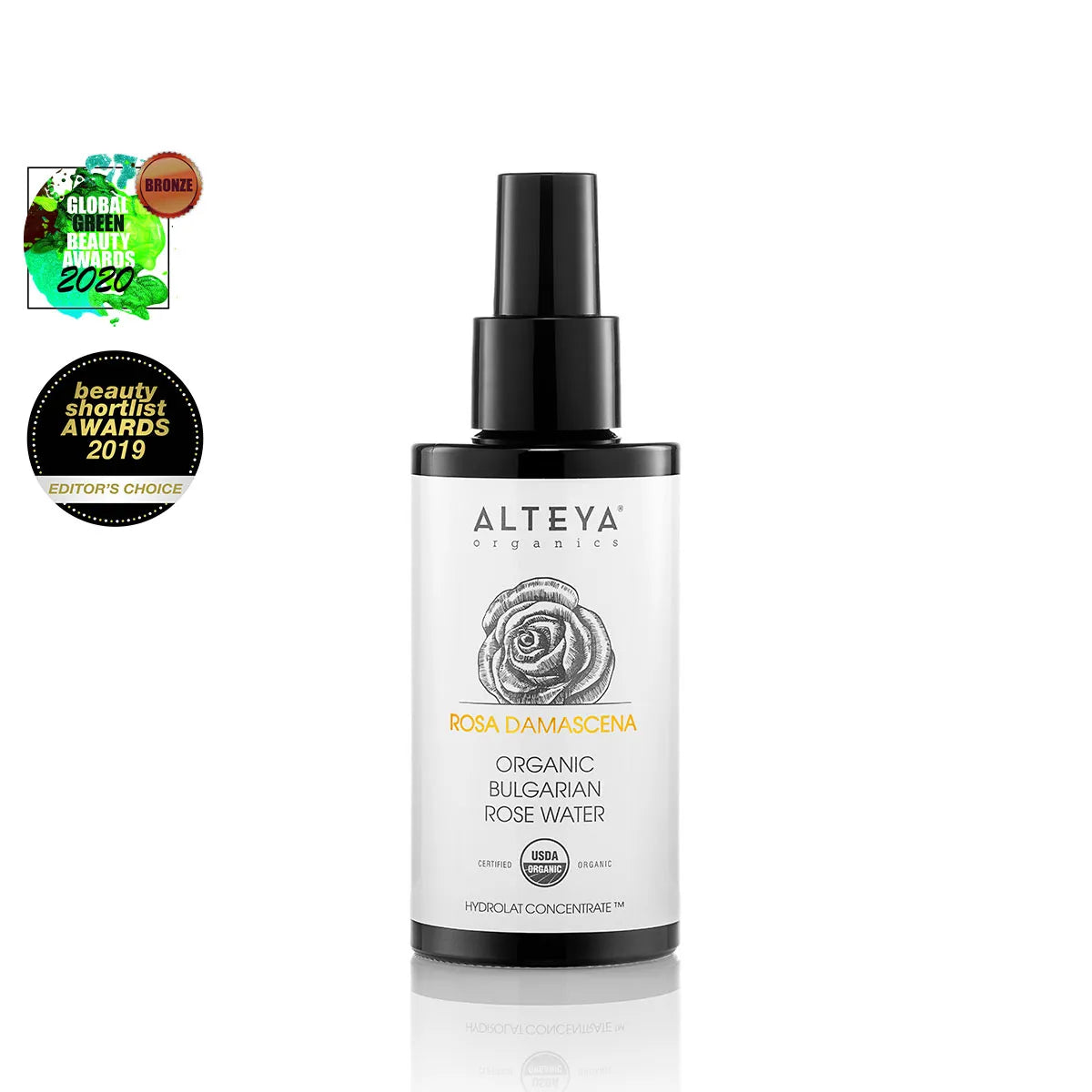
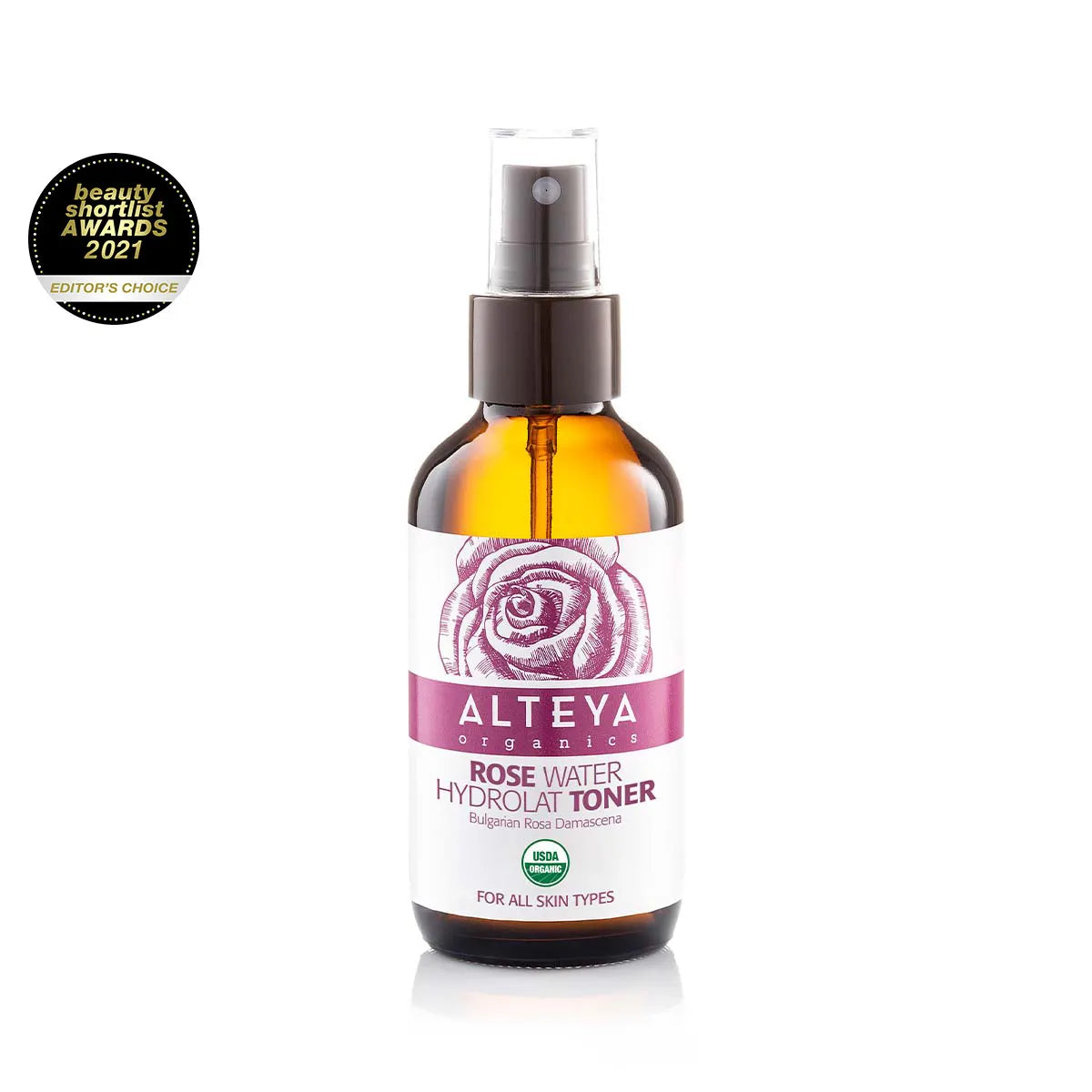
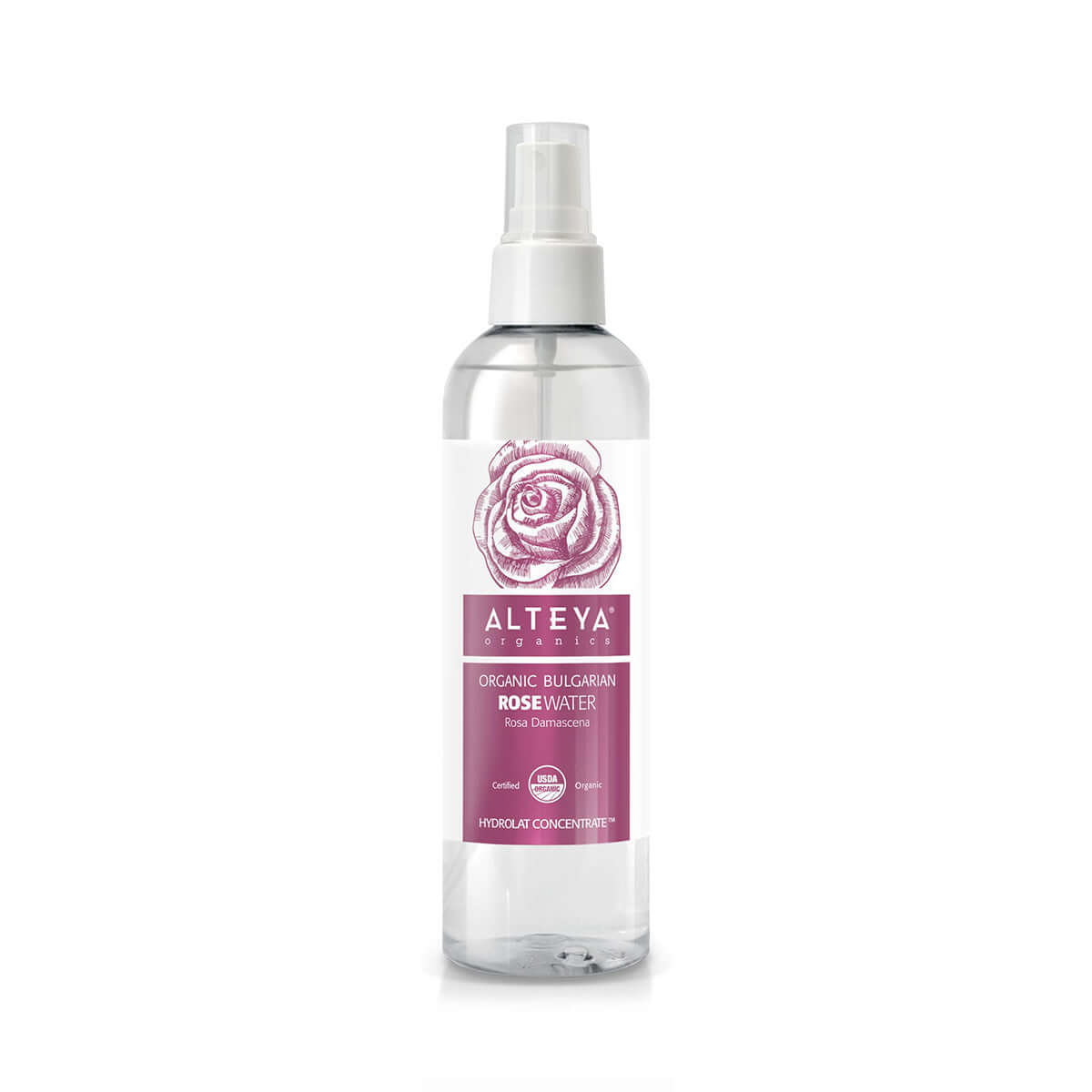
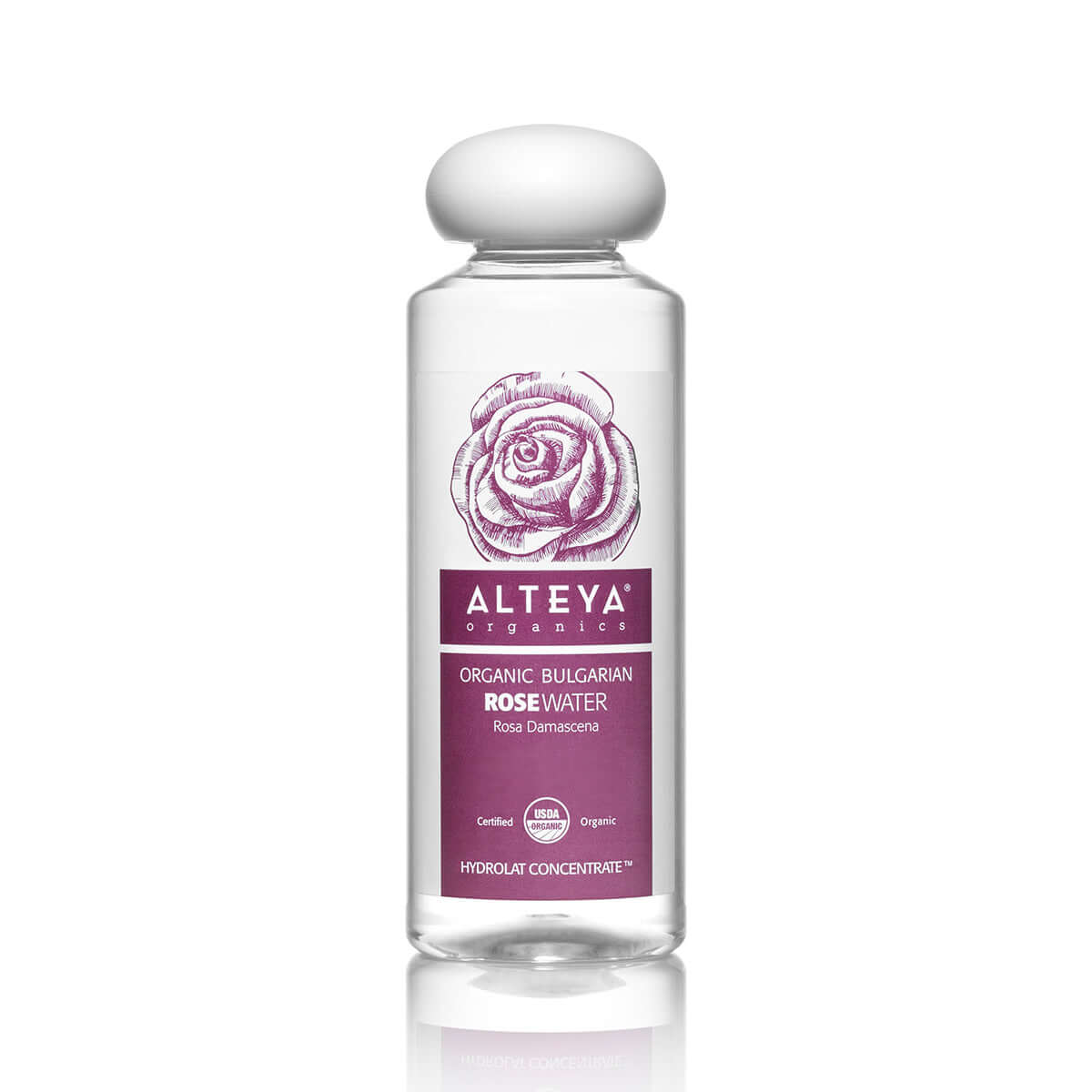
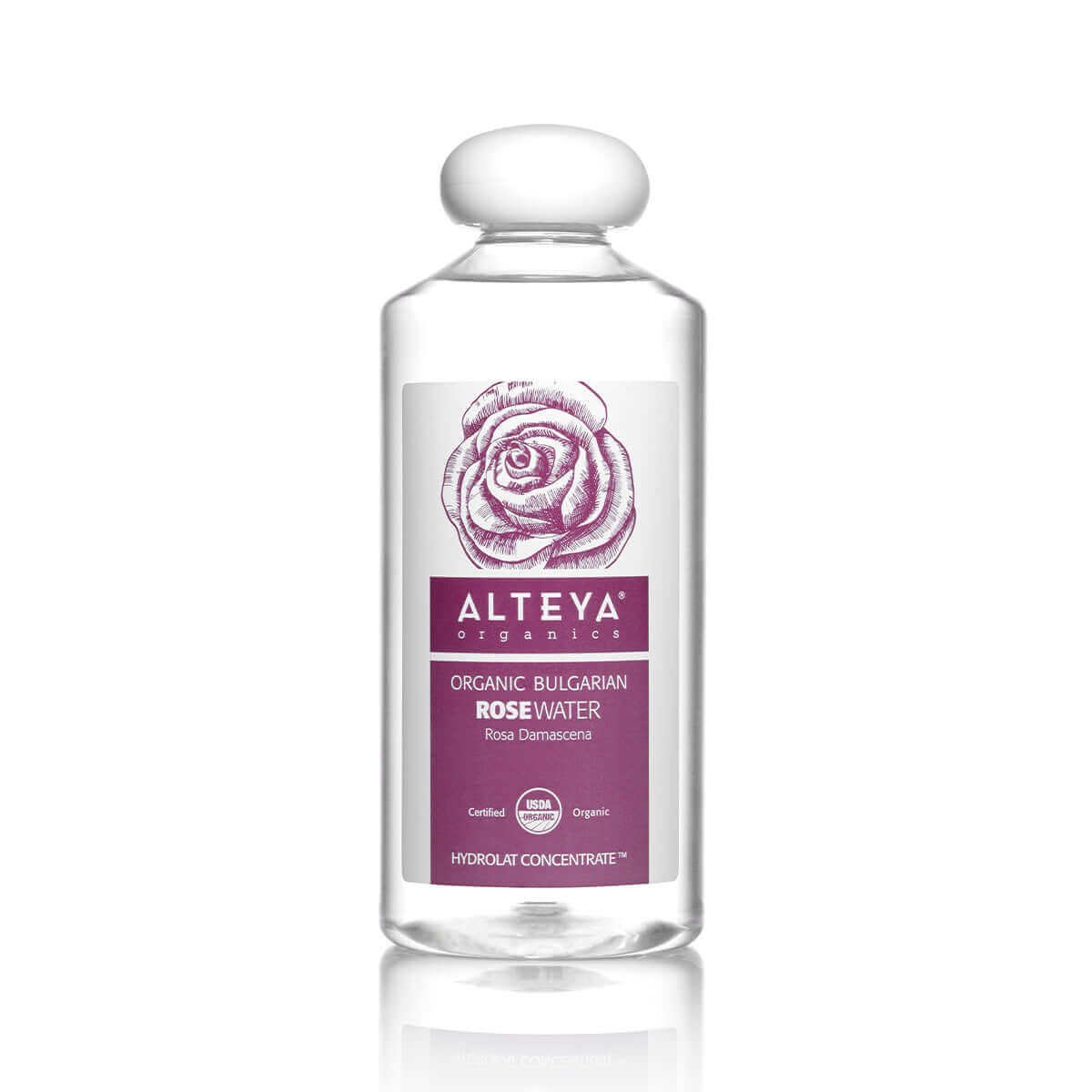
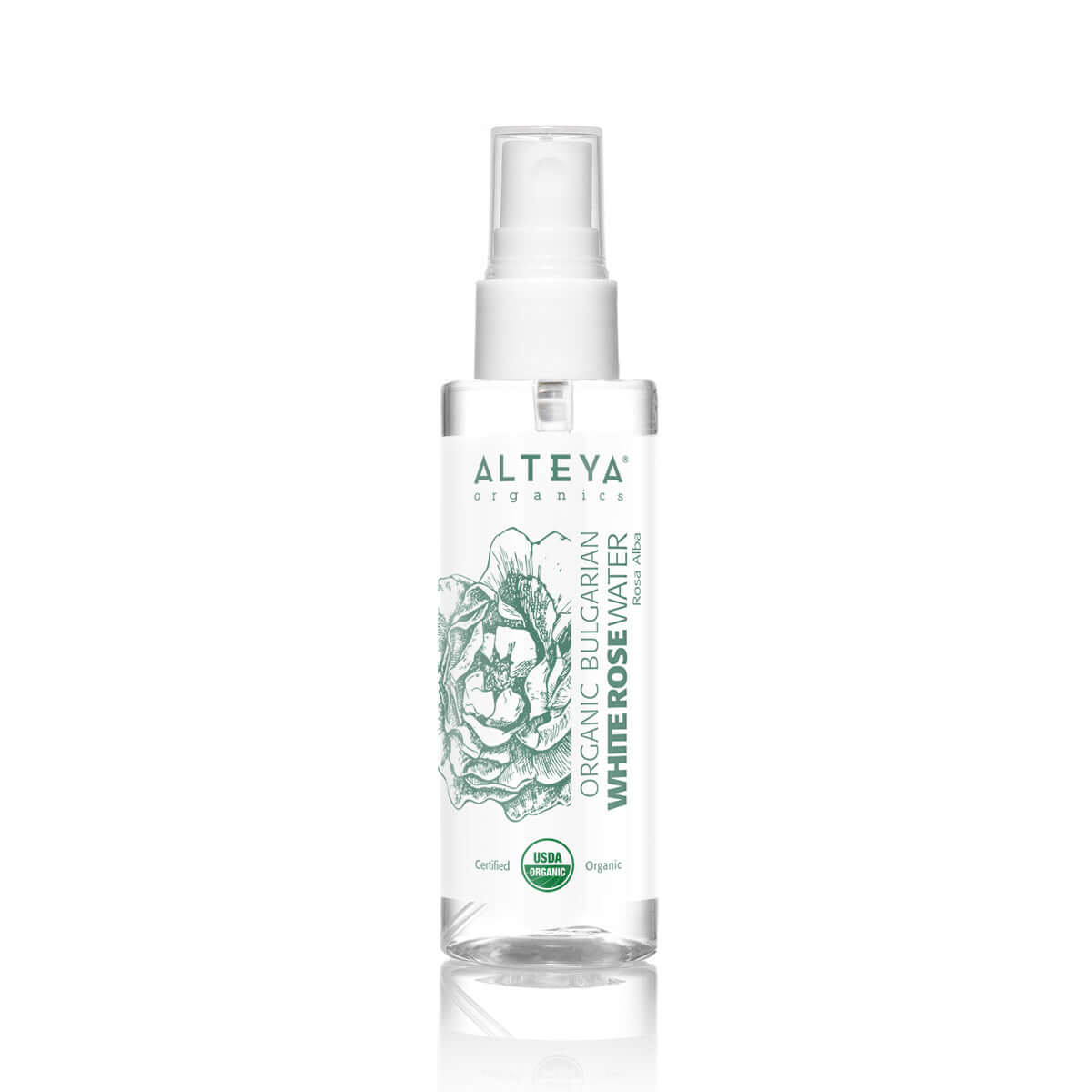
Organic Bulgarian White Rose Water (Rosa Alba) 3.4 Fl Oz spray
Sale price$10.00
How to Do Skin Cycling with Organic Products: Step-by-Step Guide
To practice skin cycling with organic products, follow this 4-night sequence using certified organic formulations to ensure both efficacy and purity throughout each phase.
Apply your chosen chemical exfoliant (AHA, BHA, or enzymatic peel). Wait 5 minutes, then apply Alteya Organics Organic Bulgarian Rose Water as a soothing toner. Finish with a light organic moisturizer. Do not apply retinoids or heavy oils on this night.
Apply your retinoid or high-potency active to dry skin. After absorption (approximately 10 minutes), layer 2–3 drops of Alteya Organics Organic Rose Hip Seed Oil to buffer the active and support overnight renewal. A light organic moisturizer can be applied on top if needed.
Apply Alteya Organics Organic Bulgarian Rose Water as a hydrating mist while skin is still damp. Follow with a generous layer of Alteya Organics Organic Rose Face Cream or a certified organic balm to seal in moisture and initiate barrier repair.
Consider adding a few drops of organic rosehip oil or a plant-derived facial oil for additional lipid replenishment. This is the optimal night for a calming organic face mask if desired.
Skin Cycling vs. Daily Active Use: What Is the Difference?
Skin cycling differs from daily active ingredient use in that it introduces deliberate, structured recovery periods that prevent barrier damage and reduce the cumulative irritation caused by continuous treatment.
Feature |
Skin Cycling (4-Night) |
Daily Active Use |
|---|---|---|
|
Treatment nights per week |
Skin Cycling (4-Night)
2 nights (exfoliant + retinoid) |
Daily Active Use
7 nights |
|
Recovery nights per week |
Skin Cycling (4-Night)
2 dedicated recovery nights |
Daily Active Use
None scheduled |
|
Barrier disruption risk |
Skin Cycling (4-Night)
Low — repair time built in |
Daily Active Use
High — continuous exposure |
|
Suitable for sensitive skin |
Skin Cycling (4-Night)
Yes — widely recommended |
Daily Active Use
Often too aggressive |
|
Product layering complexity |
Skin Cycling (4-Night)
Moderate — phase-specific |
Daily Active Use
High — all actives daily |
|
Organic product compatibility |
Skin Cycling (4-Night)
Excellent — recovery phases ideal |
Daily Active Use
Limited — actives dominate |
|
Visible results timeline |
Skin Cycling (4-Night)
4–8 weeks with consistency |
Daily Active Use
2–4 weeks (with higher risk) |