What Is Bulgarian Rose Water and Why Is It Different from Regular Rose Water | Alteya Organics US Skip to content
Utility Bar – Alteya

Cart

Your cart is empty

What Is Bulgarian Rose Water and Why Is It Different from Regular Rose Water?

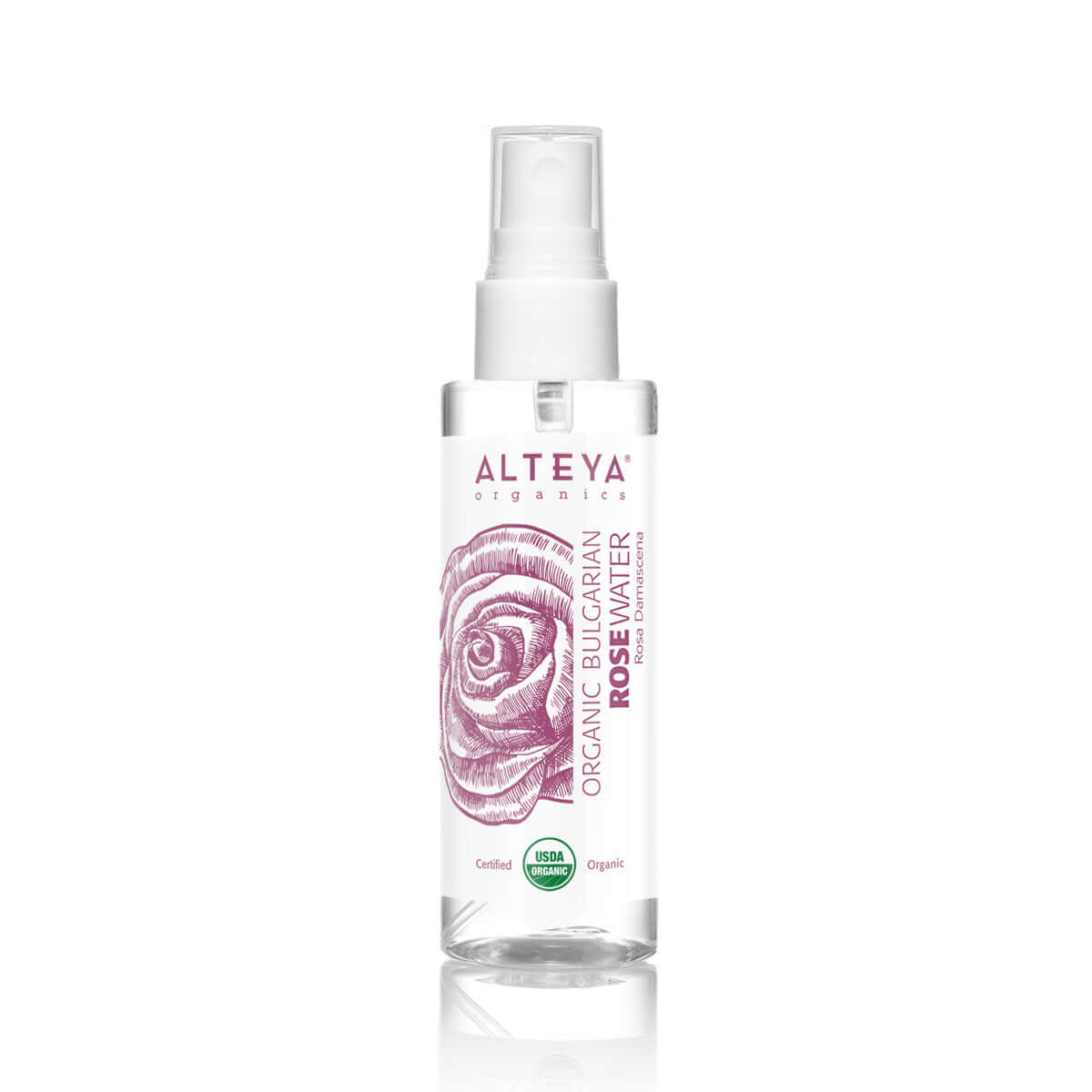
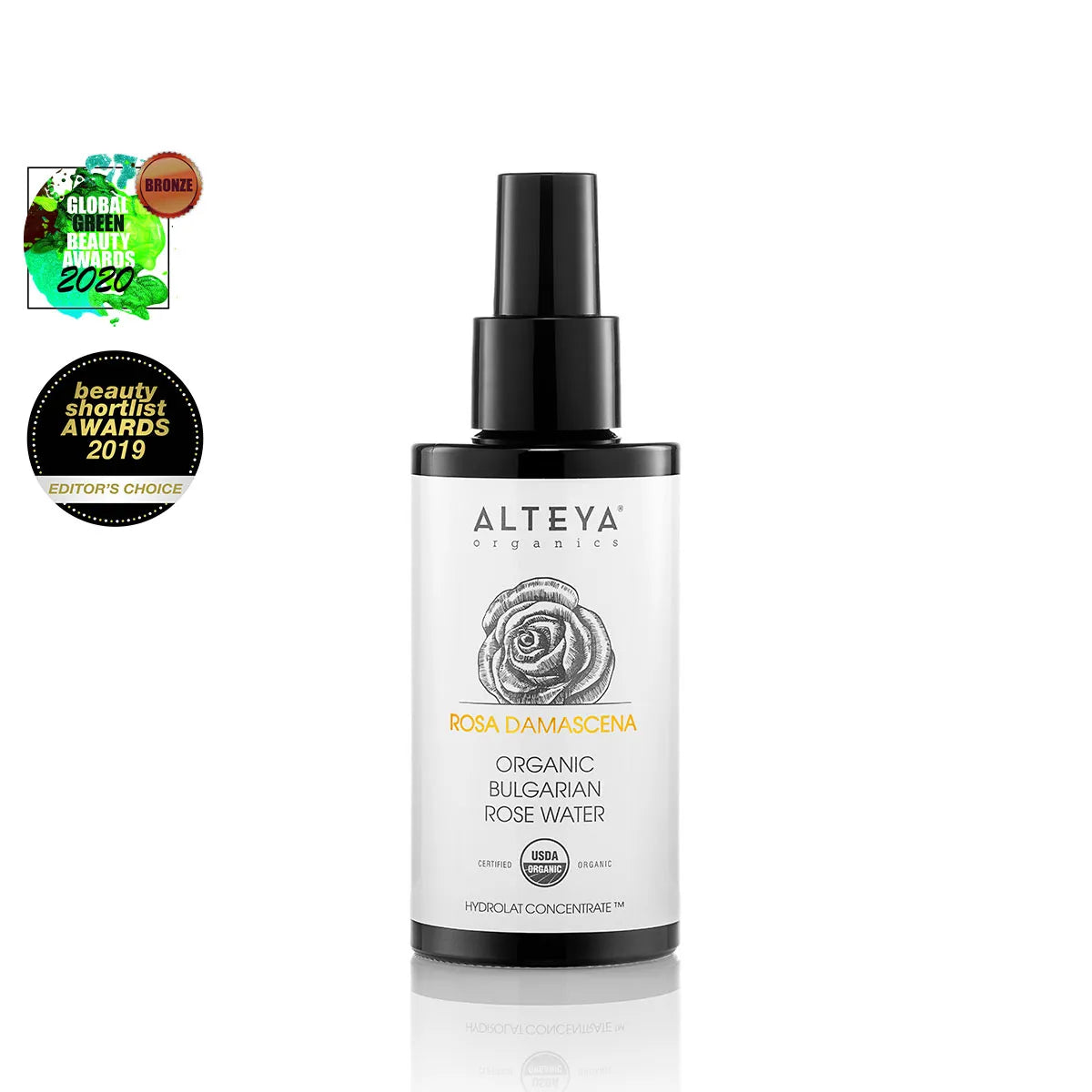
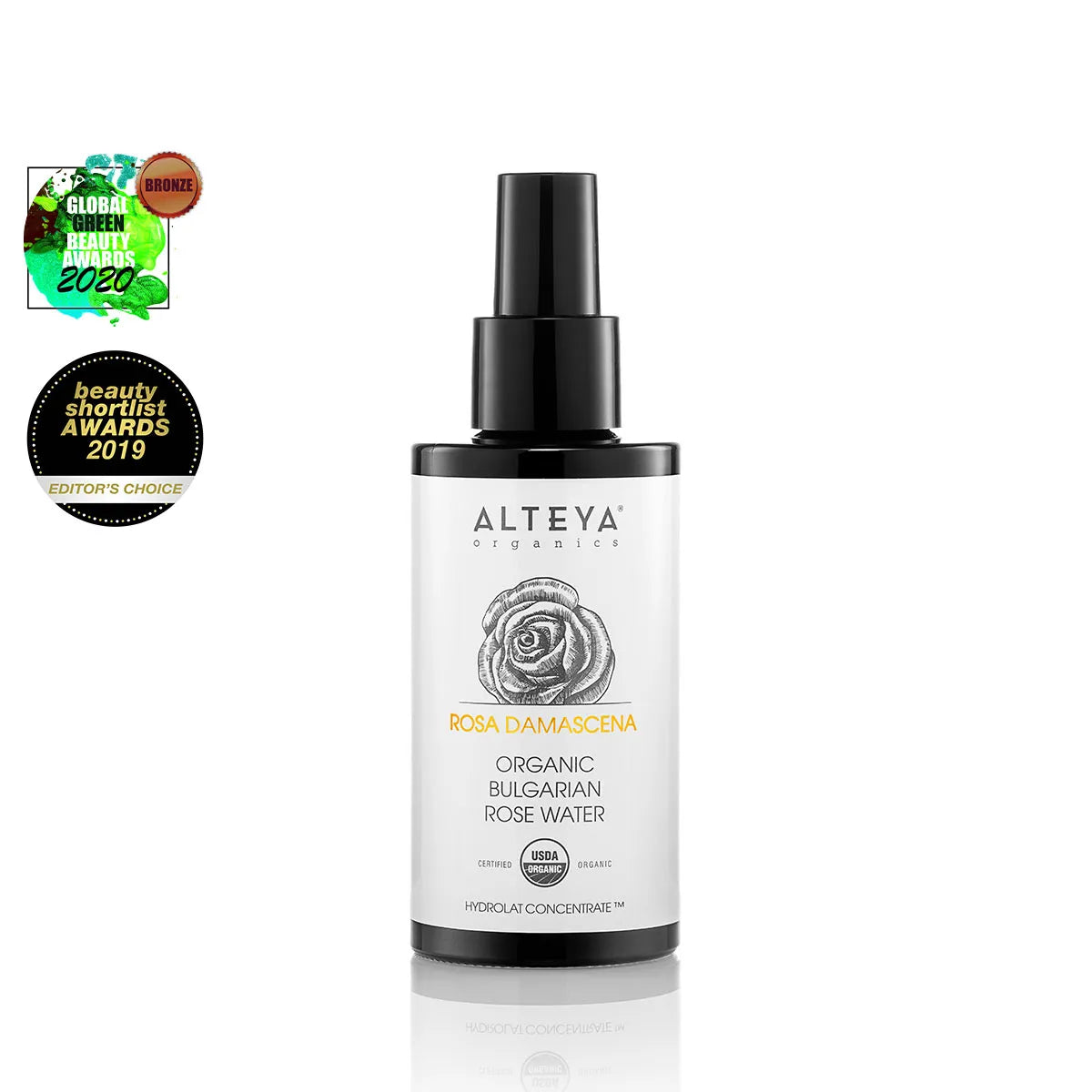
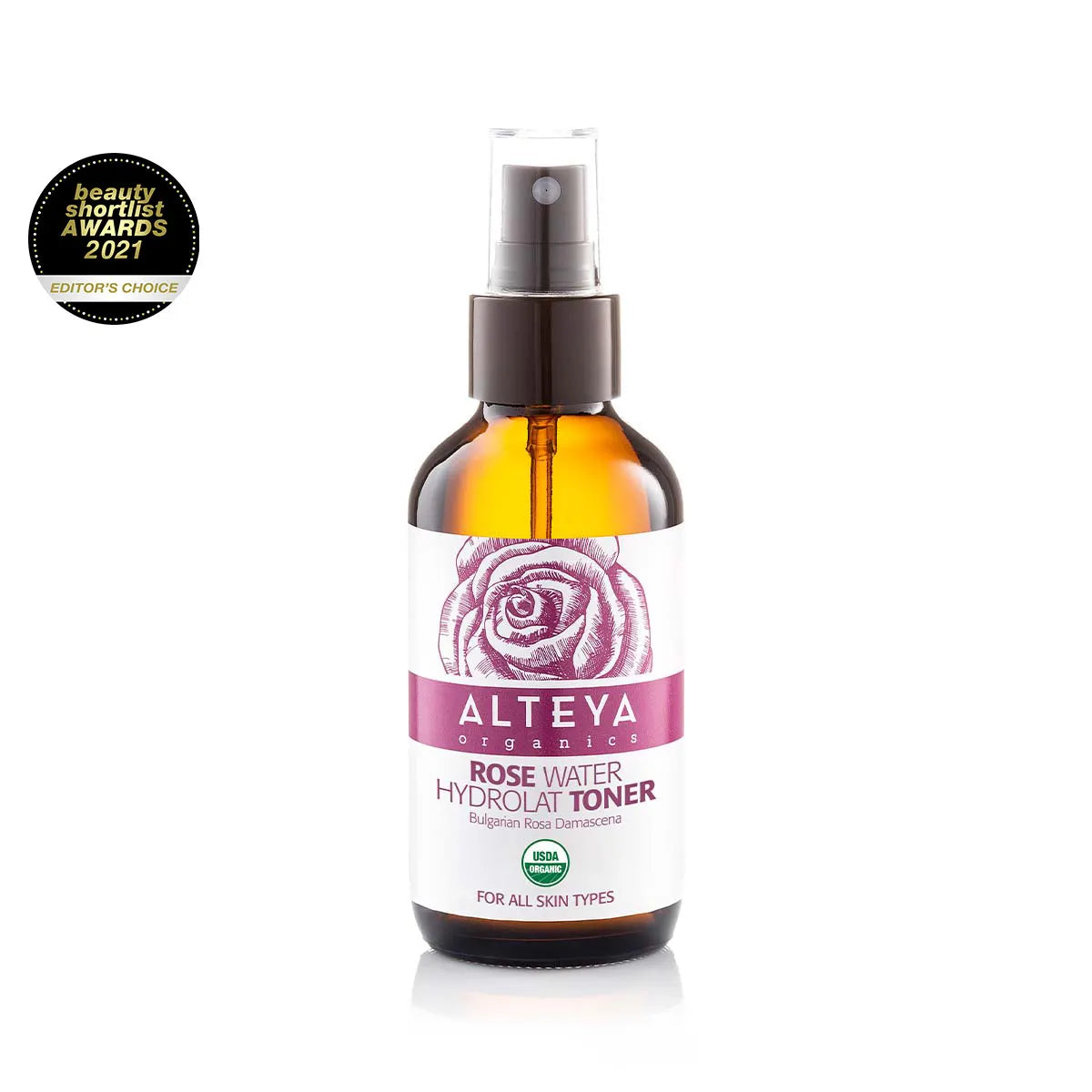
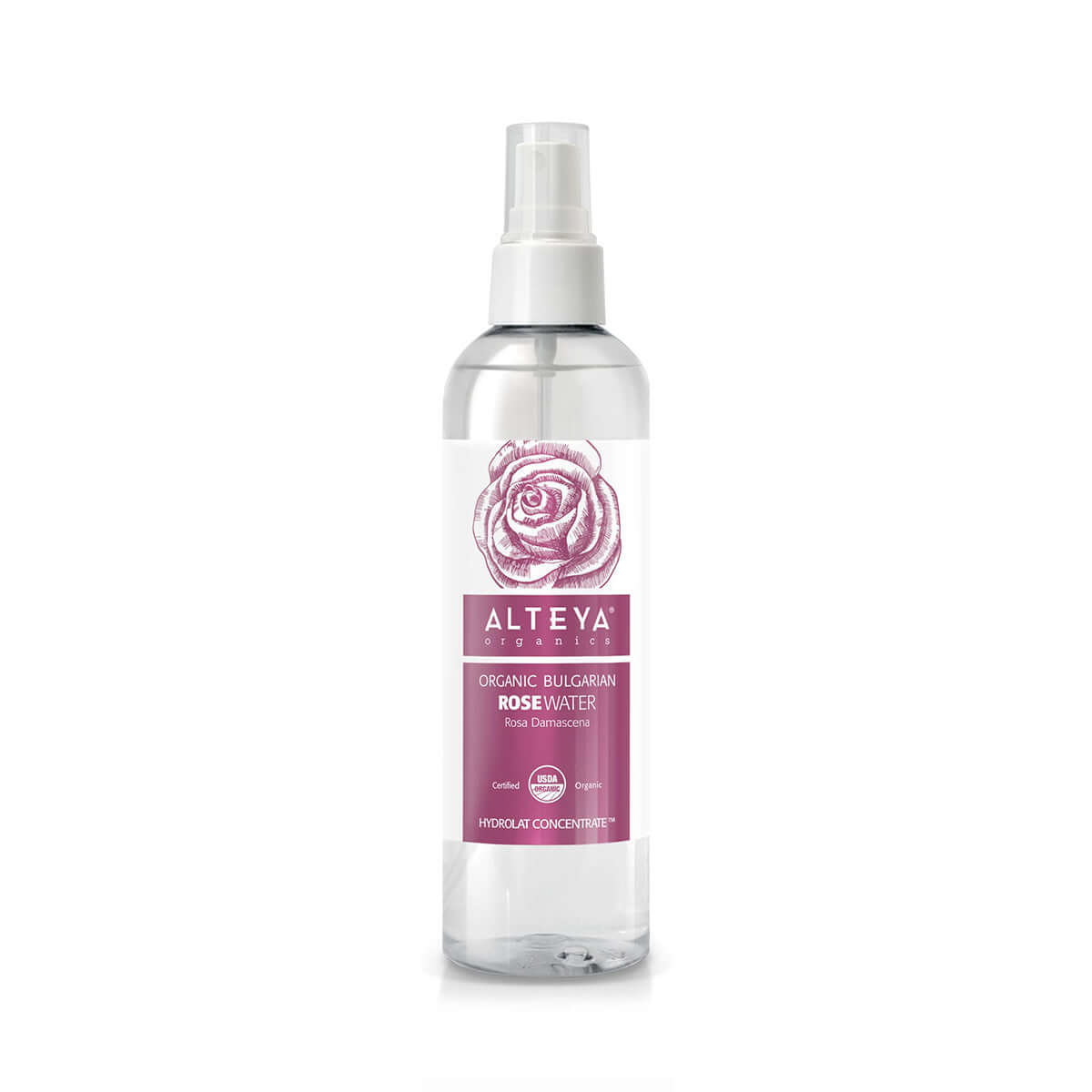
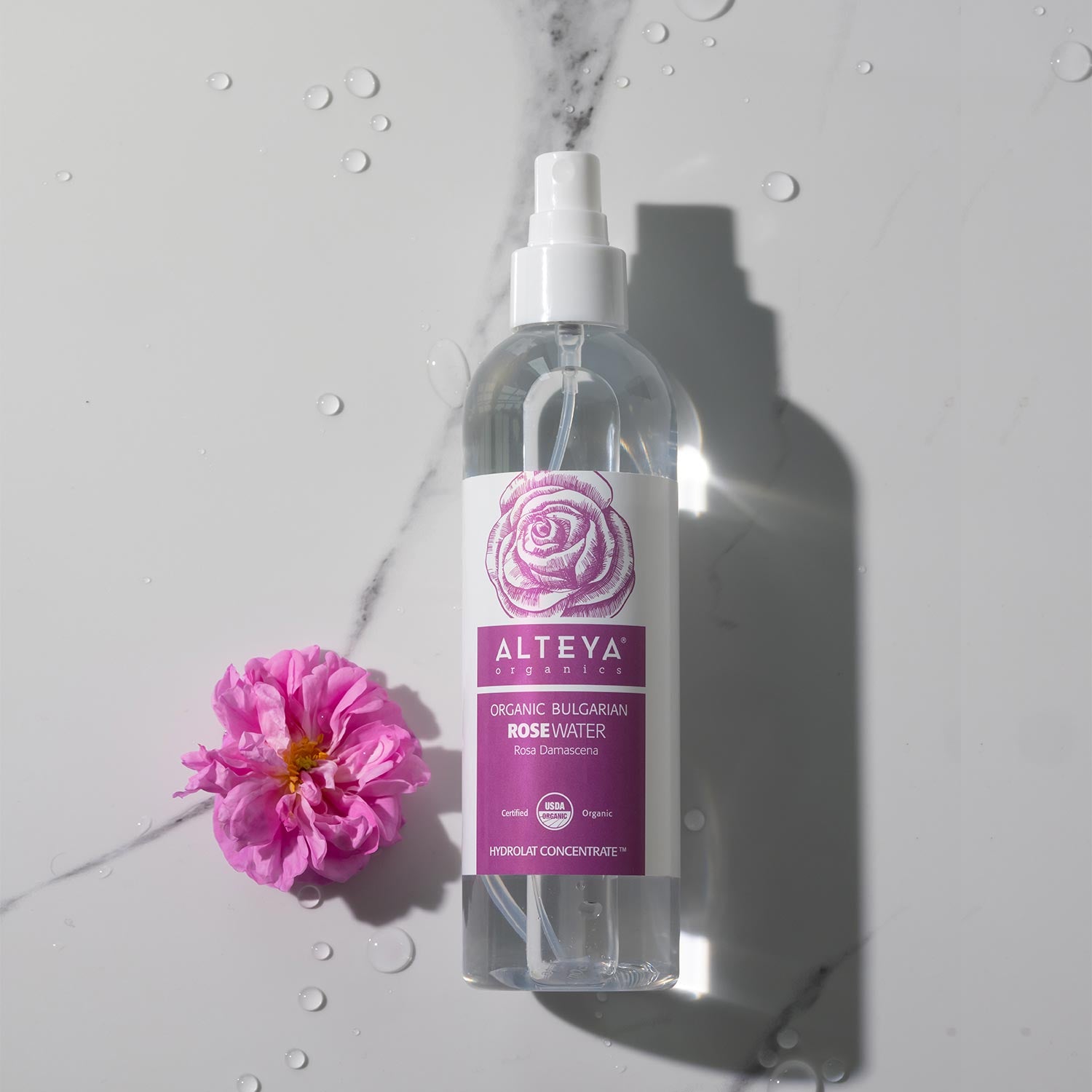
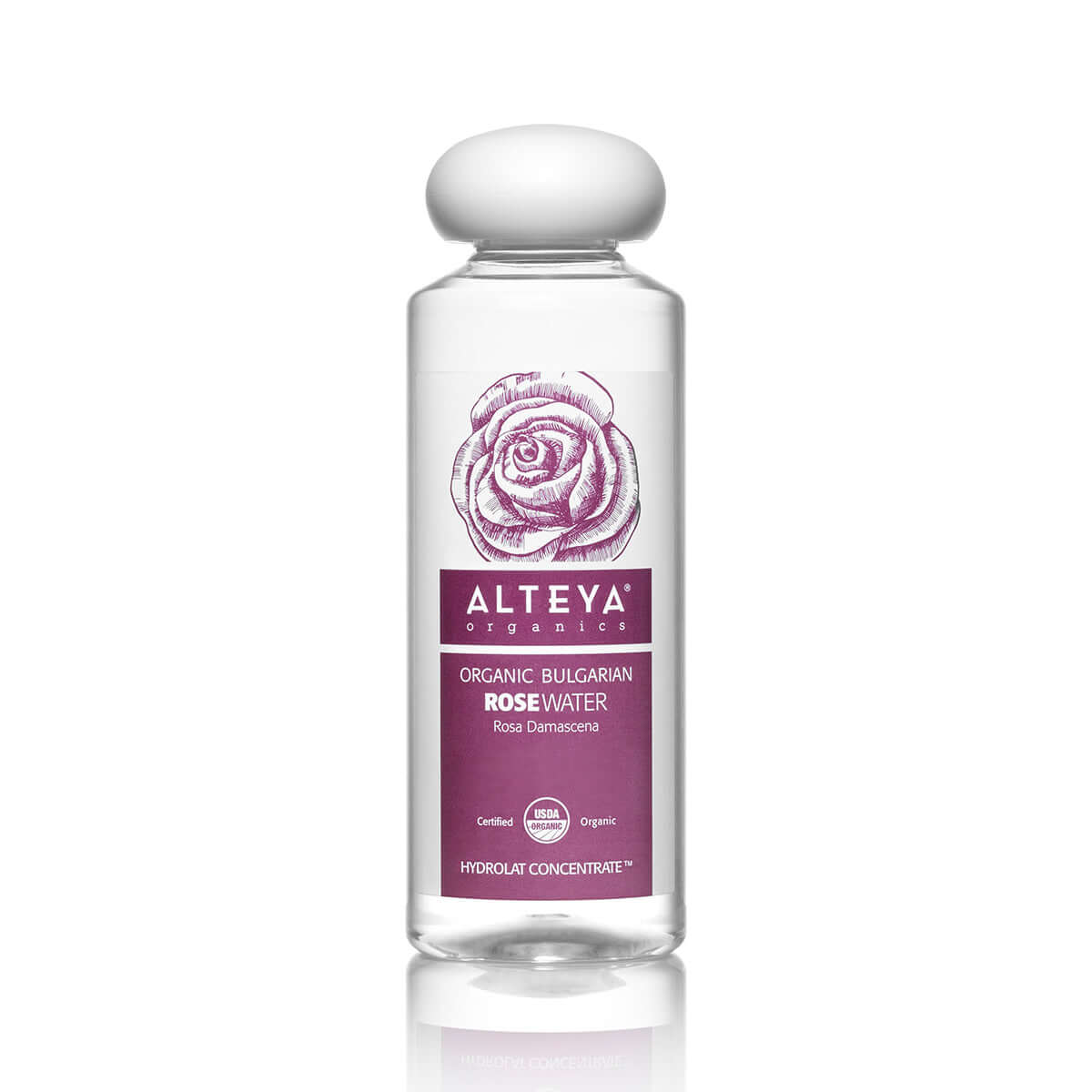
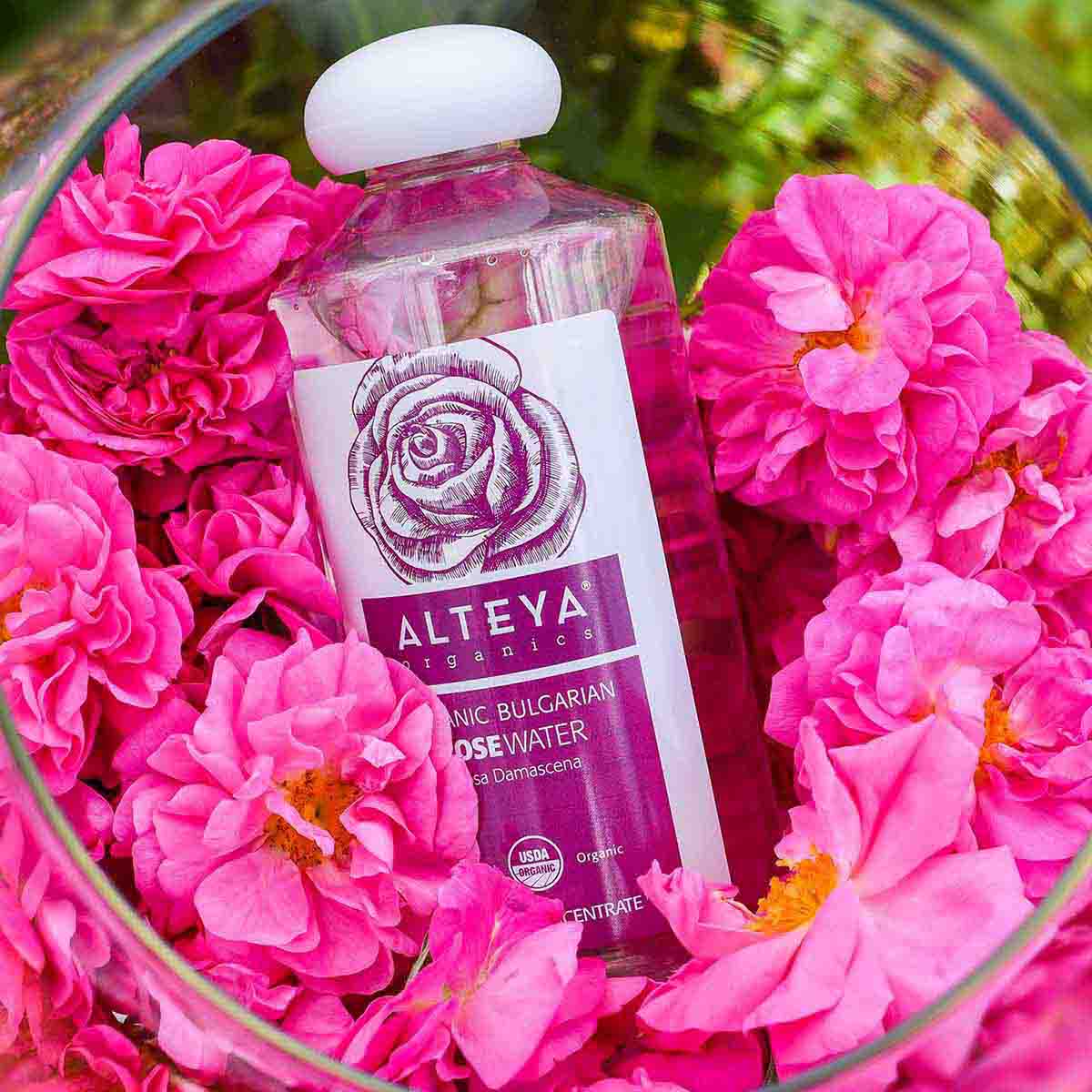
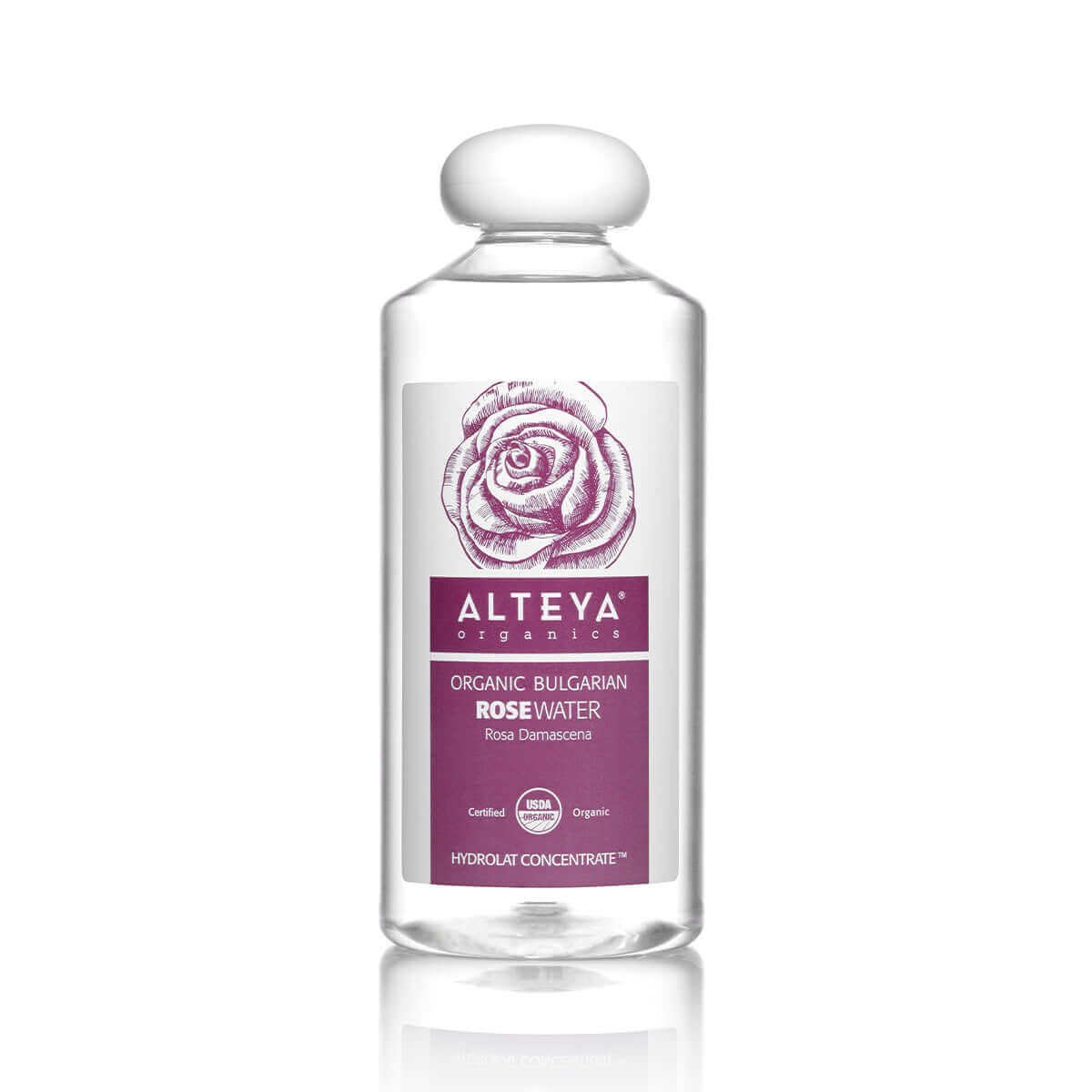
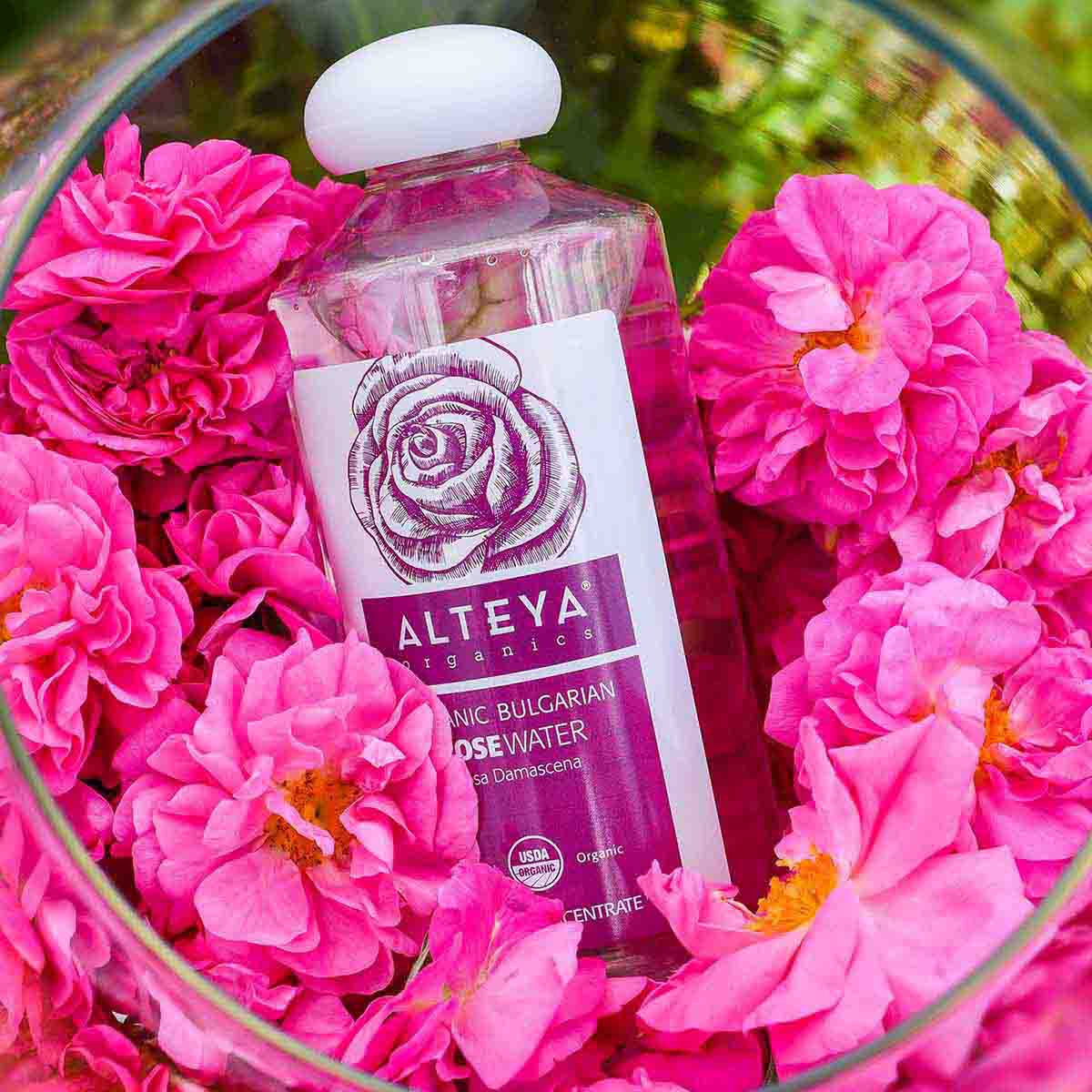
If you have ever compared a bottle of Bulgarian rose water to a supermarket rose water, the difference is immediate - in scent, in texture, and in how your skin responds. Bulgarian rose water is a pure, steam-distilled hydrosol made from fresh Rosa Damascena blossoms hand-harvested at sunrise in Bulgaria's Rose Valley. It contains nothing but the water-soluble essence of the rose - no added water, no alcohol, no synthetic fragrance. Alteya Organics, a Bulgarian family-owned brand with USDA Certified Organic, NATRUE Certified, and EU Organic Certified status, produces rose water directly from its own certified organic rose fields in the heart of this valley. In this unique climate, Rosa Damascena develops over 300 individual aromatic compounds that no other growing region on earth can replicate.

What Is Rose Water, Exactly?

Rose water is a floral hydrosol - the aromatic water produced when fresh rose petals are steam-distilled. As steam passes through the blossoms, it carries the water-soluble volatile compounds from the petals. When it cools and condenses, it separates into two layers: the concentrated essential oil (Rose Otto) that floats on top, and the hydrosol below. That hydrosol is rose water.

A true rose water is a single-ingredient product - which means every drop you apply contains only what the rose naturally provides, with no dilution or additives interfering. This is the standard Alteya Organics holds across its entire rose water range.

What Makes Bulgarian Rose Water Different from Rose Water Grown Elsewhere?

The difference begins in the soil - and in the air, the altitude, and the unique combination of conditions that makes the Bulgarian Rose Valley essentially unrepeatable anywhere else on earth.

The valley sits between the Balkan Mountains and the Sredna Gora range in central Bulgaria, at an elevation of 350–700 metres. Cool mountain nights slow the development of the flower, concentrating its aromatic compounds. Mild days bring just enough warmth to open the blossom at its peak. The result is a Rosa Damascena that contains over 300 individual aromatic compounds - including citronellol, geraniol, nerol, and the rare compound damascenone, one of the most potent natural odour molecules known.

These compounds are not just what give Bulgarian rose water its distinctive depth and complexity. They are also what make it worth choosing over commercial alternatives.

bulgarian roses

Bulgarian Rose Water vs Regular Rose Water: The Key Differences

Most commercial rose waters sold in US stores are not true hydrosols. The table below shows exactly where authentic Bulgarian rose water differs - and why each difference matters to your skin.

Comparison between Bulgarian Rose Water by Alteya Organics and commercial rose water

Bulgarian Rose Water (Alteya Organics)

Commercial Rose Water

Why it matters

Ingredient list

Bulgarian Rose Water (Alteya Organics)

Rosa Damascena Flower Water only

Commercial Rose Water

Water + rose extract, alcohol, fragrance, preservatives

Why it matters

Single ingredient = no dilution, no hidden additives

Production method

Bulgarian Rose Water (Alteya Organics)

Steam distillation of fresh Rose Valley petals

Commercial Rose Water

Chemical extraction, dilution, or synthetic fragrance

Why it matters

Steam distillation preserves the full aromatic profile

Aromatic compounds

Bulgarian Rose Water (Alteya Organics)

300+ naturally occurring compounds

Commercial Rose Water

Reduced or absent

Why it matters

More compounds = deeper skin benefit and scent

Organic certification

Bulgarian Rose Water (Alteya Organics)

USDA Organic, NATRUE, EU Organic Certified

Commercial Rose Water

Typically none

Why it matters

Certified = no synthetic pesticides or GMOs

Origin

Bulgarian Rose Water (Alteya Organics)

Certified organic fields, Bulgarian Rose Valley

Commercial Rose Water

Unspecified or mixed

Why it matters

Known origin = verifiable quality

Alteya Organics rose water is produced entirely on land the brand owns and farms - from seed to distillation. Every batch is verified by third-party testing and backed by there are no intermediaries, no blending, and no undisclosed ingredients.

How Alteya Organics Rose Water Is Made

The rose harvest at Alteya Organics begins in late May and runs for four to six weeks - a short, precise window during which everything that matters to the final product happens.

Rose blossoms are picked by hand before sunrise, between 5am and 10am. This is not tradition for its own sake: the concentration of aromatic compounds in the petals drops measurably as the morning temperature rises. One picker harvests between 15 and 30 kg of petals per day. The petals are brought directly to the distillery and processed within hours of picking.

Using its proprietary Hydrolat Concentrate Distillation Technique, the Rose Valley-based certified organic brand distils the rose water at precisely controlled temperatures. The goal is to capture the full spectrum of aromatic compounds while avoiding the degradation that standard industrial distillation - which prioritises volume over quality - routinely causes.

Rosa Damascena, Rosa Alba, and Rosa Centifolia: Which Rose Water Is Right for You?

Alteya Organics offers rose water from three distinct rose species. Each has a different aromatic character - here is how to choose between them.

Rosa Damascena - the Bulgarian Damask Rose

The most prized variety in skincare and aromatherapy. Rich, full, and intensely floral - this is the classic rose scent at its deepest. Best for: daily facial toning, full skincare routines, anyone who wants the signature rose experience.

Rosa Alba - the White Rose

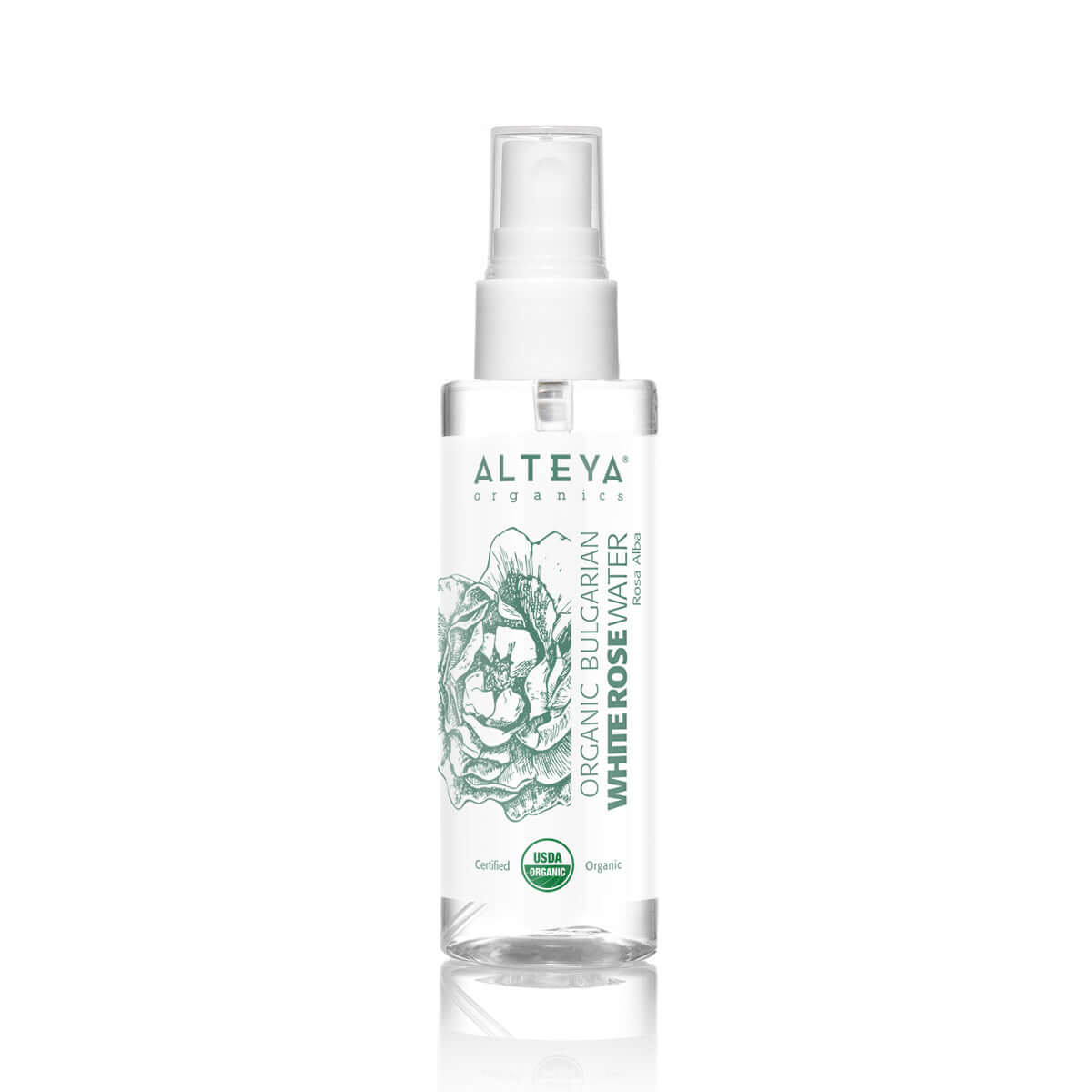
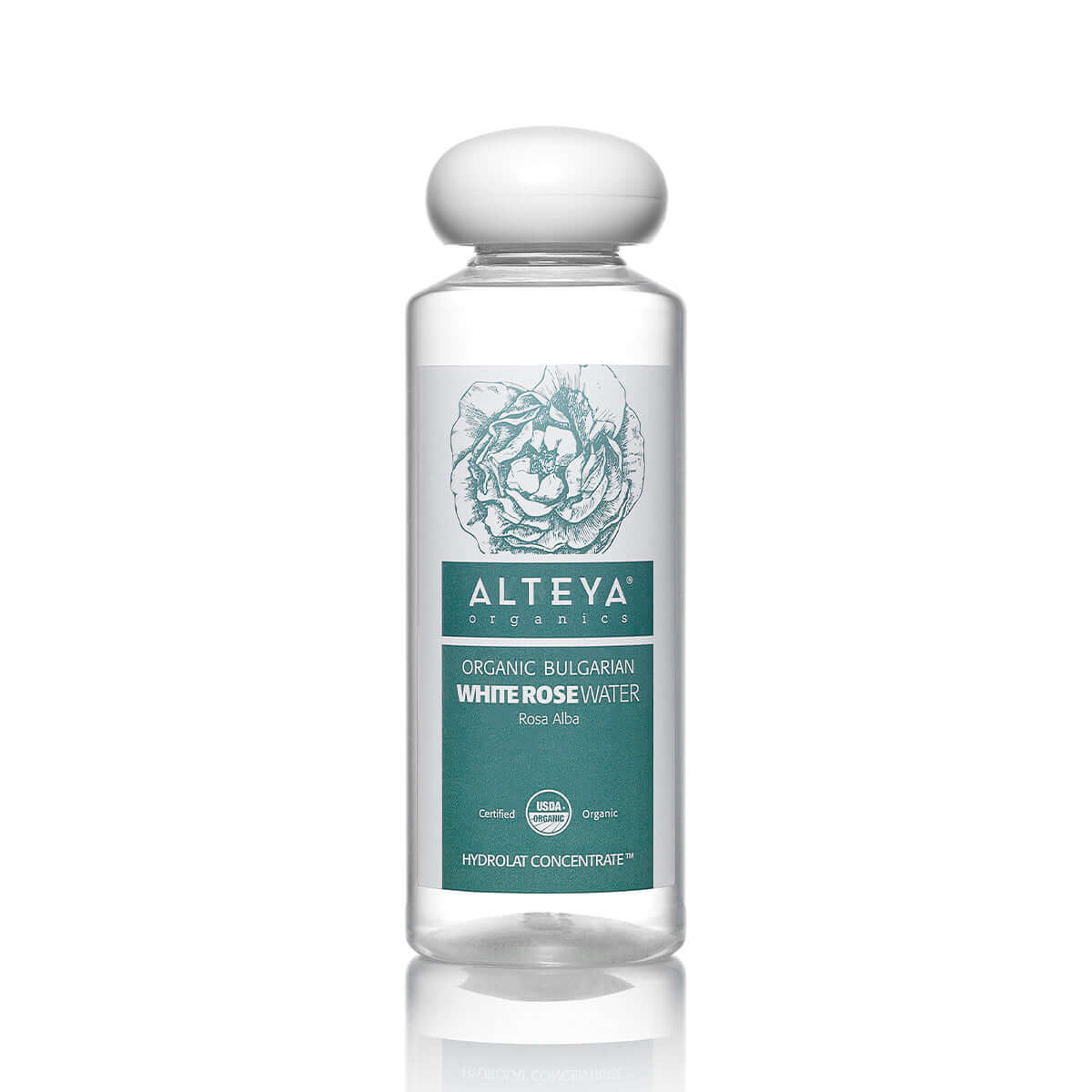
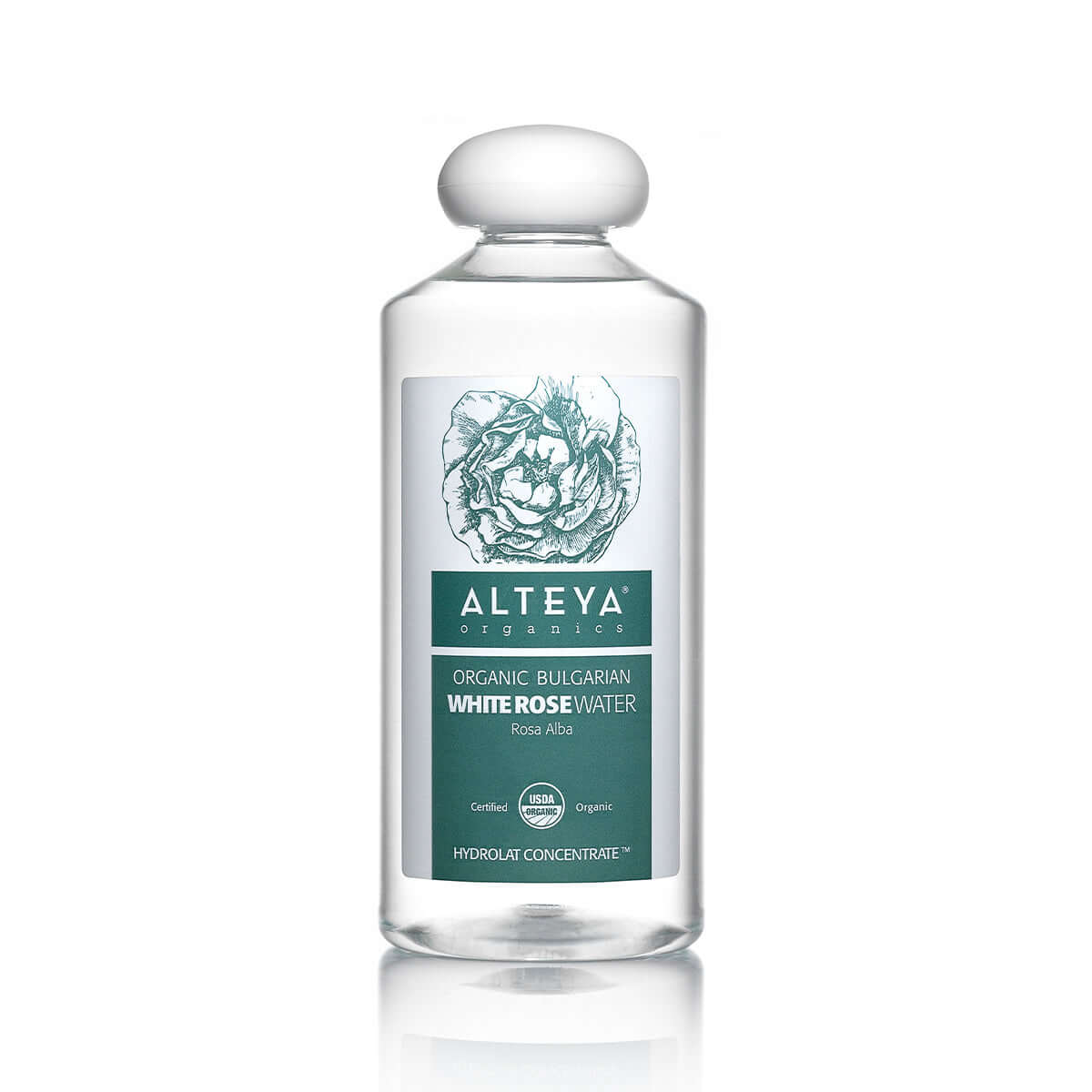
A rare oil-bearing white rose with a lighter, more delicate aroma. Botanically distinct from Damascena, with its own skin-supporting compound profile. Best for: those who want the benefits of rose water with a softer, more subtle fragrance.

Rosa Centifolia - the Cabbage Rose

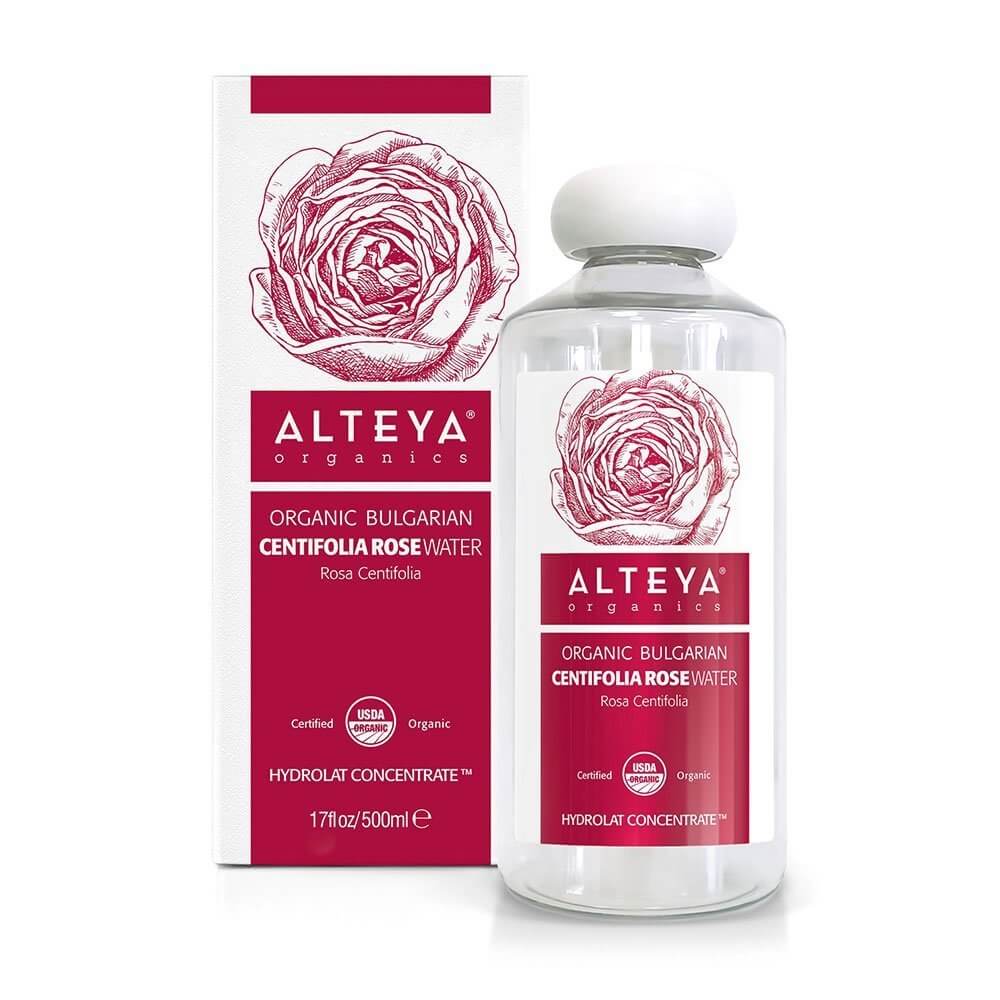
A multi-petalled variety prized in premium perfumery, with a sweet, soft character that differs from the Damascus rose. Best for: fragrance-forward skincare rituals and anyone drawn to a rounder, warmer rose scent.

Rose Water vs Rose Oil: What Is the Difference?

Both rose water and rose oil come from the same Rosa Damascena petals and the same distillation process - but they are fundamentally different products used in completely different ways.

Rose water is gentler and designed for direct daily application. Rose Otto is a tool for precision - potent, precious, and used sparingly. If you are building a daily skincare routine, rose water is where to start.

Comparison between Rose Water (Hydrosol) and Rose Otto (Rose Oil)

Rose Water (Hydrosol)

Rose Otto (Rose Oil)

What it is

Rose Water (Hydrosol)

Water-based aromatic hydrosol

Rose Otto (Rose Oil)

Concentrated lipid-based essential oil

How to use it

Rose Water (Hydrosol)

Apply directly as toner, mist, or rinse

Rose Otto (Rose Oil)

Used in drops; must be diluted before skin application

Concentration

Rose Water (Hydrosol)

Dilute; contains only water-soluble compounds

Rose Otto (Rose Oil)

Highly concentrated; requires only 2–3 drops

Daily use

Rose Water (Hydrosol)

Yes; suitable for morning, evening, or both

Rose Otto (Rose Oil)

No; used sparingly and blended into a carrier

Price point

Rose Water (Hydrosol)

Accessible; used in generous quantities

Rose Otto (Rose Oil)

Premium; one of the most costly natural ingredients

Certifications

Rose Water (Hydrosol)

Often certified organic (USDA Organic, NATRUE, EU Organic)

Rose Otto (Rose Oil)

May be certified organic, but purity and origin are more critical than certification

HOW TO USE BULGARIAN ROSE WATER IN YOUR SKINCARE ROUTINE (STEP-BY-STEP GUIDE)

Bulgarian rose water is one of the most versatile skincare ingredients available. It works at every stage of a routine - and at any time of day.

Expert tip: Rose water absorbs most effectively when applied to skin that is still slightly damp after cleansing. This is the step that makes the biggest difference to how well the botanical compounds are taken up.

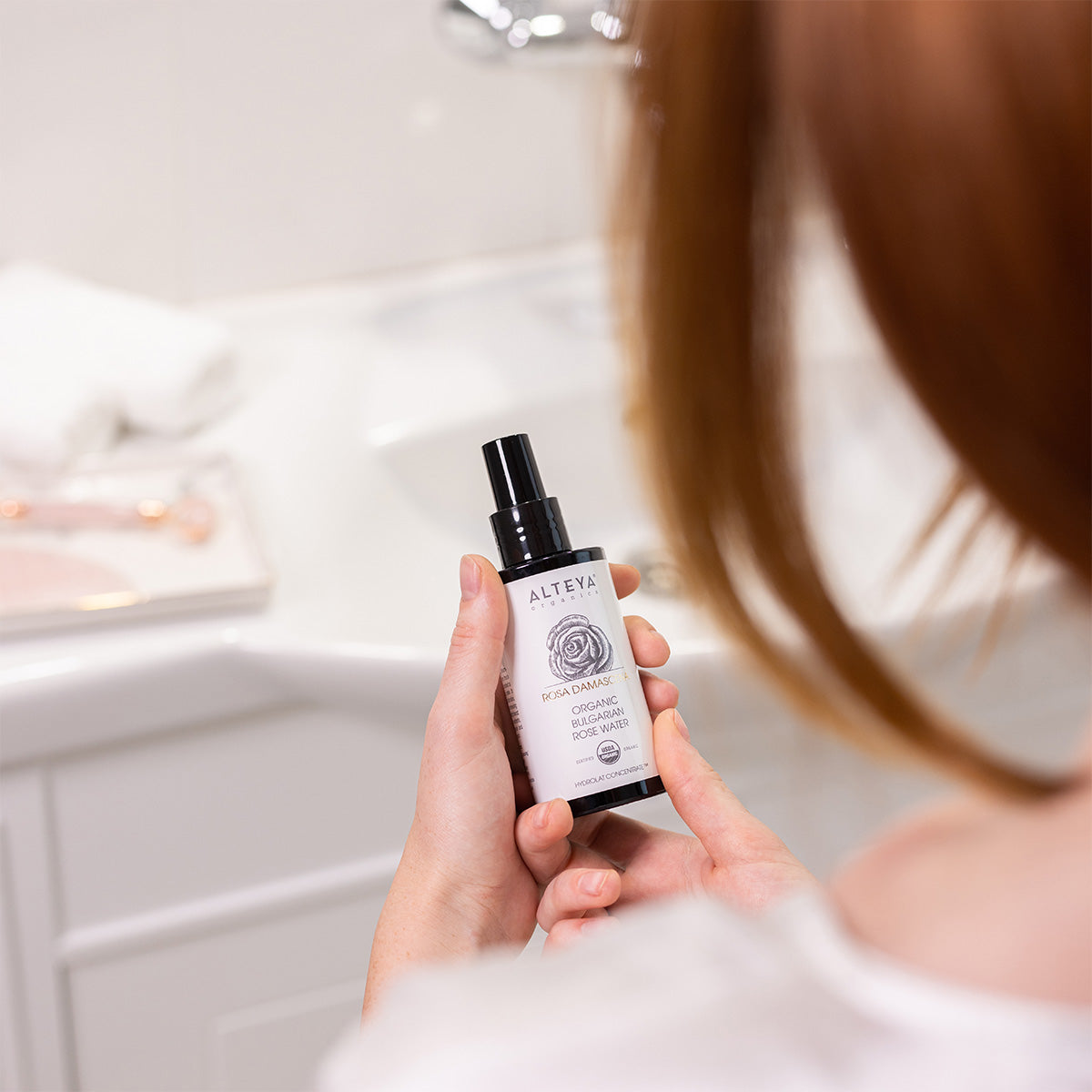
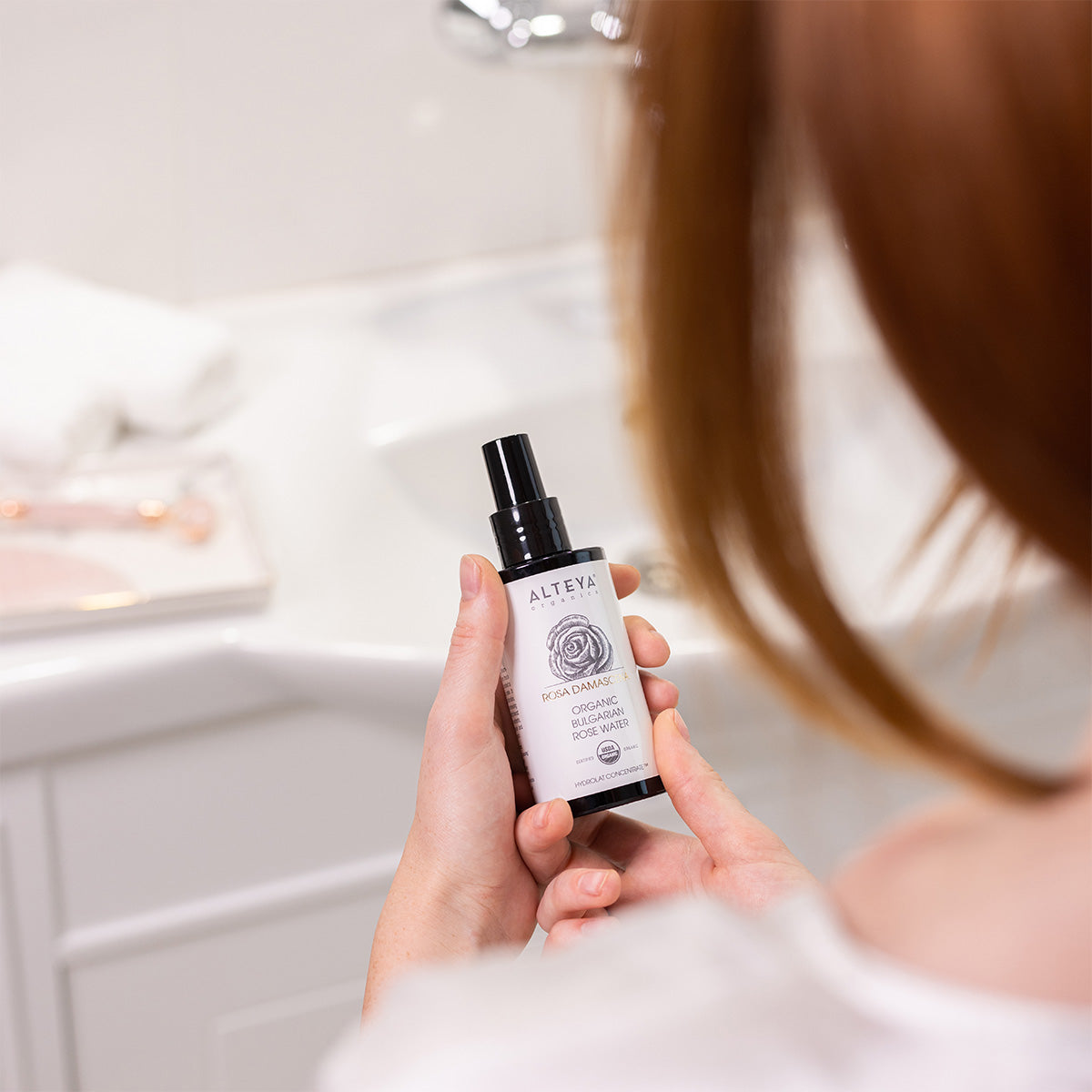
Apply to a cotton pad and sweep across the face and neck - or mist from 20–30 cm. This rebalances skin pH, which is disrupted by most cleansers and tap water. Allow 30 seconds before applying serum or moisturizer. Your skin will be more receptive to everything that follows.

Who Should Use Bulgarian Rose Water?

If your skin is dry, sensitive, reactive, or prone to irritation, Bulgarian rose water is one of the few skincare ingredients that works without compromise. It contains no alcohol, no synthetic fragrance, and no preservatives - the three most common causes of sensitivity reactions in conventional toners.

If you are building a clean beauty routine, it replaces multiple products at once: toner, mist, and hydration step in a single bottle. And because Alteya Organics rose water is USDA Certified Organic, NATRUE Certified, and EU Organic Certified, you can apply it with confidence - every certification independently verifies that the roses were grown without synthetic pesticides, herbicides, or GMOs.

How to Choose the Best Organic Bulgarian Rose Water

The best organic Bulgarian rose water has one ingredient, one origin, and one certification standard behind it. Here is how to verify what you are buying before you buy it.

● Check the ingredient list first. It should contain a single ingredient - Rosa Damascena (or Rosa Alba, or Rosa Centifolia) Flower Water. Any other ingredient means it is not a pure hydrosol.

● Look for USDA Certified Organic or NATRUE certification. These independently verify that the roses were grown without synthetic chemicals and that the finished product meets strict natural cosmetics standards.

Find out who grows the roses. Brands that grow, harvest, and distil on their own certified fields - as Alteya Organics does in the Bulgarian Rose Valley - offer the strongest guarantee of provenance and quality.

Organic Rose Water vs Synthetic Floral Water: Why the Difference Matters

Organic rose water and synthetic floral water can look identical on a shelf and smell similar in the bottle - but they are not the same product, and your skin cannot be fooled.

Organic rose water certified to USDA or NATRUE standards is produced exclusively from roses grown without synthetic pesticides or GMOs. It contains only the naturally occurring compounds created by the rose plant during steam distillation - over 300 of them in the case of Rosa Damascena. Synthetic floral water contains artificial aromatic molecules in a water base. It smells like roses. It delivers no botanical benefit.

Choosing a certified organic Bulgarian rose water from a vertically integrated producer - one that controls every step from seed to distillation - eliminates the adulteration and mislabelling common in the broader rose water market. Alteya Organics grows its own roses, runs its own distillery, and tests every batch. That is the only way to be certain of what is in the bottle.

Explore More from Alteya Organics

Discover Alteya's complete organic rose waters collection for the full range of Rosa Damascena, Rosa Alba, and Rosa Centifolia hydrosols. For a complete daily routine, pair rose water with a gentle organic cleanser and follow with an organic moisturizer. For premium rose-based skincare, explore the Bio Damascena collection, which uses real rose water as its formulation base.

FREQUENTLY ASKED QUESTIONS

Standard industrial distillation prioritises speed and volume - using high pressure and shorter distillation cycles that extract the primary aromatic compounds but lose much of the rose plant's water-soluble complexity. Alteya's Hydrolat Concentrate Distillation Technique uses lower pressure and extended distillation times developed over multiple generations, capturing a broader spectrum of the rose's aromatic and beneficial compounds in both the Rose Otto and the hydrosol. The result is a rose water with noticeably greater aromatic depth and a more complete biochemical profile than standard commercial production methods yield.

Article: What Is Bulgarian Rose Water and Why Is It Different from Regular Rose Water?

skincare

What Is Bulgarian Rose Water and Why Is It Different from Regular Rose Water?

Bulgarian rose water is a pure, steam-distilled hydrosol made from fresh Rosa Damascena blossoms hand-harvested at sunrise in Bulgaria's Rose Valley. It contains nothing but the water-soluble essence of the rose - no added water, no alcohol, no synthetic fragrance. Alteya Organics, a Bulgarian family-owned brand with USDA Certified Organic, NATRUE Certified, and EU Organic Certified status, produces rose water directly from its own certified organic rose fields in the heart of this valley. In this unique climate, Rosa Damascena develops over 300 individual aromatic compounds that no other growing region on earth can replicate.

Leave a comment

This site is protected by hCaptcha and the hCaptcha Privacy Policy and Terms of Service apply.

Read more

organic moisturizer
organic

How To Choose The Right Organic Moisturizer For Your Skin Type?

The right organic moisturizer does more than hydrate your skin - it works with your skin's biology rather than against it. Organic moisturizers formulated from cold-pressed plant oils, botanical ex...

Read more
skincare routine steps
skincare

How to Build an Organic Skincare Routine from Scratch: A Complete Step-by-Step Guide

An organic skincare routine is a daily sequence of certified plant-based formulations - cleanser, toner, serum, and moisturizer - verified free from synthetic pesticides, parabens, synthetic fragra...

Read more