How To Choose The Right Organic Moisturizer For Your Skin Type | Alteya Organics US Skip to content
Utility Bar – Alteya

Cart

Your cart is empty

bio damascena face cream desktop banner

How To Choose The Right Organic Moisturizer For Your Skin Type?

The right organic moisturizer does more than hydrate your skin - it works with your skin's biology rather than against it. Organic moisturizers formulated from cold-pressed plant oils, botanical extracts, and certified pure essential oils mirror the lipid structure of your skin's natural barrier, making them more compatible and more effective than synthetic alternatives for long-term skin health.

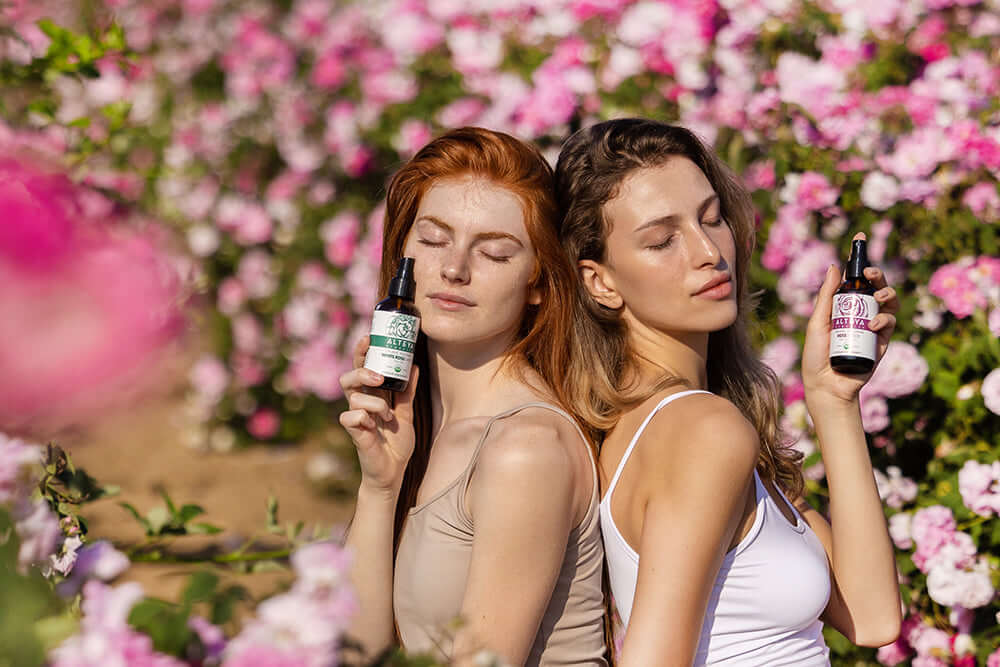
Alteya Organics, a Bulgarian family-owned brand with USDA Certified Organic, NATRUE Certified, and EU Organic Certified status, produces its moisturizer range using pure Bulgarian Rose Otto - one of the rarest and most therapeutically rich botanical ingredients in skincare. Rose Otto is extracted by steam distillation from Rosa Damascena petals hand-harvested at sunrise in Bulgaria's Rose Valley, where the unique microclimate concentrates over 300 aromatic and bioactive compounds in every blossom.

This guide explains how to choose the right moisturizer for your skin type, what role plant oils and Rose Otto play in organic formulations, and how to build a daily routine around them.

how to choose the right organic moisturizer for your skin type-alteya organics

Why Moisturizing Matters - and Why Organic Formulas Work Differently

Throughout the day, your skin continuously loses moisture through transepidermal water loss (TEWL) - a natural process accelerated by air conditioning, UV exposure, stress hormones, and environmental pollution. A well-formulated moisturizer addresses this in two ways: it provides immediate hydration, and it strengthens the skin barrier so moisture is retained for longer.

Synthetic moisturizers often rely on occlusive agents like petrolatum or dimethicone to create a surface seal. They can deliver short-term relief but do not nourish the underlying skin barrier - and some ingredients in conventional formulas, including certain preservatives and synthetic fragrances, are associated with disruption of the skin's microbiome.

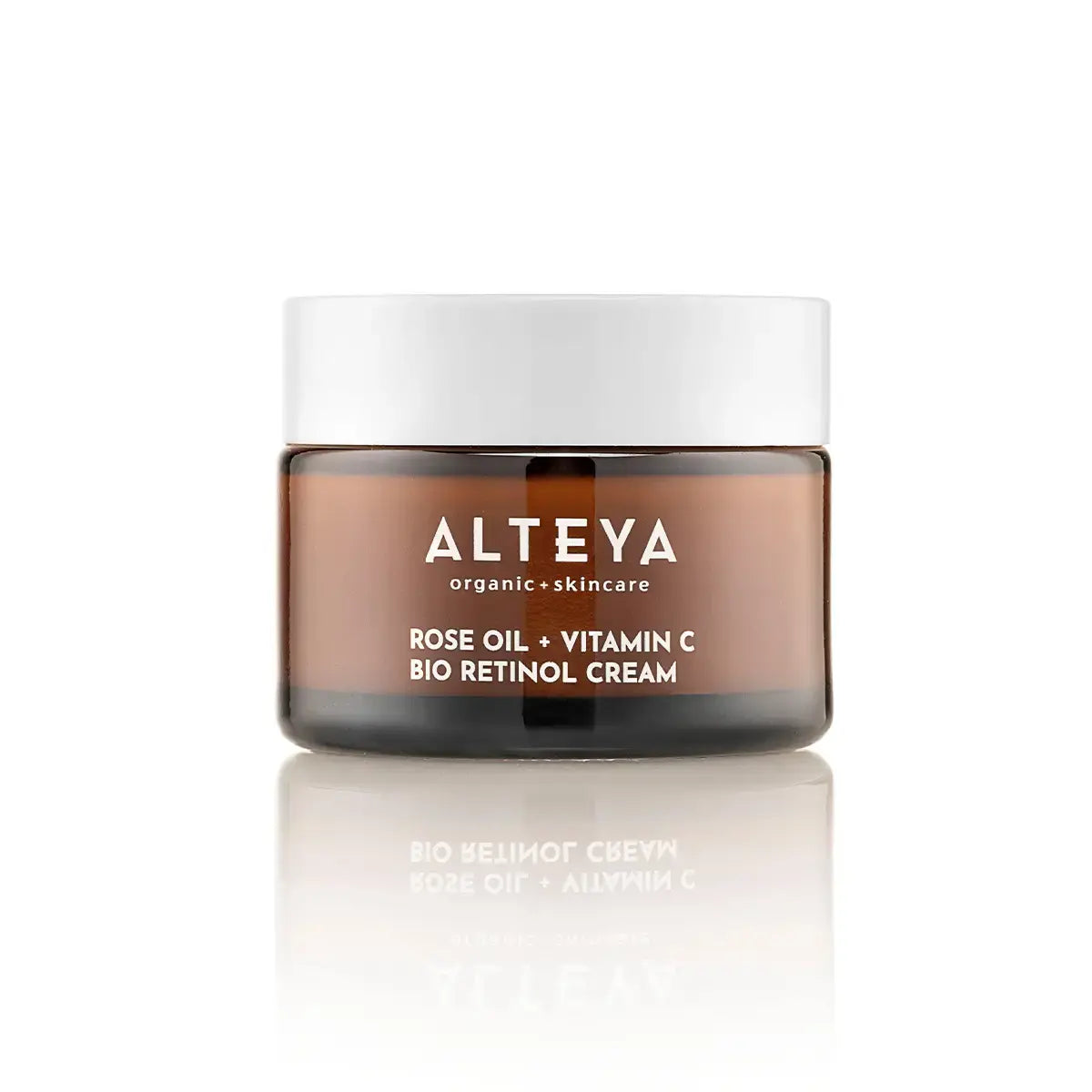
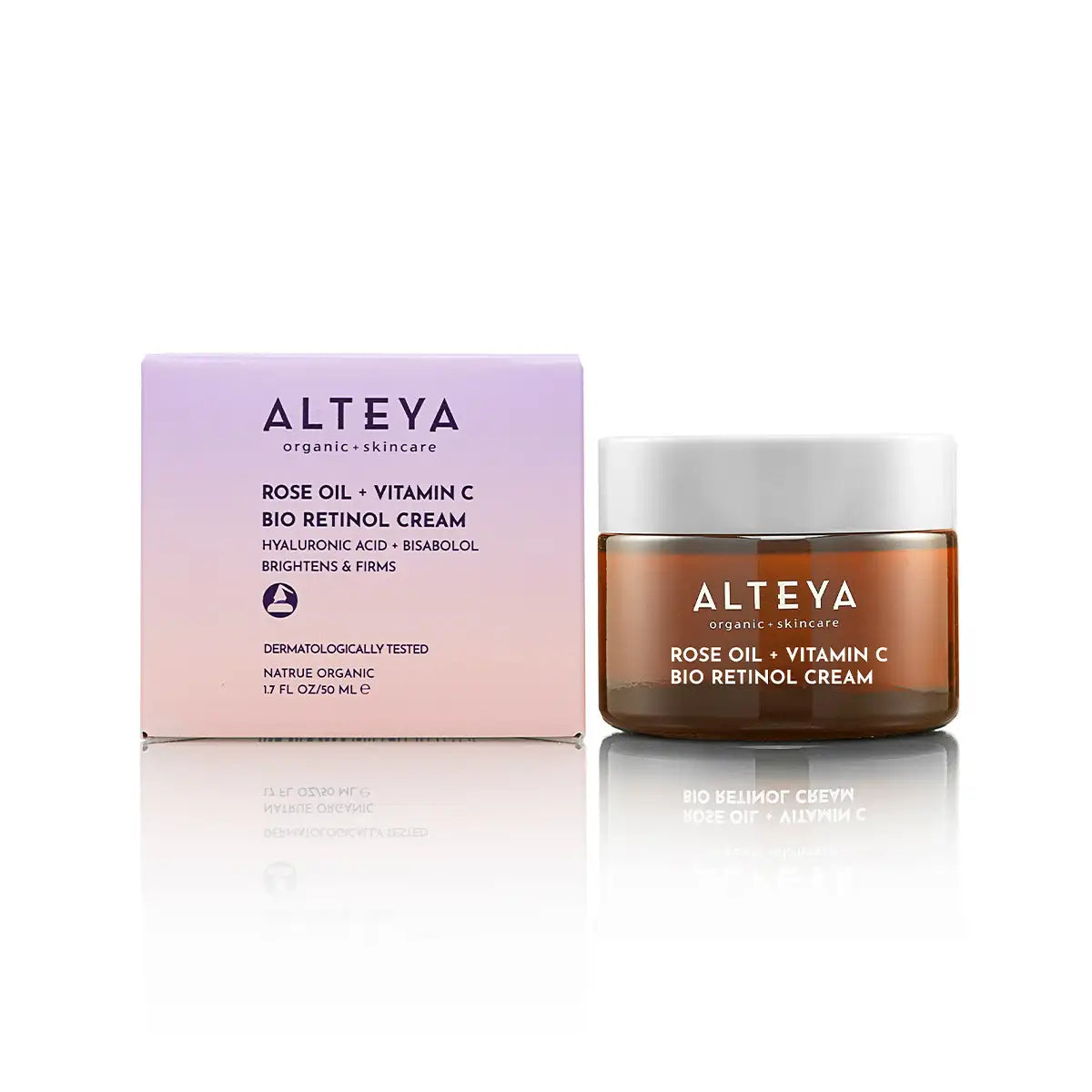
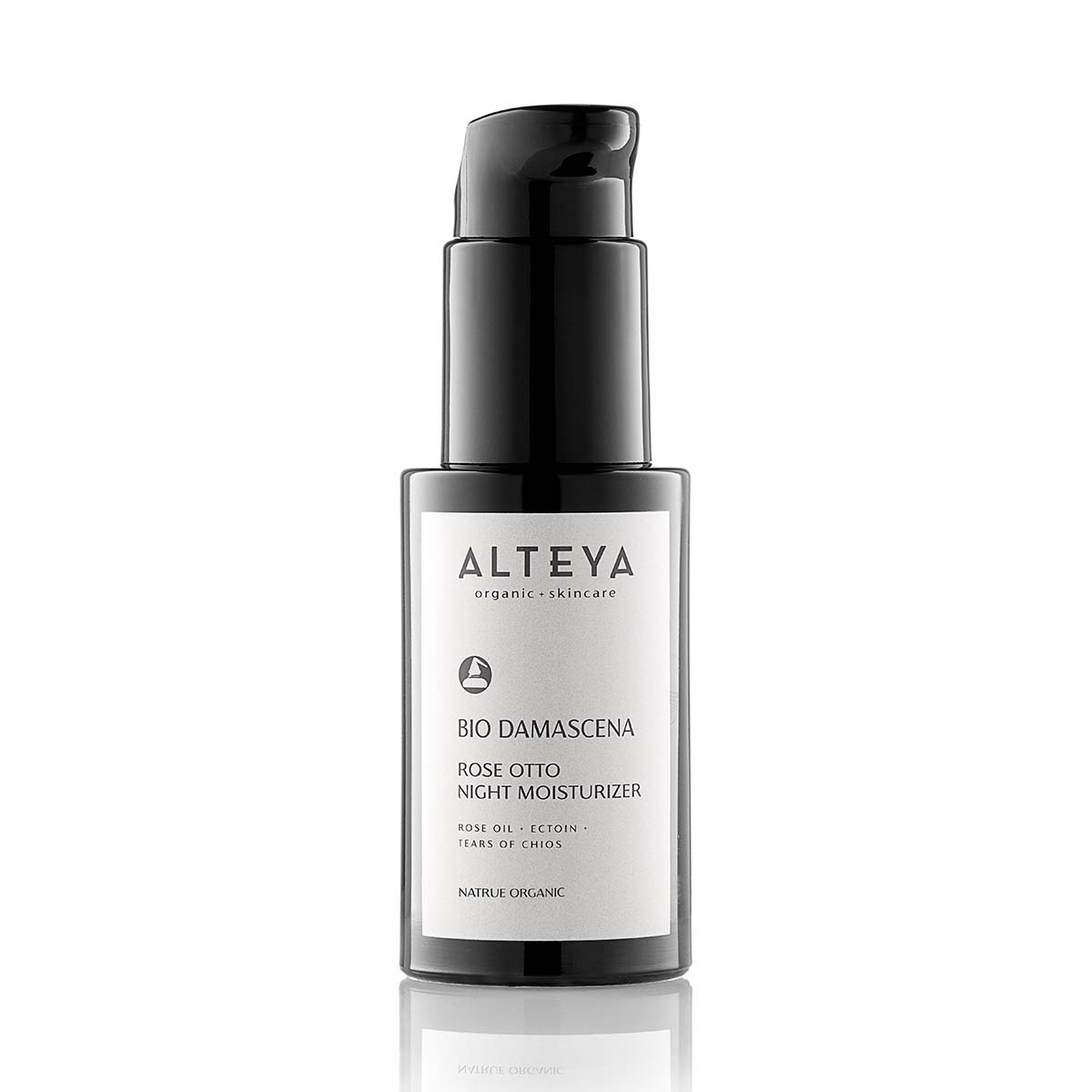
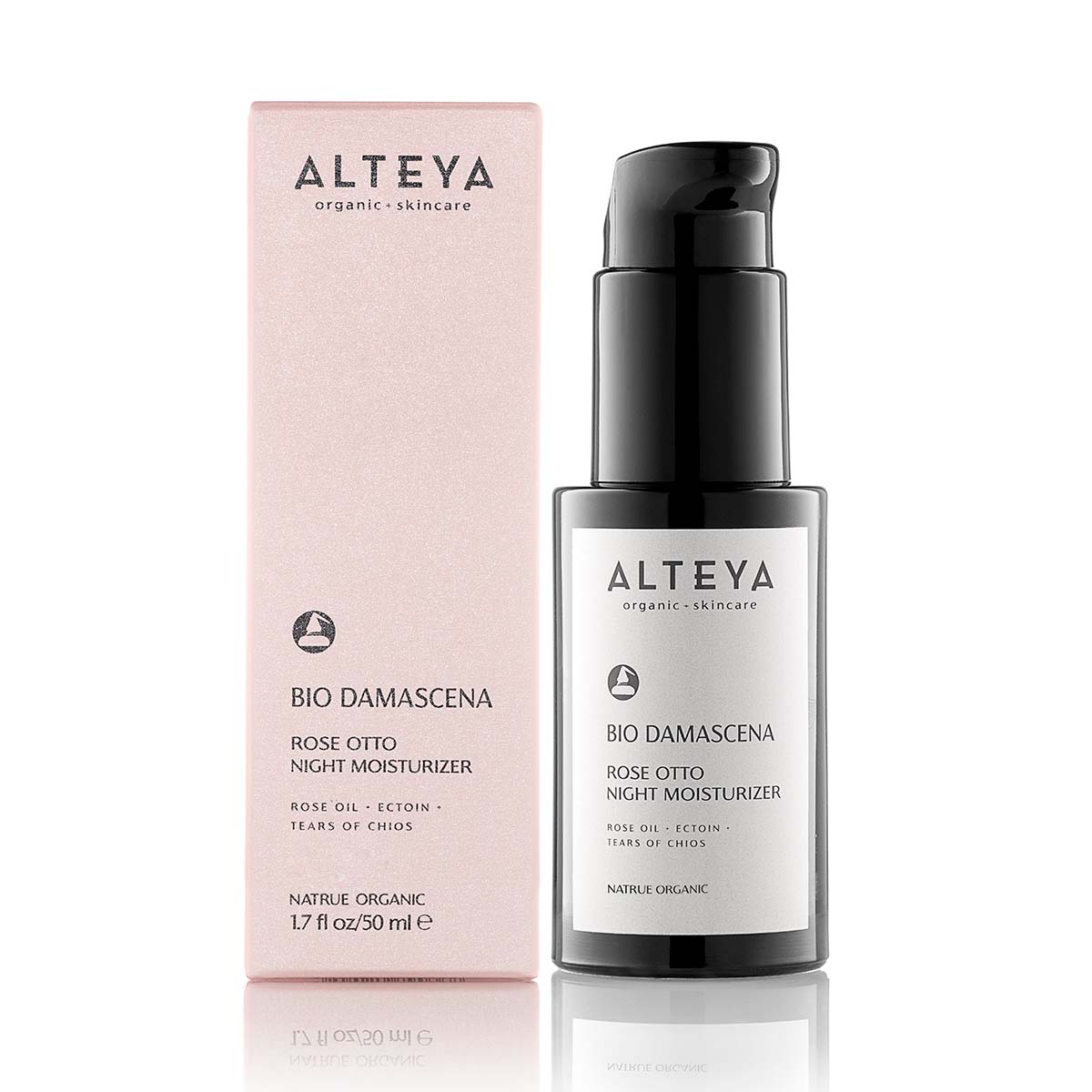
Organic moisturizers work differently. Alteya's Organic Rose Otto Face Cream, for example, combines rare Bulgarian Rose Otto oil with and botanical antioxidants. Rose Otto's bioactive compounds - including citronellol, geraniol, and farnesol - are structurally similar to the skin's own lipids, which means they absorb readily and support barrier repair rather than simply sitting on the surface.

Which Organic Moisturizer Is Right for Your Skin Type?

The most important variable in choosing a moisturizer is your skin type - specifically, the balance of oil and water in your skin barrier and how it responds to different fatty acid profiles. The table below maps each skin type to the oil composition it responds to best, and to the corresponding Alteya Organics formula.

Skin type guide: what your skin needs and which ingredients to look for

Skin type

What your skin needs

Key ingredients to look for

Dry skin

What your skin needs

Deep nourishment and barrier repair

Key ingredients

Oleic-acid-rich oils: avocado, sweet almond, carrot seed

Oily / combination skin

What your skin needs

Light hydration that regulates sebum

Key ingredients

Linoleic-acid-rich oils: rosehip, grape seed

Sensitive skin

What your skin needs

Gentle protection without irritants

Key ingredients

Jojoba, almond, grape oils; no synthetic fragrance

Normal / all skin types

What your skin needs

Daily maintenance and protection

Key ingredients

Balanced oil blend with antioxidants

What Do Plant Oils Actually Do in an Organic Moisturizer?

Plant oils in organic skincare are not fillers or carriers - they are the functional core of the formulation. Each oil has a distinct fatty acid profile that determines how it interacts with the skin barrier.

Base Oils - Nourishing and Repairing

Vegetable base oils such as jojoba, argan, and sweet almond are rich in oleic and linoleic acids, tocopherols (vitamin E), and plant sterols. These compounds replenish the skin's lipid barrier, reduce water loss, and protect against oxidative damage. Jojoba is structurally similar to the skin's own sebum, which makes it uniquely compatible with all skin types.

Fruit Oils - Vitamins and Regeneration

Avocado, rosehip, and coconut oils deliver fat-soluble vitamins - particularly vitamin A (retinol precursors in rosehip), vitamin E, and vitamin D - along with essential fatty acids that support cell renewal. Rosehip oil is one of the richest natural sources of trans-retinoic acid, which supports collagen synthesis and helps reduce the appearance of fine lines and uneven tone.

Essential Oils - Bioactive Precision

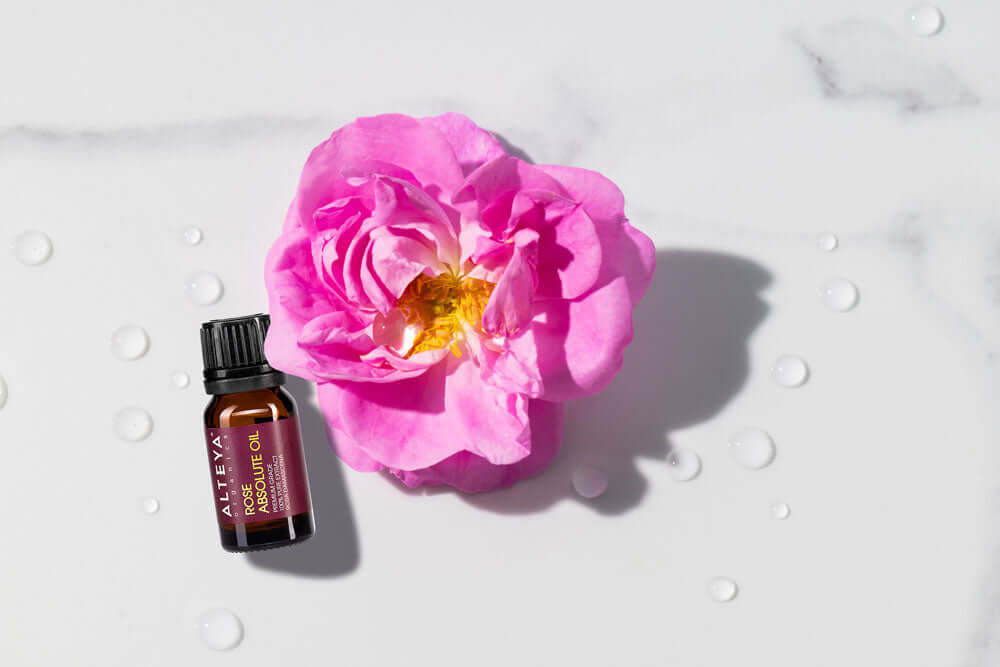
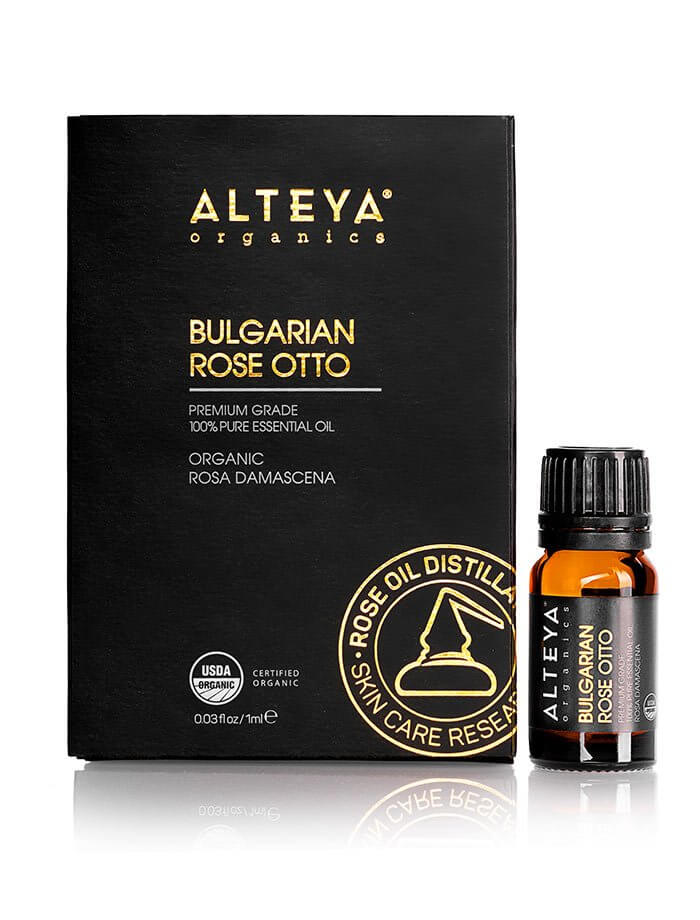
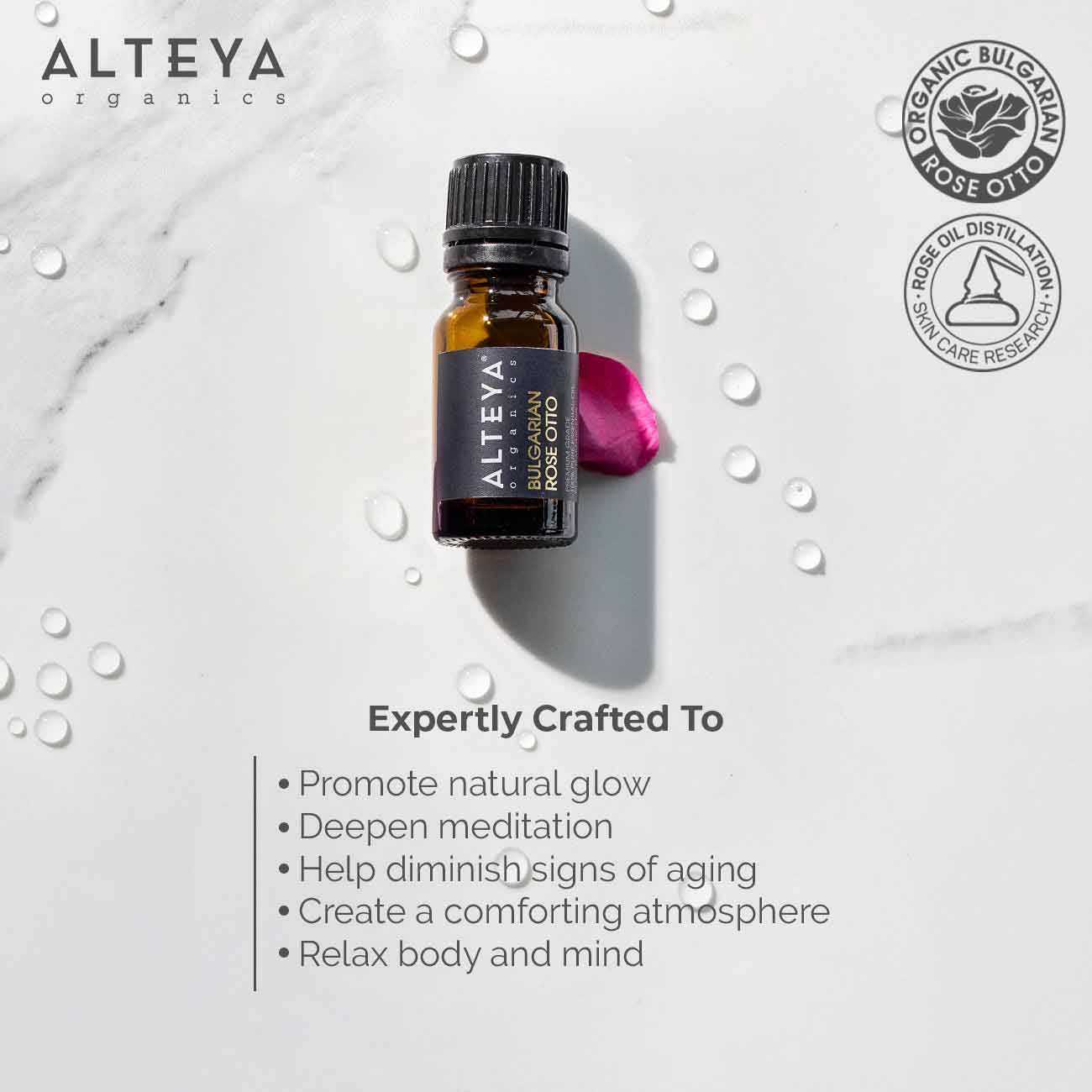
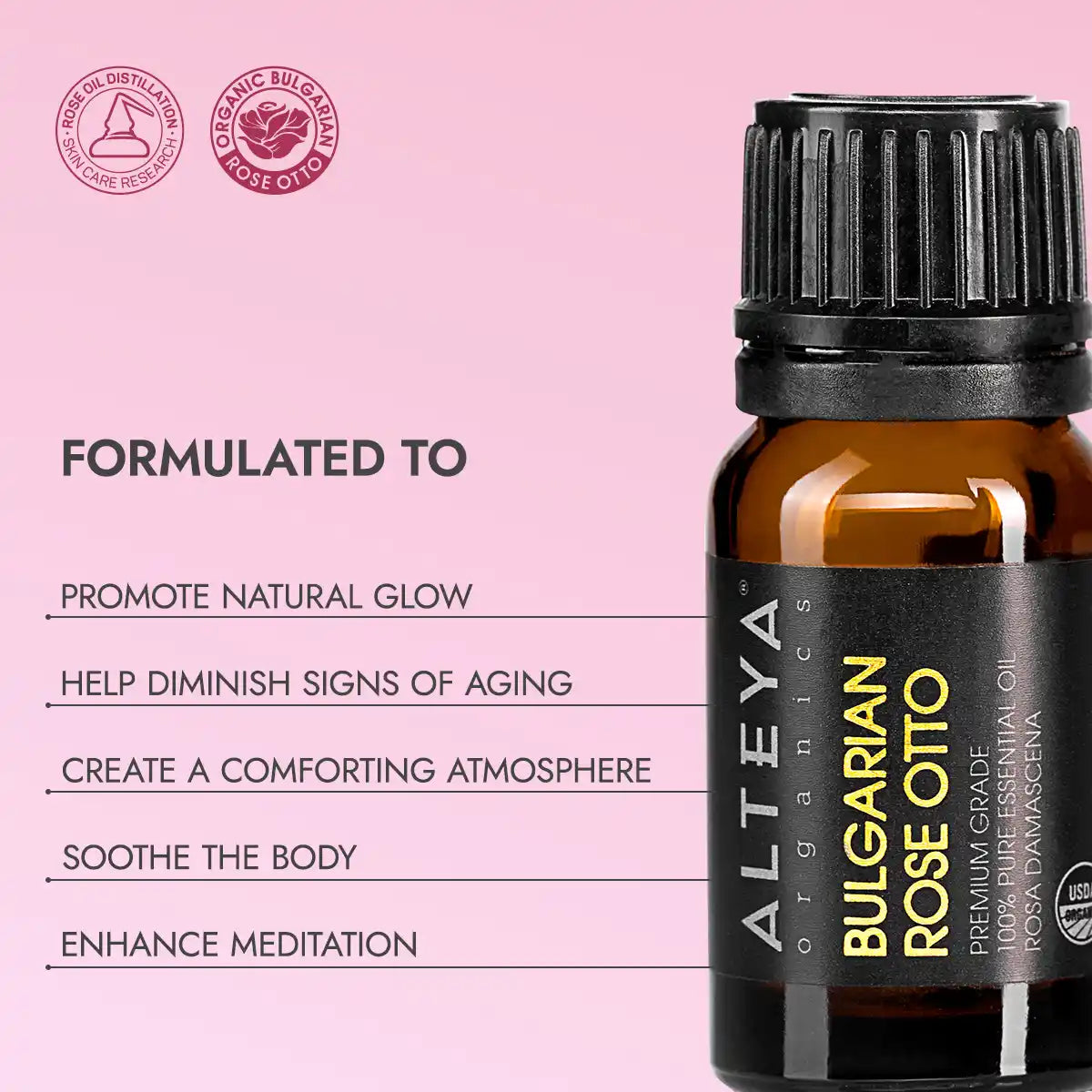
Bulgarian Rose Otto is among the most complex essential oils in skincare, containing over 300 bioactive compounds including citronellol, geraniol, farnesol, and nerol. These compounds are scientifically researched and known for their anti-inflammatory and antioxidant properties, and they are structurally compatible with the skin's own lipid barrier - which is why Rose Otto is used at the heart of every Alteya Organics moisturizer formula.

Organic Moisturizer vs Synthetic Moisturizer: What Is the Difference?

Organic and synthetic moisturizers can look identical in a jar and feel similar on first application - but they behave very differently over time, and for different reasons.

Comparison between organic moisturizer and synthetic moisturizer

Organic Moisturizer (e.g. Alteya Organics)

Synthetic Moisturizer

Active ingredients

Organic Moisturizer

Cold-pressed plant oils, botanical extracts, certified essential oils

Synthetic Moisturizer

Petrolatum, dimethicone, synthetic fragrance, chemical preservatives

Skin barrier effect

Organic Moisturizer

Replenishes and repairs the lipid barrier from within

Synthetic Moisturizer

Creates a surface seal without addressing the underlying barrier

Microbiome impact

Organic Moisturizer

Plant oils support a balanced skin microbiome

Synthetic Moisturizer

Some preservatives may disrupt the skin microbiome

Certification

Organic Moisturizer

NATRUE Organic Certified, USDA NOP Organic (Alteya)

Synthetic Moisturizer

Typically no organic certification

Long-term skin response

Organic Moisturizer

Supports long-term skin health and resilience

Synthetic Moisturizer

May lead to dependency on occlusive ingredients

Choosing a certified organic moisturizer from a brand that controls its own ingredient sourcing - as Alteya Organics does with its Bulgarian Rose Otto - eliminates the risk of undisclosed synthetic additives and ensures that every active ingredient is present at a therapeutically meaningful level.

How to Use an Organic Moisturizer: Step-by-Step Skincare Routine

To get the best results from an organic moisturizer, it is important to apply it in the correct order and on properly prepared skin. This step-by-step skincare routine shows how to use a cleanser, rose water and an organic moisturizer together for maximum hydration, absorption, and skin balance.

Start with a gentle organic cleanser that removes impurities without stripping the skin’s natural oils. Avoid foaming cleansers with sulphates, especially if your skin is dry, sensitive, or reactive. Clean skin allows better absorption of all skincare products that follow.

What Makes Bulgarian Rose Otto Different from Other Skincare Oils?

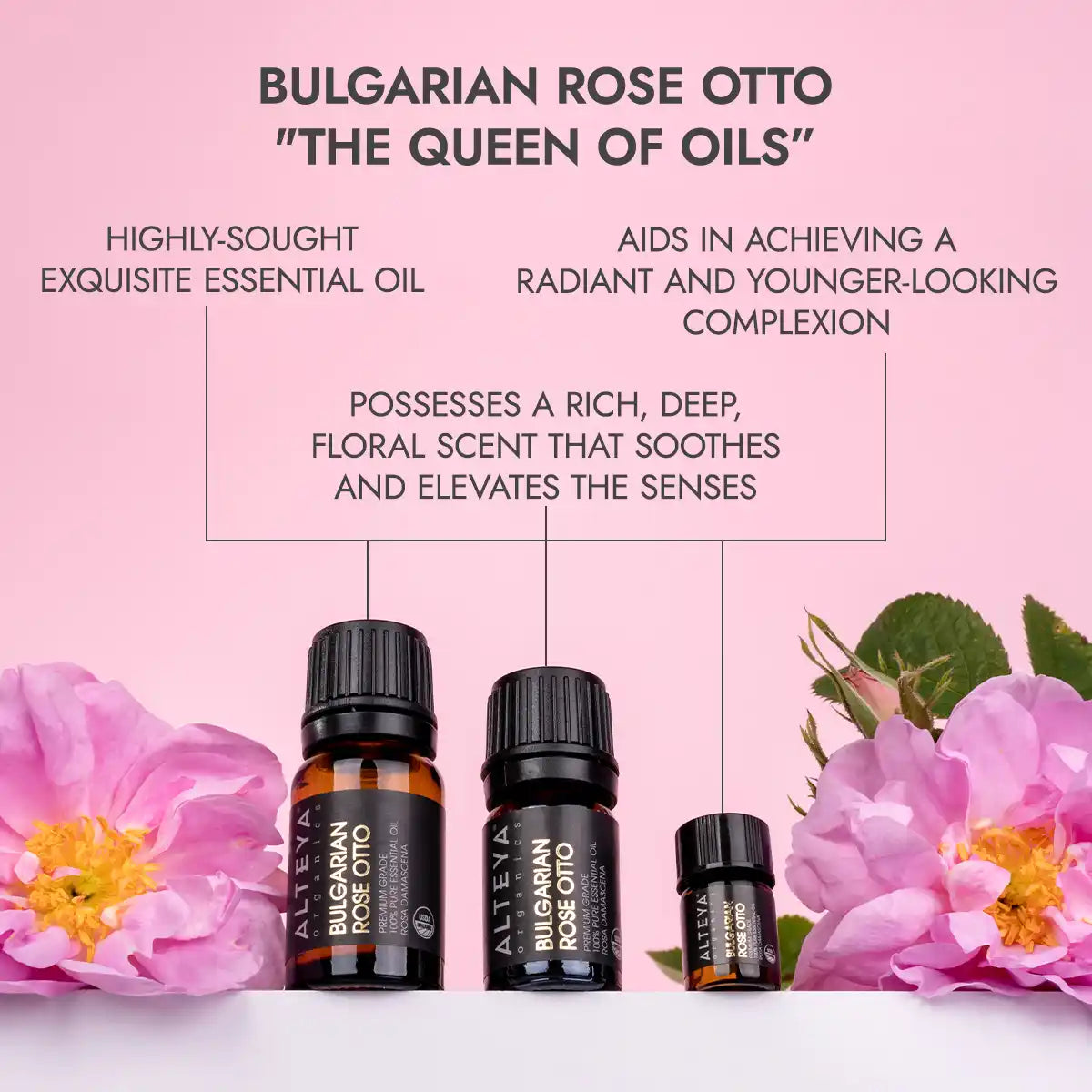
Bulgarian Rose Otto - Rosa Damascena essential oil from the Bulgarian Rose Valley - is one of the most complex and rare botanical oils used in skincare. It takes approximately 3 to 5 tonnes of freshly harvested Rosa Damascena petals to produce 1 kilogram of Rose Otto oil. This concentration is what makes it one of the world's most precious ingredients, and it is why we, at Alteya Organics, by growing and distilling our own roses, are able to formulate with Rose Otto at levels that make a measurable difference.

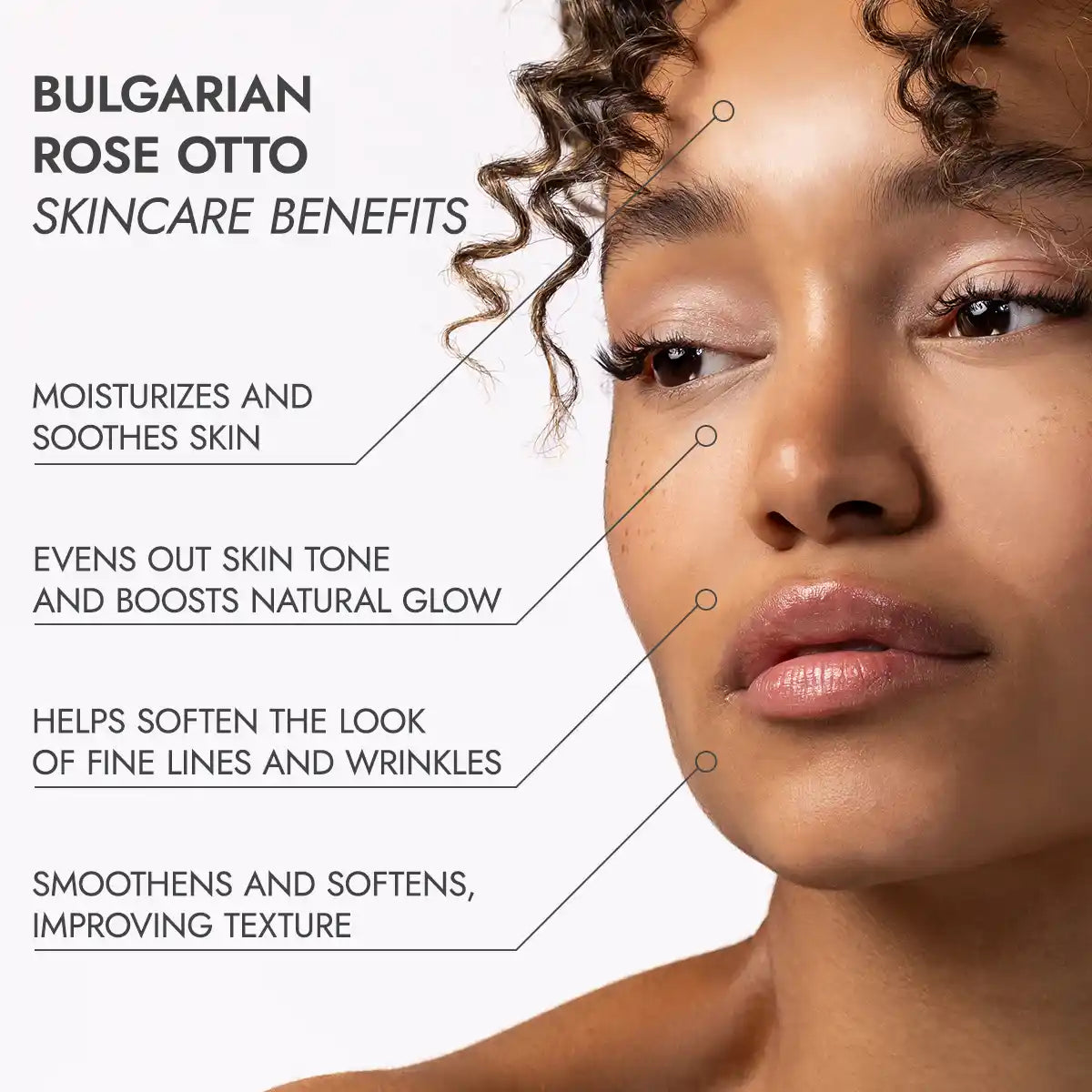
Rose Otto contains over 300 individual bioactive compounds, including citronellol (anti-inflammatory), geraniol (antioxidant), farnesol (skin-conditioning), and the rare compound damascenone. These compounds work together to reduce skin redness, support collagen synthesis, and improve the skin's overall tone and texture with regular use.

How to Choose the Best Organic Moisturizer: What to Look For

The best organic moisturizer for your skin is the one whose oil profile matches your skin type, whose certifications verify genuine organic content, and whose formula contains no synthetic additives. Here is what to check before you buy.

• Check the certification. USDA Certified Organic and NATRUE Certified are among the most rigorous independent standards. A product labelled 'natural' without certification has no verified standard.

• Read the full ingredient list. Organic actives should appear in the top half of the INCI list - not as trace additions. Avoid formulas where water, glycerol, or synthetic thickeners dominate the first five ingredients.

• Match the oil profile to your skin type. Oleic-acid-dominant oils (avocado, almond) for dry skin. Linoleic-acid-dominant oils (rosehip, grape seed) for oily or combination skin. Jojoba for sensitive or balanced skin.

Look for vertically integrated sourcing. Brands that grow and process their own key ingredients - as Alteya Organics does with Bulgarian Rose Otto - offer the strongest guarantee of ingredient quality and traceability.
Explore More from Alteya Organics

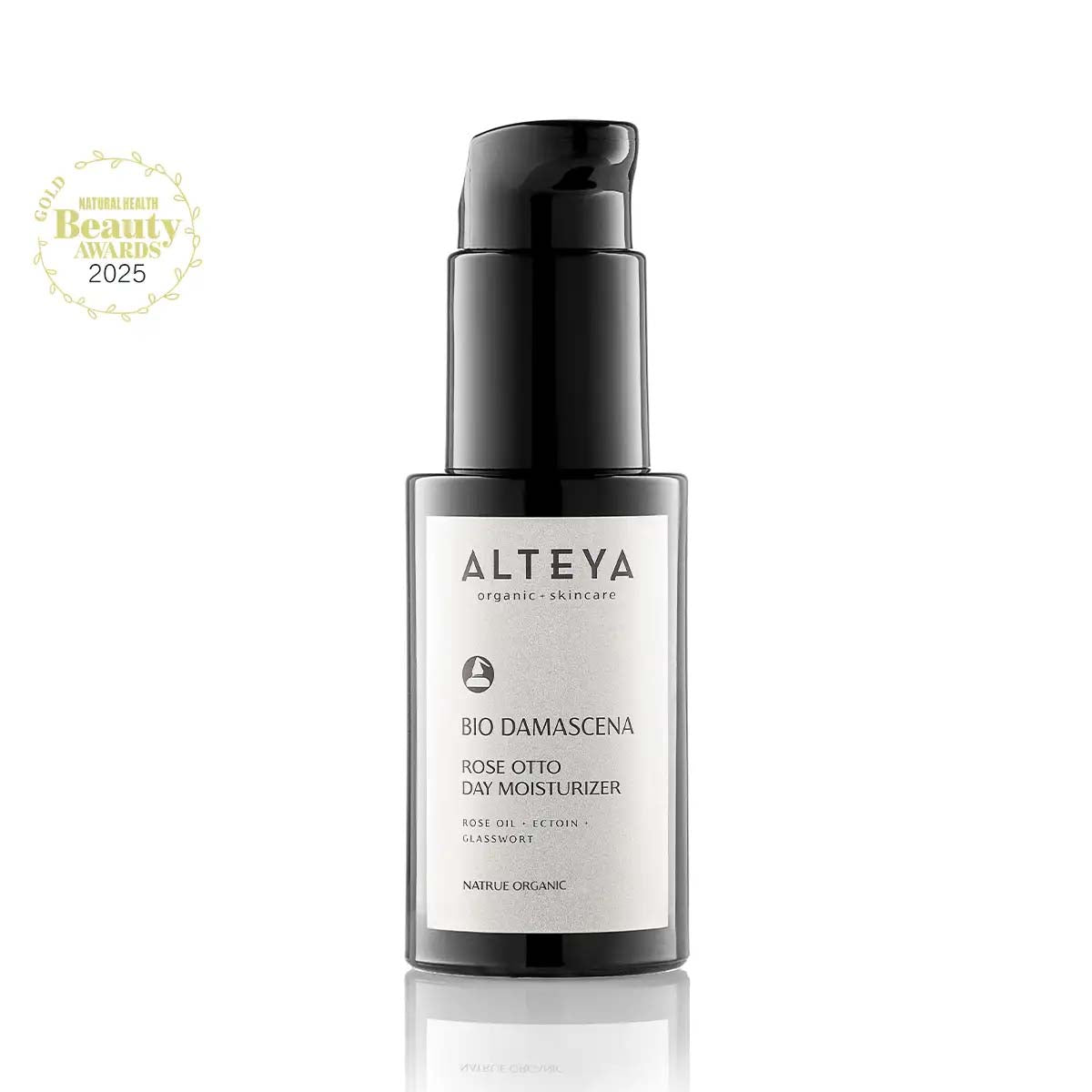
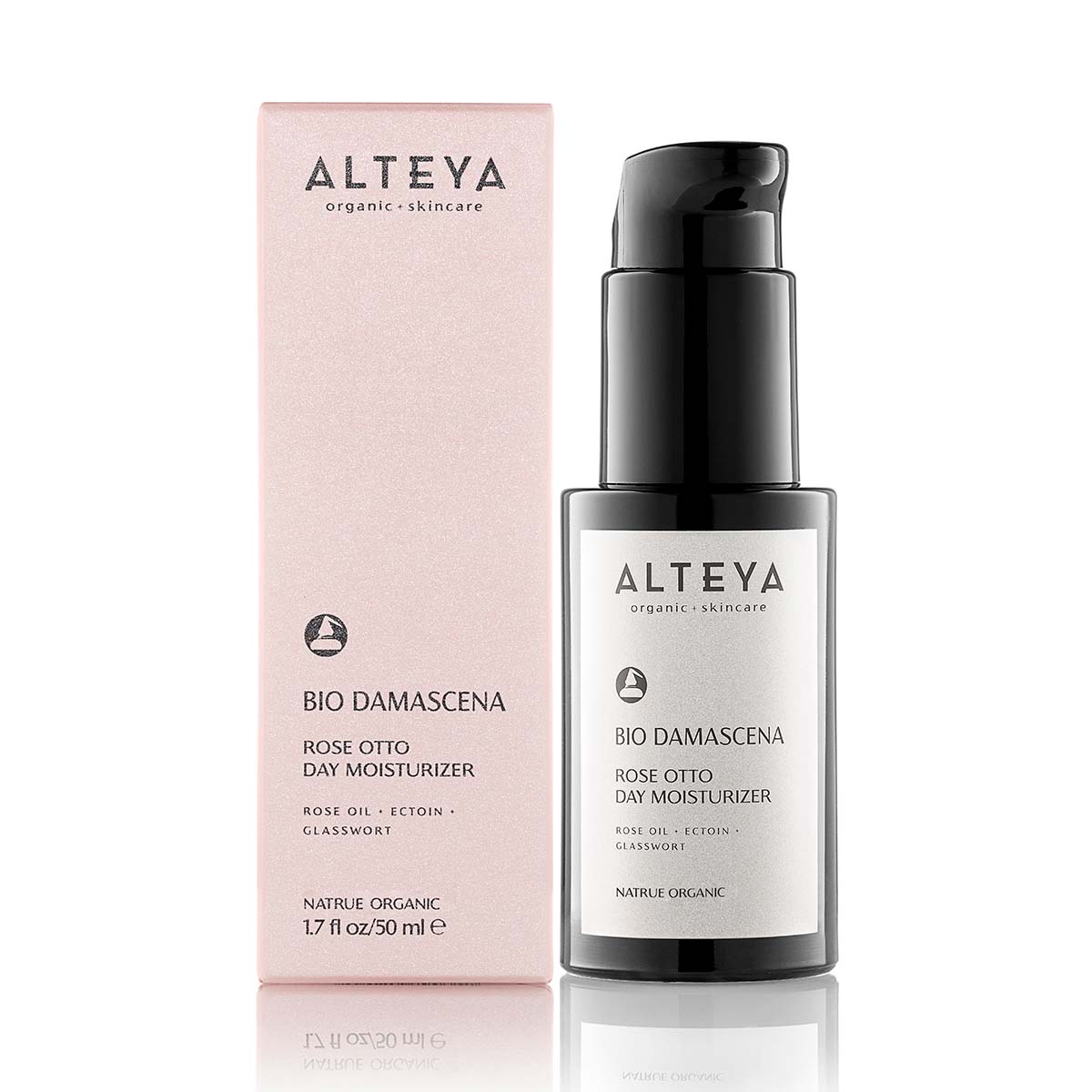
Browse Alteya's complete organic moisturizers collection for the full range of Rose Otto face creams, day and night formulas. Pair your moisturizer with Alteya's Organic Bulgarian Rose Water as a toning step. For a complete organic skincare routine, explore the Bio Damascena collection.

FREQUENTLY ASKED QUESTIONS

Look for NATRUE Certified – one of the most rigorous independent standards. It requires third-party auditing of the full supply chain: full traceability of the raw materials and how the finished product is manufactured. 'Natural' and 'organic' without a certification are unverified claims. Alteya Organics has it.

Article: How To Choose The Right Organic Moisturizer For Your Skin Type?

organic

How To Choose The Right Organic Moisturizer For Your Skin Type?

The right organic moisturizer does more than hydrate your skin - it works with your skin's biology rather than against it. Organic moisturizers formulated from cold-pressed plant oils, botanical extracts, and certified pure essential oils mirror the lipid structure of your skin's natural barrier, making them more compatible and more effective than synthetic alternatives for long-term skin health.

Leave a comment

This site is protected by hCaptcha and the hCaptcha Privacy Policy and Terms of Service apply.
Read more

natural skincare
skincare

The Truth beneath the Glow: 5 Common Skincare Misconceptions - and What the Evidence Actually Shows

Skincare marketing moves faster than skincare science - which means many of the rules people follow daily are based on outdated assumptions, misunderstood chemistry, or commercial interest rather t...
Read more
Bulgarian Rose Water
skincare

What Is Bulgarian Rose Water and Why Is It Different from Regular Rose Water?

Bulgarian rose water is a pure, steam-distilled hydrosol made from fresh Rosa Damascena blossoms hand-harvested at sunrise in Bulgaria's Rose Valley. It contains nothing but the water-soluble essen...

Read more