Skip to content

Cart

Your cart is empty

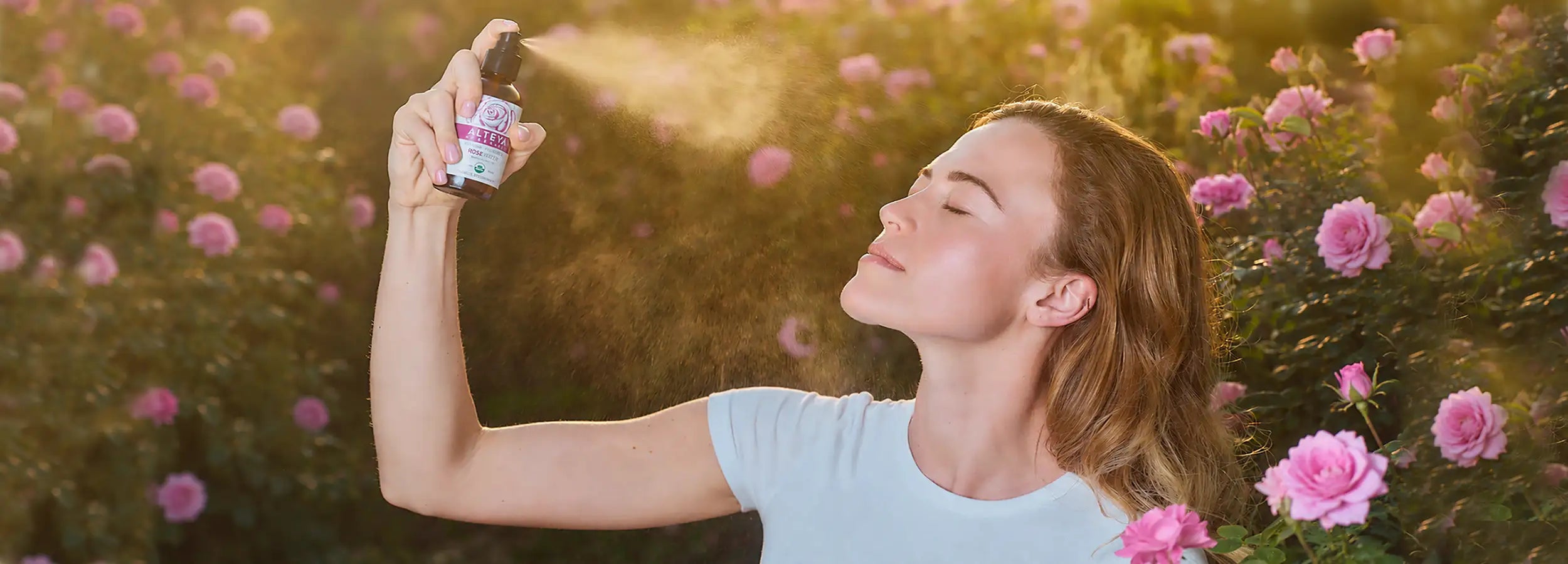
how to use rose water desktop banner

How to Use Rose Water in Your Summer Skincare Routine

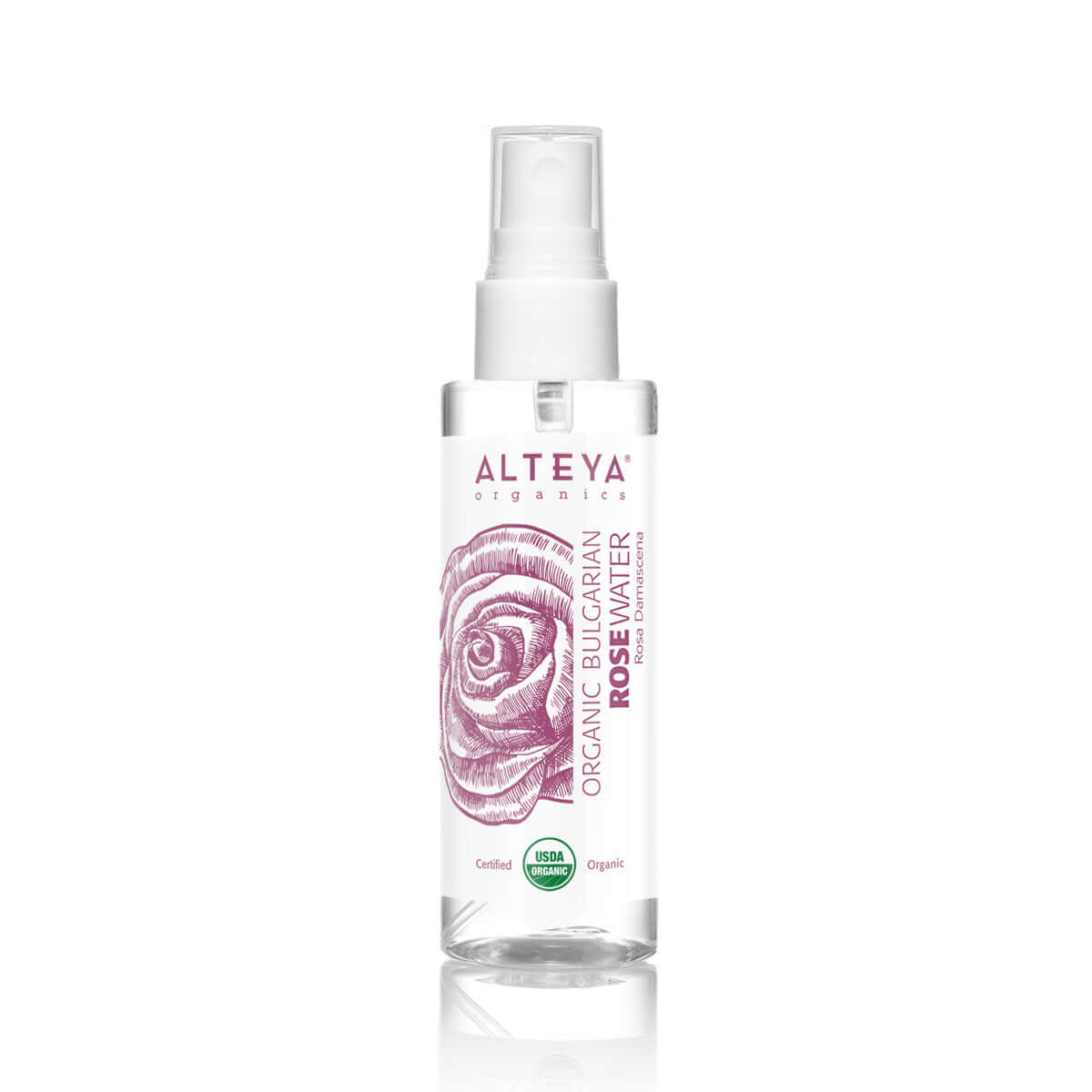
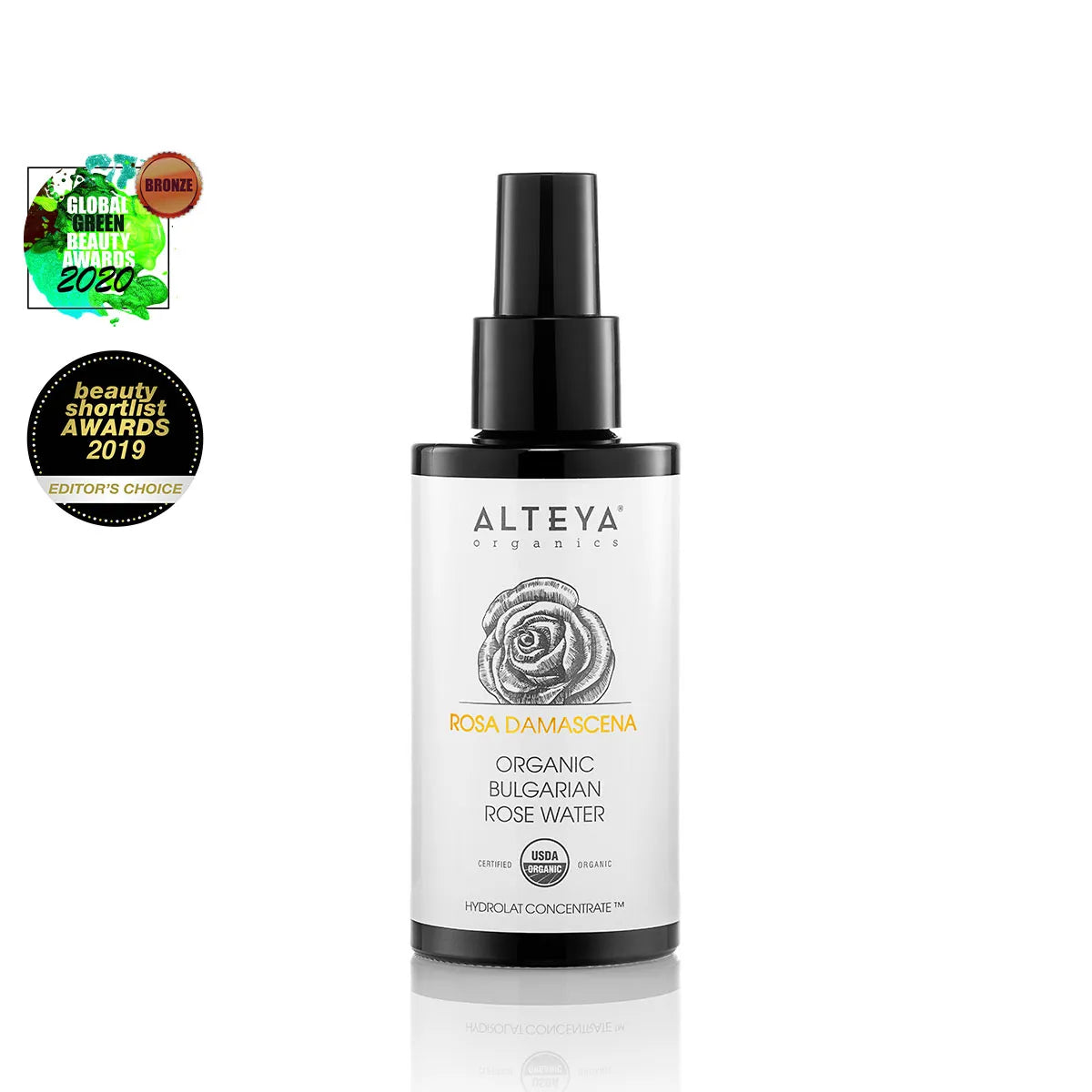
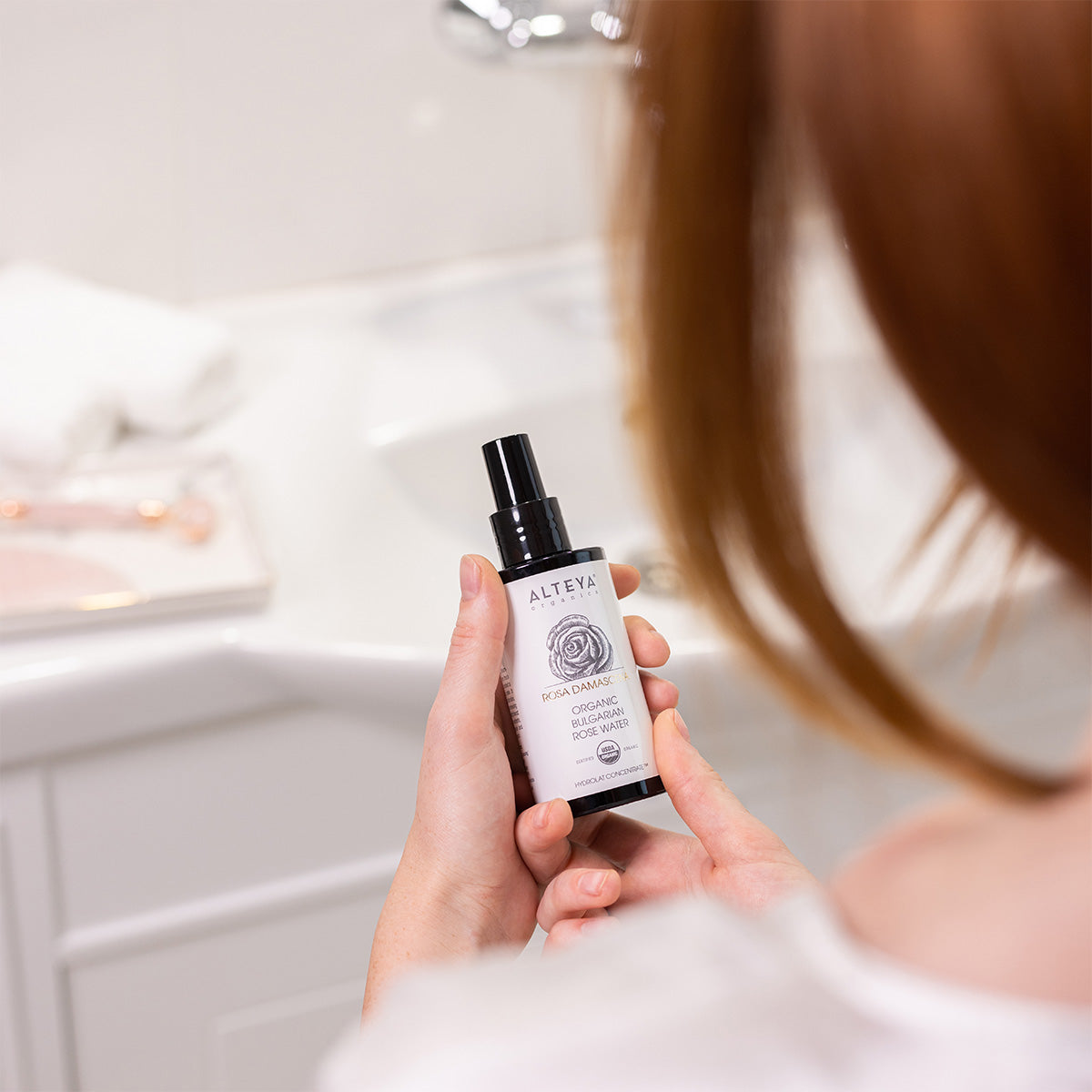
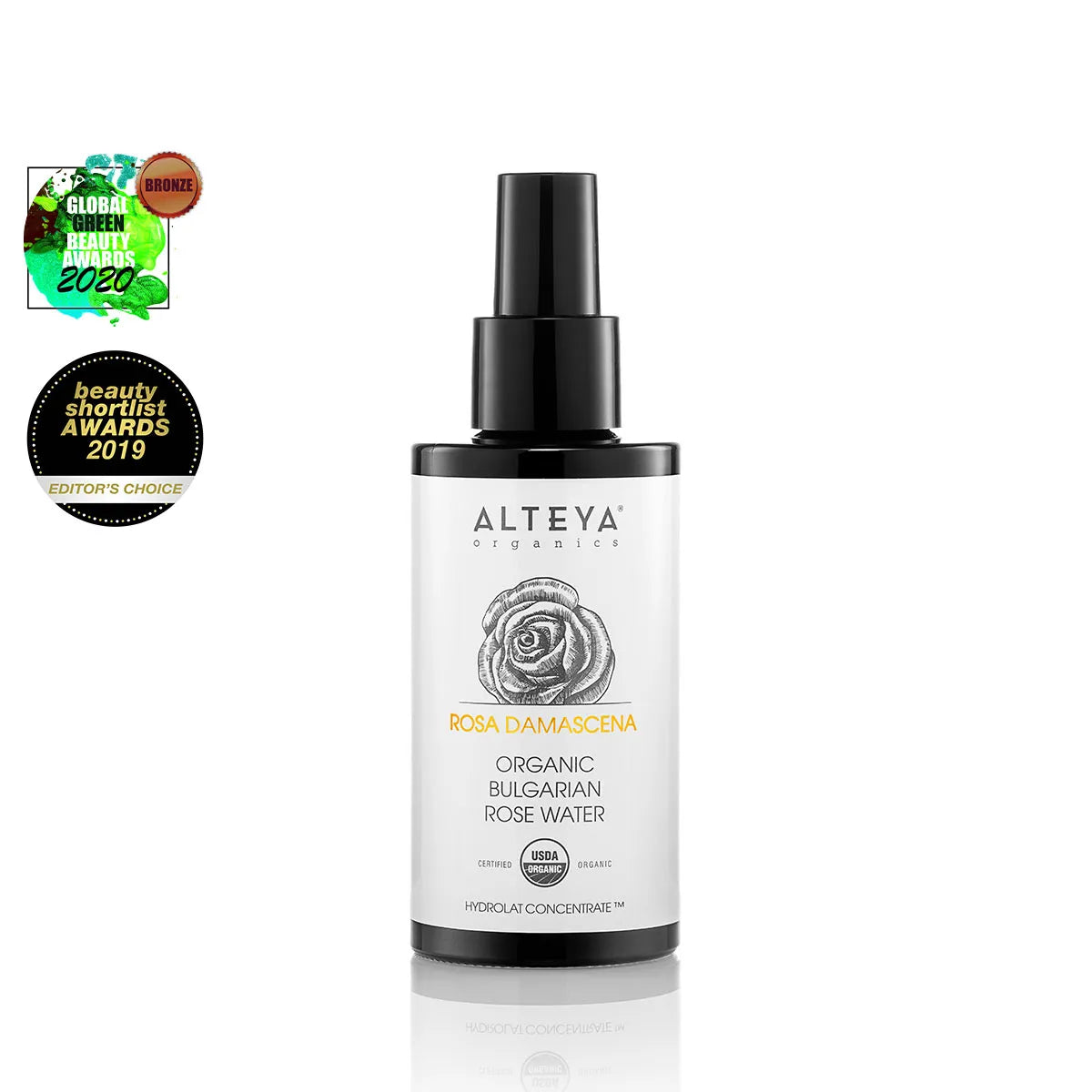
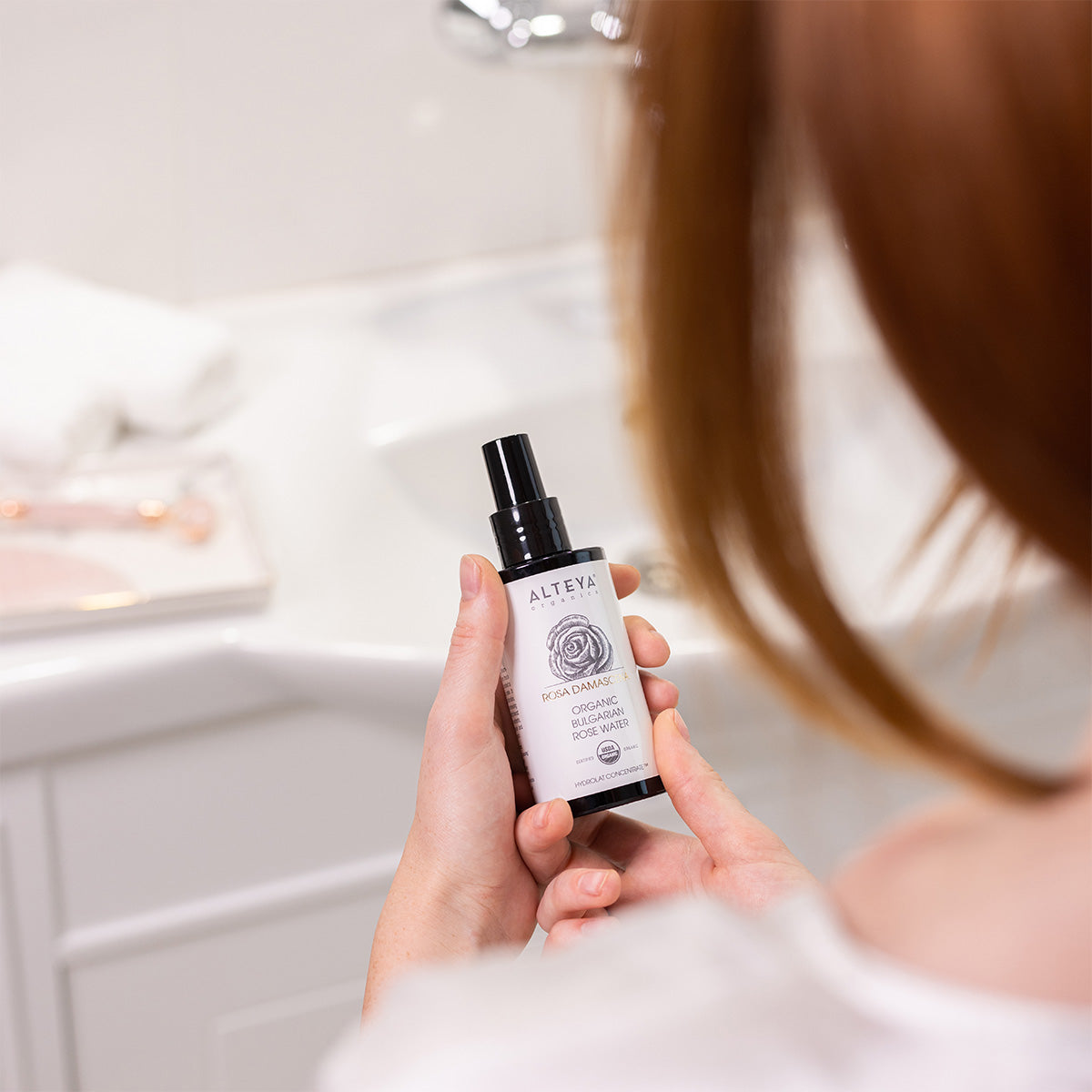
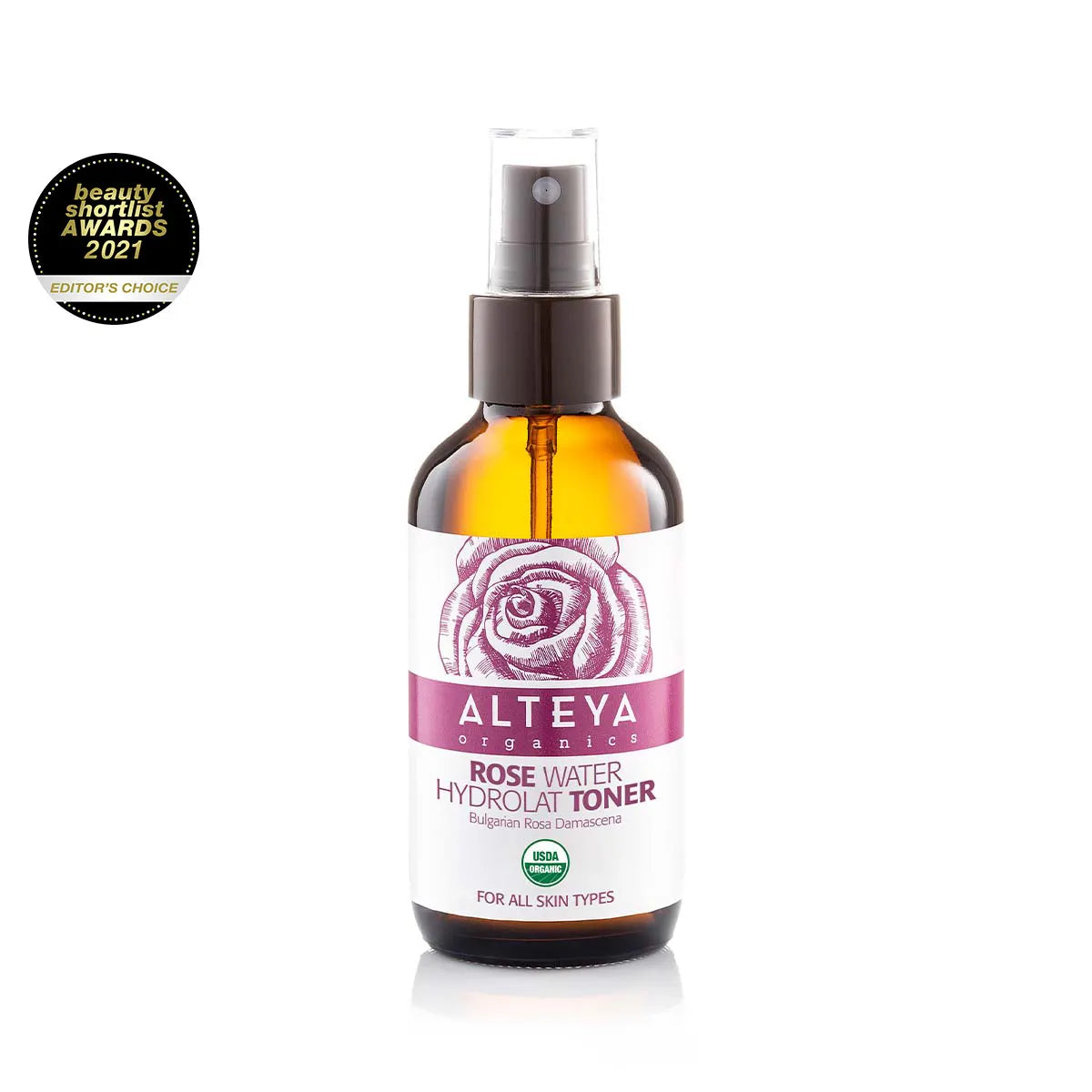
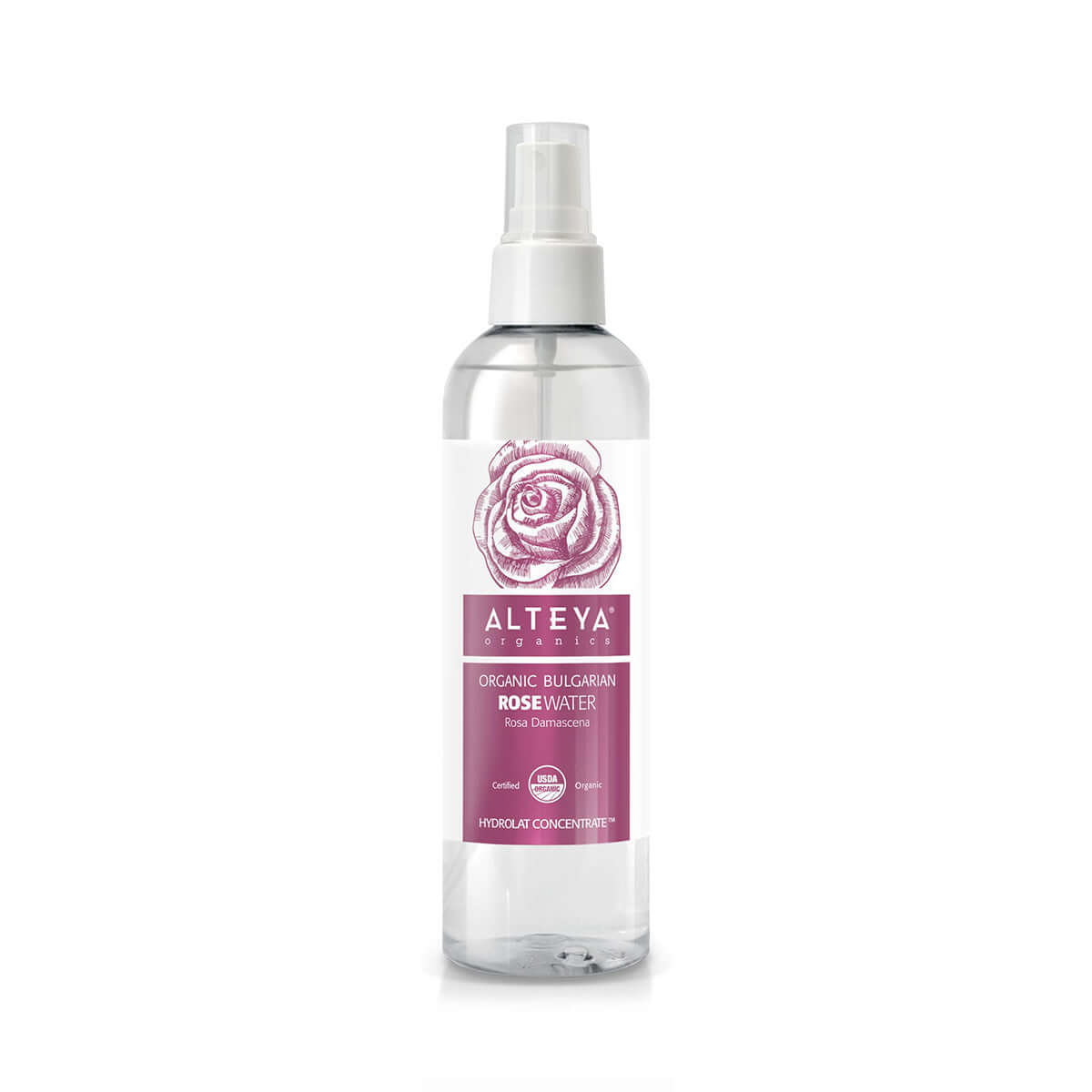
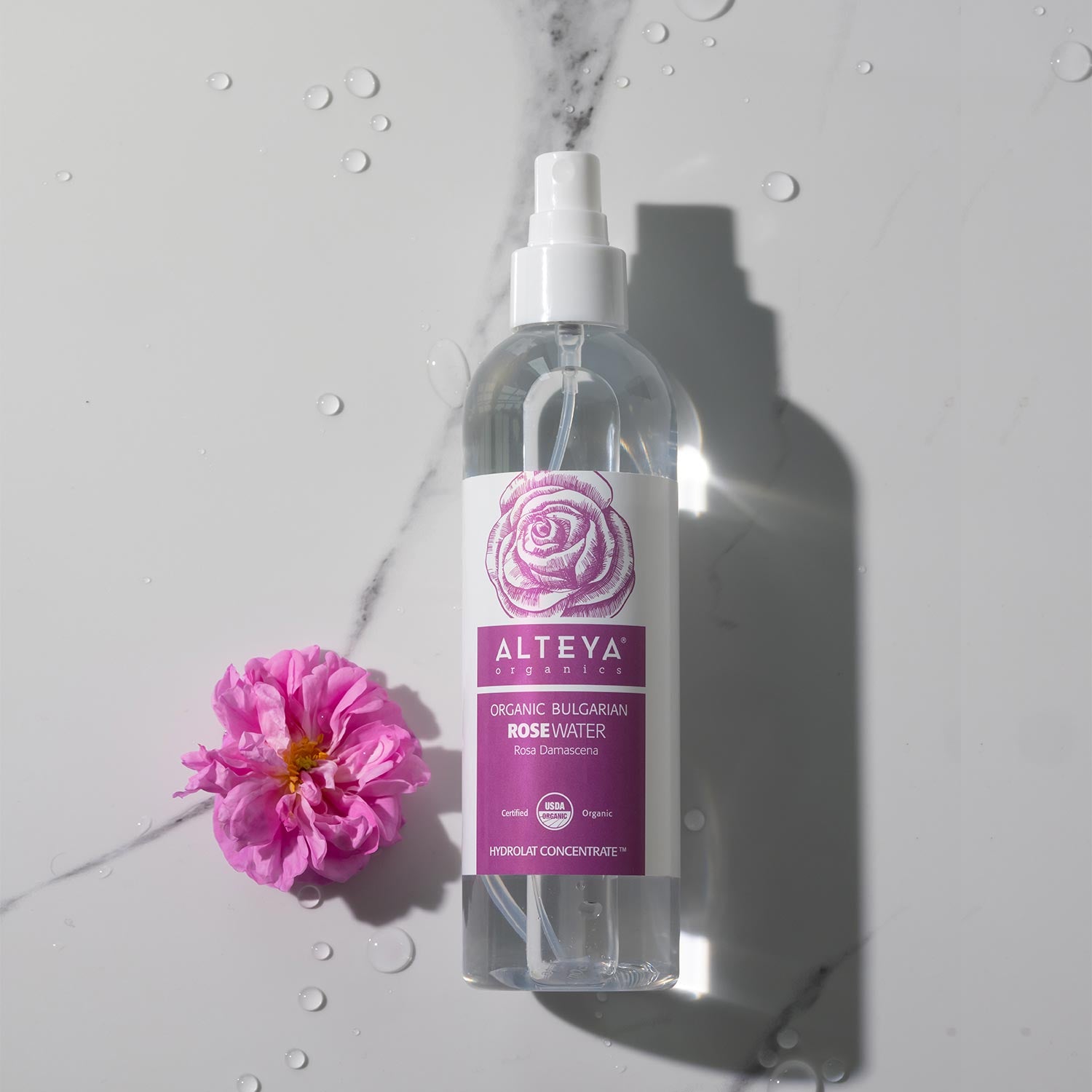
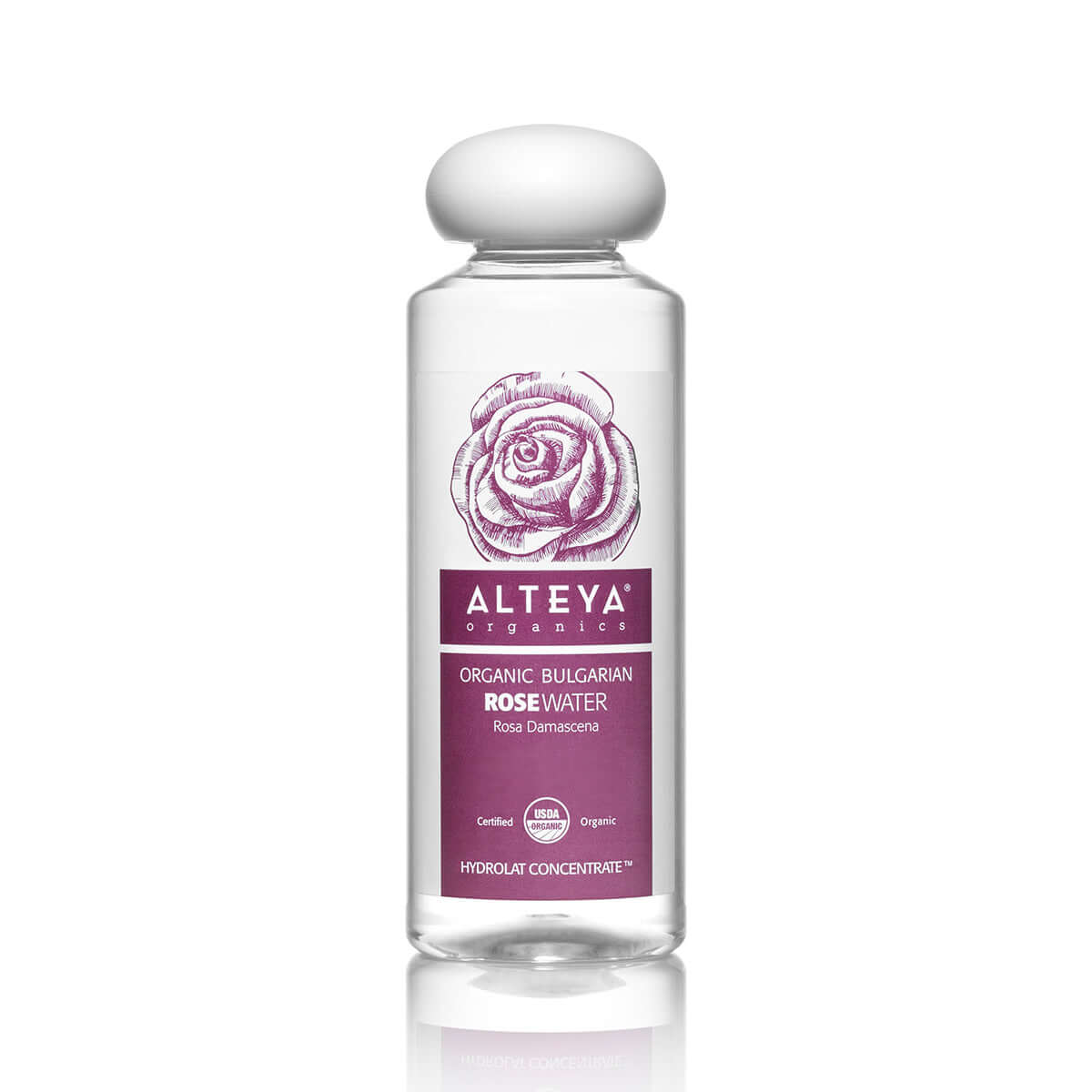
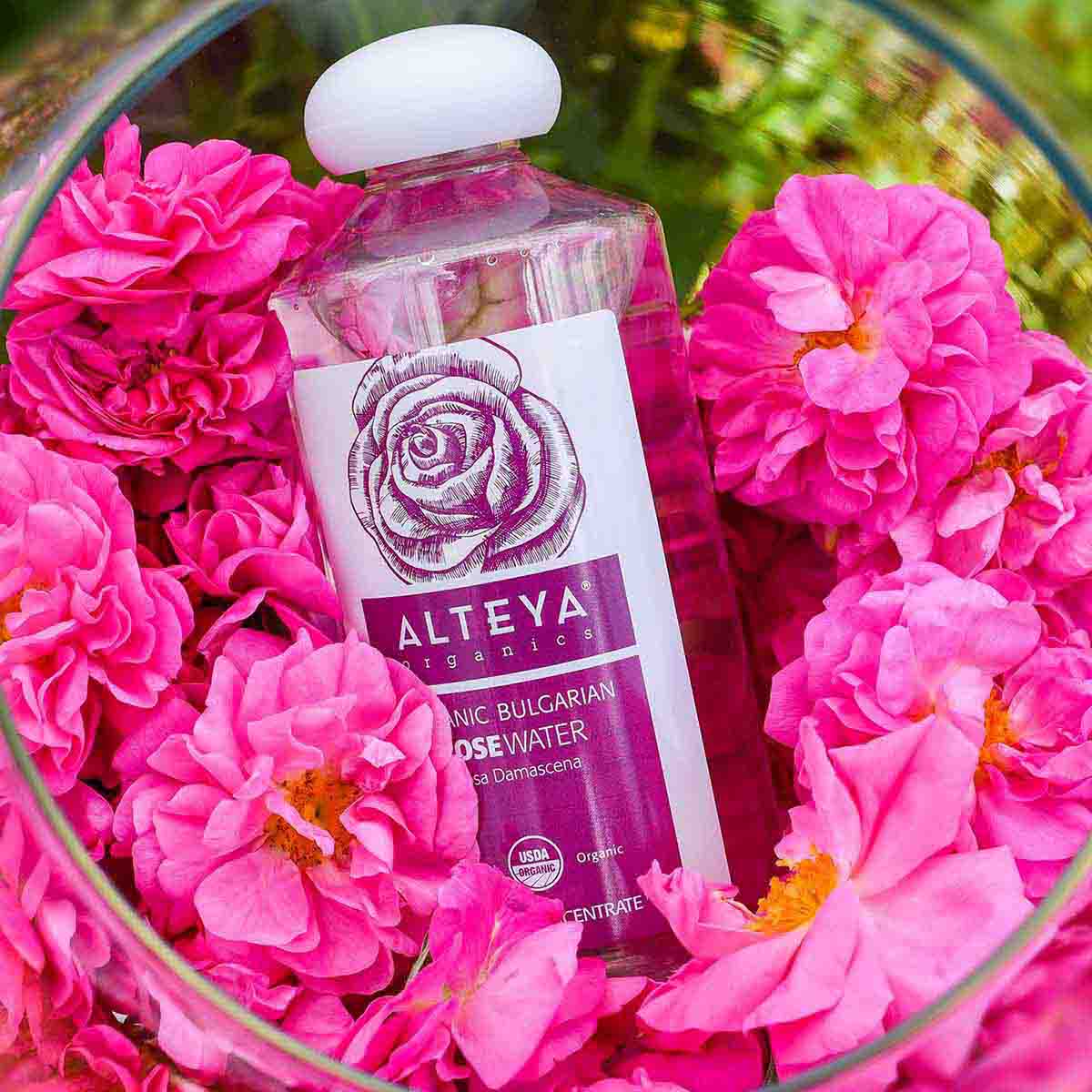
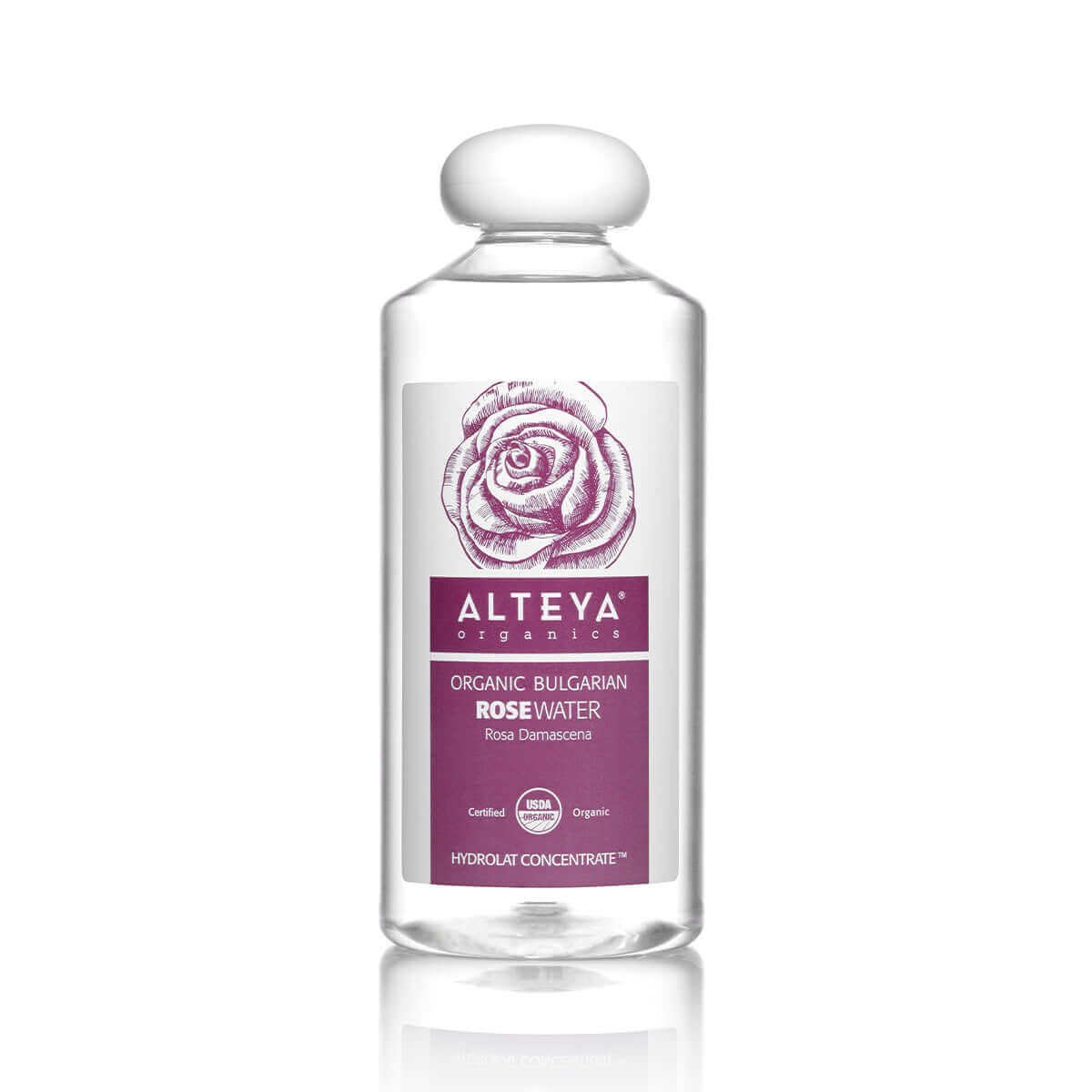
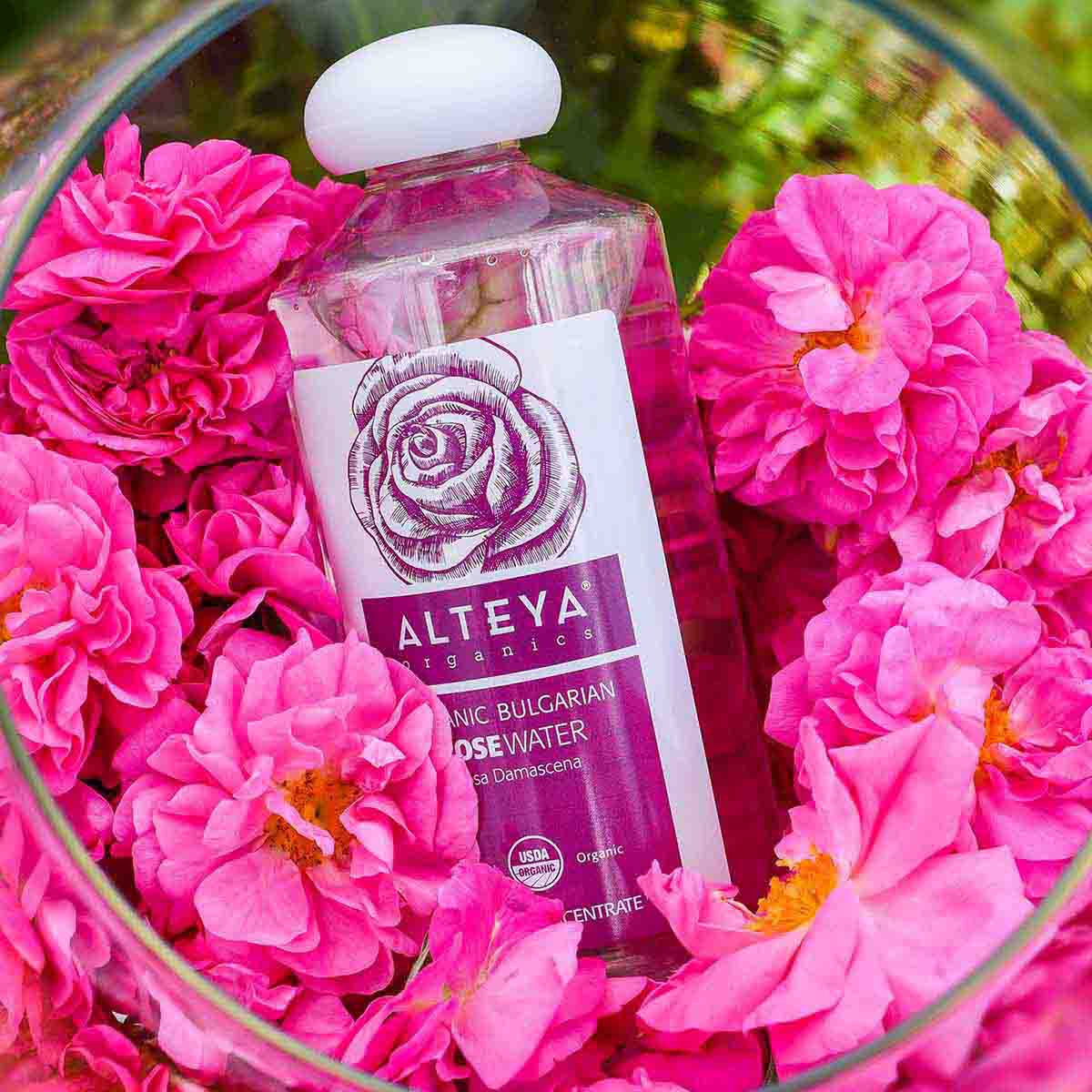
Rose water can be used in a summer skincare routine as a post-cleansing toner, a midday hydrating mist, a makeup-setting spray, and a pre-moisturizer prep step — making it one of the most versatile single ingredients for managing the specific hydration and pH challenges that hot weather creates for skin. Steam-distilled from Rosa Damascena, rose water's naturally occurring phenylethanol and flavonoid content provide gentle antioxidant and calming benefits, while its mildly acidic pH helps restore the skin's surface balance after sweating, swimming, or sun exposure. Alteya Organics, a Bulgarian family-owned brand certified to USDA Organic and NATRUE standards, steam-distills its Organic Bulgarian Rose Water from Rosa Damascena grown on its own certified organic fields in the Rose Valley — producing a single-ingredient hydrosol suited to the frequent, repeated application that summer skincare often requires.

Why Is Rose Water Especially Useful in Summer?

Rose waters is especially useful in summer because it addresses three specific seasonal skin challenges simultaneously: surface dehydration from heat and air conditioning, pH disruption from sweat and sun exposure, and the need for a lightweight hydration option that does not feel heavy or occlusive in warm weather.

Unlike heavier creams or oils, which can feel uncomfortably rich during hot, humid conditions, rose water delivers hydration and antioxidant benefit in an ultra-lightweight, fast-absorbing form. Its mildly acidic pH — typically between 4.0 and 5.0 — closely matches the skin's natural acid mantle, making it effective at restoring pH balance after the skin's surface has been disrupted by sweat (which is naturally more alkaline) or by extended water exposure during swimming.

Rose water's versatility also matters specifically in summer because routines often need to flex throughout a longer, more active day — covering everything from a pre-dawn workout to beach time to an evening event — in a way that a single rich moisturizer applied once in the morning cannot accommodate.

Sweat has a naturally higher pH than the skin's resting surface pH of approximately 4.5 to 5.5, meaning prolonged sweating during summer heat or exercise can temporarily push skin pH upward. Restoring this balance with a mildly acidic hydrosol like rose water supports the skin's natural antimicrobial defenses, which function optimally within its normal acidic range.
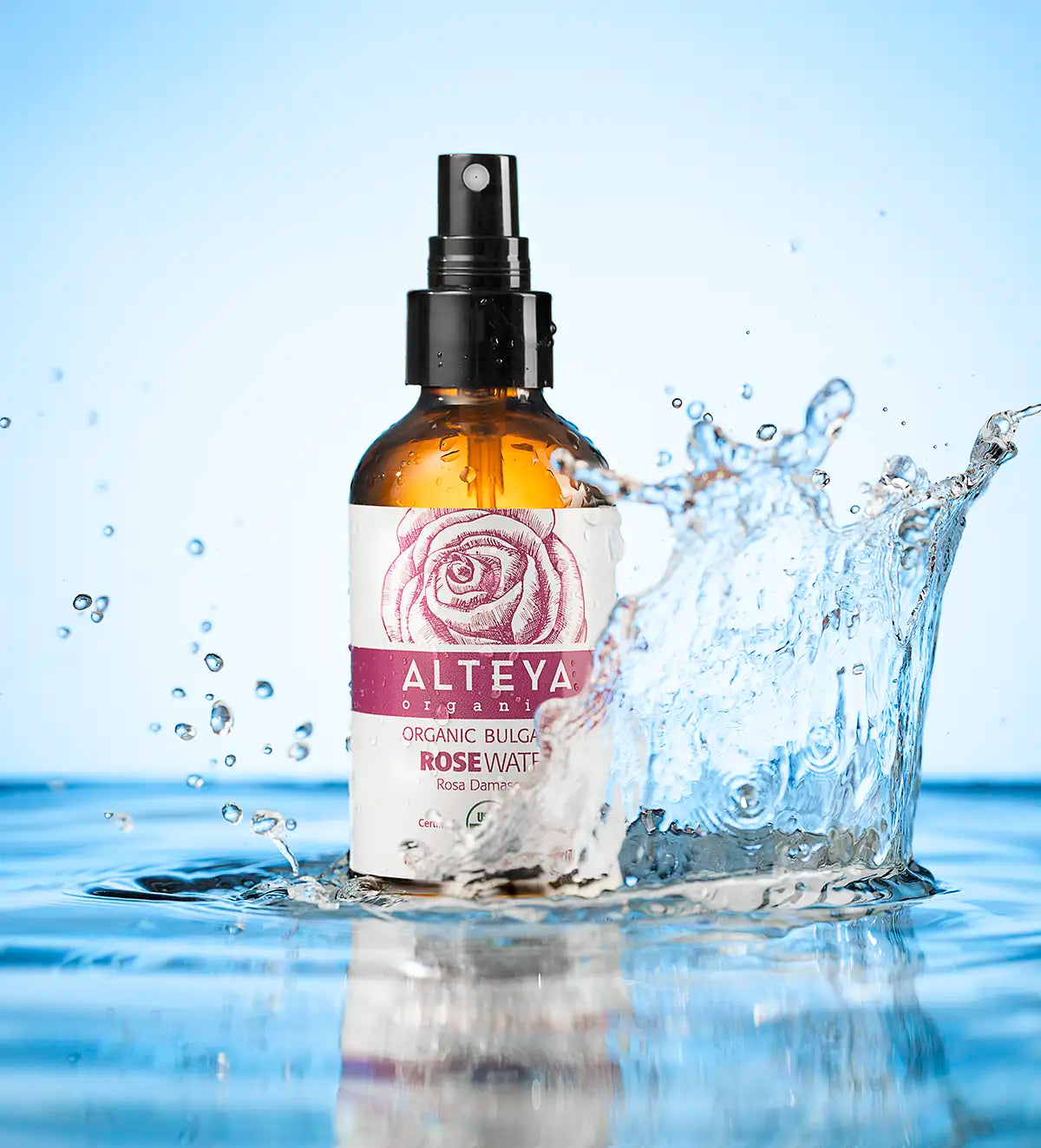
why is rose water especially useful in summer

How to Use Rose Water in Your Morning Summer Routine

In a morning summer routine, rose water functions best as a post-cleansing toner and pre-moisturizer prep step, restoring hydration and pH balance before lighter, warm-weather-appropriate products are layered on top.

Use a gentle, sulfate-free cleanser suited to summer — lighter gel or micellar formulas tend to work well, since heavier cream cleansers can feel unnecessarily rich in hot weather.

In the evening, rose water serves a dual function in summer: removing the day's residual heat-related buildup and preparing skin for nighttime actives without adding unnecessary richness in warm sleeping conditions.

How to Use Rose Water During the Day in Summer

During the day, rose water functions as a portable, hands-free hydration and refresh tool — particularly valuable in summer, when heat, sweat, and air conditioning create more frequent hydration dips than in cooler seasons.

A quick spritz of rose water during the hottest part of the day revives skin that has become dull, tight, or fatigued from heat exposure. Because rose water requires no rinsing and absorbs quickly, it can be applied directly over makeup without disrupting coverage, restoring a dewy finish that summer heat tends to flatten by midday.

In the evening, rose water serves a dual function in summer: removing the day's residual heat-related buildup and preparing skin for nighttime actives without adding unnecessary richness in warm sleeping conditions.

Specific Ways to Use Rose Water for Common Summer Skin Concerns

After Sun Exposure

Following time in the sun, misting rose water onto warm, flushed skin helps cool the surface and begin rehydrating skin that has lost moisture to heat and UV exposure. For skin showing more pronounced redness or sensitivity after sun exposure, layering chamomile flower water before or alongside rose water provides additional targeted anti-inflammatory support.

As a Setting Spray Over Sunscreen and Makeup

Rose water can be misted lightly over finished sunscreen and makeup to restore a fresh, dewy look without disturbing either layer underneath. This is particularly useful in summer, when makeup applied over sunscreen tends to look duller and more prone to settling into fine lines or pores as the day progresses in heat.

For Oily or Congested Summer Skin

Skin that becomes oilier in summer due to increased sebum production can still benefit from rose water's hydration without added heaviness — properly hydrated skin, including oily skin, often regulates sebum production more effectively than chronically dehydrated skin, which can overproduce oil to compensate for surface water loss.

For Swimming and Pool or Ocean Exposure

After swimming, whether in chlorinated pool water or seawater, misting with rose water helps restore the skin's surface pH, which can be disrupted by both chlorine (alkaline) and the mineral content of seawater. This step is best followed by a proper rinse-cleanse and moisturizer application as soon as practical, with rose water serving as an immediate interim refresh.

As a DIY Cooling Compress

Soaking a clean cloth in chilled rose water and applying it to the face or neck for several minutes provides a more sustained cooling and hydrating effect than a quick mist, useful after extended heat exposure or for general end-of-day relief during a heat wave.

What Pairs Well with Rose Water in a Summer Routine?

Rose water pairs effectively with lightweight humectants, antioxidant serums, and other certified organic hydrosols to build a complete, warm-weather-appropriate skincare routine without unnecessary heaviness.

Rose Water Summer Pairings
Rose water pairings and why each combination works well in summer skincare.

Pairing

Why It Works in Summer

Rose water + vitamin C serum

Why It Works in Summer

Rose water preps and hydrates skin; vitamin C provides additional antioxidant defense against UV-induced free radical damage

Rose water + plant-based glycerin

Why It Works in Summer

Glycerin draws additional moisture from the air into the skin, complementing rose water's surface hydration, particularly useful in humid summer climates

Rose water + chamomile flower water

Why It Works in Summer

Layering both hydrosols combines rose water's broad antioxidant benefit with chamomile's more targeted anti-inflammatory action for sun-stressed skin

Rose water + lightweight gel moisturizer

Why It Works in Summer

A gel-based moisturizer applied over rose-water-prepped skin delivers adequate hydration without the heaviness of a rich cream in hot weather

Rose water + mineral sunscreen

Why It Works in Summer

Applying rose water before sunscreen on slightly damp skin can support more even sunscreen application, though it does not extend or replace sunscreen's UV protection

Common Mistakes to Avoid When Using Rose Water in Summer

Using it as a sunscreen substitute: rose water provides no UV protection; broad-spectrum sunscreen is still required regardless of how frequently rose water is applied

Applying to fully dry skin: rose water absorbs and performs better when applied to skin that is still slightly damp, such as immediately after cleansing or showering

Skipping moisturizer entirely: rose water hydrates but does not occlude; pairing it with at least a lightweight moisturizer helps lock in the hydration it provides, especially in dry heat or air-conditioned environments

Choosing alcohol-based rose toners: some commercial 'rose toners' contain added alcohol for a quick-dry finish, which can counteract the benefits of true rose hydrosol by stripping the skin's lipid layer — checking the INCI list for 'Rosa Damascena flower water' as the primary or sole ingredient avoids this issue

Storing it somewhere warm: leaving a rose water bottle in a hot car or direct sun during summer can accelerate degradation of its phytochemical content; cool, shaded storage (or refrigeration) preserves quality longer

Frequently Asked Questions About Using Rose Water in Summer

Rose water can be used multiple times throughout a summer day without risk of over-application, since it is a pure botanical hydrosol rather than a treatment containing active ingredients with usage limits. Common use points include after cleansing in the morning, a midday refresh, post-sun or post-workout application, and again as part of the evening routine — typically three to five applications across an active summer day.

Article: How to Use Rose Water in Your Summer Skincare Routine

skincare

How to Use Rose Water in Your Summer Skincare Routine

Rose water can be used in a summer skincare routine as a post-cleansing toner, a midday hydrating mist, a makeup-setting spray, and a pre-moisturizer prep step — making it one of the most versatile single ingredients for managing the specific hydration and pH challenges that hot weather creates for skin. Steam-distilled from Rosa Damascena, rose water's naturally occurring phenylethanol and flavonoid content provide gentle antioxidant and calming benefits, while its mildly acidic pH helps restore the skin's surface balance after sweating, swimming, or sun exposure. Alteya Organics, a Bulgarian family-owned brand certified to USDA Organic and NATRUE standards, steam-distills its Organic Bulgarian Rose Water from Rosa Damascena grown on its own certified organic fields in the Rose Valley — producing a single-ingredient hydrosol suited to the frequent, repeated application that summer skincare often requires.

Leave a comment

This site is protected by hCaptcha and the hCaptcha Privacy Policy and Terms of Service apply.

Read more

the best organic facial mists for summer
skincare

The Best Organic Facial Mists for Summer: Rose Water, Lavender, and More

The best organic facial mists for summer are steam-distilled botanical hydrosols — including Bulgarian rose water, lavender water, and chamomile flower water — that restore surface hydration, calm ...

Read more
Complete Guide to Organic Facial Cleansers
organic

The Complete Guide to Organic Facial Cleansers: Milk, Gel, Jelly, and Oil Cleansers Explained

Organic facial cleansers fall into four primary textures — milk, gel, jelly, and oil — each formulated differently to suit specific skin types and cleansing needs. Milk cleansers use emollient, cre...

Read more