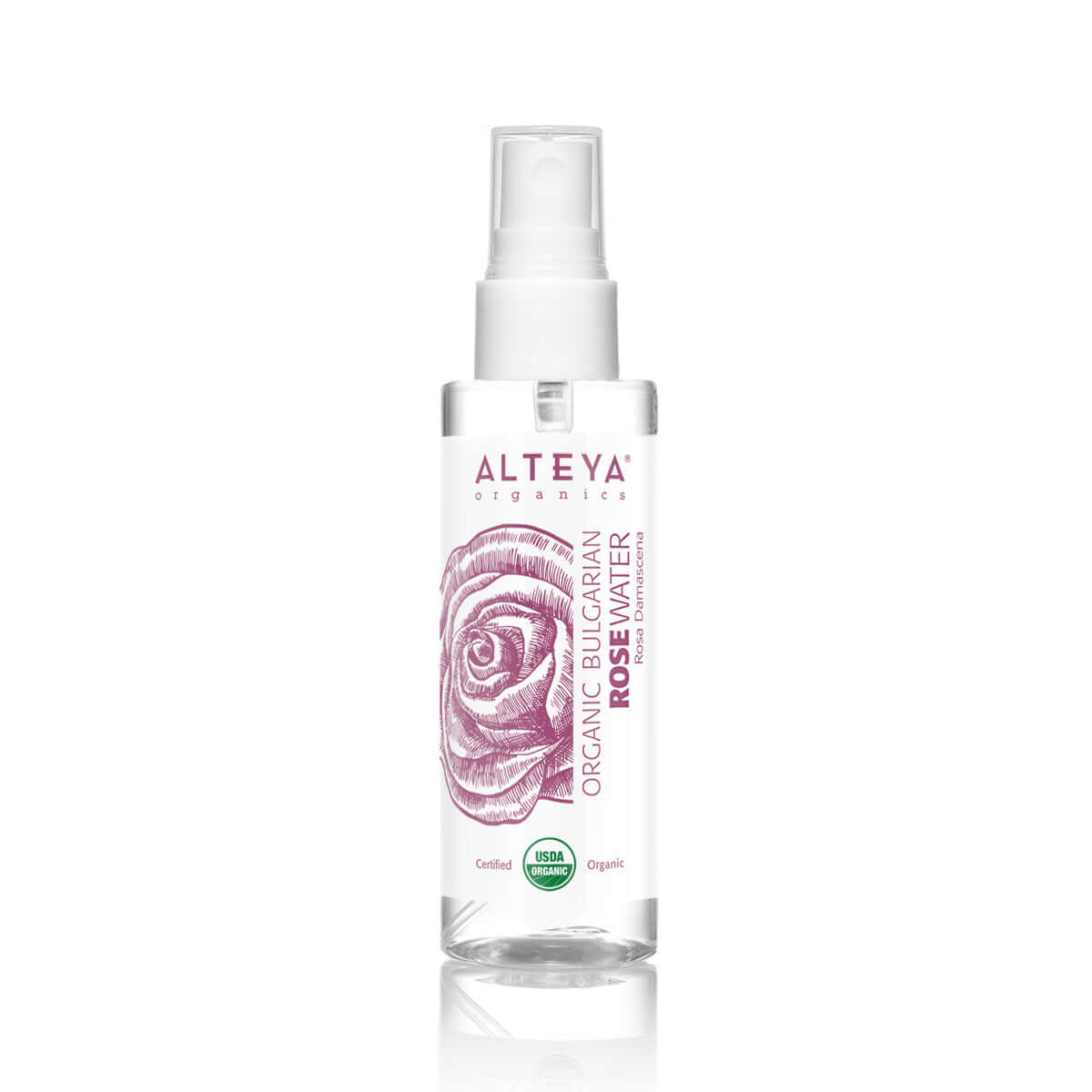
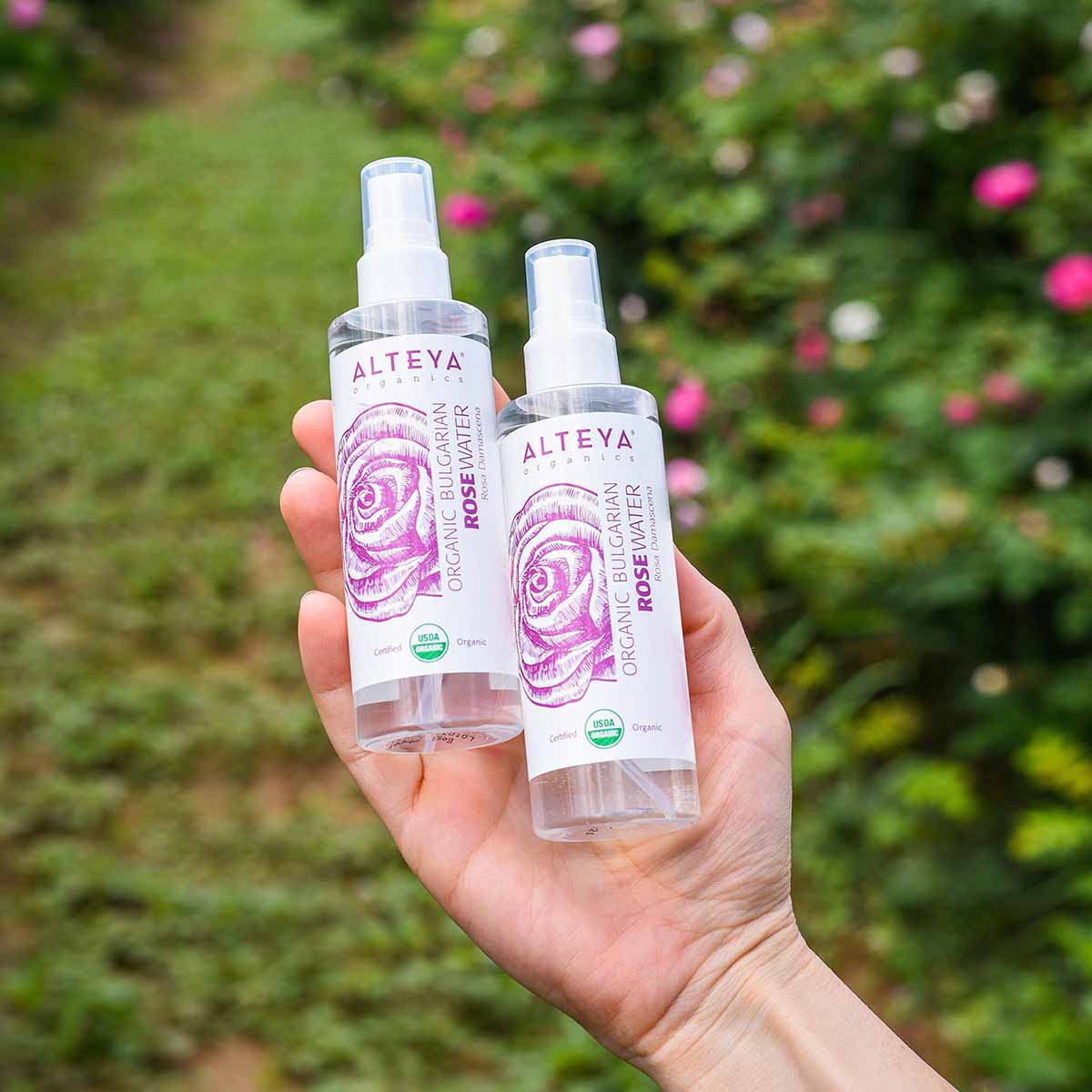
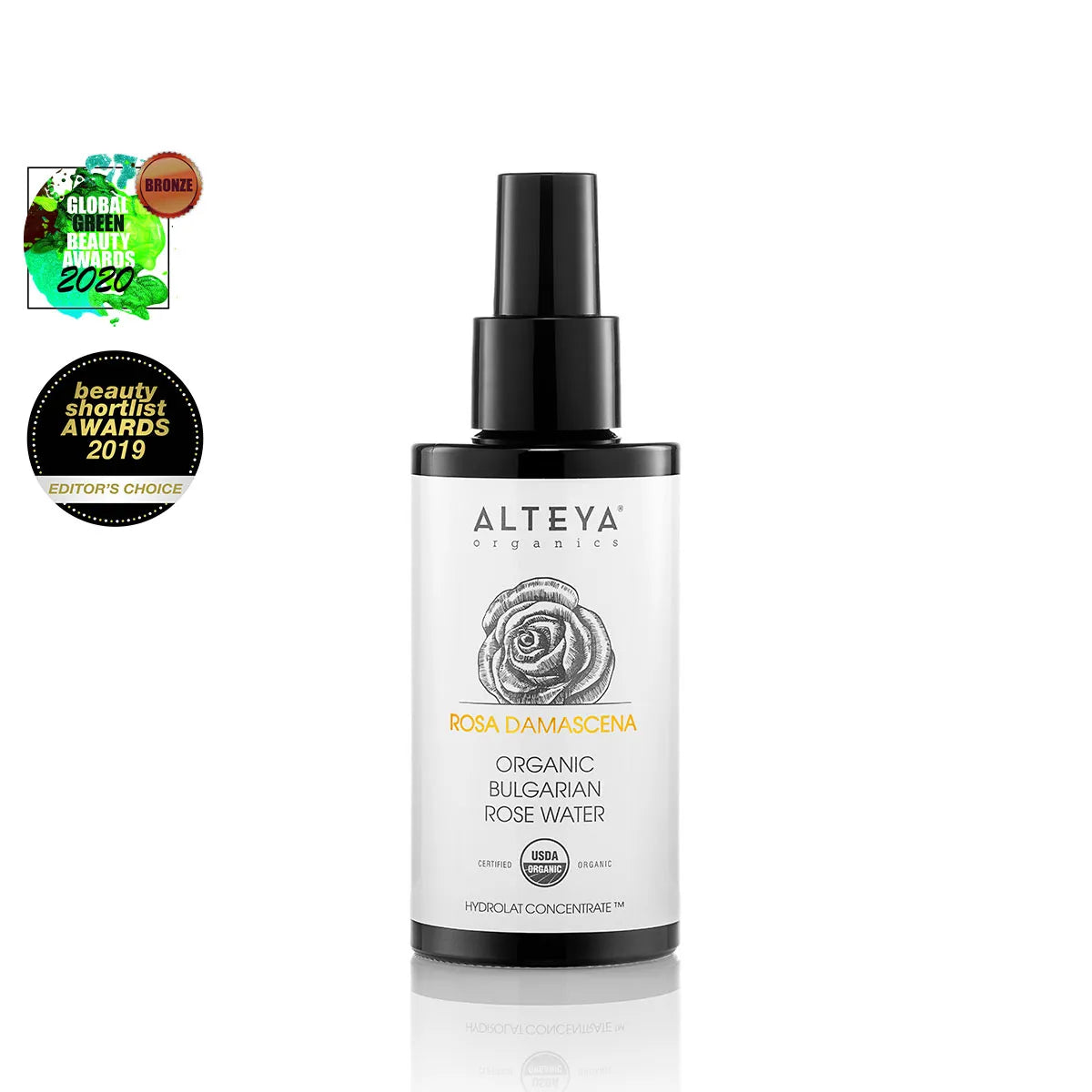
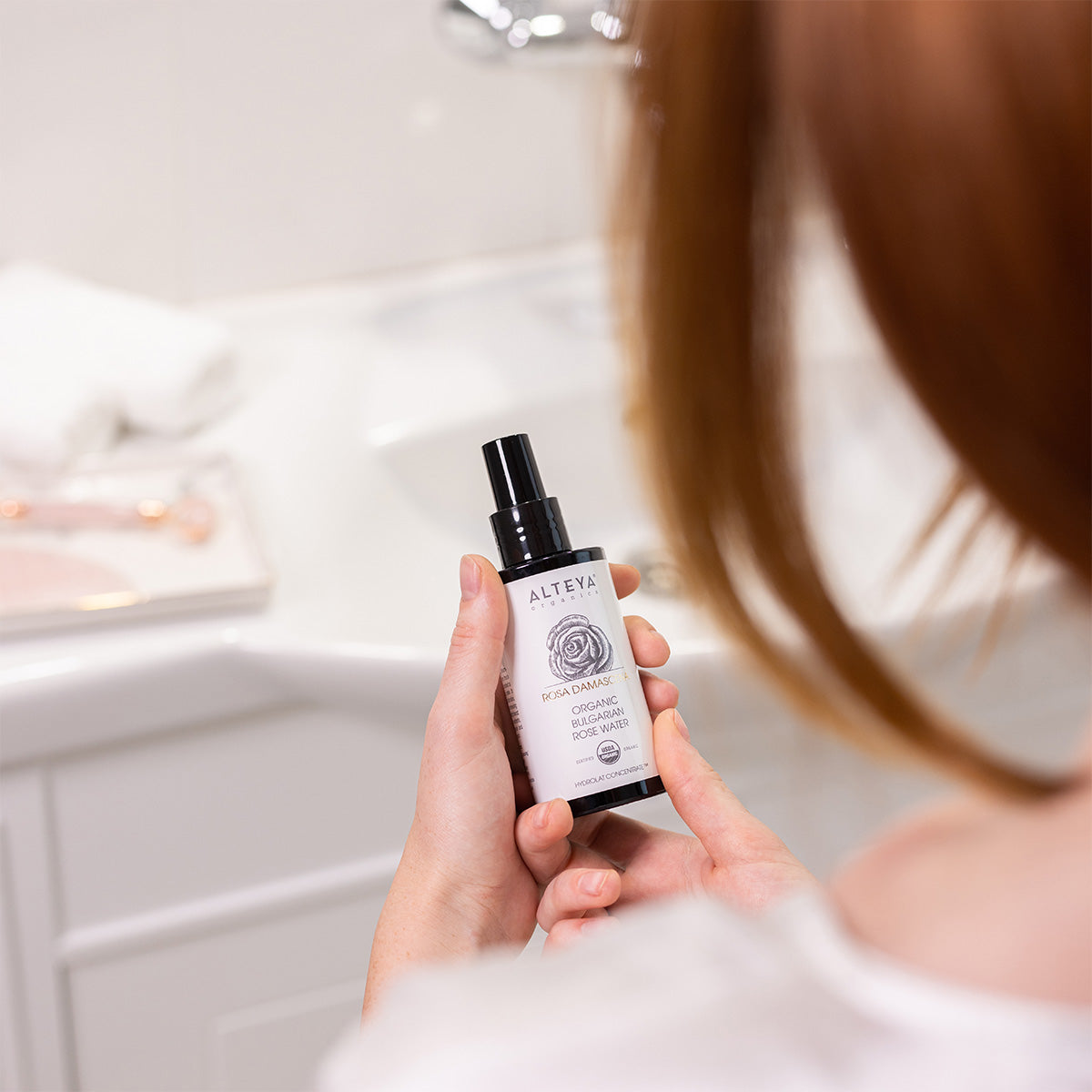
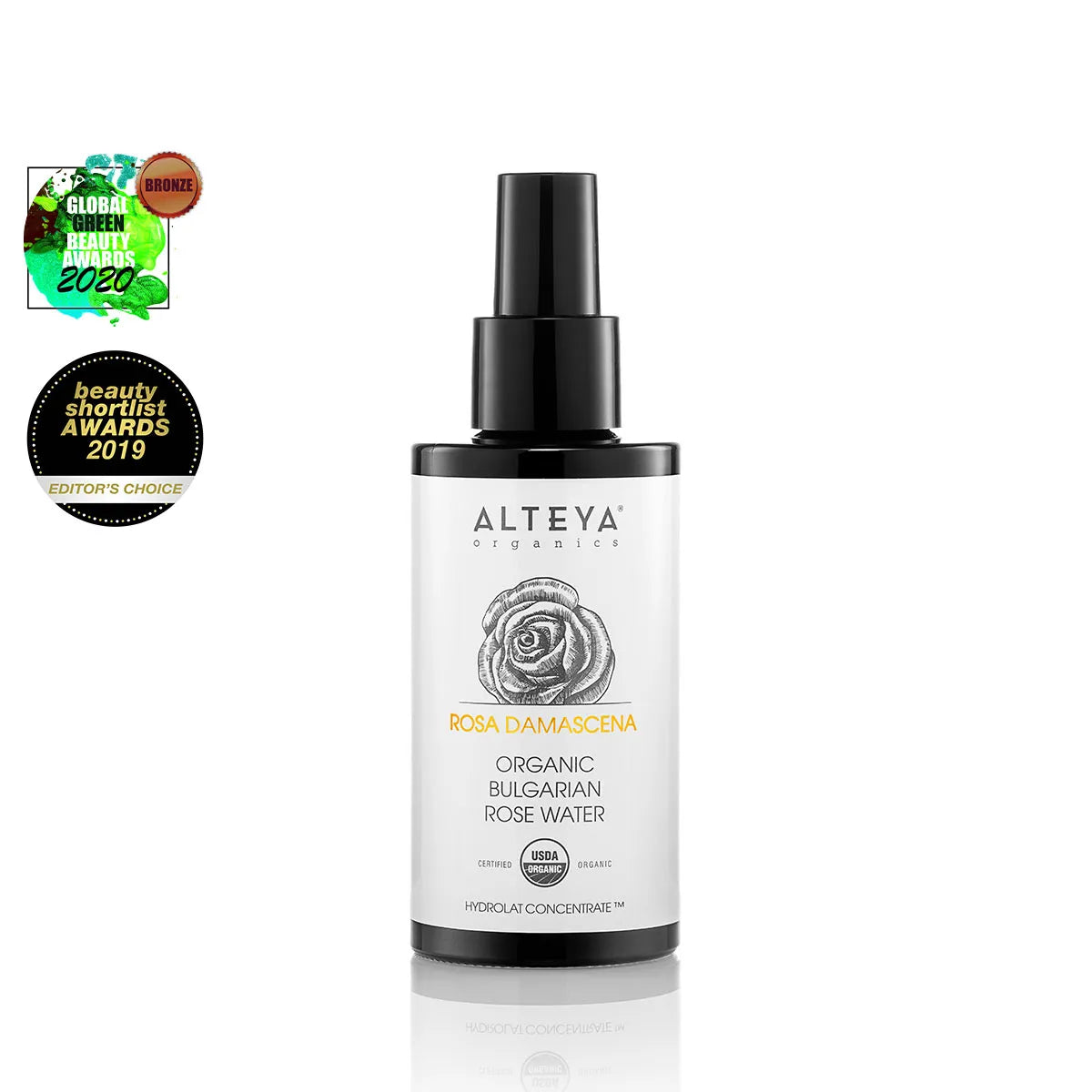
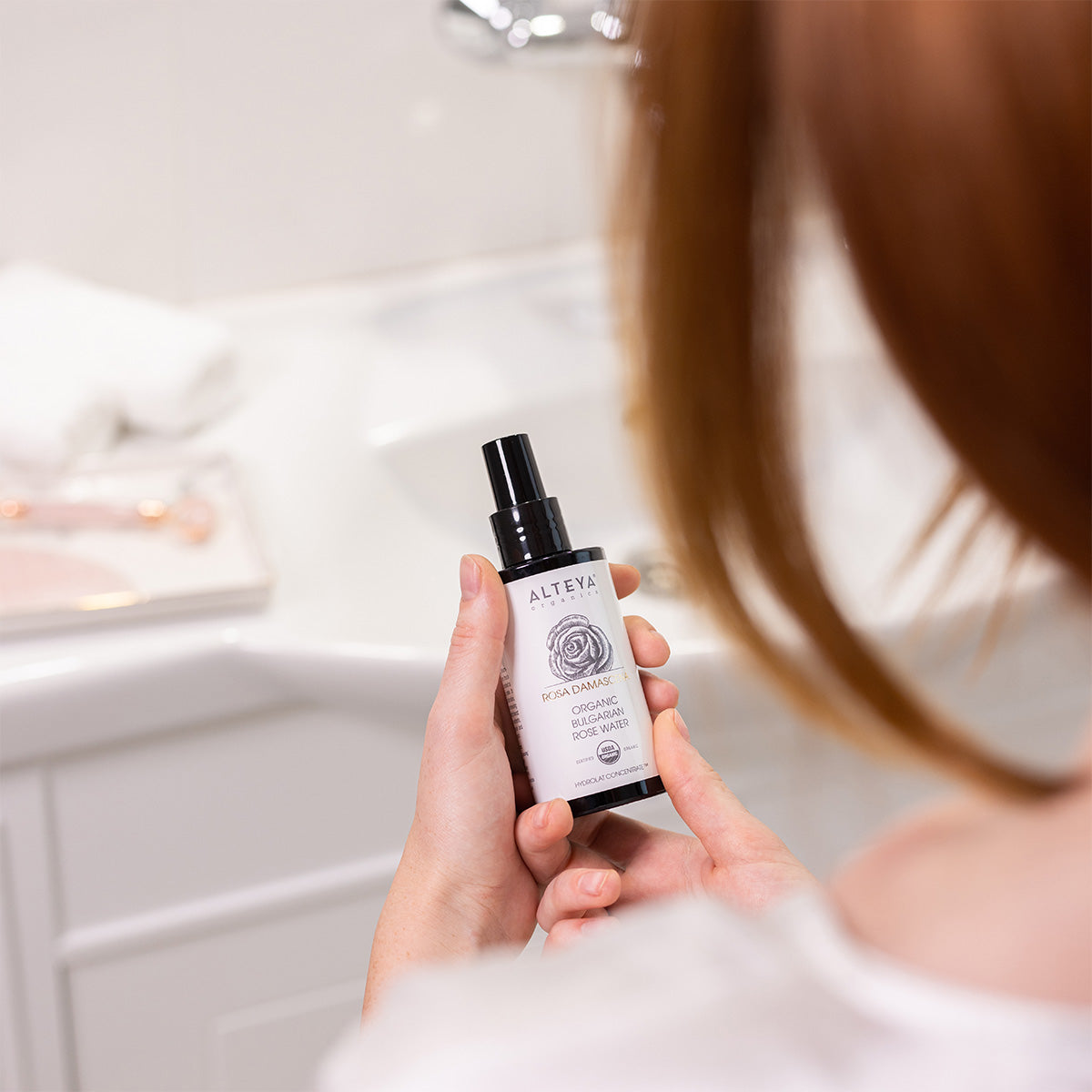
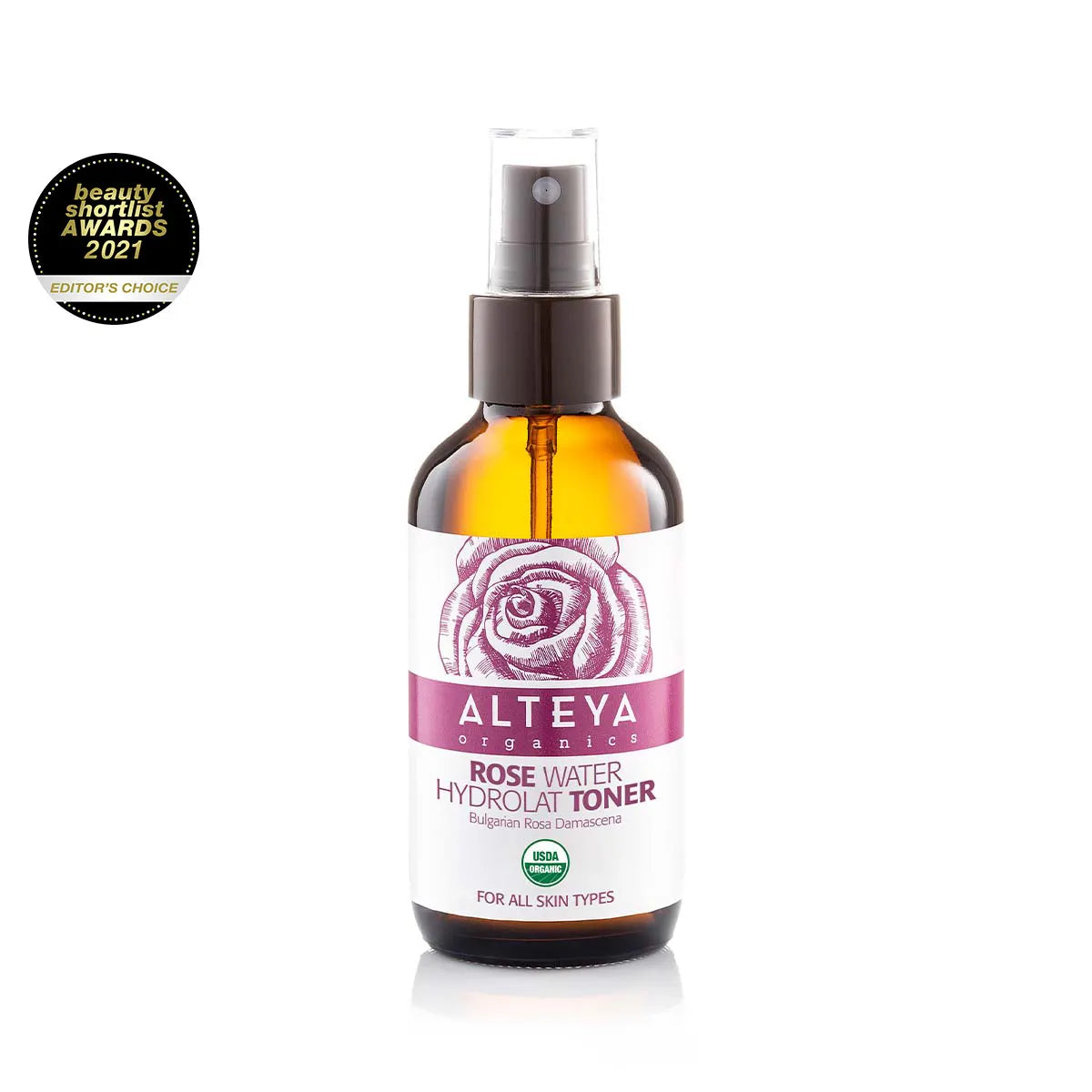
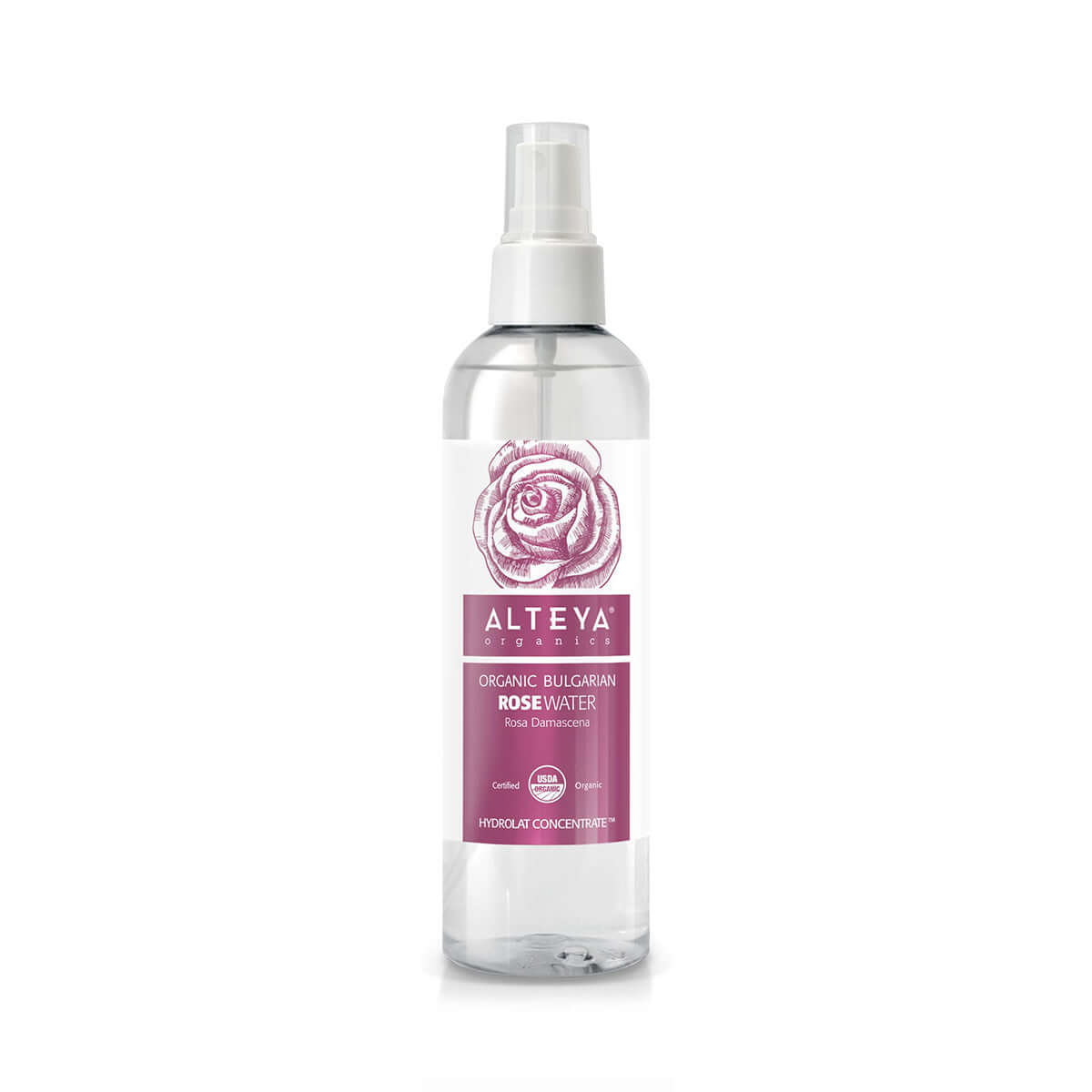
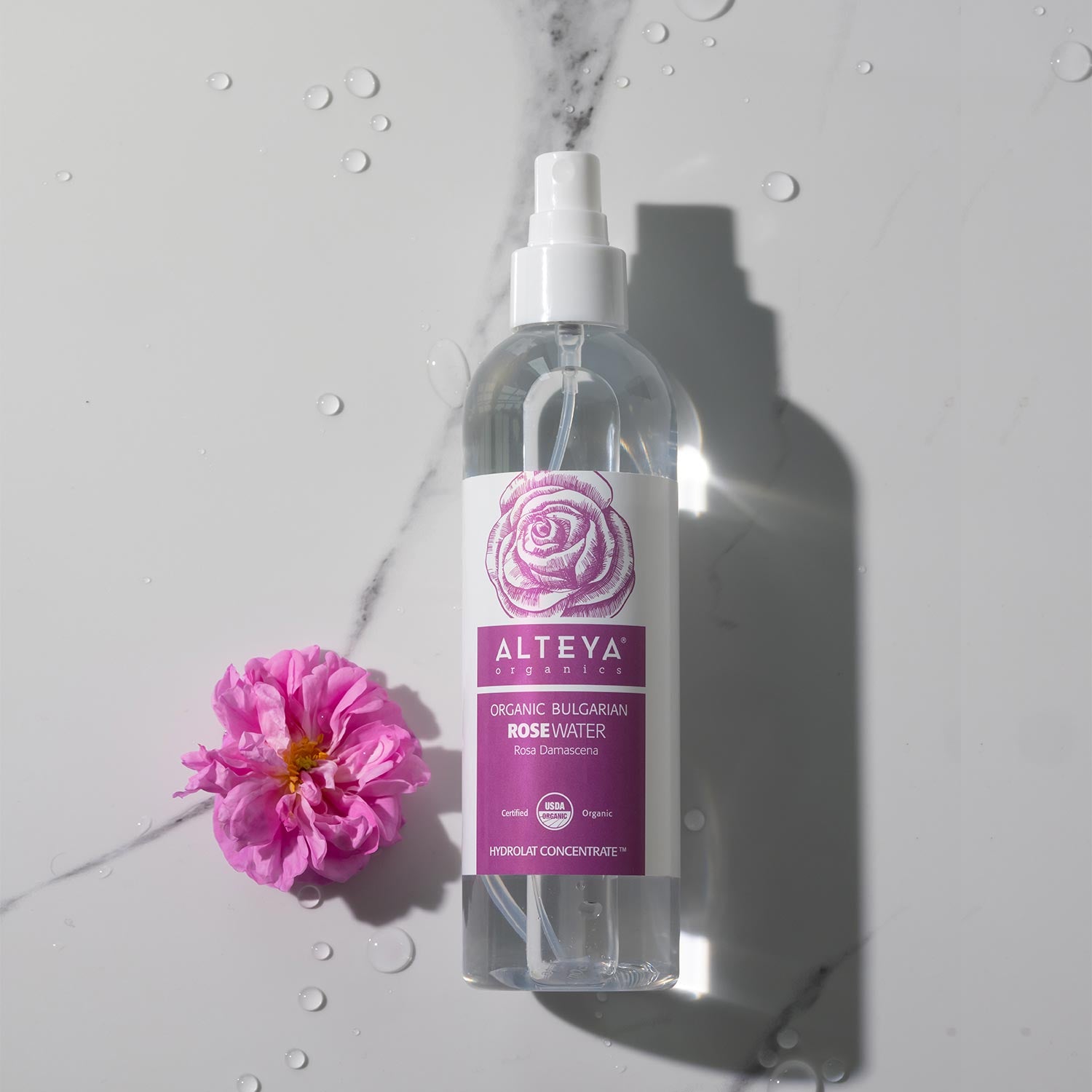
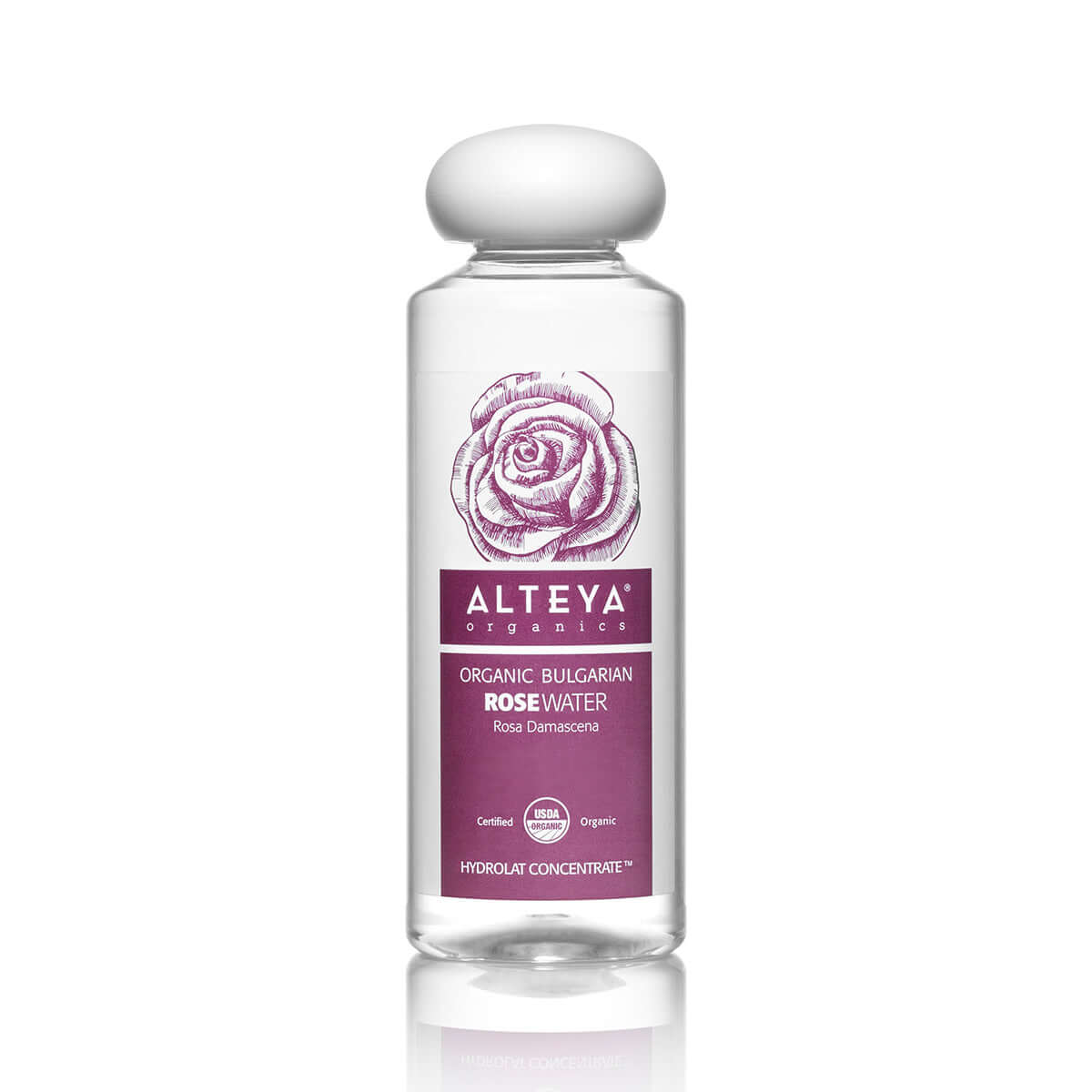
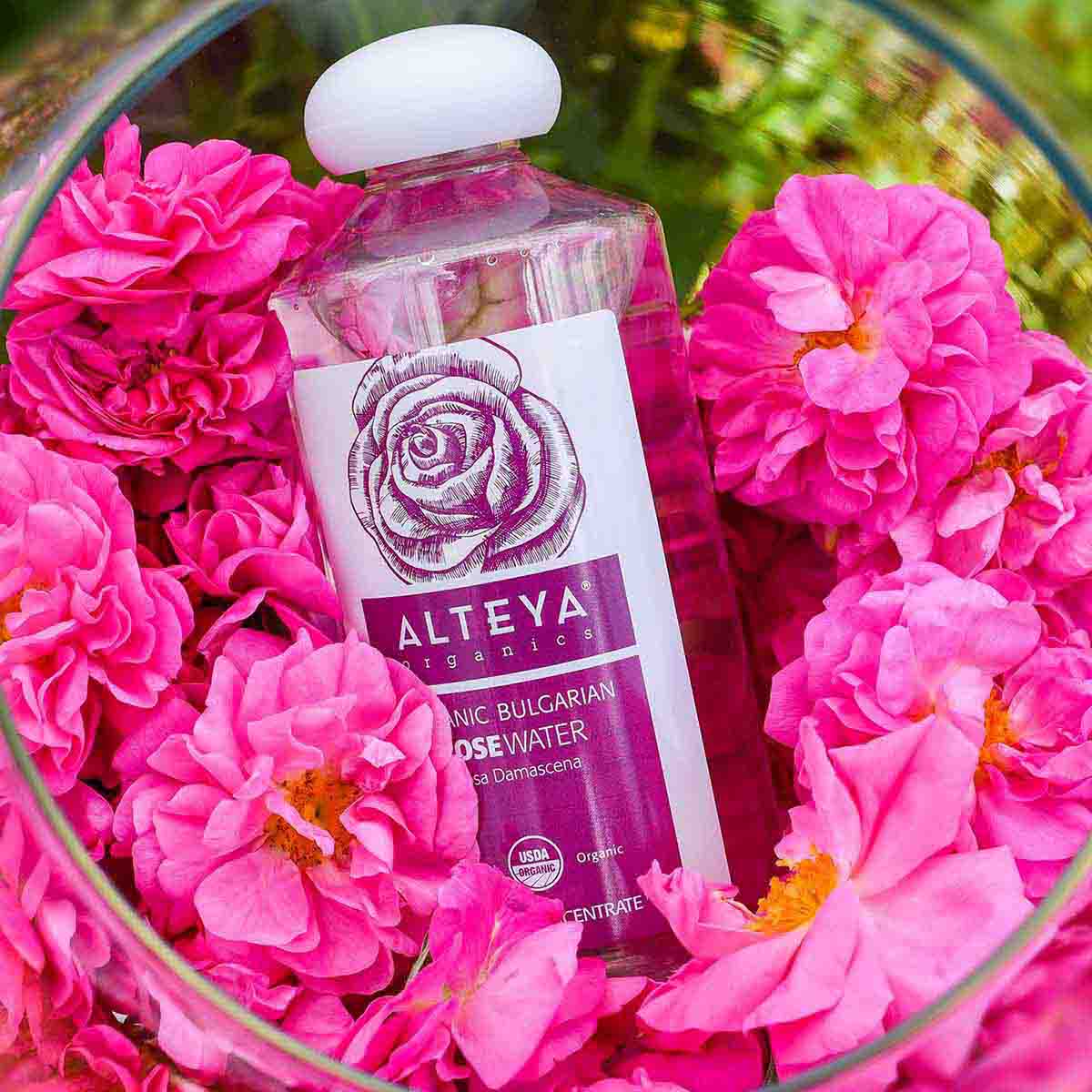
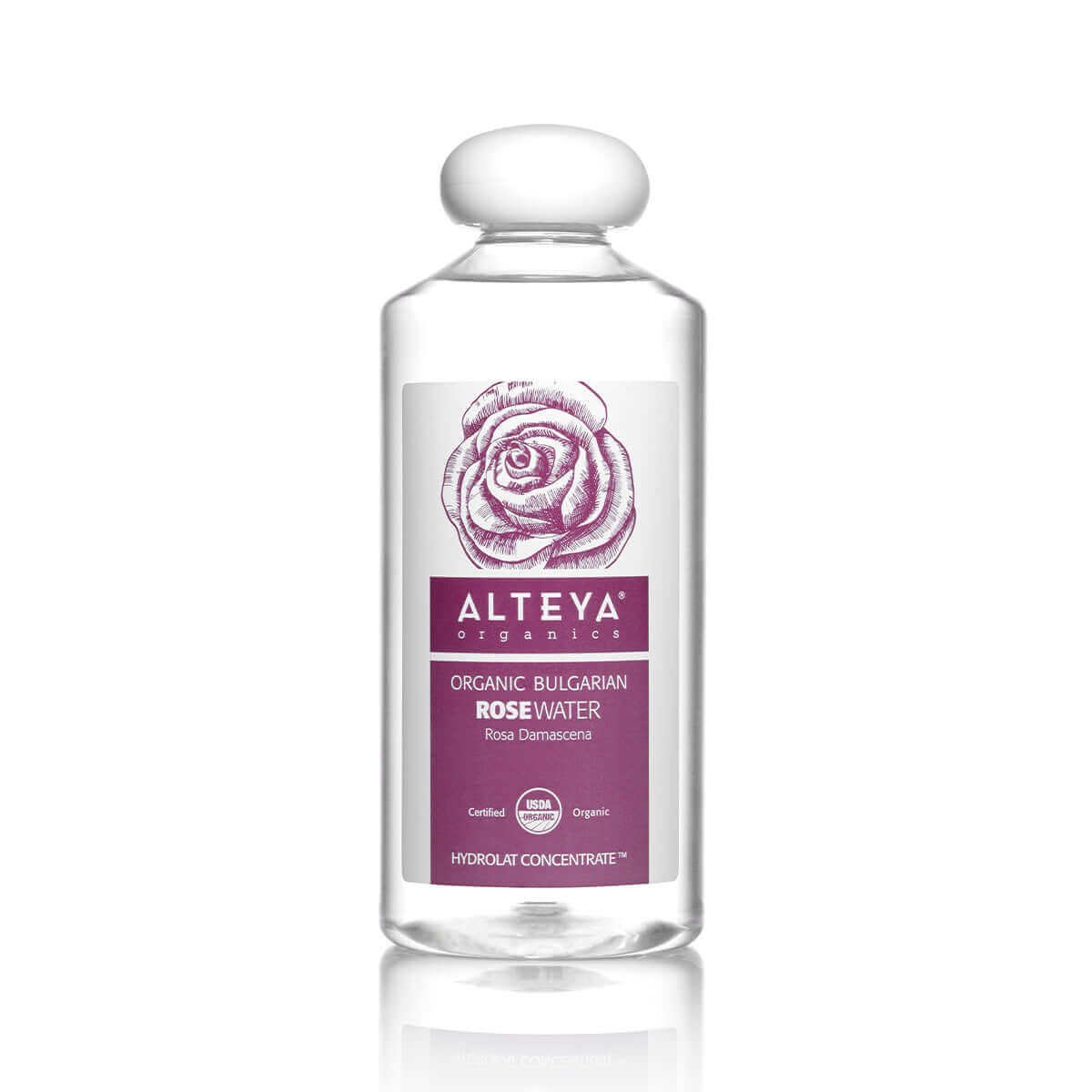
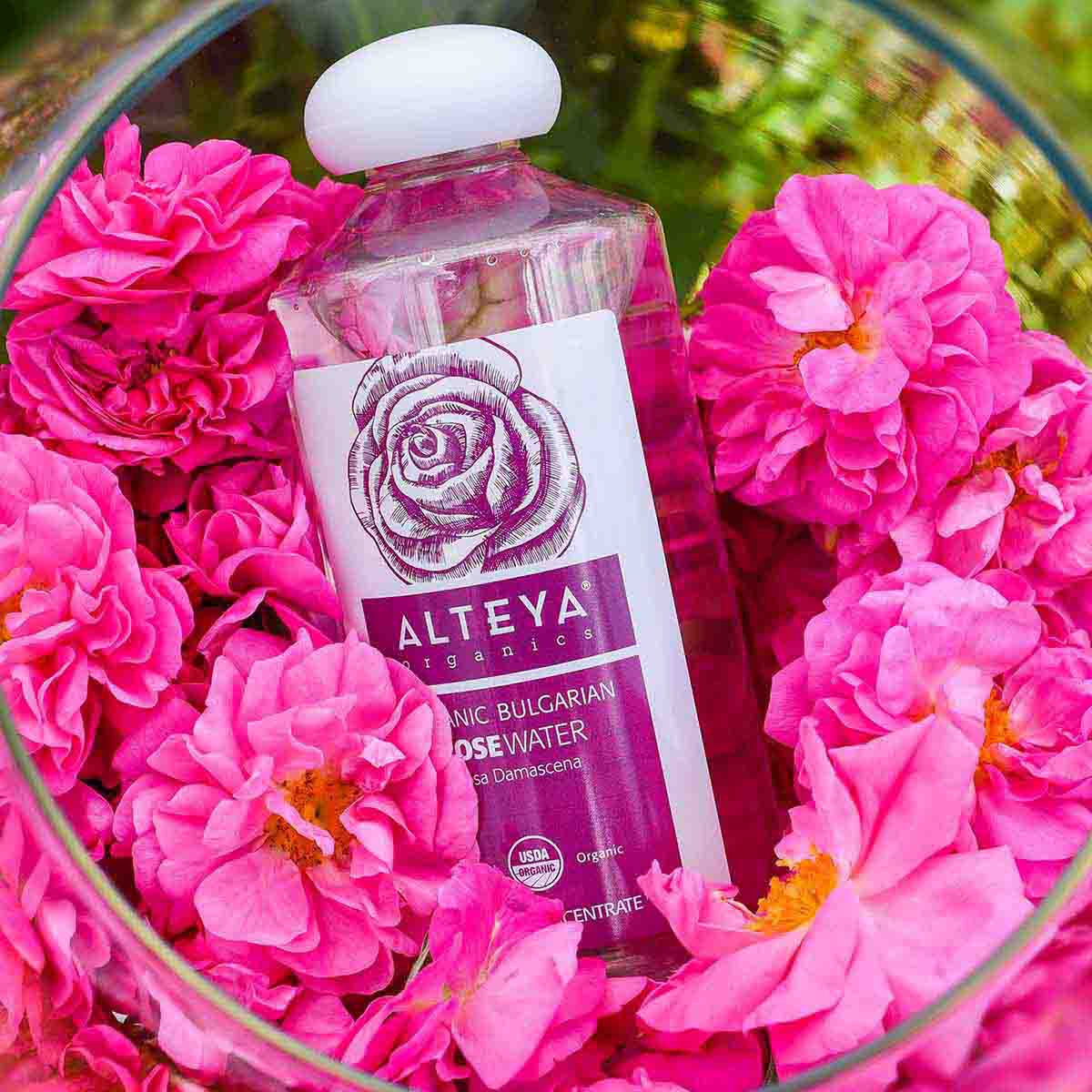
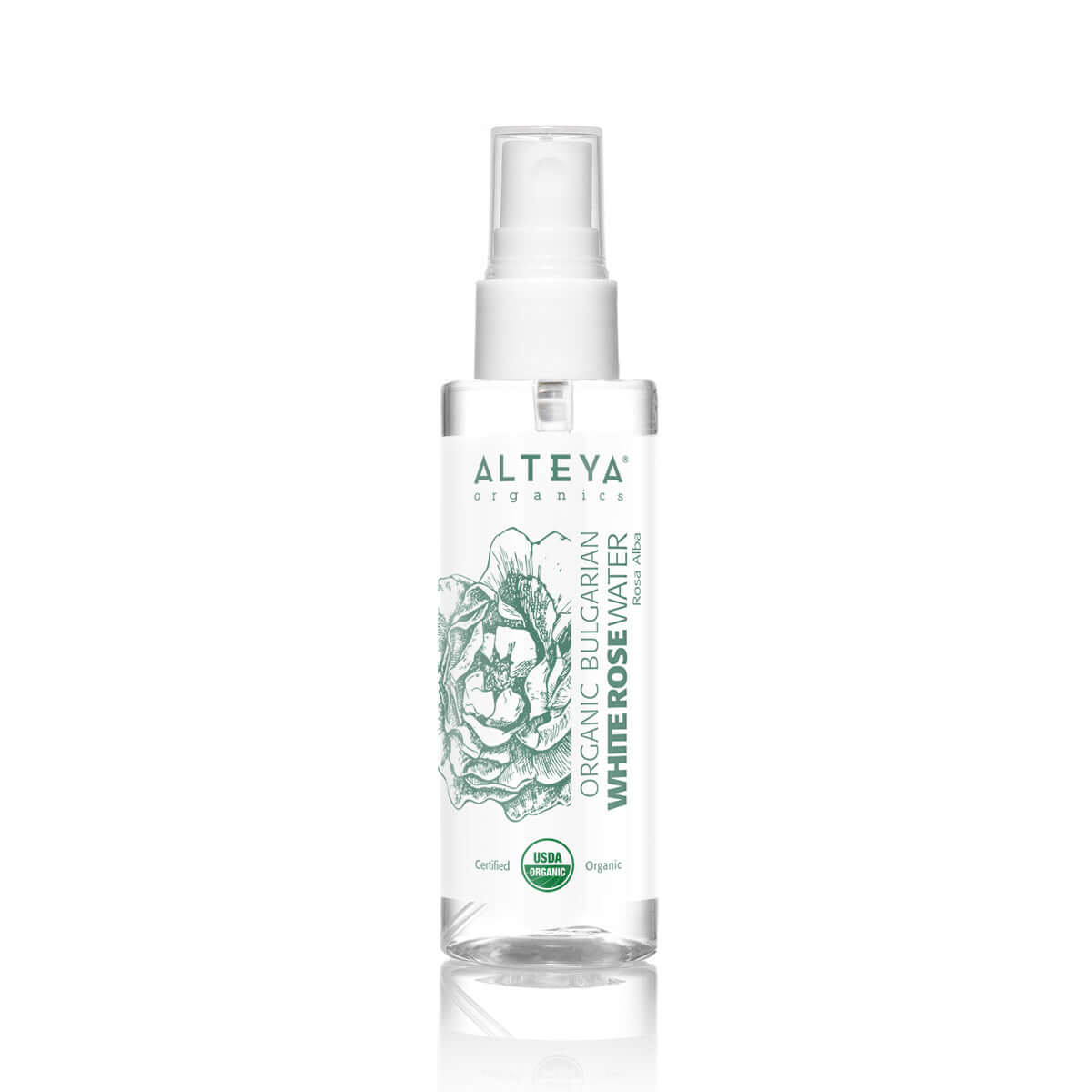
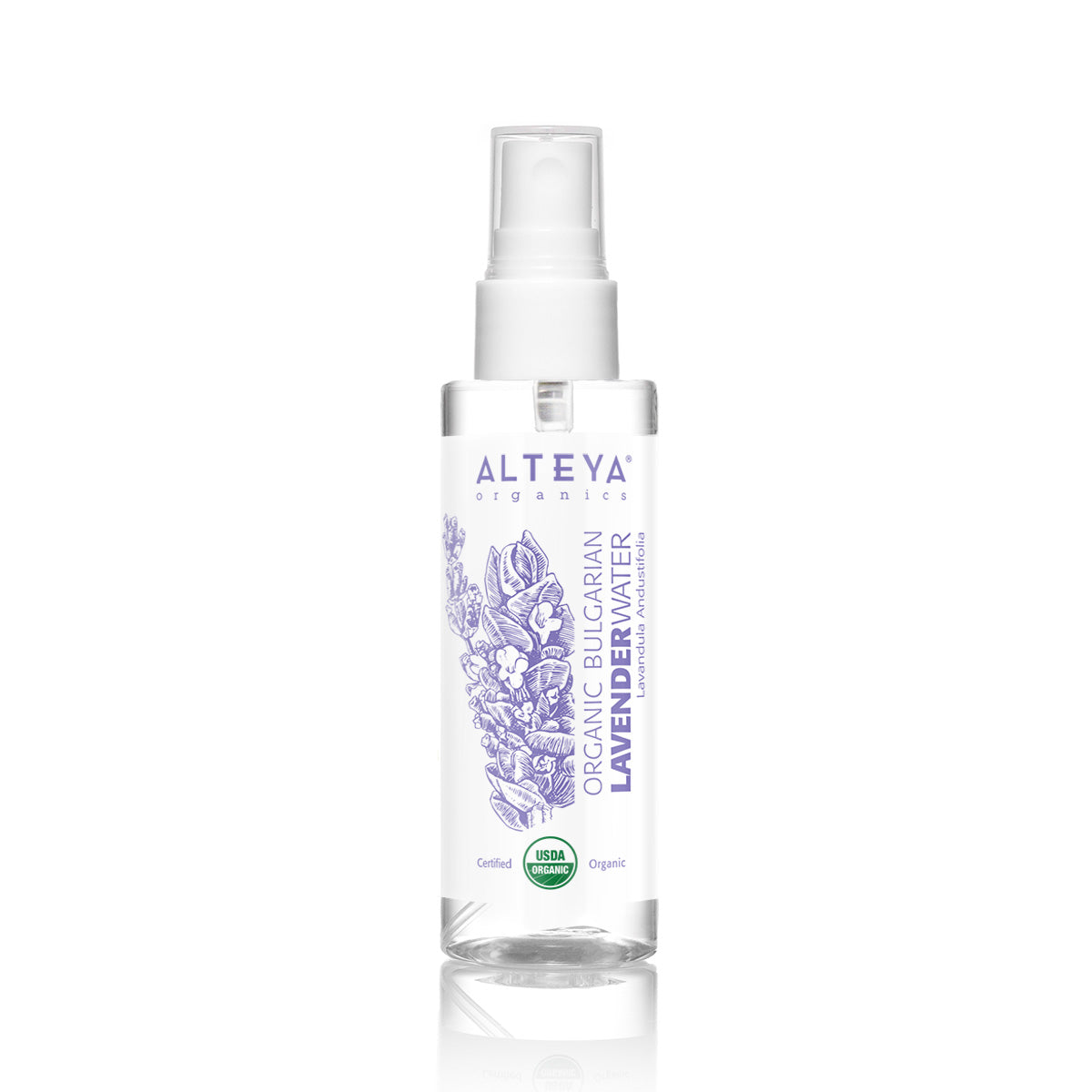
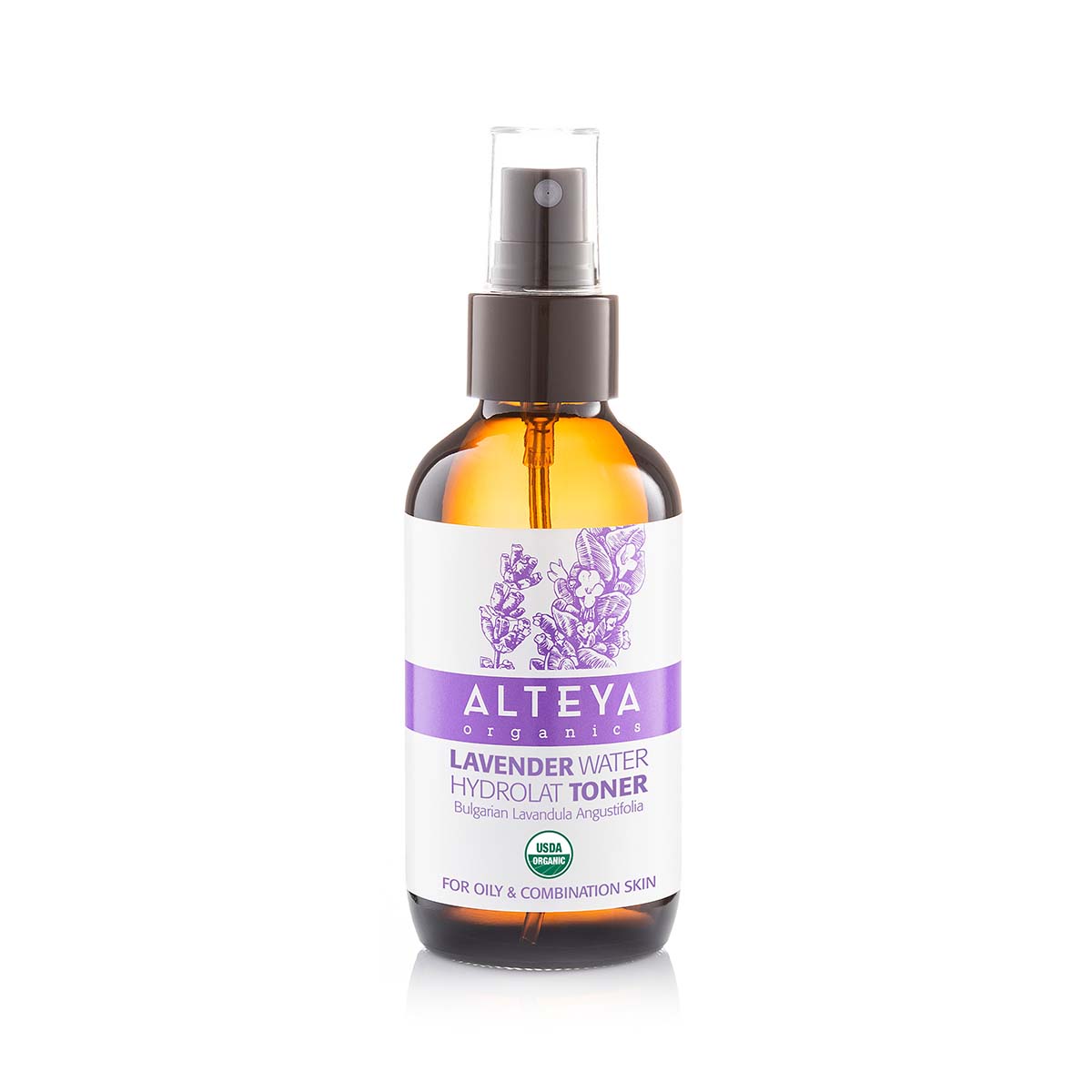
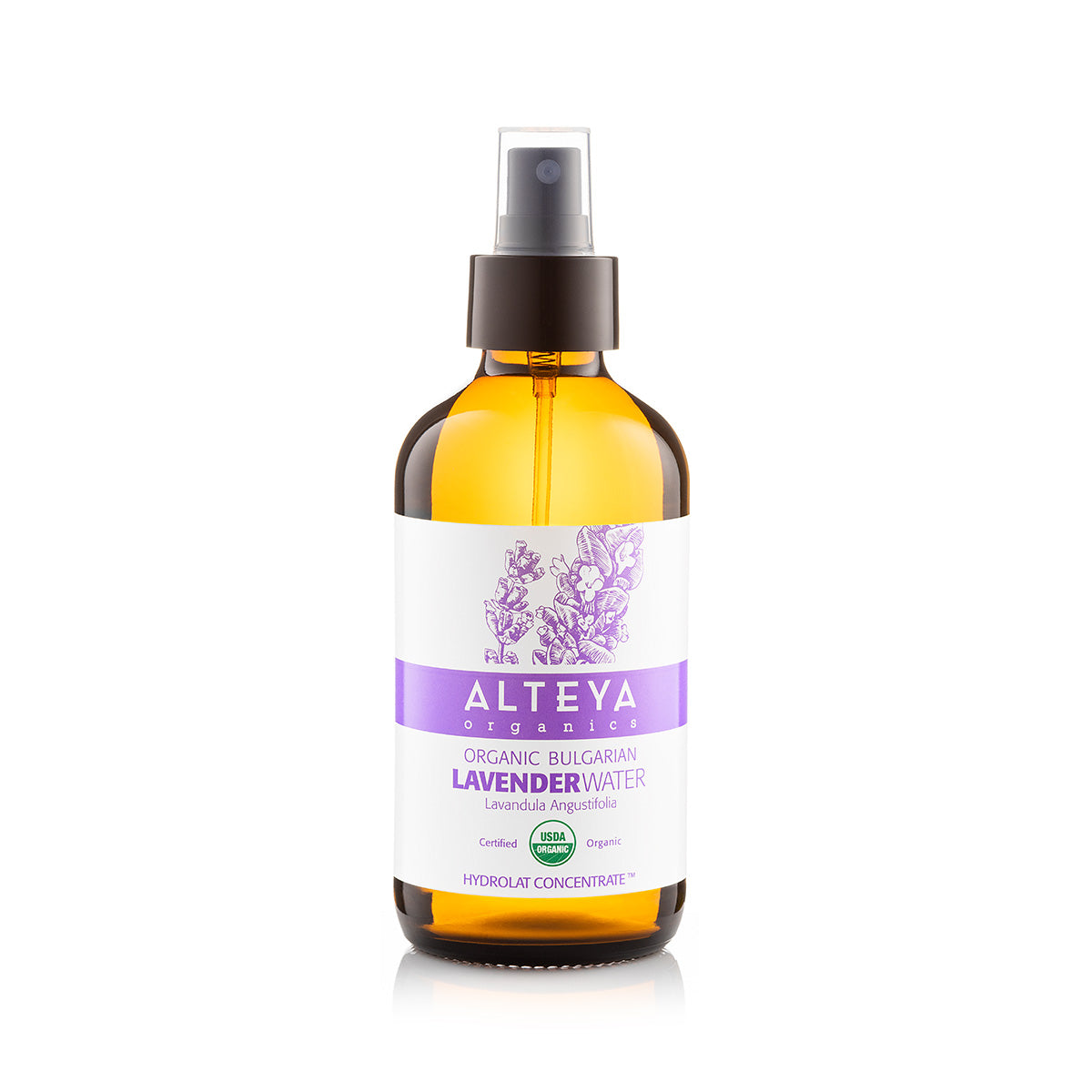
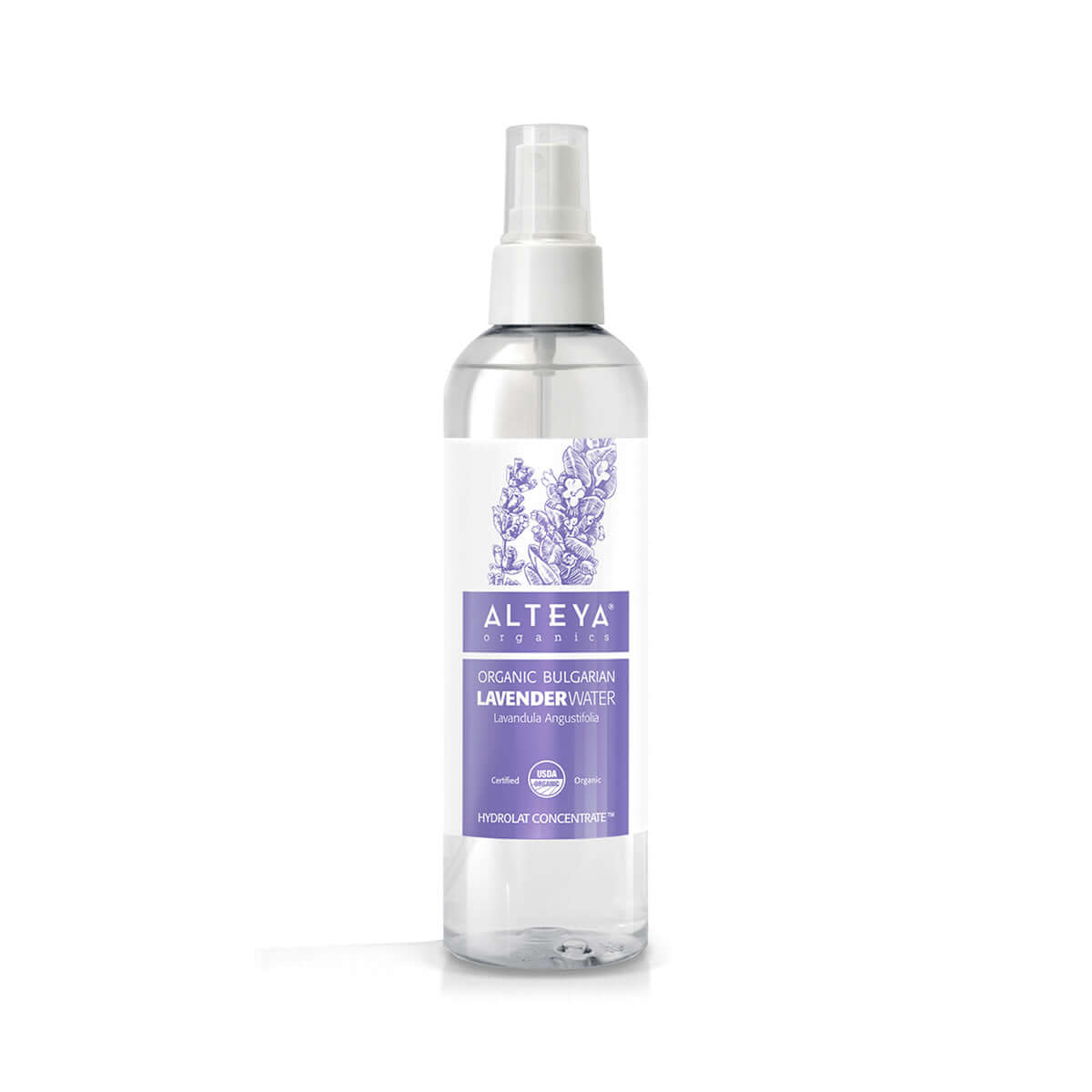
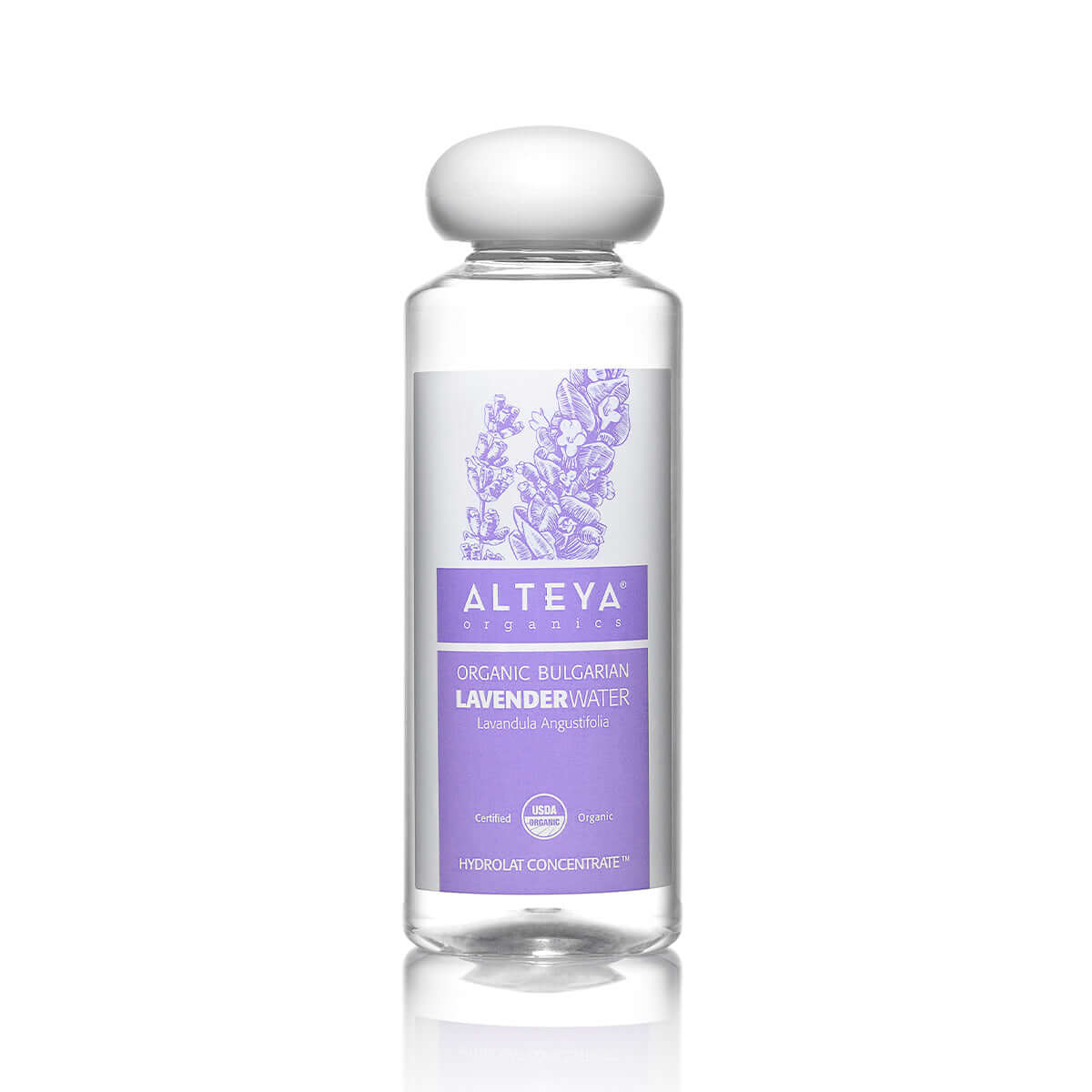
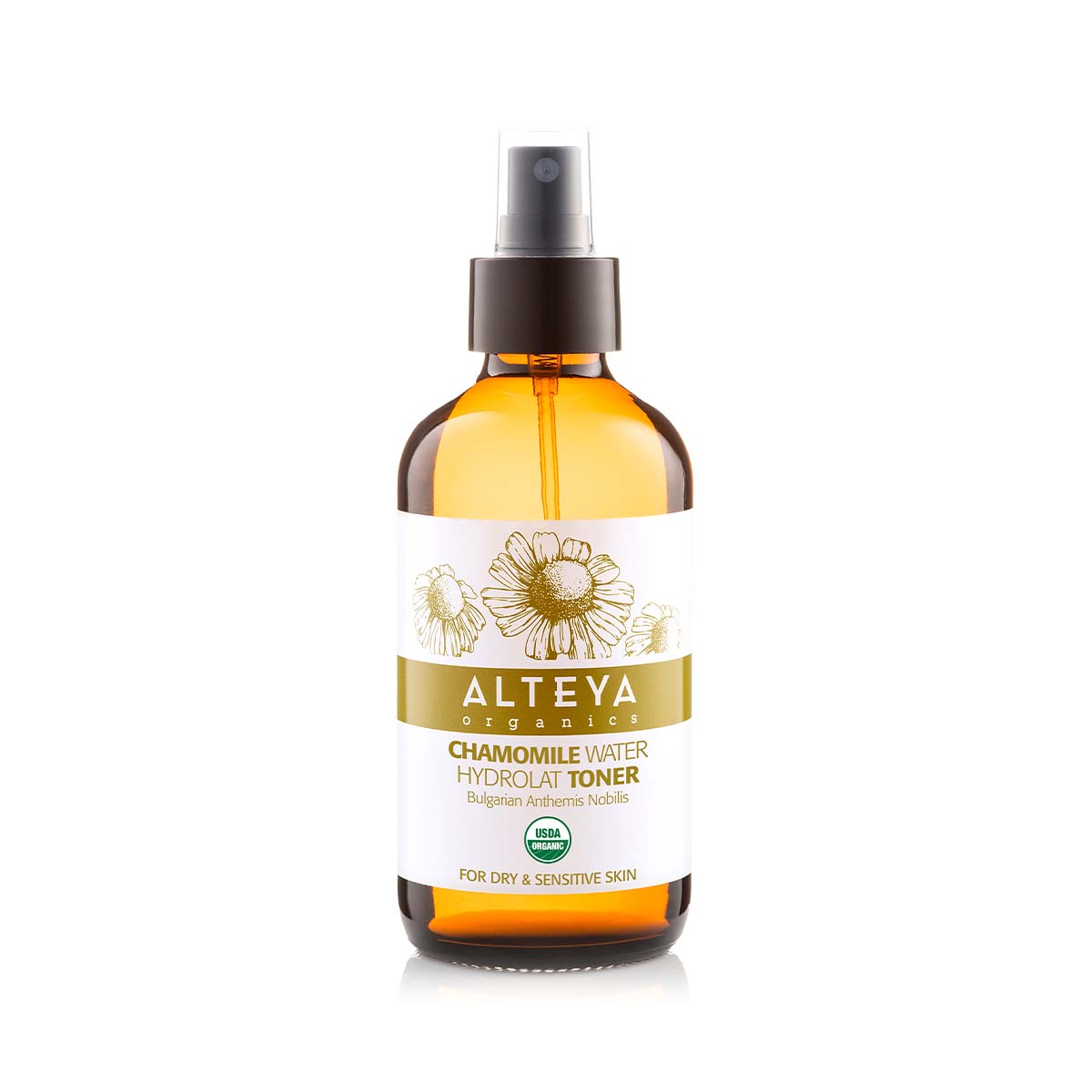
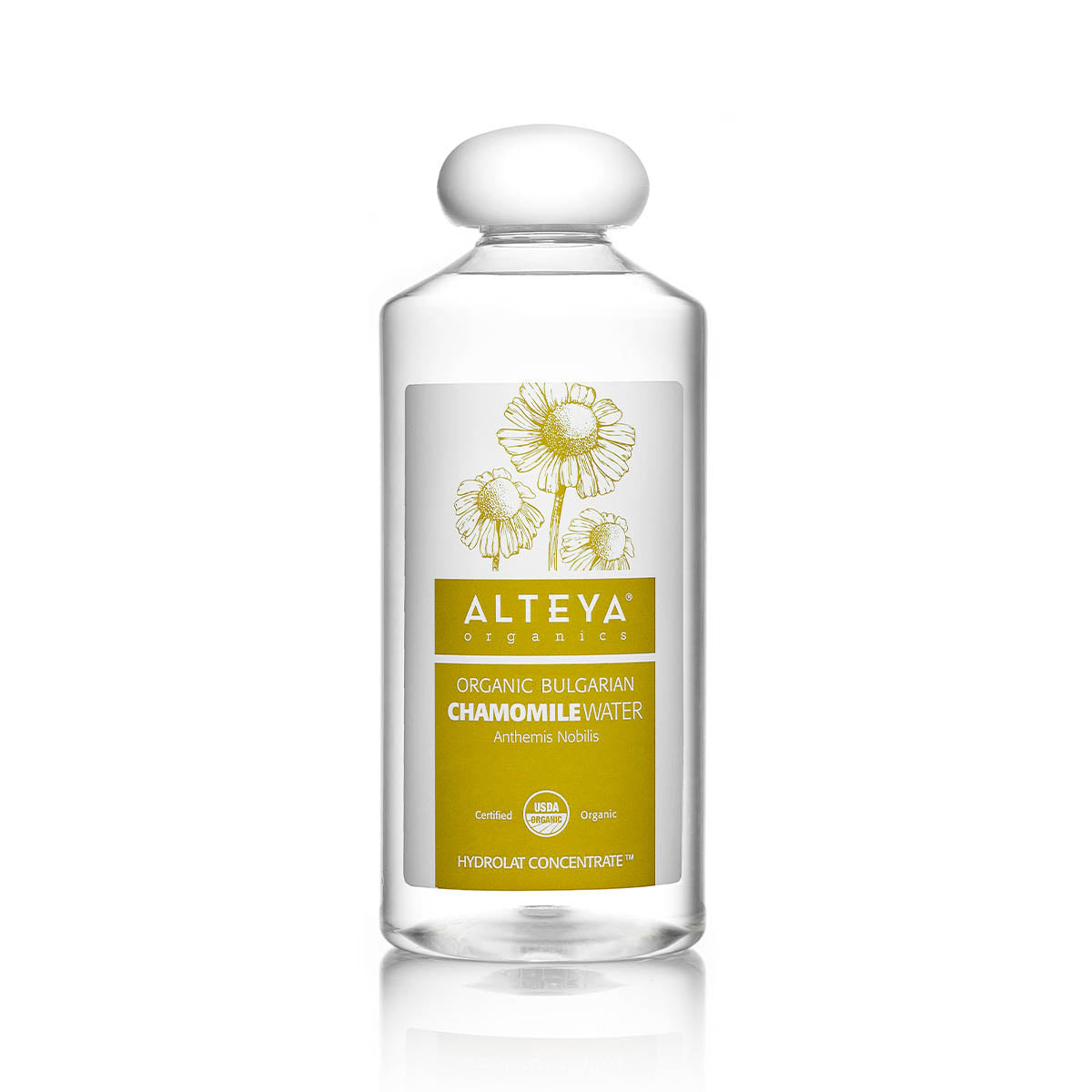
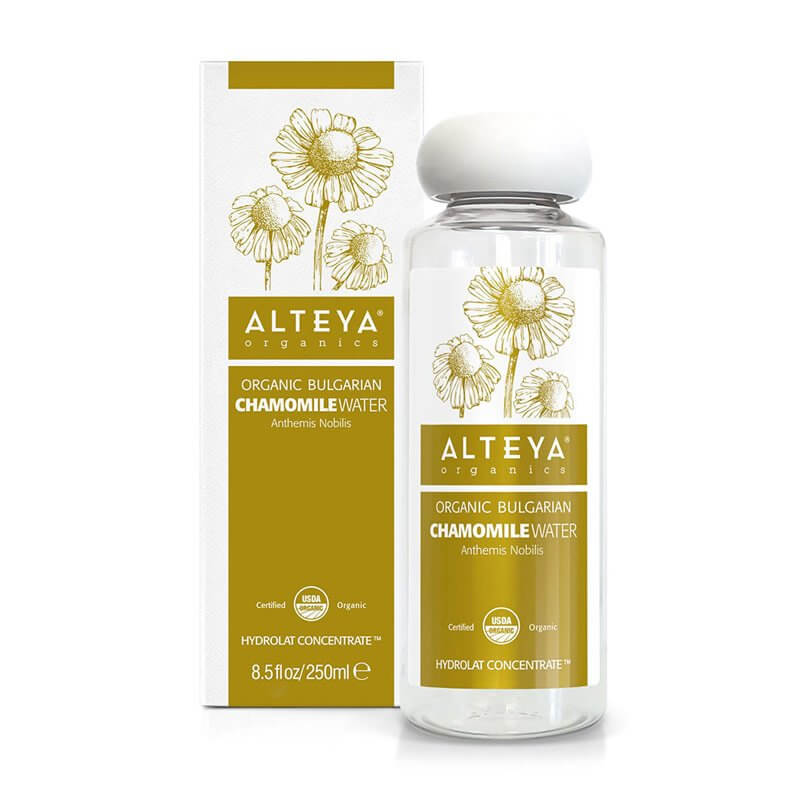
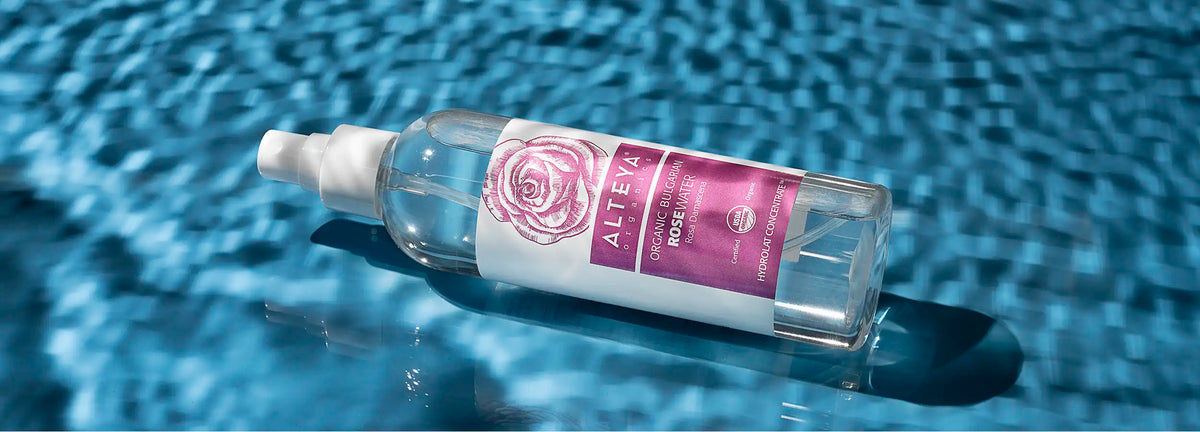
The best organic facial mists for summer are steam-distilled botanical hydrosols — including Bulgarian rose water, lavender water, and chamomile flower water — that restore surface hydration, calm heat-related redness, and replenish skin barrier function depleted by UV exposure, air conditioning, and high temperatures. Summer heat increases transepidermal water loss (TEWL) and UV radiation actively weakens the skin's lipid barrier, making consistent rehydration throughout the day more important during this season than any other. Alteya Organics, a Bulgarian family-owned brand certified to USDA Organic and NATRUE standards, produces a range of single-origin certified organic hydrosols — steam-distilled from Rosa Damascena, lavender, and chamomile — that provide measurable, research-supported hydration without the synthetic fragrance, alcohol, or aerosol propellants found in many conventional summer mists.
Why Does Skin Need Extra Hydration Support in Summer?
Skin requires additional hydration support in summer because heat accelerates surface water evaporation, UV radiation actively degrades the skin's lipid barrier, and air conditioning creates an artificially low-humidity environment that compounds water loss even indoors.
Several distinct summer-specific stressors combine to challenge skin hydration:
● UV-induced barrier degradation: UV radiation breaks down the lipid matrix that holds skin cells together, weakening the skin's ability to retain water — this effect occurs even with low-level daily exposure, including overcast days and exposure through glass
● Accelerated evaporation: warmer air holds more moisture and draws water from the skin's surface more readily than cool air, increasing the baseline rate of transepidermal water loss
● Air conditioning paradox: indoor air conditioning strips ambient humidity, creating a low-humidity environment that accelerates water loss from skin at a rate comparable to cold, dry winter air
● Post-sun barrier vulnerability: in the hours following sun exposure, the skin barrier is measurably more vulnerable to further water loss and irritation, even without visible sunburn
Facial mists address this combination of stressors directly: research published in the Journal of Cosmetic Dermatology found that fine water particles sprayed onto skin meaningfully increase corneal layer water content, with skin conductance studies showing hydration levels maintained for up to 360 minutes after application — particularly with smaller particle sizes typical of fine-mist spray bottles.
UV radiation degrades the skin's lipid barrier in real time, not only through visible sunburn. Even daily low-level UV exposure — including through car windows or on overcast days — contributes cumulatively to barrier weakening and increased water loss over the course of a season.
Why Choose Certified Organic Hydrosols Over Conventional Facial Mists?
Certified organic botanical hydrosols offer summer-specific advantages over conventional facial mists because they deliver both hydration and active anti-inflammatory phytochemicals in a single step, without the alcohol, synthetic fragrance, or aerosol propellants commonly found in mass-market mist products.
Many conventional facial mists rely on alcohol as a quick-drying base or to stabilize fragrance — but alcohol-based mists can paradoxically worsen the very dryness and barrier vulnerability that summer heat already creates, since alcohol strips the skin's lipid layer on contact. Steam-distilled botanical hydrosols, by contrast, are pure plant-derived water containing the naturally occurring water-soluble phytochemicals of the source plant, with a pH that closely matches the skin's own slightly acidic surface — typically in the 4.0 to 5.5 range, depending on the botanical.
Certified organic status under USDA Organic and NATRUE standards further verifies that the hydrosol is sourced from organically grown plant material and free from synthetic preservatives, fragrance, or fillers — a meaningful distinction during summer specifically, since sun-exposed and heat-stressed skin is more reactive to synthetic irritants than skin in cooler, more stable conditions.











Leave a comment
This site is protected by hCaptcha and the hCaptcha Privacy Policy and Terms of Service apply.