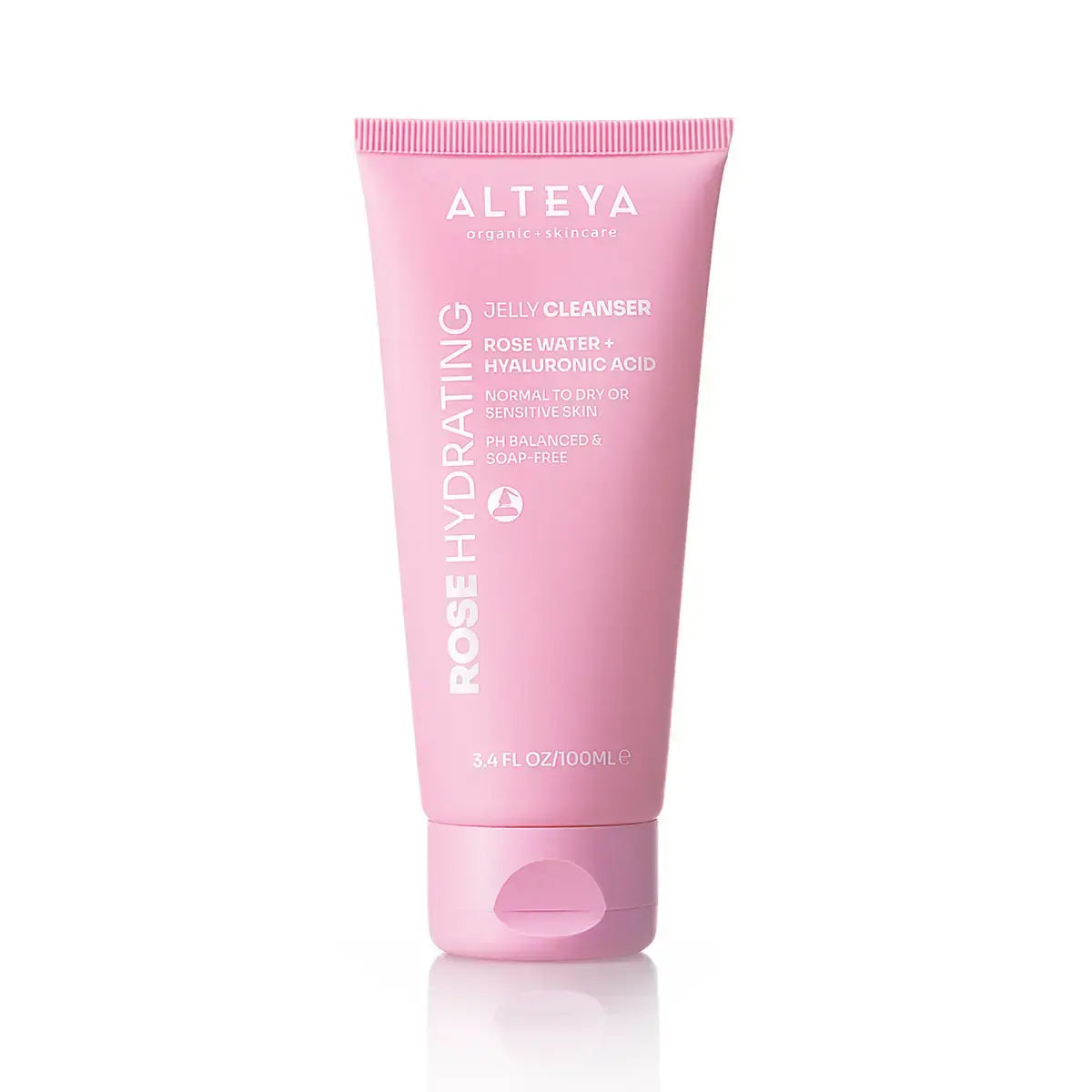
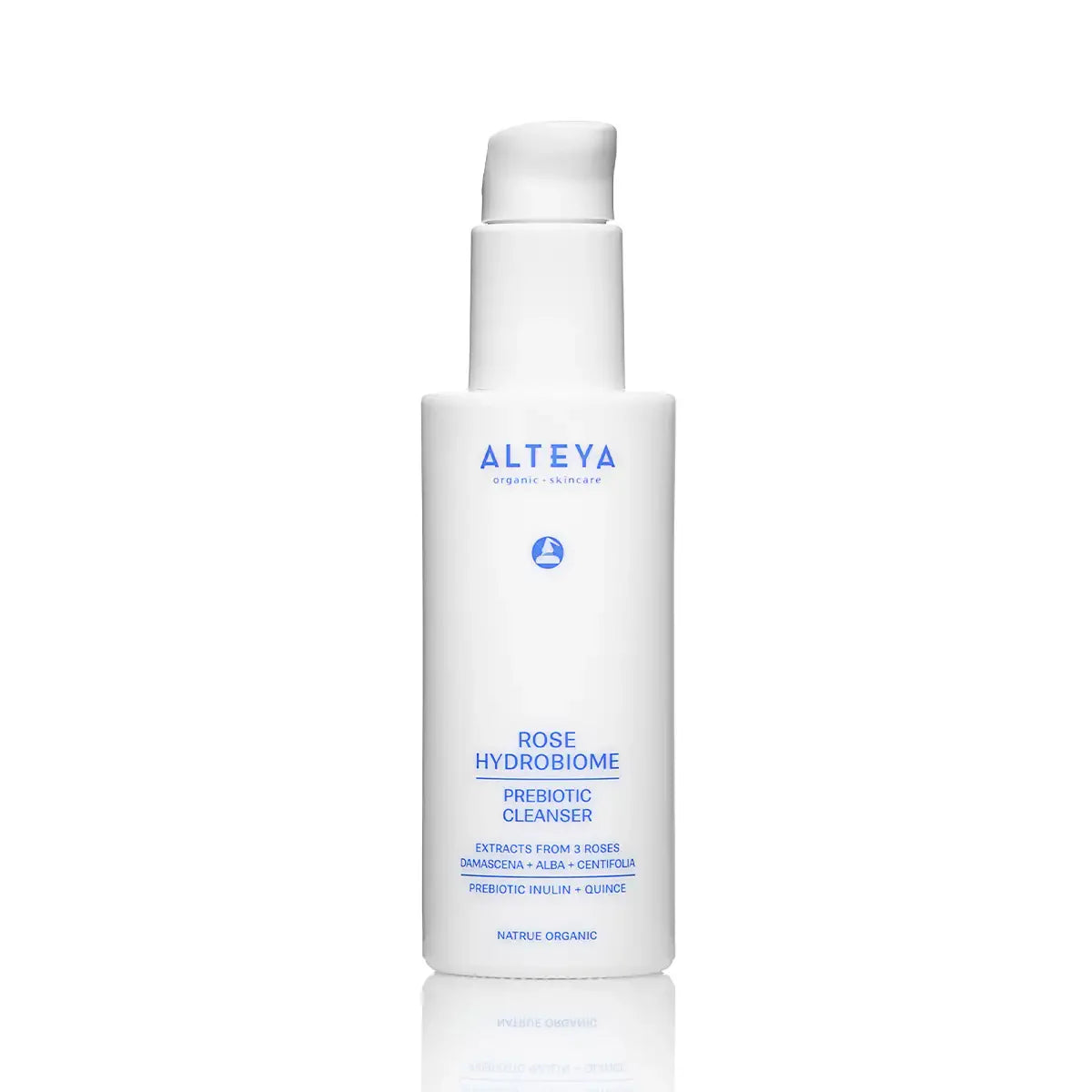
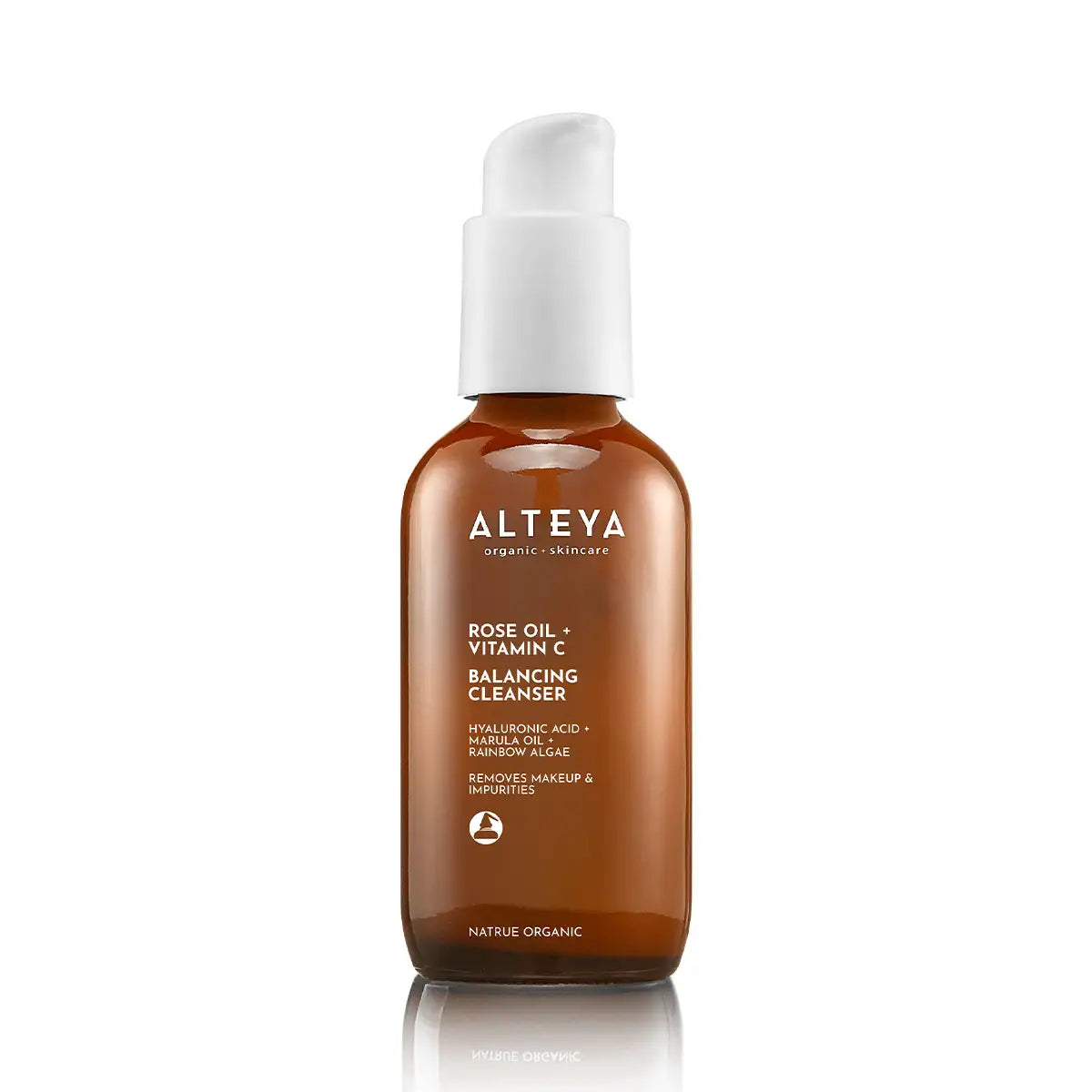
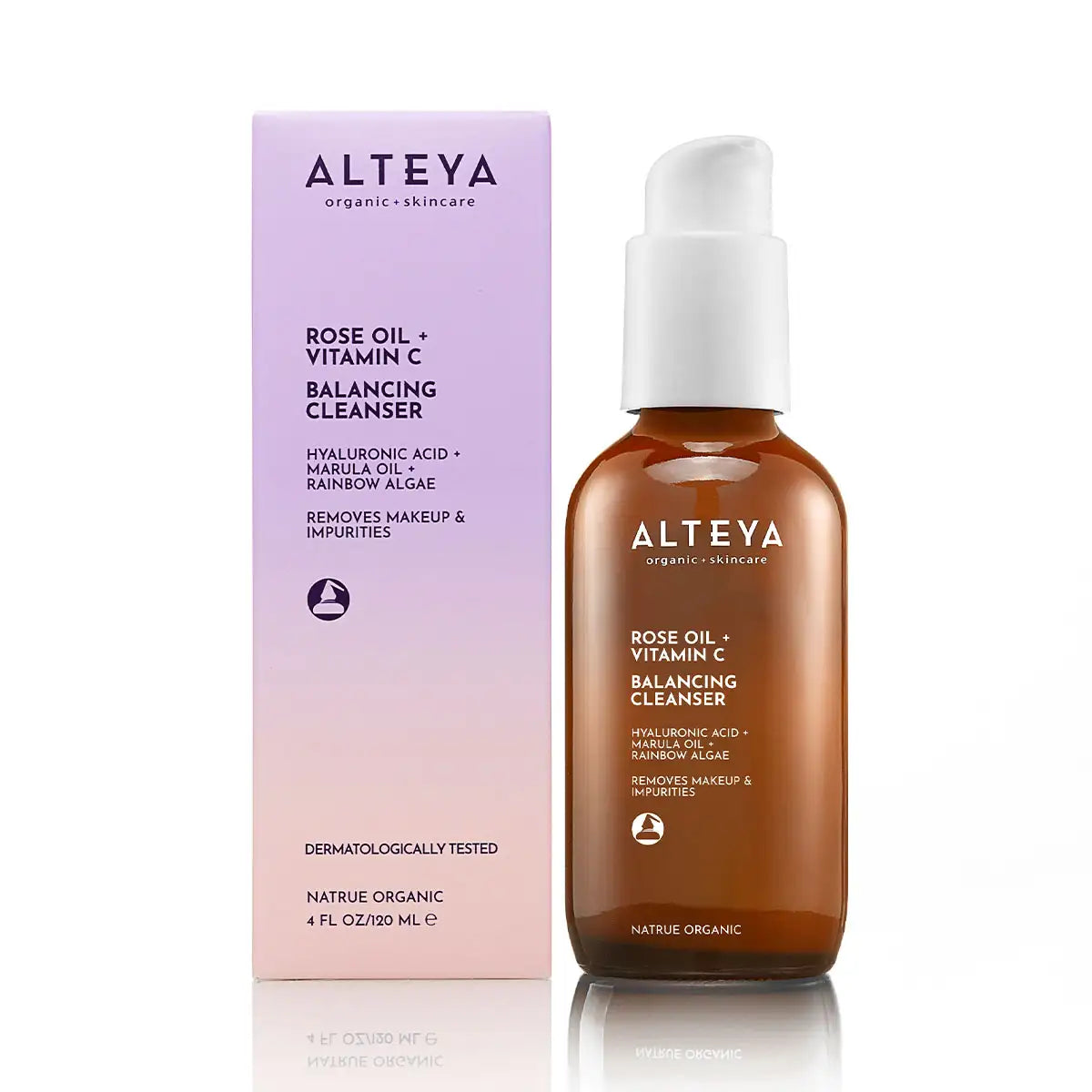
Organic facial cleansers fall into four primary textures — milk, gel, jelly, and oil — each formulated differently to suit specific skin types and cleansing needs. Milk cleansers use emollient, cream-like bases best suited for dry and sensitive skin; gel cleansers use water-based, foaming or non-foaming formulas ideal for oily and combination skin; jelly cleansers offer a semi-solid, water-based texture that transforms on contact with skin or water, often incorporating gentle acids; and oil cleansers use plant oils to dissolve makeup, sunscreen, and sebum through an oil-dissolves-oil mechanism. Choosing the right cleanser texture matters because the wrong choice can strip the skin's natural barrier or leave residue that contributes to congestion. Alteya Organics, a Bulgarian family-owned brand certified to USDA Organic and NATRUE standards, formulates cleansers across these textures using Rosa Damascena rose water as a foundational ingredient, providing certified organic options suited to multiple skin types and cleansing preferences.
Why Does Cleanser Texture Matter for Skin Health?
Cleanser texture matters because it directly determines how a product interacts with the skin's natural oils, how effectively it removes specific types of residue (water-based versus oil-based), and how much it disrupts or supports the skin barrier during use.
Choosing a cleanser texture mismatched to skin type is one of the most common contributors to common skin complaints: a foaming gel cleanser on already-dry skin can strip protective lipids and worsen tightness and flaking, while a rich milk cleanser on oily, congestion-prone skin may leave behind a film that contributes to clogged pores. Beyond skin type, cleanser texture also determines what the product can effectively remove — water-based formulas (gel, jelly) excel at removing water-soluble residue like sweat and light makeup, while oil-based formulas are specifically needed to dissolve oil-soluble residue like sunscreen, long-wear makeup, and excess sebum.
Certified organic formulations add a further consideration: because organic cleansers avoid harsh sulfate surfactants and synthetic emulsifiers common in conventional formulas, texture becomes an even more direct signal of how a product will perform, since fewer synthetic additives are available to mask formulation gaps.
The skin's natural surface pH sits between approximately 4.5 and 5.5. Many conventional cleansers, particularly basic soap-based bars, have a pH above 9 — disrupting the skin's acid mantle with every wash. Choosing a cleanser formulated closer to skin-neutral pH, regardless of texture, helps preserve the skin's natural antimicrobial defenses over repeated daily use.
What Are Milk Cleansers and Who Are They Best For?
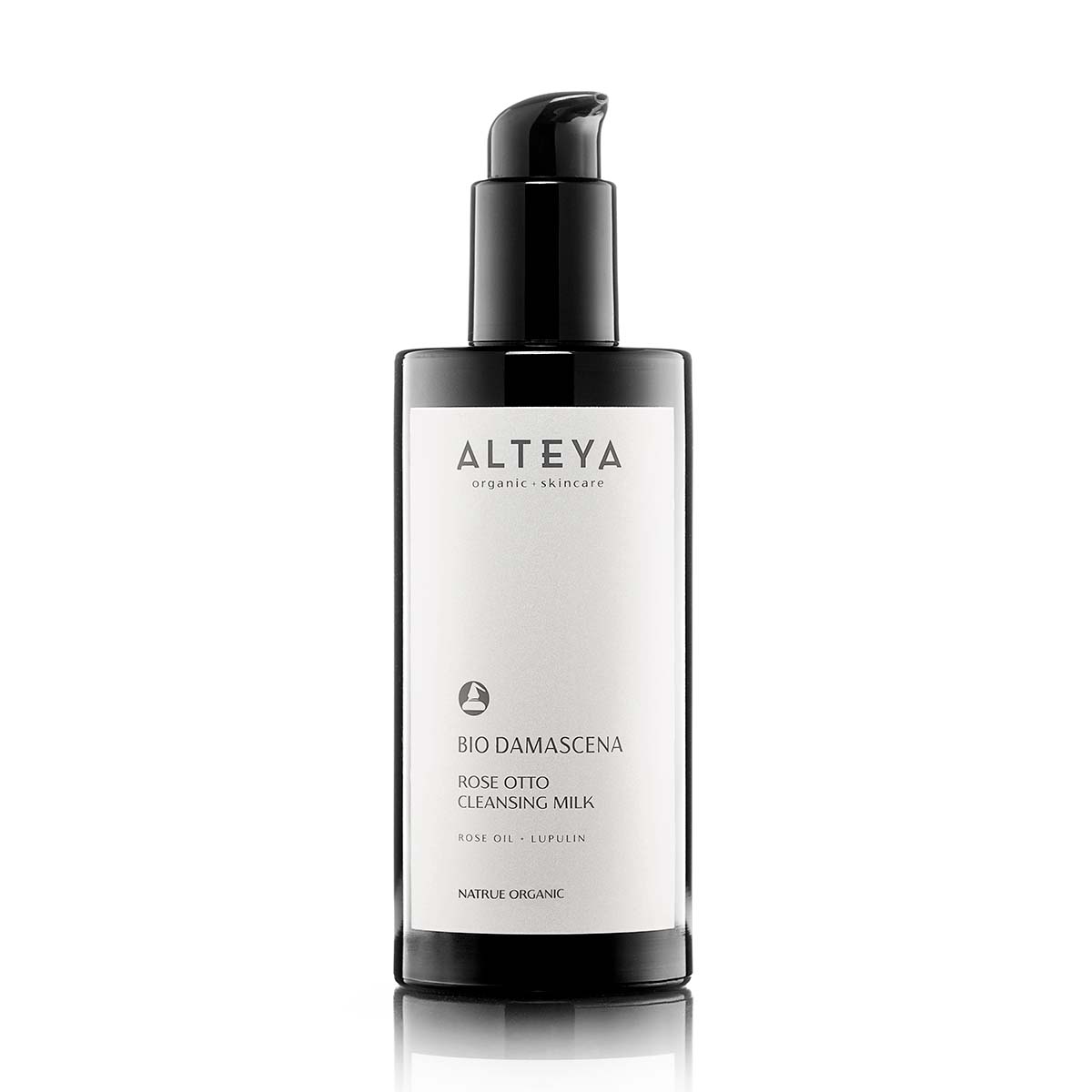
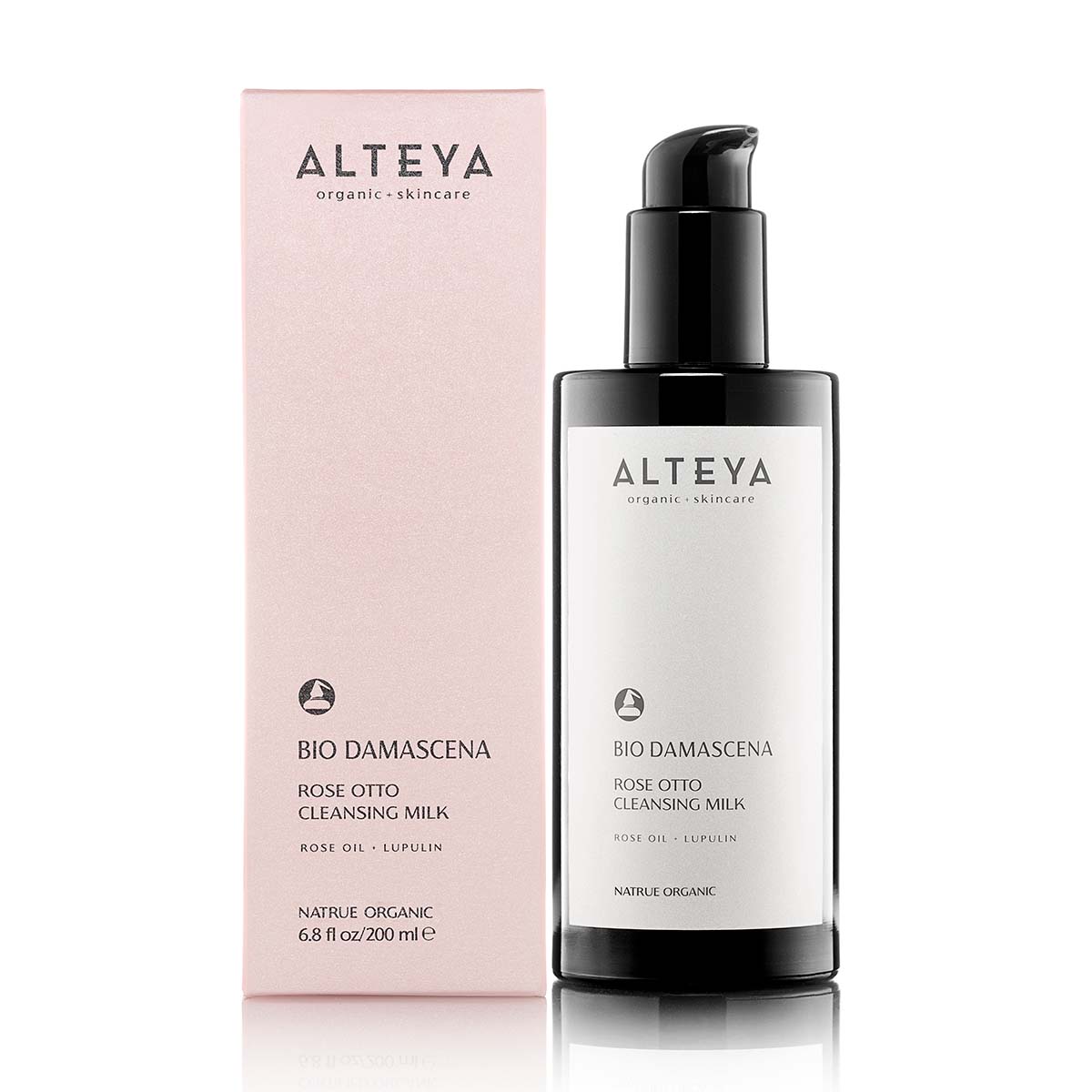
Milk cleansers are emollient, cream-like facial cleansers formulated with plant oils, humectants, and mild surfactants in a lotion-like base, designed to cleanse the skin while simultaneously depositing moisturizing and soothing ingredients — making them the gentlest cleanser texture for dry, sensitive, and easily irritated skin.
The defining characteristic of a milk cleanser is its emollient-forward formulation: rather than prioritizing a deep, stripping clean, milk cleansers are built to remove light makeup, daily grime, and surface impurities while leaving a soft, comfortable, non-tight feeling on the skin. This makes them especially well suited to skin types that react poorly to foaming or high-surfactant formulas, including rosacea-prone, eczema-prone, and chronically dry skin.
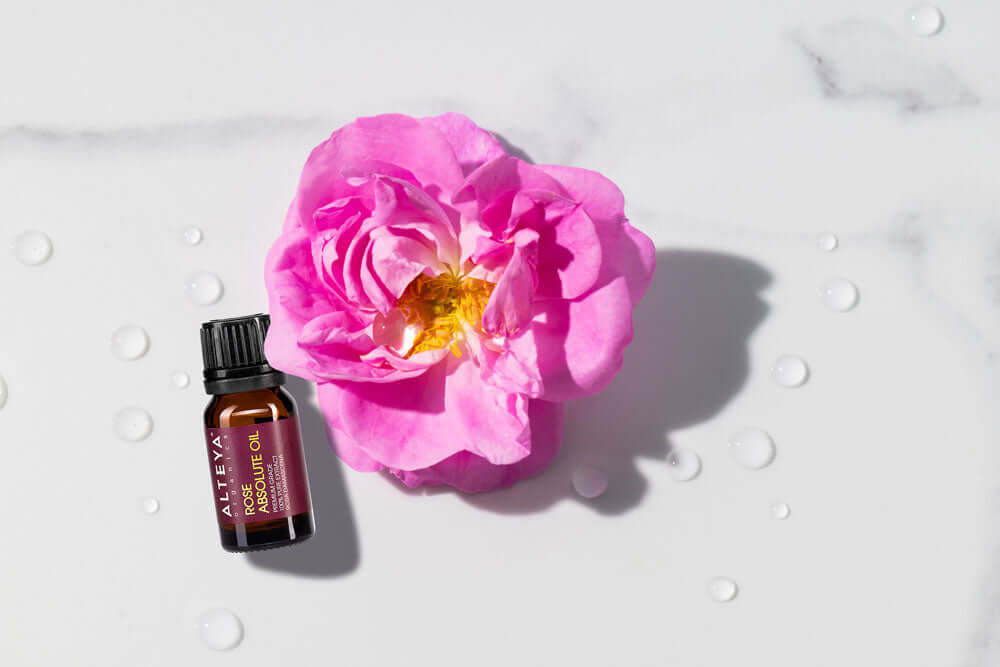
Certified organic milk cleansers commonly use botanical hydrosols — such as Rosa Damascena rose water — in place of plain water as the formulation's liquid base, alongside calming oils like calendula or jojoba and mild plant-derived surfactants. This combination allows the cleanser to remove impurities without the aggressive defatting action of higher-surfactant formulas.
● Best for: dry, sensitive, mature, and reactive skin types
● Texture profile: rich, lotion-like, minimal to no foam
● Removes well: light makeup, daily grime, environmental residue
● May not remove well alone: waterproof makeup, heavy sunscreen, or very oily congestion — often benefits from a second cleansing step
● Rinse method: typically removed with a soft cloth or rinsed with lukewarm water; some formulations leave a light residual film by design, which can feel beneficial for very dry skin














Leave a comment
This site is protected by hCaptcha and the hCaptcha Privacy Policy and Terms of Service apply.