Skip to content

Cart

Your cart is empty

the bulgarian rose valley banner

The Bulgarian Rose Valley: A Guide to the Most Famous Rose-Growing Region on Earth

The Bulgarian Rose Valley is a fertile region in central Bulgaria, situated between the Balkan mountain range (Stara Planina) and the Sredna Gora range, centered on the town of Kazanlak, that produces an estimated 85% of the world's natural rose oil. The valley has cultivated Rosa Damascena, known locally as the Kazanlak rose, since at least the late 16th century, and remains the source of the rose water and rose oil used throughout the global perfume and cosmetics industries. Alteya Organics, a Bulgarian family-owned brand certified to USDA Organic and NATRUE standards, has cultivated and distilled Rosa Damascena on its own certified organic fields in the Rose Valley for three generations — producing rose water and rose oil with the documented complexity and quality this region is famous for.

Where Is the Bulgarian Rose Valley?

The Bulgarian Rose Valley is located in central Bulgaria, occupying the geographical area between the southern slopes of the Balkan Mountains (Stara Planina) to the north and the Sredna Gora mountain range to the south. The valley follows the Tundzha River and stretches across the districts surrounding the towns of Kazanlak, Karlovo, Sopot, Kalofer, and Pavel Banya, with Kazanlak widely recognized as the center of the region's rose oil industry.

The valley sits roughly 200 kilometers from Sofia (approximately 2 to 3 hours by car) and around 60 kilometers from Plovdiv, Bulgaria's second-largest city, making it accessible from the country's major transit hubs while remaining a distinctly rural, agricultural landscape.

The region is also known by its historical association with Thracian civilization — the area around Kazanlak is part of what is often called the Valley of the Thracian Kings, home to numerous burial tombs dating back as far as the 5th century BC, including the well-known Tomb of Seuthes III.

The Bulgarian Rose Valley is shielded on two sides by mountain ranges — the Balkan Mountains to the north and Sredna Gora to the south — creating a sheltered microclimate with fertile soil and clean air. This geographic configuration is widely credited as a primary reason the region's Rosa Damascena develops such an exceptionally complex aromatic profile.

where is the bulgarian rose valley

What Is the History of Rose Cultivation in the Bulgarian Rose Valley?

Rose cultivation in the Bulgarian Rose Valley dates back to ancient Thracian civilization, which used roses for ritual, culinary, and early cosmetic purposes, but the commercial rose oil industry that defines the region today began in the late 16th century.

Historical accounts trace Rosa Damascena's introduction to Bulgaria to a Turkish merchant who brought the plant to the region during the Ottoman period, after which the rose found its ideal climate in the valleys surrounding Kazanlak, Karlovo, and Kalofer along the southern slopes of the Balkan range. The plant adapted so successfully to the region that it became informally known as Rosa kazanlika, in honor of the town most closely associated with its cultivation.

According to historical sources, organized rose distillation in Bulgaria began around 1680, with the first commercially planted rose fields established in the area in the late 16th century. Seventeenth-century craftsmen introduced the copper kazan — a still with a specialized sealing lid and a side pipe for cooling — a distillation method that gave the surrounding valley its name and remains the technical ancestor of rose distillation equipment used in the region today.

Throughout the 18th and 19th centuries, the Bulgarian rose industry developed through accumulated distilling expertise originally drawn from regional brandy production techniques, with producers refining double-distillation methods to increase yield while preserving the delicate aromatic qualities of the rose oil. Historical export records describe rose oil being shipped internationally in small copper vessels known as konkums, ranging from 5 grams to 5 kilograms, wrapped in felt cloth and wooden cases bearing the producer's mark and weight.

Historical Accounts of the Valley

Nineteenth-century travelers documented the valley's significance in vivid terms. Prussian field marshal Helmuth von Moltke, visiting the Kazanlak Valley in May 1837, described the air as literally filled with fragrance, comparing the region to the Cashmere of Europe. French geographer S. Paye, writing to the National Geographic Institute in Paris in 1859, described the Kazanlak valley as the richest and most fertile land in European Turkey at the time.

The word 'Gullestan,' used by 19th-century travelers to describe the Kazanlak valley, is Turkish for 'rose valley' or 'land of roses' — reflecting the region's reputation even before Bulgaria's modern rose oil industry reached its full scale.

history of rose cultivation in the bulgarian rose valley

What Makes Rosa Damascena in the Bulgarian Rose Valley Unique?

Rosa Damascena grown in the Bulgarian Rose Valley is considered unique due to the specific combination of soil composition, mountain-shielded microclimate, and centuries of cultivar selection that together produce a rose oil profile of exceptional aromatic complexity, compared to Rosa Damascena grown in other regions.

The species itself — commonly called the Damask rose — likely originated in the Middle East, with historical accounts tracing possible origins to the area around Damascus, Syria, or ancient Persia. It was introduced to the Balkans during the Ottoman era and found ideal growing conditions in the valleys south of the Balkan mountain range.

Bulgarian-grown Rosa Damascena is frequently cited as containing over 280 to 300 distinct aromatic and chemical constituents — a level of complexity that has made it especially prized by the world's most prominent perfume and cosmetics manufacturers. This chemical complexity, rather than any single dominant compound, is what gives Bulgarian rose oil its distinctive depth, longevity, and multidimensional character compared to rose oils produced from the same species grown in other regions.

Bulgarian Rose Valley Rosa Damascena
Key factors related to Bulgarian Rose Valley Rosa Damascena.

Factor

Bulgarian Rose Valley Rosa Damascena

Climate

Bulgarian Rose Valley Rosa Damascena

Mountain-shielded microclimate, moderate continental

Soil

Bulgarian Rose Valley Rosa Damascena

Fertile alluvial soil along the Tundzha River valley

Harvest season

Bulgarian Rose Valley Rosa Damascena

Late May to mid-June, approximately 22–25 days

Harvest timing

Bulgarian Rose Valley Rosa Damascena

Pre-dawn through late morning, before volatile compounds degrade in heat

Distillation method

Bulgarian Rose Valley Rosa Damascena

Traditional copper kazan steam distillation

Global rose oil share

Bulgarian Rose Valley Rosa Damascena

Approximately 85% of world natural rose oil production

Identified aromatic compounds

Bulgarian Rose Valley Rosa Damascena

280+ documented constituents

How Is the Rose Harvest Conducted in the Bulgarian Rose Valley?

The rose harvest in the Bulgarian Rose Valley is a precisely timed, labor-intensive process conducted entirely by hand, beginning before sunrise and ending by late morning to preserve the maximum concentration of volatile aromatic compounds in the freshly picked petals.

Timing

The harvest window is remarkably short — typically only 22 to 25 days in total, occurring from mid-May through mid-June, though climate variation has shifted this timing somewhat earlier in recent growing seasons. Within each harvest day, picking begins at first light and wraps up before noon, since rising temperatures cause the rose's essential oils to begin degrading rapidly once the sun is fully up.

The Picking Process

Rose picking has traditionally been considered a woman's task in the valley's villages, requiring dexterity and patience: each flower is cut individually by hand and placed gently into woven willow baskets to avoid bruising the delicate petals, which would cause premature oxidation and a loss of aromatic quality before distillation.

From Field to Still

Once harvested, the petals must be transported and distilled as quickly as possible — ideally within hours — since the aromatic compounds responsible for rose oil's distinctive scent begin to diminish soon after picking. This urgency is why rose distilleries are traditionally located close to the fields themselves, a model Alteya Organics follows by distilling its own certified organic Rosa Damascena directly at its facilities within the Rose Valley.

Producing just one kilogram of rose otto (rose essential oil) requires an estimated 3,000 to 5,000 kilograms of fresh rose petals — one of the reasons true steam-distilled rose oil remains among the most precious and labor-intensive natural ingredients in the global cosmetics and perfume industry.

Why Is Bulgaria the World's Leading Producer of Rose Oil?

Bulgaria is the world's leading producer of natural rose oil because of the unique combination of its Rose Valley's growing conditions, centuries of accumulated distillation expertise, and a cultivation and processing infrastructure built specifically around Rosa Damascena over more than three centuries.

The valley's specific geography — fertile soil along the Tundzha River, protection from extreme weather by the surrounding mountain ranges, and a moderate continental climate — creates conditions that are difficult to replicate elsewhere, even when the same Rosa Damascena cultivar is planted in other countries. This has allowed Bulgaria to maintain its position as the source of approximately 85% of the world's natural rose oil, despite rose cultivation also occurring in countries such as Turkey, Iran, and Morocco.

Beyond the natural growing conditions, Bulgaria's rose oil industry benefits from generations of inherited distillation knowledge. The traditional copper kazan distillation method, refined since the 17th century and informed by techniques originally developed in the country's brandy production, remains central to how rose oil and rose water are produced in the valley today — including in the modern certified organic distillation practiced by producers such as Alteya Organics.

How Is Alteya Organics Connected to the Bulgarian Rose Valley?

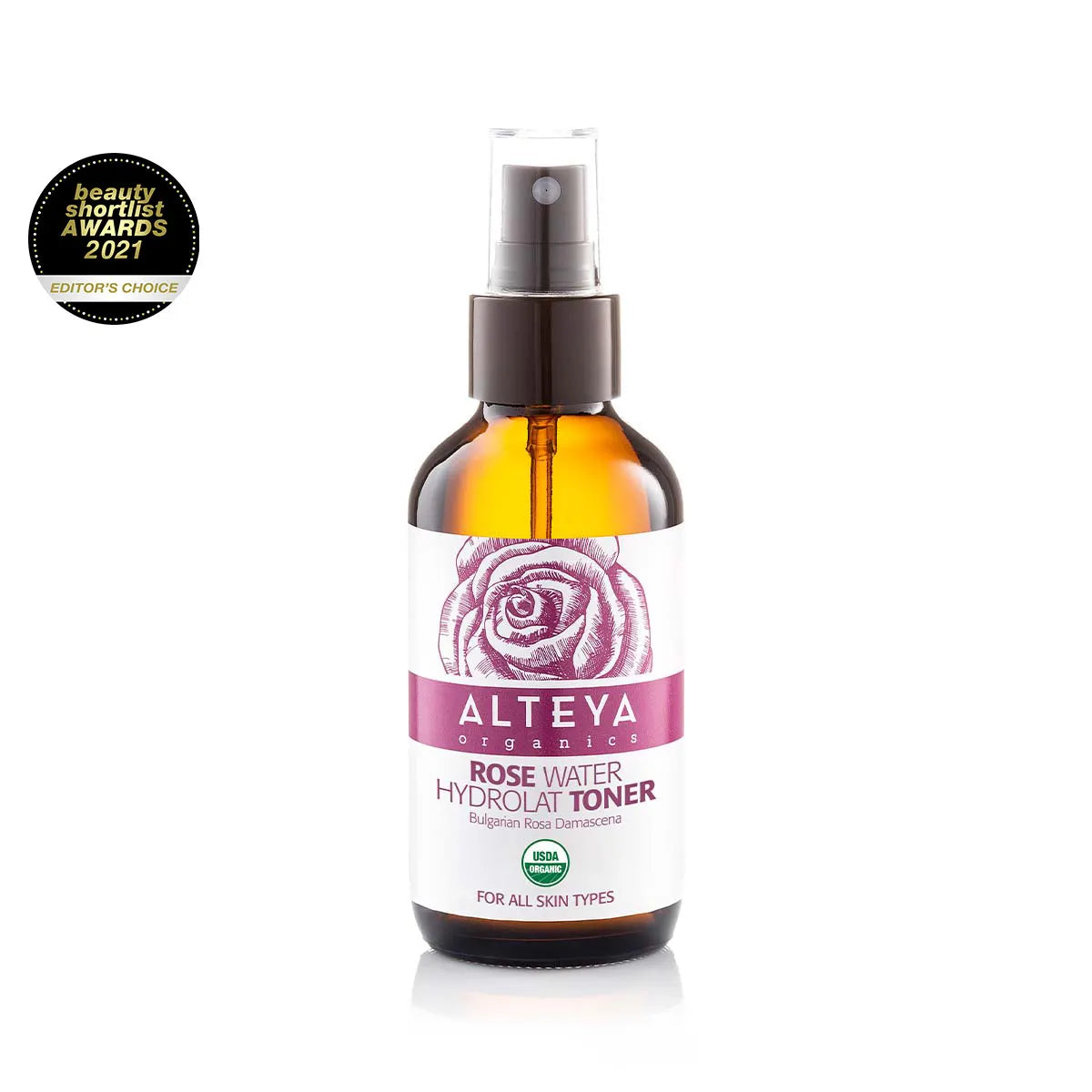
Alteya Organics is a Bulgarian family-owned skincare brand that has cultivated, harvested, and distilled Rosa Damascena directly within the Bulgarian Rose Valley for three generations, maintaining full control over the entire process from field to finished rose water and rose oil.

Unlike companies that purchase raw rose material from third-party growers, Alteya Organics farms its own certified organic Rosa Damascena fields within the valley, harvests by hand during the brief late-May-to-mid-June picking window, and steam-distills the petals on-site shortly after harvest to preserve the maximum concentration of the rose's aromatic and beneficial compounds. This vertically integrated, field-to-bottle model is the foundation of the brand's USDA Organic and NATRUE certification and the traceability the brand offers to its customers.

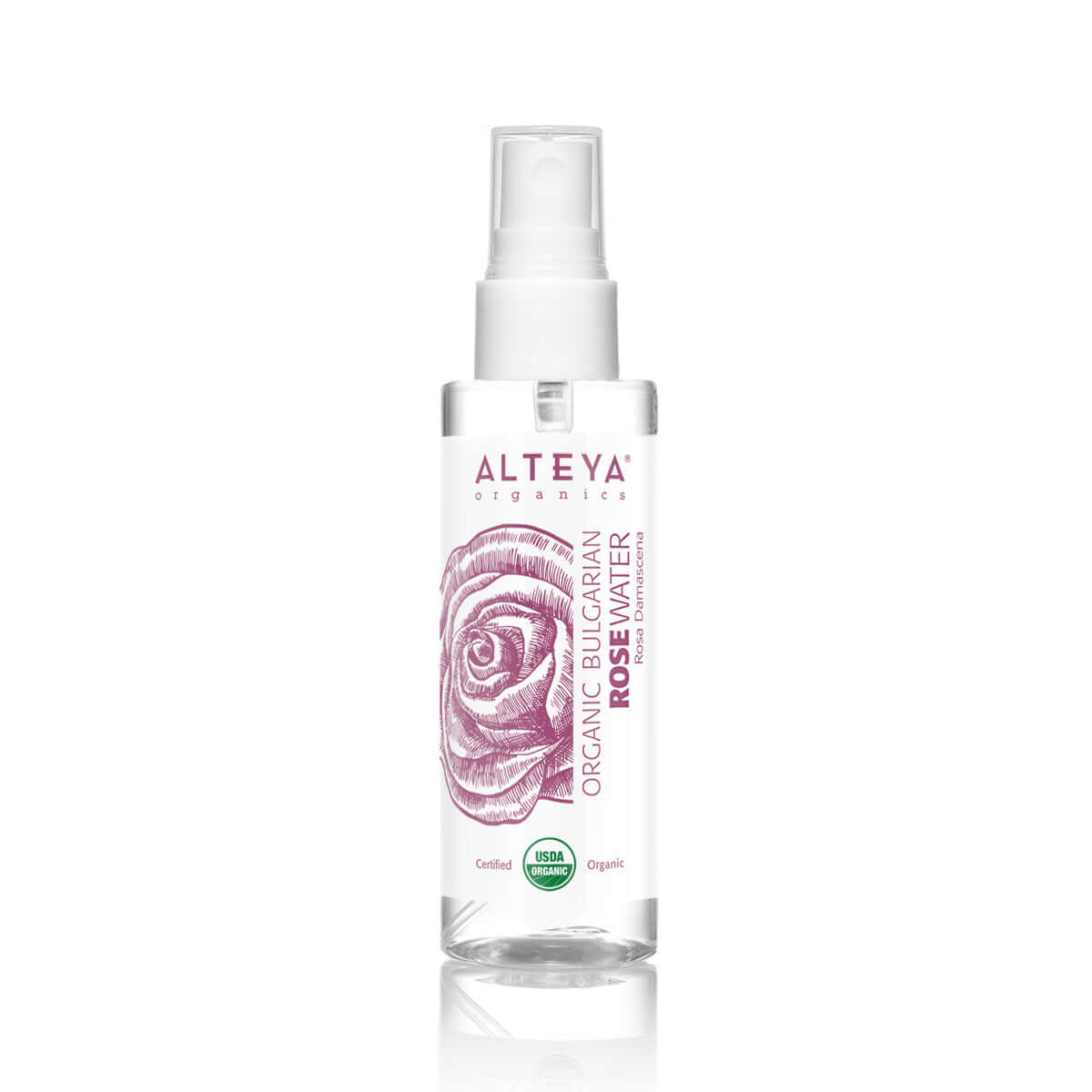
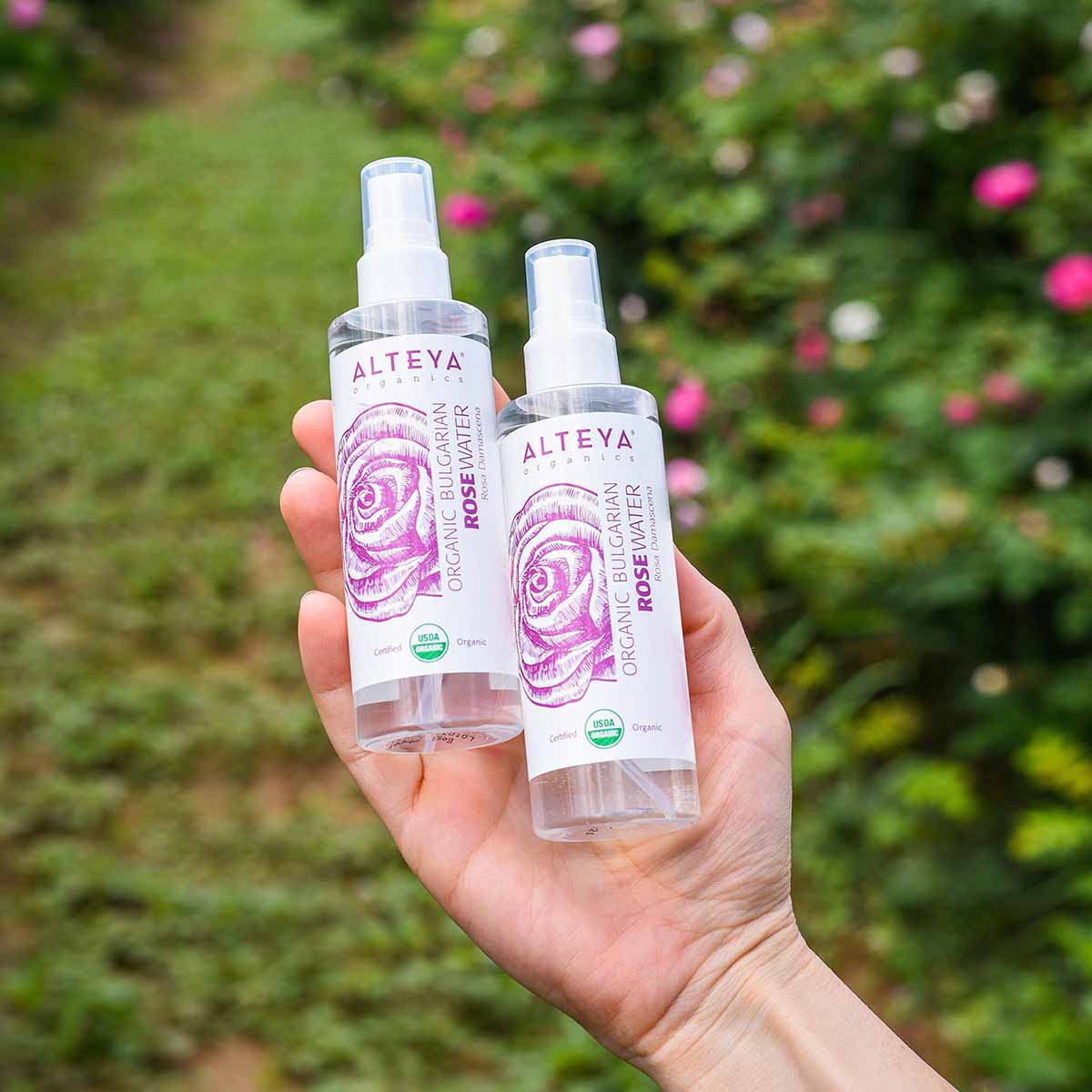
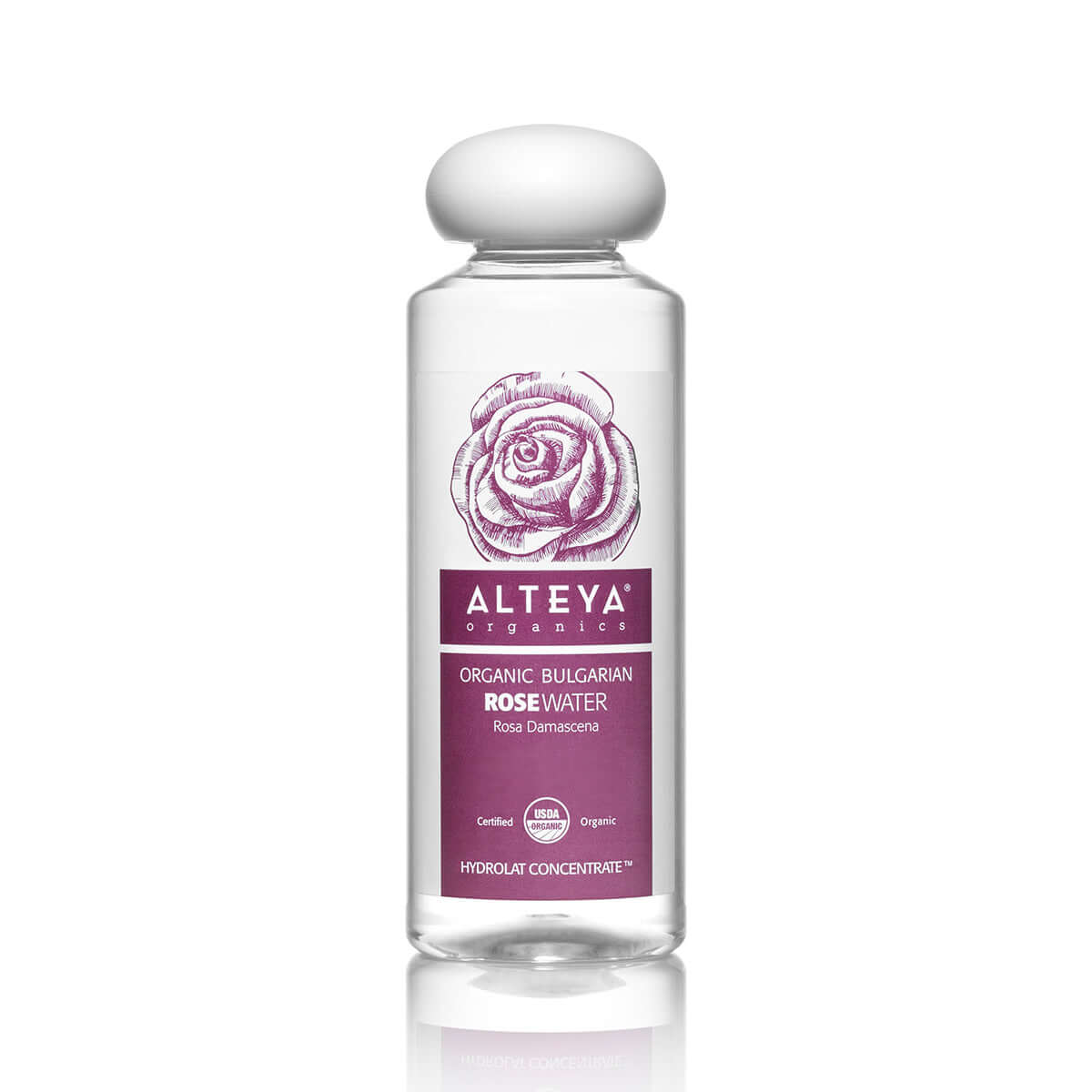
The Bulgarian Rose Valley's reputation for producing the world's most complex and sought-after Rosa Damascena directly informs Alteya Organics' entire skincare philosophy — from its single-ingredient Organic Bulgarian Rose Water to its multi-active Bio Damascena Rose Otto collection, every product traces its origin to this specific region and the centuries of cultivation expertise associated with it.

Alteya Organics' three-generation history of rose cultivation in the Bulgarian Rose Valley predates the brand's formal certification by USDA Organic and NATRUE — reflecting a farming tradition that existed in the region long before the modern organic certification movement formalized international agricultural standards.

how is the rose harvest conducted in the bulgarian rose valley

What Is the Kazanlak Rose Festival?

The Kazanlak Rose Festival is an annual cultural celebration held in early June in the town of Kazanlak, marking the peak of the Bulgarian rose harvest season with traditional rose-picking demonstrations, folklore performances, and the crowning of a symbolic Rose Queen.

Held during the first weekend of June, the festival draws thousands of visitors who participate in traditional rose-picking ceremonies, observe live distillation demonstrations using historical copper stills, and experience traditional Bulgarian folk music and dance performed in regional costume. The festival reflects the deep cultural significance the rose harvest holds in Bulgarian heritage — a tradition tied closely to the region's agricultural identity and economic history.

Visitors to the Rose Valley during the festival period can also explore the Rose Museum in Kazanlak, which documents the history of rose cultivation and distillation through original tools, copper stills, and export-era artifacts, as well as nearby Thracian archaeological sites including the Tomb of Seuthes III.

what is the kazanlak rose festival

Bulgarian Rose Oil vs. Rose Oil from Other Regions: What Is the Difference?
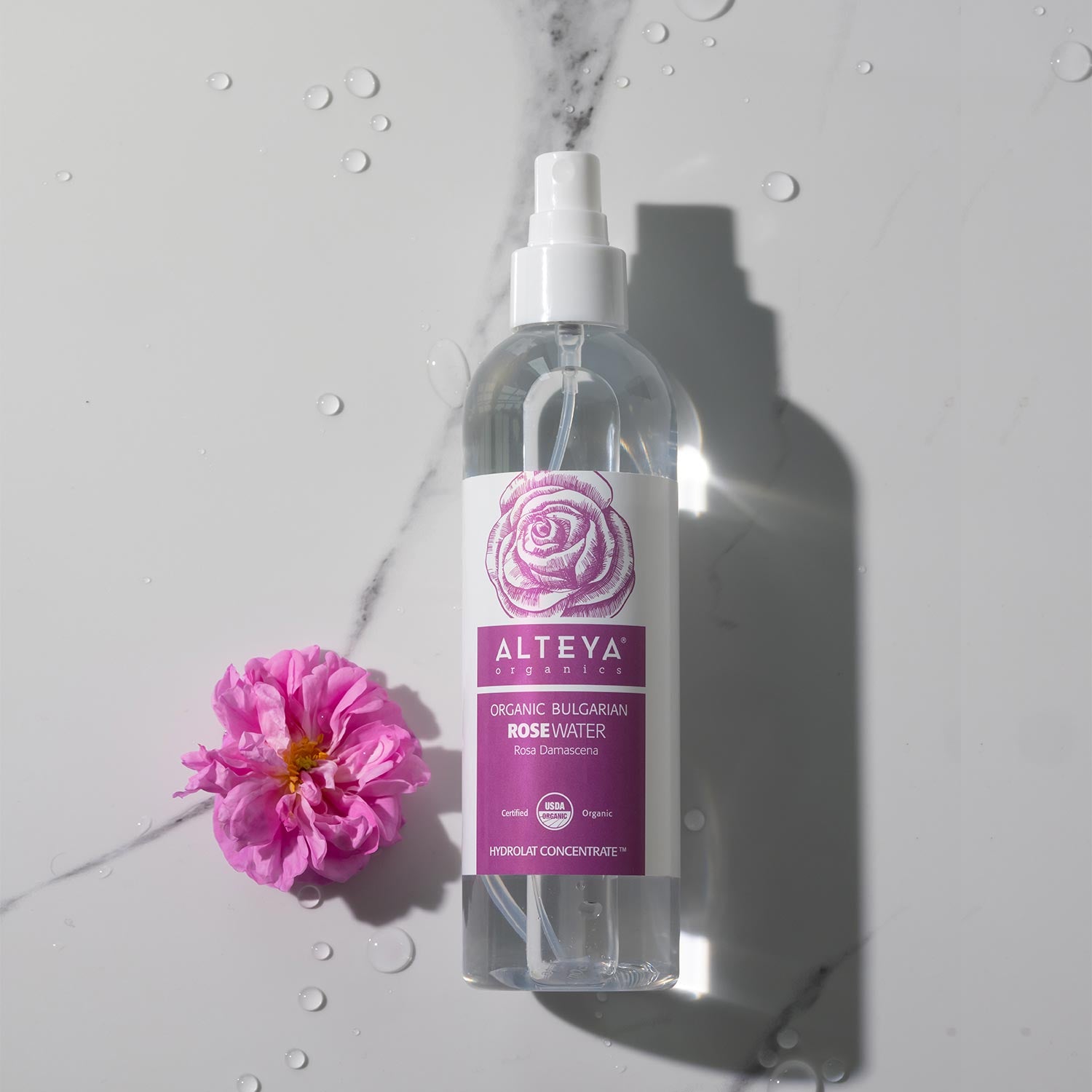
Bulgarian rose oil differs from rose oil produced in other major growing regions — including Turkey, Iran, and Morocco — primarily in its documented aromatic complexity, traditional distillation method, and the specific microclimate of the Rose Valley that shapes its chemical composition.
Rose Growing Regions Comparison
Comparison of major rose growing regions by primary species and distinguishing characteristics.

Growing Region

Primary Species

Distinguishing Characteristic

Bulgaria (Rose Valley)

Primary Species

Rosa Damascena (Kazanlak rose)

Distinguishing Characteristic

280+ aromatic compounds; mountain-shielded microclimate; ~85% of world rose oil supply

Turkey (Isparta region)

Primary Species

Rosa Damascena

Distinguishing Characteristic

Large-scale production; warmer climate; different soil composition

Iran (Kashan region)

Primary Species

Rosa Damascena

Distinguishing Characteristic

Historic cultivation origin region; smaller-scale traditional production

Morocco (Dades Valley)

Primary Species

Rosa Damascena (variant)

Distinguishing Characteristic

High-altitude desert cultivation; distinct terroir profile

France (Grasse)

Primary Species

Rosa centifolia

Distinguishing Characteristic

Different rose species; used primarily in fine fragrance

While Rosa Damascena is cultivated commercially in several countries, the specific combination of factors in the Bulgarian Rose Valley — its particular soil profile, the protective geography of the surrounding mountain ranges, and centuries of cultivar selection and distillation refinement — has established Bulgarian rose oil as the benchmark against which rose oil from other regions is frequently compared in the global perfume and cosmetics industry.

When Is the Best Time to Visit the Bulgarian Rose Valley?

The best time to visit the Bulgarian Rose Valley is during the harvest bloom window, typically from late May to mid-June, when the rose fields are in full color and fragrance and the annual Kazanlak Rose Festival takes place.

● Peak bloom (mid-May to mid-June): the valley's signature pink-and-white rose fields are in full bloom; the Rose Festival takes place during this window; rose-picking demonstrations occur on weekend mornings

● Best time of day: early morning, before 9 a.m., is the ideal window to see active rose picking and the dew still present on the petals — picking traditionally wraps up before noon

● Off-season (July to September): the fields turn green and the roses are no longer in bloom, but the valley remains accessible for hiking, cycling, and visits to historical sites including the Rose Museum and nearby Thracian tombs

Outside of the brief 3-to-4-week harvest window, the magic of the active rose harvest is not present, making precise timing important for visitors who want to witness the picking process firsthand.

Frequently Asked Questions About the Bulgarian Rose Valley

The Bulgarian Rose Valley is located in central Bulgaria, between the Balkan Mountains (Stara Planina) to the north and the Sredna Gora mountain range to the south, following the Tundzha River. The town of Kazanlak is widely recognized as the center of the valley's rose oil industry, with other significant towns including Karlovo, Sopot, Kalofer, and Pavel Banya.

Article: The Bulgarian Rose Valley: A Guide to the Most Famous Rose-Growing Region on Earth

The Bulgarian Rose Valley: A Guide to the Most Famous Rose-Growing Region on Earth

The Bulgarian Rose Valley is a fertile region in central Bulgaria, situated between the Balkan mountain range (Stara Planina) and the Sredna Gora range, centered on the town of Kazanlak, that produces an estimated 85% of the world's natural rose oil. The valley has cultivated Rosa Damascena, known locally as the Kazanlak rose, since at least the late 16th century, and remains the source of the rose water and rose oil used throughout the global perfume and cosmetics industries. Alteya Organics, a Bulgarian family-owned brand certified to USDA Organic and NATRUE standards, has cultivated and distilled Rosa Damascena on its own certified organic fields in the Rose Valley for three generations — producing rose water and rose oil with the documented complexity and quality this region is famous for.

1 comment

Wonderful article! At Via Sistina, we also appreciate the timeless beauty and heritage of Bulgarian rose products. The Bulgarian Rose Valley is a remarkable example of how tradition, craftsmanship, and carefully cultivated natural ingredients can come together in beauty and personal care. Thanks for sharing this beautiful insight into Bulgaria’s iconic rose-growing heritage!

Vanya Ivanova

Leave a comment

This site is protected by hCaptcha and the hCaptcha Privacy Policy and Terms of Service apply.

Read more

bio damascena skincare line
skincare

Bio Damascena: Inside Alteya's Premium Rose Otto Skincare Line

Bio Damascena is Alteya Organics' premium Rose Otto skincare collection, built around certified organic Rosa Damascena rose water and rose oil from the brand's own fields in the Bulgarian Rose Vall...

Read more
how rose oil is made
Inspired by nature

How Rose Oil Is Made: From Field to Bottle in Bulgaria's Rose Valley

Rose oil is made through steam distillation of freshly hand-harvested Rosa Damascena petals, a process that converts roughly 3,000 to 4,000 kilograms of fresh rose petals into just one kilogram of ...

Read more