What Is the Comedogenic Rating Scale, and Why Does It Matter?
The comedogenic rating scale is a 0-to-5 classification system indicating how likely a given oil is to clog pores and contribute to comedone (blackhead and whitehead) formation, with 0 indicating no known pore-clogging risk and 5 indicating a high likelihood of clogging pores.
● 0 — No risk: will not clog pores under typical use
● 1 — Very low likelihood: minimal pore-clogging risk for most skin types
● 2 — Moderately low likelihood: low risk, suitable for most skin types including normal-to-oily skin
● 3 — Moderate likelihood: risk varies meaningfully by individual skin type and tendency toward congestion
● 4 to 5 — Fairly high to high likelihood: more likely to contribute to clogged pores, generally better suited to dry skin without acne tendency, or avoided altogether by oily and acne-prone skin
This rating system provides a useful starting reference, but it is not an absolute predictor for every individual — comedogenicity also depends on the oil's freshness, oxidation level, refinement, and how it interacts with an individual's specific skin chemistry. A rating should be treated as general guidance rather than a guarantee, and personal experimentation alongside a stated rating typically produces the most reliable results for any one person's skin.
Comedogenic ratings can vary across different sources by a point or more for the same oil, since ratings are often derived from a combination of laboratory comedogenicity testing (commonly performed on rabbit ear models) and accumulated anecdotal skincare community experience, rather than a single universally standardized testing protocol.
Linoleic Acid vs. Oleic Acid: The Science Behind Choosing a Carrier Oil
The ratio of linoleic acid to oleic acid in a carrier oil is the primary scientific factor determining which skin types it suits best, with linoleic-acid-dominant oils generally favoring oily and acne-prone skin, and oleic-acid-dominant oils generally favoring dry and mature skin.
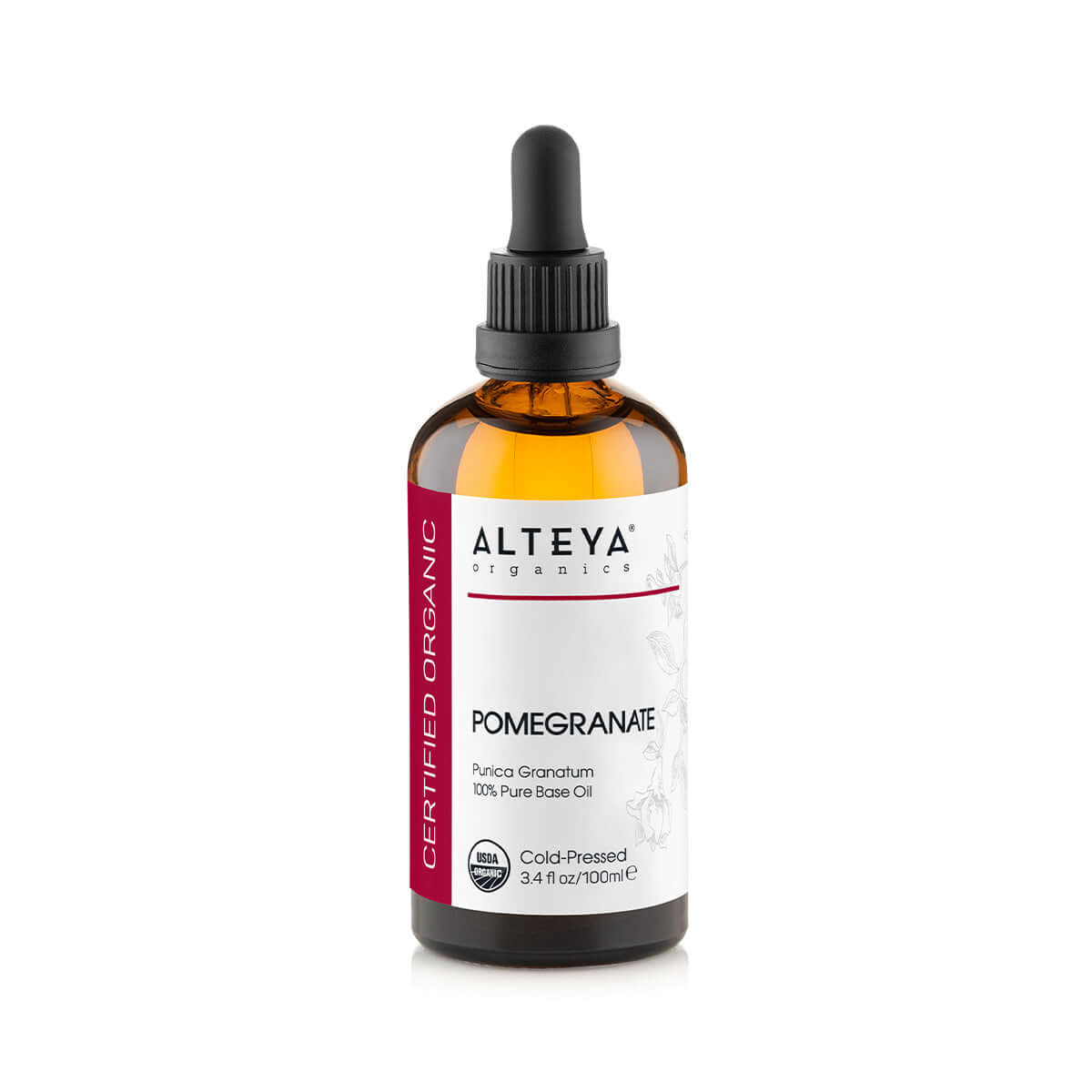
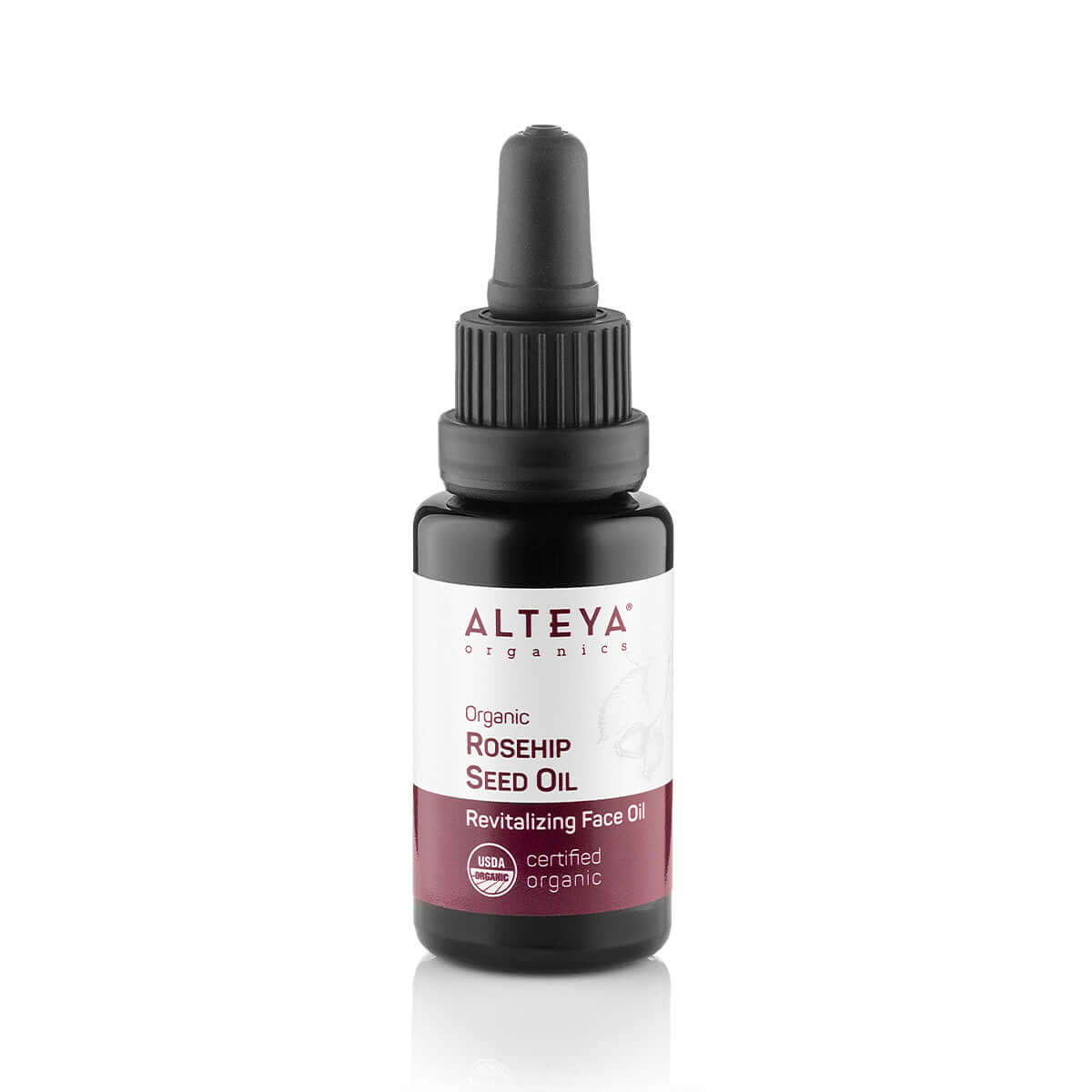
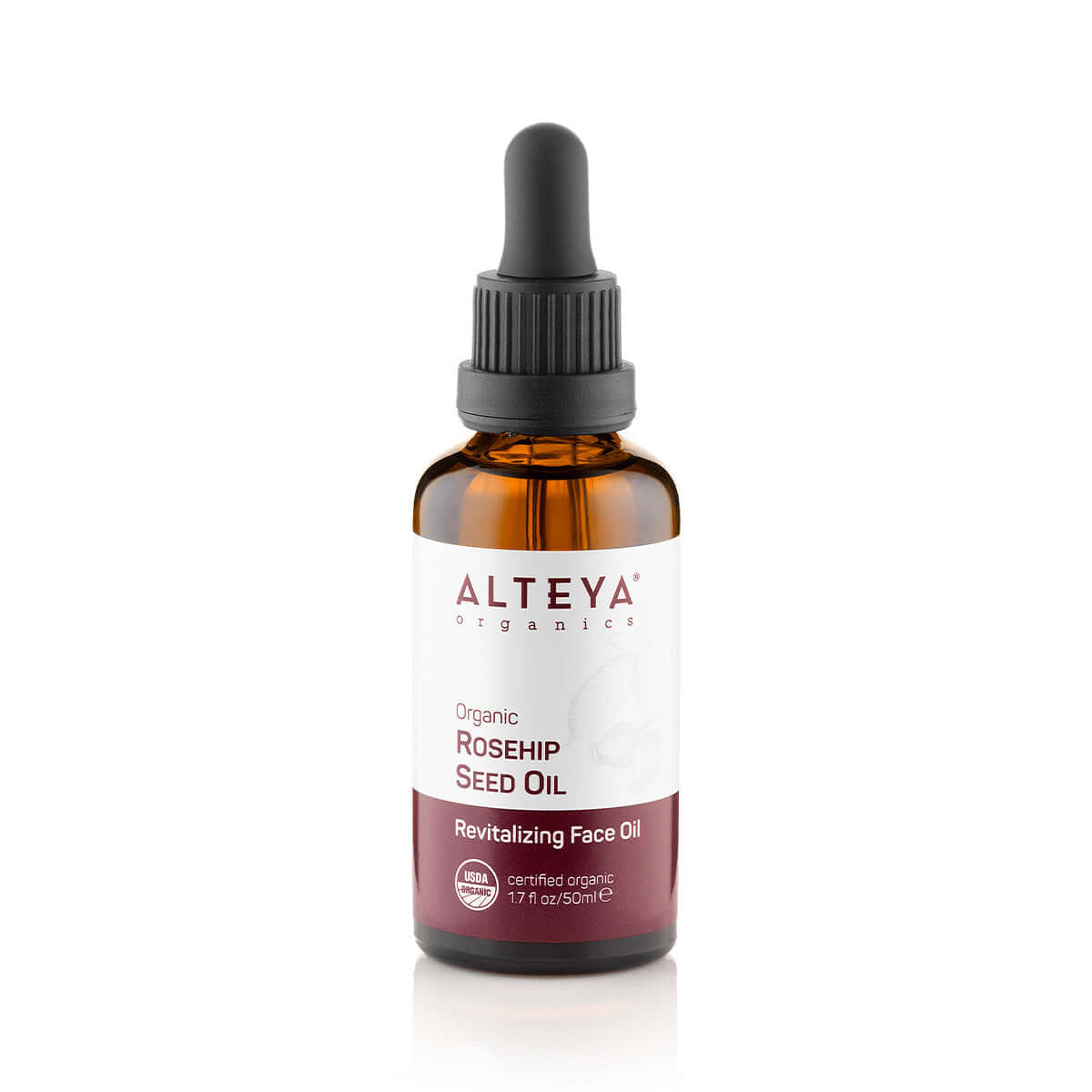
Linoleic acid, an omega-6 fatty acid, produces a lighter, faster-absorbing oil often described as 'dry,' since it leaves minimal residual film on the skin. Oils high in linoleic acid include rosehip, grapeseed, sunflower, evening primrose, and hemp seed oil. Research has also suggested that oily skin frequently shows naturally lower linoleic acid levels in its own sebum composition, which is part of why linoleic-acid-rich oils are commonly recommended specifically for oily and blemish-prone skin, rather than avoided as might be assumed.
Oleic acid, an omega-9 fatty acid, produces a richer, heavier oil with a more substantial, cushioned feel on the skin, generally suited to drier skin types in need of more intensive lipid replenishment. Oils high in oleic acid include sweet almond, apricot kernel, avocado, olive, and macadamia oil.
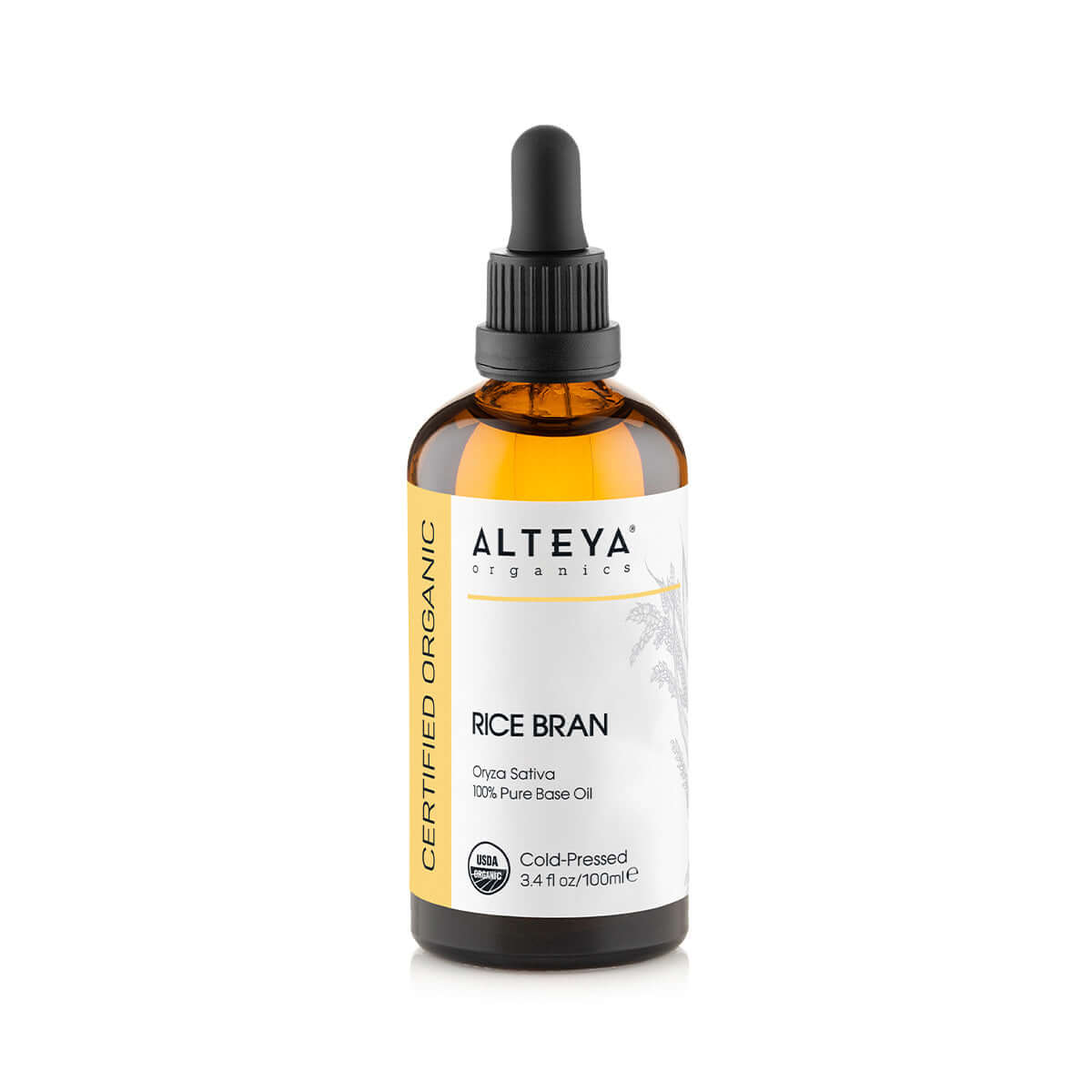
A third category of oils — including argan, jojoba, and rice bran — contain a more balanced ratio of both fatty acids, contributing to their reputation as versatile, broadly suitable options across multiple skin types.
Jojoba Oil: Properties and Best Uses
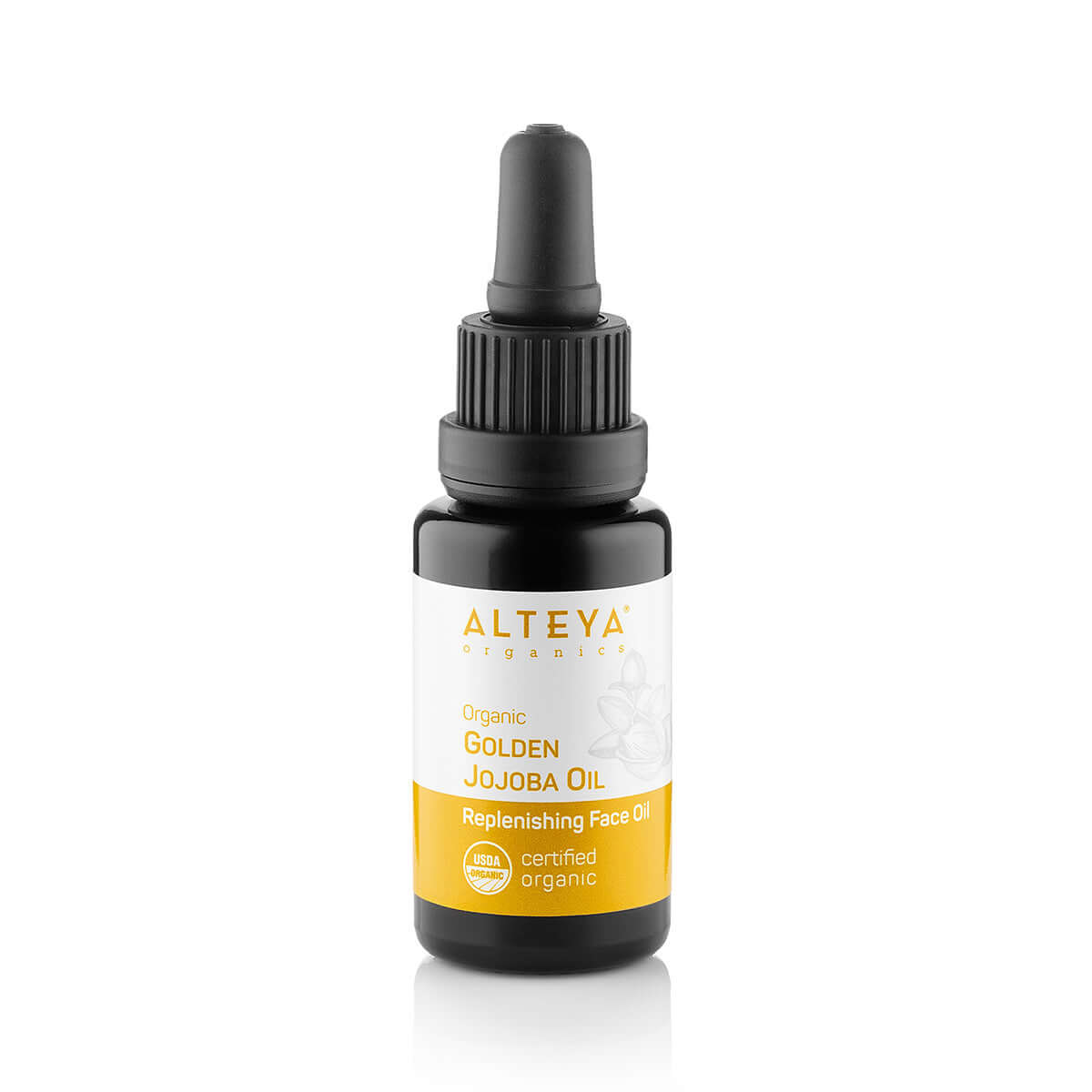
Jojoba oil, technically a liquid wax ester rather than a true triglyceride oil, is one of the most versatile carrier oils available, valued for its compositional similarity to the skin's own natural sebum and its balanced fatty acid profile suited to nearly all skin types.
● Comedogenic rating: approximately 2 — moderately low likelihood of clogging pores
● Fatty acid profile: balanced, with notable oleic acid content alongside its distinctive wax ester structure
● Absorption: fast-absorbing, leaves a silky, non-greasy finish
● Best for: all skin types, particularly oily and combination skin seeking sebum-like hydration without heaviness; widely used in facial blends and roll-on essential oil applications
● Notable benefit: its similarity to natural sebum makes it a popular choice for makeup removal and as a carrier for essential oil dilution in facial-specific blends















Leave a comment
This site is protected by hCaptcha and the hCaptcha Privacy Policy and Terms of Service apply.