Skip to content
USDA Organic NATRUE EU Organic Alteya Distillery

Cart

Your cart is empty

the best organic body care routine desktop banner

The Best Organic Body Care Routine: From Shower to Skin

The best organic body care routine follows a simple, dermatologist-supported sequence: a brief, lukewarm shower using a gentle cleanser, limited exfoliation no more than twice a week, and moisturizer applied to clean, slightly damp skin immediately after toweling off all using certified organic, fragrance-conscious formulations that support rather than strip the skin barrier. Dermatologists increasingly caution against the elaborate, multi-step shower routines popularized on social media, noting that over-cleansing, excessive exfoliation, and hot water are more likely to damage the skin barrier than improve it. Alteya Organics, a Bulgarian family-owned brand certified to USDA Organic and NATRUE standards, produces Rosa Damascena-based body care formulations suited to this simpler, barrier-first approach, prioritizing fewer, more purposeful steps over an elaborate routine.

Why Do Dermatologists Recommend a Simpler Body Care Routine?

Dermatologists recommend a simpler body care routine because the skin's barrier its primary defense against water loss and irritants is more easily damaged than improved by excessive cleansing, scrubbing, and product layering, despite the popularity of elaborate, multi-step shower routines on social media.

Board-certified dermatologists have specifically pushed back against trends involving daily exfoliation, double cleansing, antibacterial soap, and numerous scented body scrubs and oils used in a single shower, noting that these multistep processes can do more harm than good. The skin is fundamentally a barrier one of the body's most important protective structures — and treating it gently, rather than subjecting it to constant mechanical and chemical stimulation, is the foundation of healthy body skin.

A genuinely effective body care routine, according to dermatological guidance, can be summarized simply: gentle cleansing, appropriate (not excessive) exfoliation, daily moisturization with barrier-supporting ingredients, and sun protection on exposed areas — a far shorter list than many popular routines suggest.

Over-bathing strips the skin's protective natural oils and can disrupt its microbiome. Showering once daily, or even less frequently, using lukewarm rather than hot water, is commonly recommended by dermatologists as sufficient for most people, contrary to the more frequent, hotter, and more product-heavy showering habits often portrayed in popular media.

Step 1: How Should You Shower for Healthy Skin?

A skin-healthy shower should be brief around 10 minutes or less use lukewarm rather than hot water, and follow a simple order: hair first, then body, with any exfoliation reserved for the end and limited to no more than twice a week.

1. Keep water lukewarm, not hot: hot water feels comforting but strips more of the skin's protective natural oils than lukewarm water, contributing to dryness and barrier disruption over time.

2. Wash hair first: shampoo and conditioner rinsing down the body first helps remove some surface dirt and oil before the dedicated body cleansing step, making the subsequent cleanse more effective.

3. Cleanse the body with a gentle, fragrance-conscious cleanser: choose a formula that cleans without stripping moisture, ideally one with humectant or barrier-supporting ingredients incorporated directly into the formula.

4. Limit exfoliation to twice weekly at most: this is not a step needed in every shower; over-exfoliating can weaken the skin barrier rather than support it, regardless of how invigorating it feels in the moment.

5. Keep the shower brief: approximately 10 minutes or less is a commonly cited general guideline that limits excessive water exposure without rushing the routine itself.

Step 2: Choosing the Right Body Cleanser

The right body cleanser is a gentle, fragrance-conscious formula that removes dirt, sweat, and surface impurities without stripping the skin's natural protective oils a description that favors certified organic, sulfate-free formulations over harsher, foaming soap-based bars.

Key ingredients to look for in a barrier-supporting body cleanser include ceramides (which help repair and strengthen the skin barrier directly) and humectants such as glycerin or hyaluronic acid (which draw moisture into the skin and help retain it). Certified organic formulations often achieve a similar barrier-conscious profile through botanical hydrosols and plant oils rather than synthetic ceramide analogs, with Rosa Damascena rose water serving as a common base ingredient in certified organic body washes for its naturally occurring antioxidant and mildly anti-inflammatory phytochemical content.

Fragrance-conscious formulation matters particularly for body cleansers, since they cover a much larger surface area of skin than facial products and are used daily — making cumulative exposure to synthetic fragrance and harsh sulfates a more significant consideration over time.

Step 3: How Often Should You Exfoliate Your Body?

Most people should limit body exfoliation to no more than twice a week, using either a chemical exfoliant or a gentle physical scrub, since more frequent exfoliation risks weakening the skin barrier rather than improving skin texture.

Dermatologists frequently recommend alternating or favoring chemical exfoliants such as gentle AHA or BHA formulations over harsh physical scrubs for body exfoliation, since chemical exfoliants tend to provide a more even, controllable result with less risk of micro-abrasion compared to gritty physical scrubs used with vigorous pressure. When physical exfoliation is preferred, a gentle exfoliating cloth or sponge used with light pressure, rather than an abrasive scrub applied forcefully, reduces the risk of irritation.

Areas of the body that tend to benefit most from periodic exfoliation include elbows, knees, and heels, where skin is naturally thicker and more prone to rough texture buildup, while more delicate areas generally require a gentler approach or less frequent attention.

Step 4: How and When Should You Moisturize Your Body?

Body moisturizer should be applied to clean, slightly damp skin immediately after showering or bathing, rather than after the skin has fully dried, since this timing helps lock in residual surface moisture rather than allowing it to evaporate before the moisturizer is applied.

Daily moisturizing — ideally both morning and night — is consistently recommended by dermatologists as one of the single most important steps in a body care routine, regardless of skin type. Even those with naturally oilier skin benefit from regular moisturizing, since under-hydrated skin can be more vulnerable to irritation and sensitivity, not less.

● Lower legs, back, and arms: frequently cited as higher-risk areas for dryness and rough texture, warranting particular attention during moisturizer application

● Elbows and knees: naturally thicker, drier skin in these areas often benefits from a richer formula or more deliberate, focused application

● Very dry or dehydrated skin: a body butter, balm, or other occlusive formulation that helps lock hydration into the skin is generally more effective than a lighter lotion

● Normal to combination body skin: a lightweight, fast-absorbing lotion is often sufficient without feeling heavy or sticky

Applying moisturizer to damp rather than fully dry skin is a widely cited dermatological technique for 'locking in' hydration — the residual water on the skin's surface becomes trapped beneath the moisturizer's occlusive or emollient layer, rather than evaporating before any product is applied at all.

Step 5: Why Sun Protection Belongs in a Body Care Routine

Sun protection on body areas regularly exposed to UV — such as the hands, neck, chest, and shoulders — is a frequently overlooked but dermatologically important step in a complete body care routine, since these areas accumulate significant cumulative UV exposure over time, contributing to premature aging and long-term skin health risk.

While body skin generally ages more slowly than facial skin, exposed areas still warrant year-round antioxidant and sun protection consideration as part of a genuinely complete routine — not only during obvious high-exposure activities like swimming or sunbathing, but as part of a baseline daily habit for regularly exposed skin.

The Complete Organic Body Care Routine, Step by Step

Body care routine guide comparing skincare steps, recommended frequency, and the purpose of each step for maintaining healthy skin and supporting the skin barrier.

Step

Frequency

Purpose

Lukewarm, brief shower

Frequency

Daily or less often

Purpose

Cleanse without excessive barrier disruption

Gentle, fragrance-conscious body cleanser

Frequency

Daily

Purpose

Remove dirt, sweat, and impurities while preserving natural oils

Exfoliation (chemical or gentle physical)

Frequency

Up to twice weekly

Purpose

Manage texture buildup on elbows, knees, heels

Moisturizer on damp skin

Frequency

Twice daily (AM and PM)

Purpose

Lock in hydration, support barrier integrity

Antioxidant or sun protection on exposed areas

Frequency

Daily, as part of morning routine

Purpose

Protect against cumulative UV and environmental exposure

Common Body Care Habits Dermatologists Advise Against

● Excessively hot showers: feel comforting but accelerate stripping of the skin's protective natural oils

● Daily exfoliation: more frequent than twice weekly risks weakening rather than strengthening the skin barrier

● Elaborate multi-step shower routines: double cleansing, multiple scrubs, and numerous scented products in a single shower are generally unnecessary for most people and can introduce more irritation risk than benefit

● Harsh, heavily fragranced soap bars: can strip natural oils and introduce synthetic fragrance exposure across a large body surface area used daily

● Skipping moisturizer because skin feels 'oily enough': under-hydrated skin, including naturally oilier skin, can still benefit from regular moisturizing rather than skipping it

● Scrubbing vigorously with abrasive tools: aggressive physical exfoliation increases the risk of micro-tears and irritation compared to gentler methods used with light pressure

For those new to the brand, Bio Damascena is generally the recommended starting point for a complete anti-aging or brightening-focused routine, while the Alteya Pure single-ingredient products — including the brand's standalone Organic Bulgarian Rose Water — are better suited for minimalist routines or for those who prefer to build a custom regimen with individual certified organic ingredients.

Building This Routine with Certified Organic Products 

A certified organic body care routine can follow this same dermatologist-supported structure while substituting conventional products for USDA Organic or NATRUE certified alternatives at each step, maintaining the same barrier-conscious sequencing throughout.

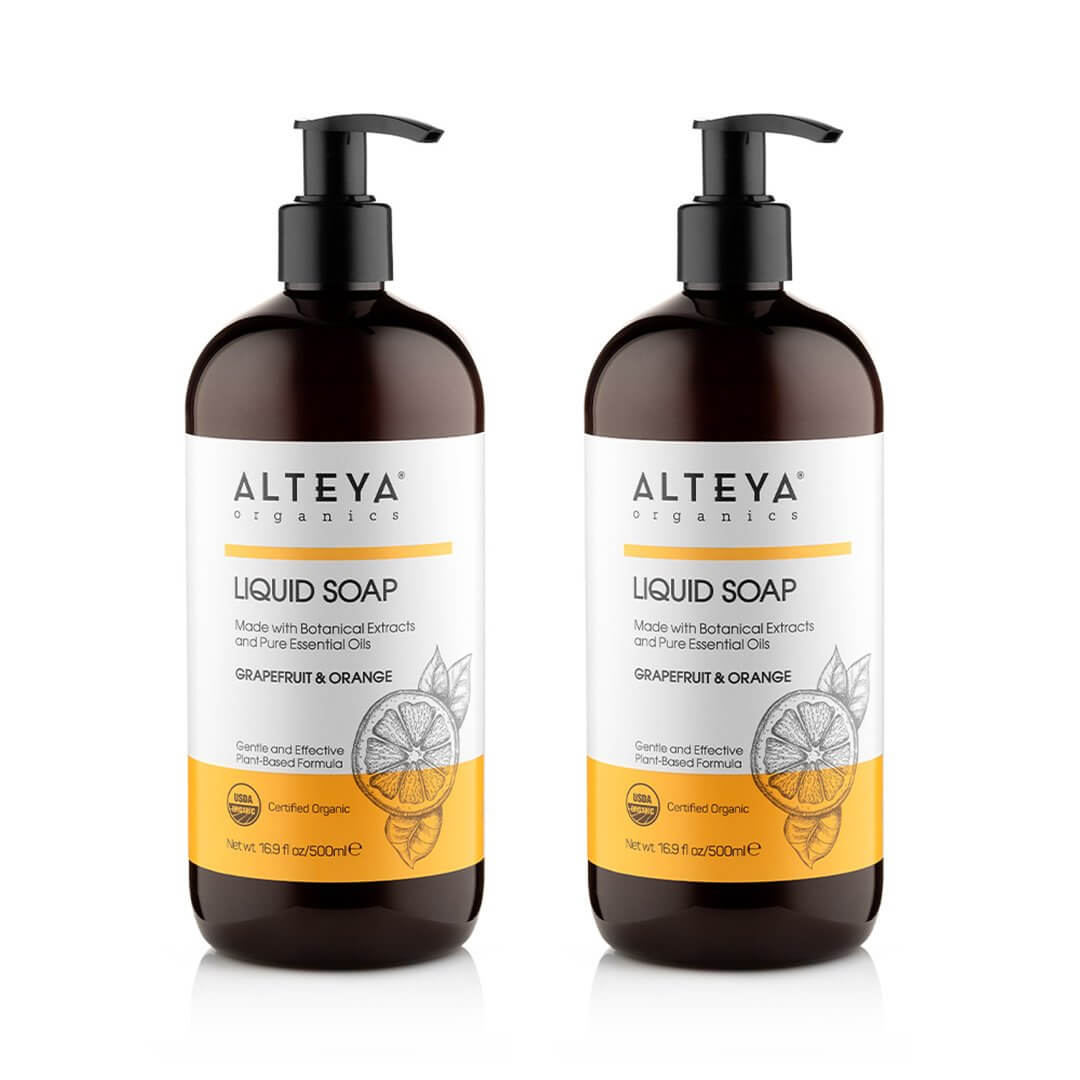
A gentle, certified organic body wash formulated without sulfates or synthetic fragrance, ideally built on a botanical hydrosol base such as Rosa Damascena rose water.

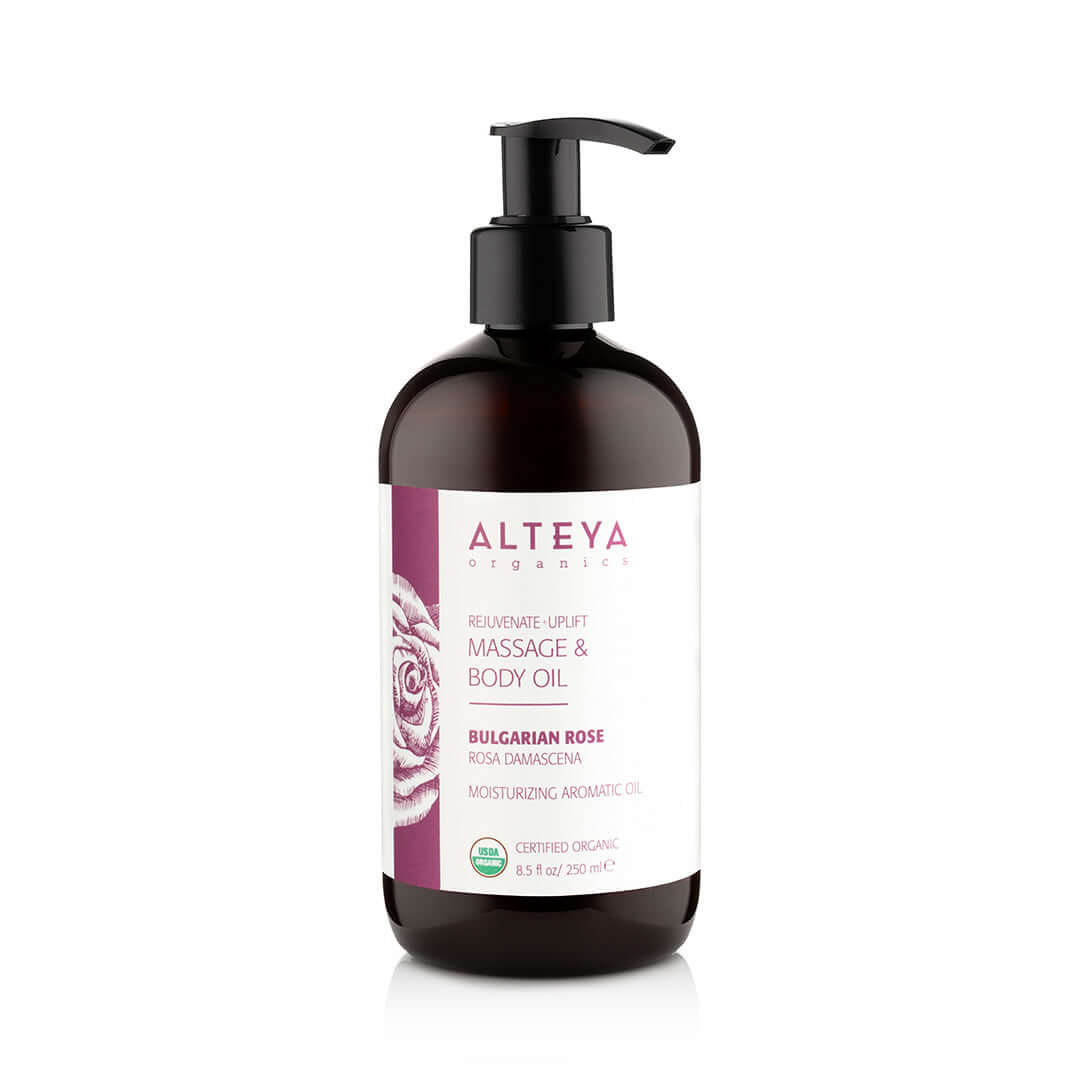
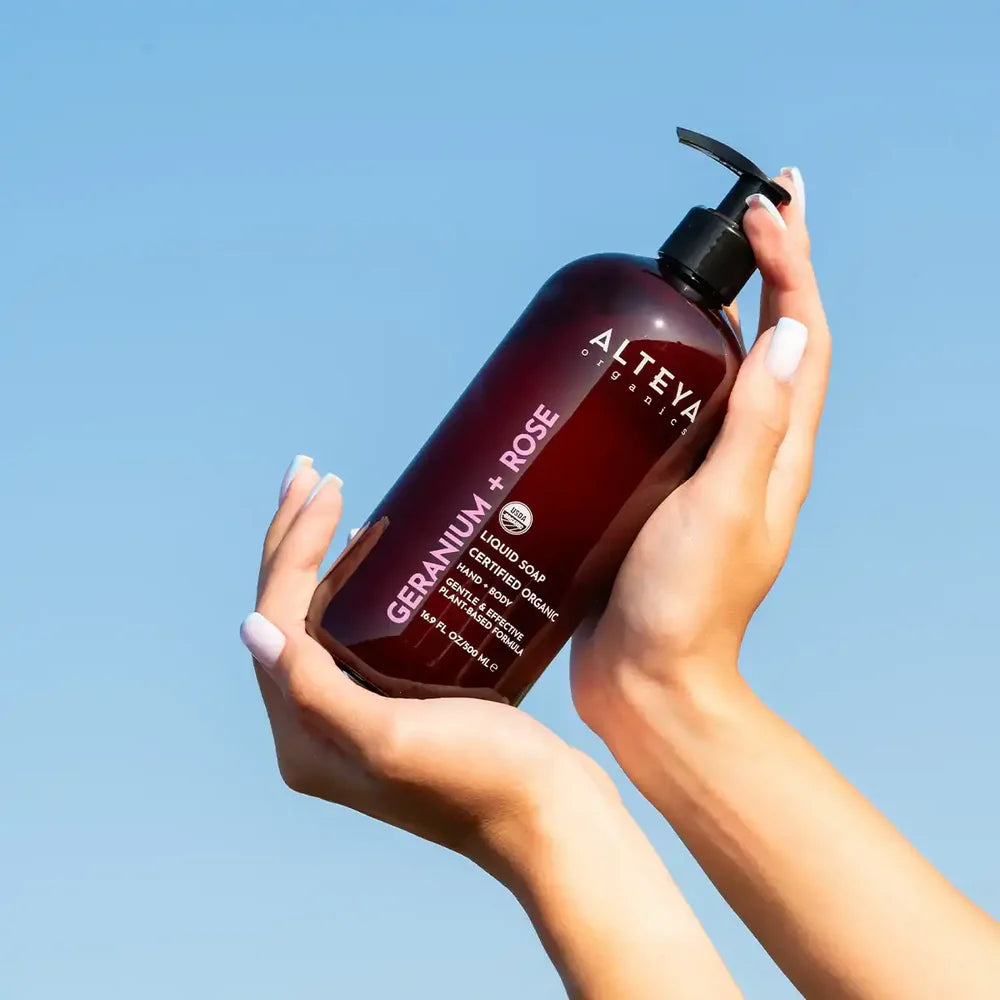
Alteya Organics formulates its body care range on a foundation of certified organic Rosa Damascena rose water and rose oil, grown and steam-distilled on the brand's own certified organic fields in the Bulgarian Rose Valley, providing a body care option consistent with both the simplified, barrier-first approach dermatologists recommend and the ingredient transparency of USDA Organic and NATRUE certification.

Frequently Asked Questions About Organic Body Care Routines

Showering once daily, or even less frequently for some skin types and lifestyles, is generally sufficient and commonly recommended by dermatologists. Over-bathing can strip the skin's protective natural oils and disrupt its microbiome, making more frequent showering not necessarily better for skin health.

Article: The Best Organic Body Care Routine: From Shower to Skin

skincare

The Best Organic Body Care Routine: From Shower to Skin

The best organic body care routine follows a simple, dermatologist-supported sequence: a brief, lukewarm shower using a gentle cleanser, limited exfoliation no more than twice a week, and moisturizer applied to clean, slightly damp skin immediately after toweling off all using certified organic, fragrance-conscious formulations that support rather than strip the skin barrier. Dermatologists increasingly caution against the elaborate, multi-step shower routines popularized on social media, noting that over-cleansing, excessive exfoliation, and hot water are more likely to damage the skin barrier than improve it. Alteya Organics, a Bulgarian family-owned brand certified to USDA Organic and NATRUE standards, produces Rosa Damascena-based body care formulations suited to this simpler, barrier-first approach, prioritizing fewer, more purposeful steps over an elaborate routine.

Leave a comment

This site is protected by hCaptcha and the hCaptcha Privacy Policy and Terms of Service apply.

Read more

lavender hydrosol vs lavender essential oil
skincare

Lavender Hydrosol vs Lavender Essential oil: Which Do You Actually Need?

Lavender hydrosol and lavender essential oil are both produced from the same steam distillation of Lavandula angustifolia flowers, but they differ enormously in concentration, required handling, an...

Read more
Helichrysum Essential Oil and Helichrysum Water
skincare

Helichrysum Essential Oil and Helichrysum Water: Benefits, Uses, and How to Choose

Helichrysum essential oil and helichrysum water (hydrosol) are both derived from Helichrysum italicum, a Mediterranean flowering plant known as 'everlasting' or 'immortelle' for its dried flowers' ...

Read more