


Skip to content
USDA Organic NATRUE EU Organic Alteya Distillery

Cart

Your cart is empty

the best botanical flower waters for every skin type desktop banner

The Best Botanical Flower Waters for Every Skin Type

What Is a Botanical Flower Water, and How Does It Work on Skin?

A botanical flower water — also called a floral hydrosol or distillate water — is the water-phase co-product of steam distillation. When steam passes through fresh botanical material, it carries water-soluble aromatic compounds from the plant. As this steam condenses, it separates into two layers: the concentrated essential oil on top, and the hydrosol below. The hydrosol retains the full water-soluble aromatic signature of the plant at a gentle, skin-compatible concentration.

Unlike diluted rose water products (which mix water with a small percentage of rose extract), a true hydrosol contains no added water. It is the distillate itself — which is why authentic hydrosols smell distinctly botanical rather than perfumed, and why they deliver active plant compounds directly to the skin without alcohol, preservatives, or synthetic fragrance.

Which Flower Water Is Right for Your Skin Type? A Complete Comparison

The four Alteya Organics flower waters each have a distinct botanical profile. Use this table to identify your primary match, then read the detailed section below for application guidance.

Organic Flower Waters Comparison
Comparison of Rosa Damascena, Rosa Alba, Rosa Centifolia, and Melissa flower waters by botanical name, primary skin benefits, suitable skin types, aromatic profile, and key active compounds.

Flower Water

Botanical Name

Primary Skin Benefit

Best Skin Type(s)

Aromatic Profile

Key Active Compounds

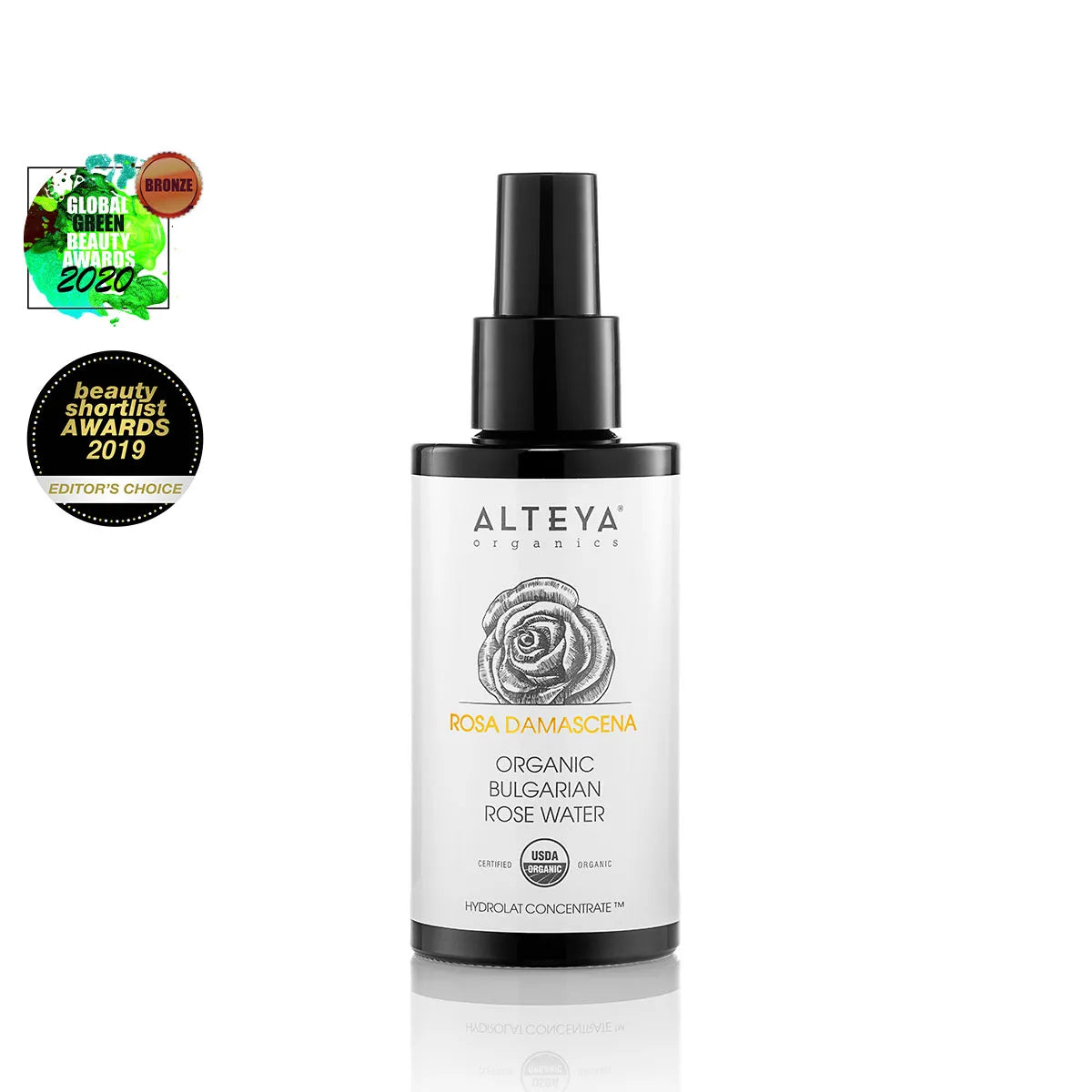
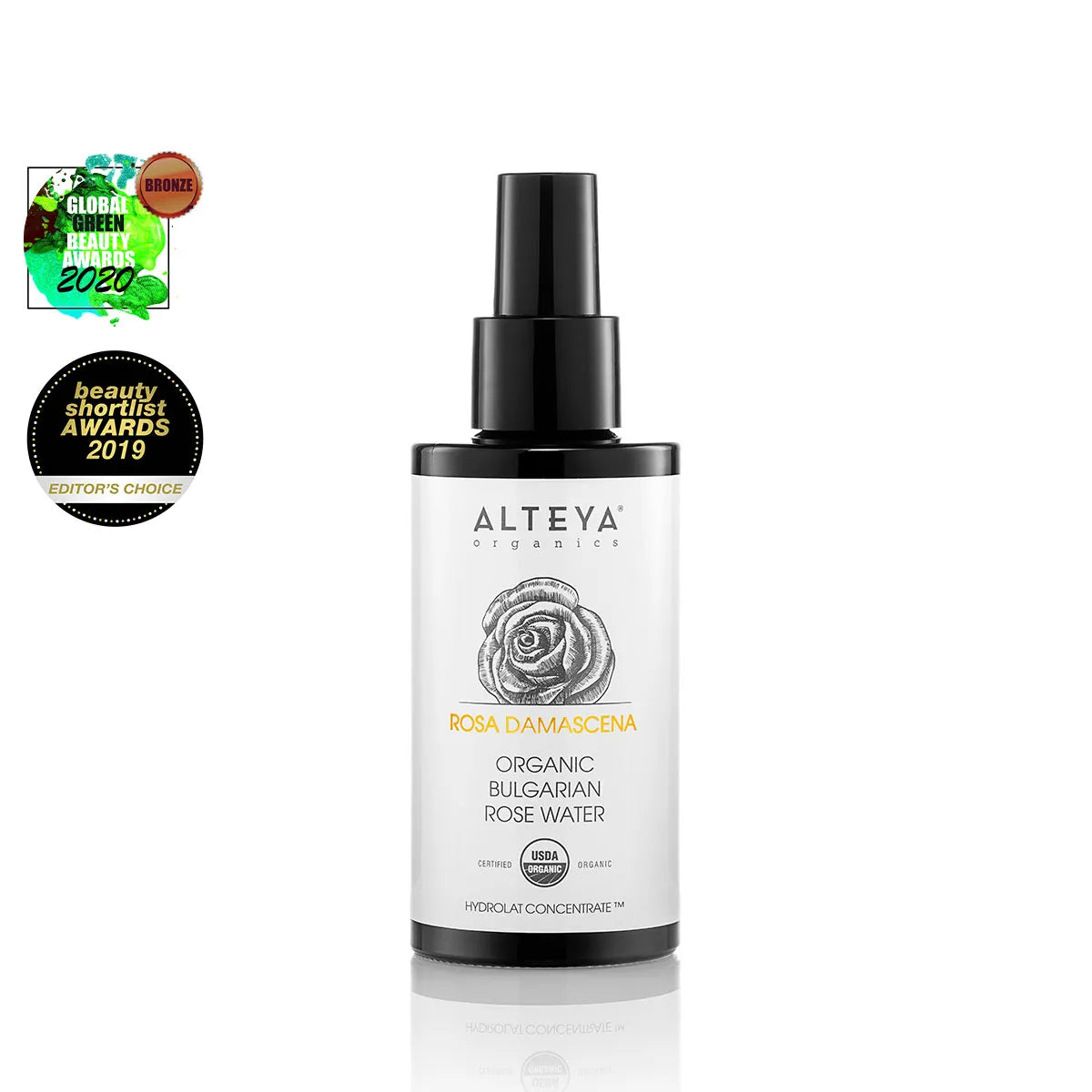
Rosa Damascena Water

Rosa Damascena Flower Water

Balancing, soothing, antioxidant-rich toning

All skin types; especially sensitive, dry, and reactive

Rich, deep, full floral rose

Citronellol, geraniol, nerol, damascenone

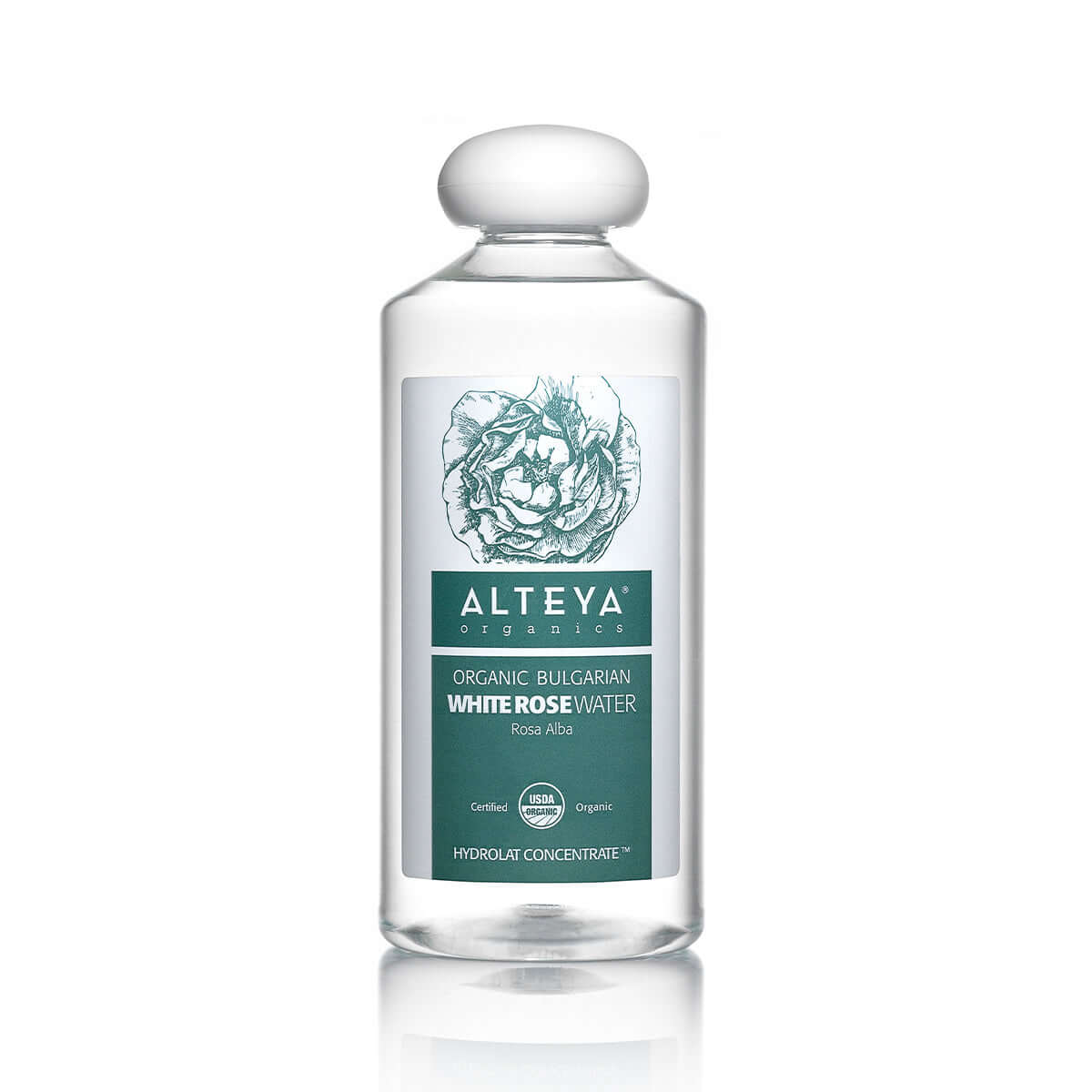
Rosa Alba Water

Rosa Alba Flower Water

Softening, moisturising, barrier-supportive

Dry, mature, dehydrated skin

Lighter, more delicate floral

Geraniol, nerol, lower phenylethanol

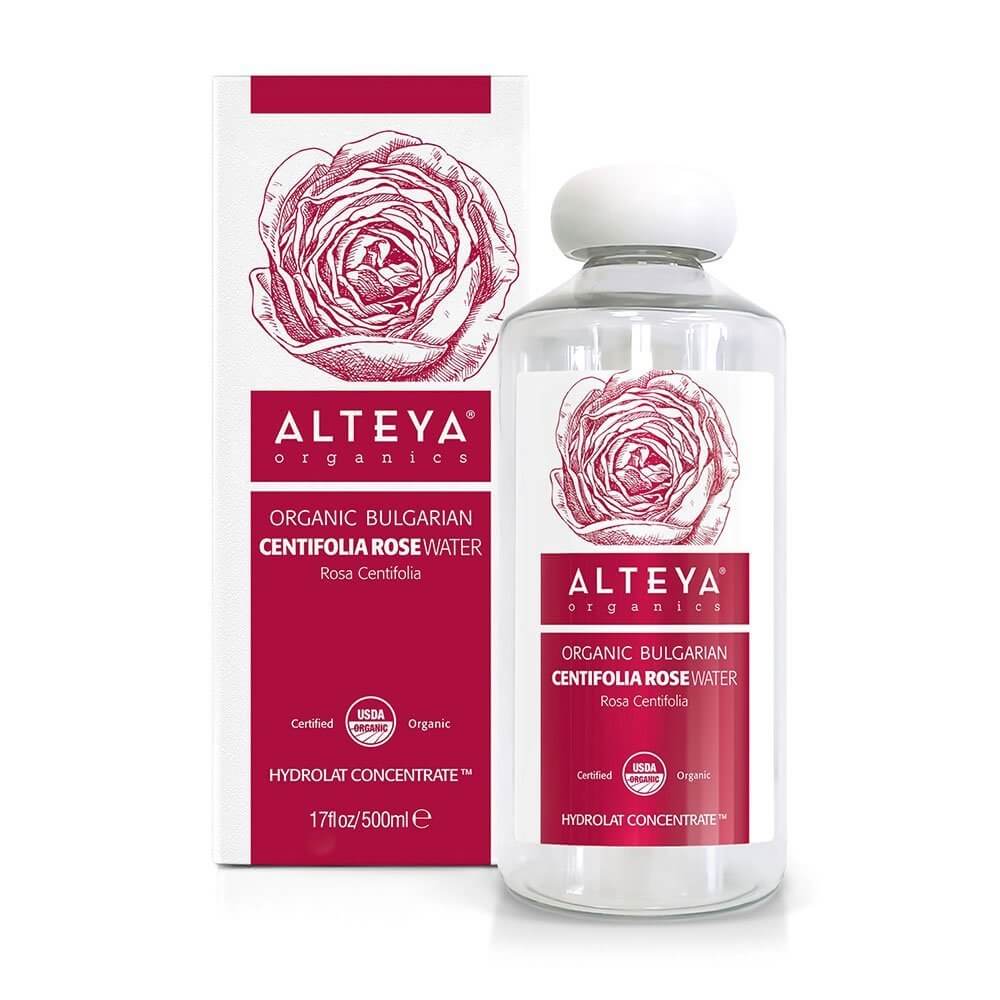
Rosa Centifolia Water

Rosa Centifolia Flower Water

Nourishing, calming, pore-refining

Oily, combination, acne-prone skin

Sweet, soft, slightly powdery rose

Higher phenylethanol content

Melissa Water

Melissa Officinalis Flower Water

Refreshing, clarifying, tightening-feel toning

Oily, acne-prone, dull, combination

Fresh lemon-herb, energising

Citral, linalool, citronellal

The Best Flower Water for Dry and Dehydrated Skin: Rosa Alba

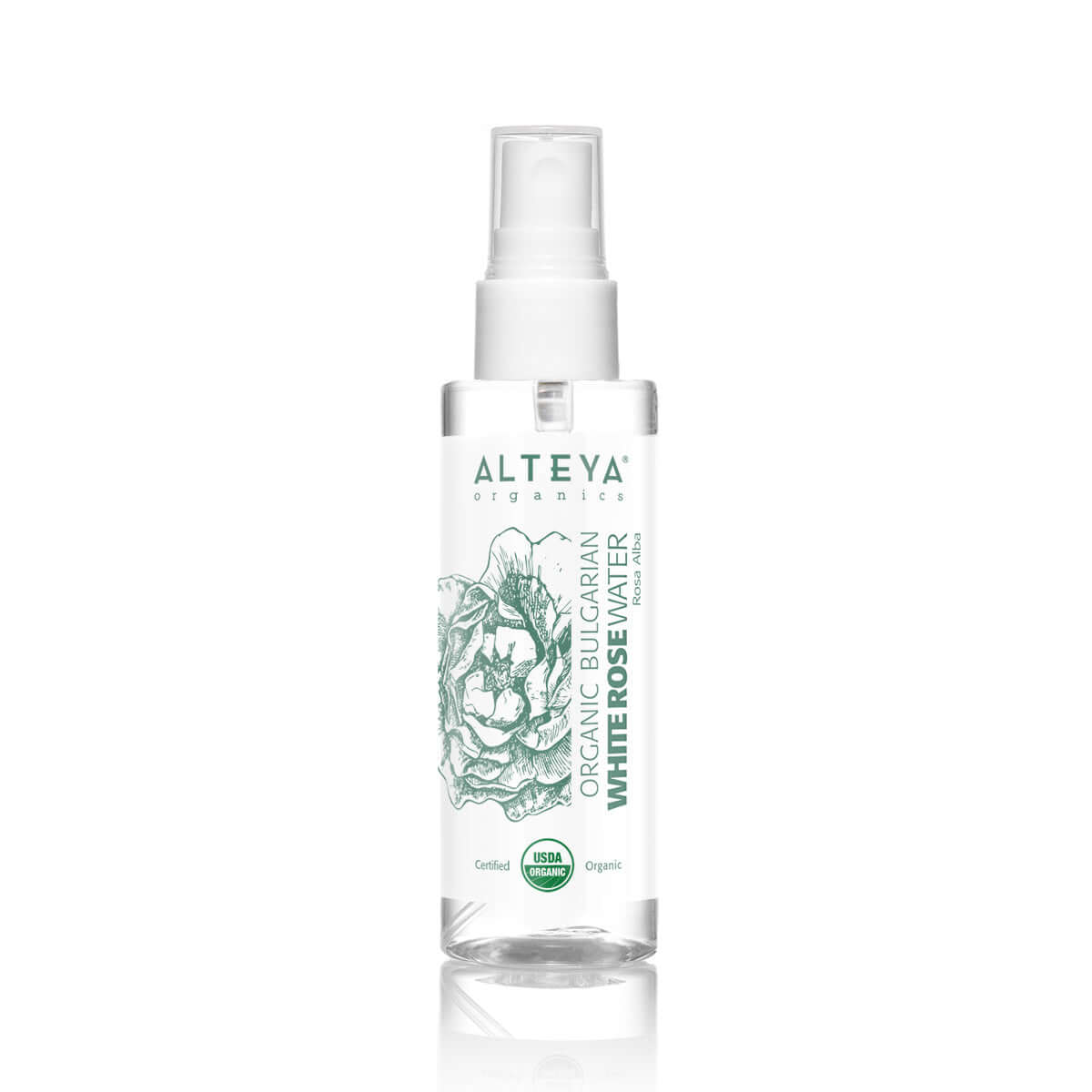
Dry skin lacks both lipids and water-binding capacity. A flower water for this skin type must deliver hydration without stripping the lipid layer or leaving a tight, uncomfortable finish. Rosa Alba — distilled from the rare white rose variety grown on Alteya's certified organic fields — is the most moisturising of the four hydrosols.

Why Rosa Alba Works for Dry Skin

Rosa Alba water has a lighter, more delicate floral profile than Rosa Damascena, with a higher ratio of geraniol and nerol — compounds associated with skin-soothing and moisture-retention properties. Its pH is skin-compatible (typically 4.5–5.5), which means it supports the acid mantle rather than disrupting it. Applied immediately after cleansing, it helps the skin stay receptive to the moisturiser or facial oil applied next.

Dry Skin Routine with Rosa Alba 

Start with a gentle cleanser to remove impurities without stripping the skin of its natural moisture. Rinse with lukewarm water and gently pat dry, leaving the skin slightly damp.

In winter months, customers with very dry skin report the best results when they layer Rosa Alba Water twice — a first mist immediately after cleansing, a 30-second wait, then a second mist before applying serum. This double-mist step builds a deeper hydration base before occlusive products are applied.
The Best Flower Water for Oily and Combination Skin: Rosa Centifolia and Melissa

Oily and combination skin needs a toner that refines pores, controls excess sebum, and refreshes without adding heaviness. Two flower waters work particularly well here — often used in combination or at different points in the day.

Rosa Centifolia for Combination Skin

Rosa Centifolia — the cabbage rose — has a higher phenylethanol content than Rosa Damascena, which gives it mild astringent and pore-refining properties. The sweet, powdery aromatic profile is distinct from standard rose water and makes it ideal for those who find the classic Damascus rose fragrance too heavy. Applied with a cotton pad after cleansing, it helps even out the T-zone without over-drying the drier areas of a combination complexion.

Melissa Water for Oily and Acne-Prone Skin

Melissa officinalis — lemon balm — produces a hydrosol rich in citral and citronellal. These compounds give Melissa water its characteristic fresh, lemony scent and contribute to its refreshing, tightening feel. Melissa water is well-suited to skin that is consistently oily, congested, or prone to breakouts: it tones the surface, visibly minimises the appearance of enlarged pores, and delivers a refreshing, clean finish without alcohol.

For combination skin that tends oily in the T-zone: use Melissa Water on the forehead, nose, and chin; Rosa Centifolia on drier areas. Apply with a cotton pad rather than a spray for greater precision.

The Best Flower Water for Sensitive and Reactive Skin: Rosa Damascena

Sensitive skin reacts to synthetic fragrance, alcohol, and harsh astringents. Rosa Damascena is the most thoroughly documented of the four hydrosols for skin-compatible, low-irritation toning. As the flagship Alteya Organics variety, it holds USDA Organic, NATRUE, and EU Organic certifications — which means every batch is grown without synthetic pesticides, harvested by hand, and distilled within hours of picking.

Rosa Damascena water contains citronellol and geraniol at concentrations that are high enough to deliver a genuine botanical effect, but within the hydrosol's naturally gentle water matrix. There is no alcohol, no synthetic fragrance, and no preservatives. For people who have previously reacted to alcohol-based toners or heavily fragranced formulas, Rosa Damascena hydrosol is a reliable starting point.

How to Patch Test a New Flower Water 

Apply a small amount of the flower water to a clean, dry area of skin on
your inner forearm. Allow it to dry naturally without rubbing.

The Best Flower Water for Mature and Dull Skin: Rosa Damascena and Rosa Alba Combined

Mature skin often presents with multiple concerns simultaneously: reduced elasticity, uneven tone, dehydration, and increased sensitivity. A single flower water is rarely sufficient — the most effective approach combines Rosa Damascena for antioxidant-rich toning and Rosa Alba for deep hydration and softening.

Rosa Damascena water contains damascenone — one of the most complex aromatic molecules in the rose — alongside a broad range of antioxidant-associated volatile compounds that have been the subject of cosmetic research for their skin-conditioning properties. Rosa Alba adds moisture-binding compounds that help skin look plumper and support a softer, more supple texture over time.

Morning and Evening Routine for Mature Skin 

Begin your morning routine with a gentle cleanser. Mist Rosa Damascena Water evenly over your face and neck to refresh, soothe, and prepare your skin for the next steps.

Seasonal Adjustments: Which Flower Water to Use in Summer vs Winter

Skin behaviour shifts with the seasons. The humidity, temperature, and UV index of summer create different needs than the dry indoor air and cold wind of winter. Adjusting your flower water choice seasonally — or using different waters in the morning versus the evening — is a simple way to keep your routine calibrated.

Seasonal Flower Water Routine Comparison
Comparison of morning and evening flower water choices by season and skin condition, including the reasons for each recommendation.

Season / Condition

Morning Choice

Evening Choice

Why

Summer / humid

Morning Choice

Melissa Water

Evening Choice

Rosa Damascena

Why

Melissa helps control the look of shine and refreshes in heat; Rosa Damascena feels cooling and refreshing after a day outdoors.

Summer / acne-prone

Morning Choice

Melissa Water

Evening Choice

Rosa Centifolia

Why

Both help minimise the look of pores; avoid heavier hydrosols in high humidity.

Winter / dry indoor air

Morning Choice

Rosa Alba

Evening Choice

Rosa Alba + Rosa Damascena

Why

Double moisture hit to counteract heating system dehydration.

Autumn / transitional skin

Morning Choice

Rosa Centifolia

Evening Choice

Rosa Damascena

Why

Combination skin rebalances during seasonal transition; Centifolia for daytime T-Zone control.

Year-round / sensitive

Morning Choice

Rosa Damascena

Evening Choice

Rosa Damascena

Why

Most universally tolerated; introduce variation only once baseline is stable.

How to Layer Flower Waters with Serums, Oils, and Moisturisers 

Begin with a gentle cleanser suited to your skin type. Thoroughly remove makeup,
sunscreen, excess oil, and daily impurities. Rinse with lukewarm water and
gently pat your skin dry, leaving it slightly damp.

One note on application method: a cotton pad gives more control and a slightly more thorough toning effect; a mist spray is faster and works well over makeup for mid-day refresh. Both are effective as part of a morning or evening routine.

FREQUENTLY ASKED QUESTIONS

Yes. Applying different flower waters to different facial zones is an effective approach for combination skin. Use a cotton pad for precision: Rosa Centifolia or Melissa Water on oily areas, Rosa Damascena or Rosa Alba on drier, more sensitive zones. There are no known interactions between Alteya's certified organic hydrosols — each is a single-ingredient distillate.

Article: The Best Botanical Flower Waters for Every Skin Type

skincare

The Best Botanical Flower Waters for Every Skin Type

A botanical flower water — also called a floral hydrosol or distillate water — is the water-phase co-product of steam distillation. When steam passes through fresh botanical material, it carries water-soluble aromatic compounds from the plant. As this steam condenses, it separates into two layers: the concentrated essential oil on top, and the hydrosol below. The hydrosol retains the full water-soluble aromatic signature of the plant at a gentle, skin-compatible concentration.

Leave a comment

This site is protected by hCaptcha and the hCaptcha Privacy Policy and Terms of Service apply.

Read more

Helichrysum Essential Oil and Helichrysum Water
skincare

Helichrysum Essential Oil and Helichrysum Water: Benefits, Uses, and How to Choose

Helichrysum essential oil and helichrysum water (hydrosol) are both derived from Helichrysum italicum, a Mediterranean flowering plant known as 'everlasting' or 'immortelle' for its dried flowers' ...

Read more
How to Use Organic Face Oils
skincare

How to Use Organic Face Oils in Your Skincare Routine

The fear of putting oil on your face is understandable. Decades of oil-free marketing convinced an entire generation that facial oils cause breakouts. The reality is more specific: it depends entir...

Read more