Skip to content
Utility Bar – Alteya

Cart

Your cart is empty

flower waters what they are-desktop banner

Flower Waters: What They Are, What Each One Does, and How to Build a Daily Ritual Around Them

A floral hydrosol — commonly called a flower water — is the aromatic water produced when fresh botanical material is steam-distilled. It is the water-soluble counterpart to an essential oil: when steam passes through the plant, it captures both oil-soluble and water-soluble compounds. The oil separates on cooling; the hydrosol remains. It carries a distinct aromatic and bioactive profile from the same plant but in a gentler, water-based form suited to direct daily use on skin and hair.

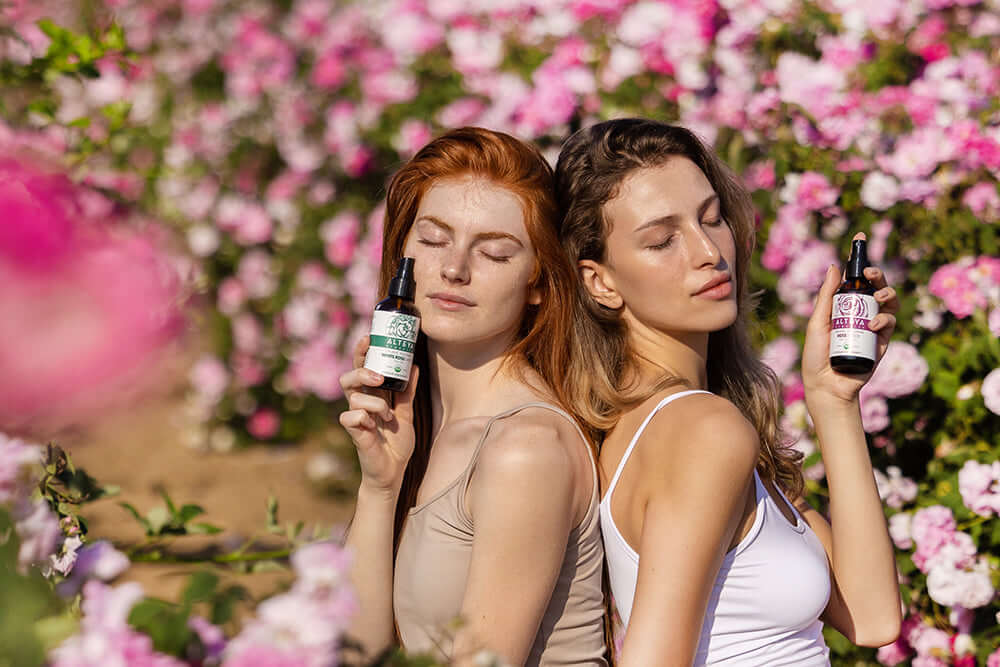
Alteya Organics, a Bulgarian family-owned brand with USDA Certified Organic, NATRUE Certified, and EU Organic Certified status, produces a variety of certified organic flower waters from its own distillery in Bulgaria's Rose Valley - each is a single-ingredient steam-distilled hydrosol - no additives, no alcohol, no synthetic fragrance. This guide covers a selection of 3 flower waters (Rosa Damascena (Pink Rose), Rosa Alba (White Rose) and Lavender), what each one does, how they differ from their essential oil counterparts, and how to integrate them into a daily routine.

Flower Water vs Essential Oil: What Is the Difference?

Flower waters and essential oils come from the same distillation process but are different products with different compositions, concentrations, and appropriate uses.

Flower Water vs Essential Oil Comparison
Comparison between flower water hydrosols and essential oils

Flower Water (Hydrosol)

Essential Oil

What it is

Flower Water (Hydrosol)

Water-soluble aromatic compounds from steam distillation

Essential Oil

Oil-soluble aromatic compounds — the concentrated volatile fraction

Concentration

Flower Water (Hydrosol)

Dilute — traces of aromatic compounds suspended in water

Essential Oil

Highly concentrated — requires dilution before skin contact

Active compounds

Flower Water (Hydrosol)

Water-soluble phenylethanol, organic acids, terpene alcohols

Essential Oil

High concentration of terpenes, esters, alcohols, aldehydes

How to use

Flower Water (Hydrosol)

Applied directly to skin, hair, or food — no dilution needed

Essential Oil

Must be diluted in a carrier oil before skin application; used in drops

Shelf life

Flower Water (Hydrosol)

Up to 24 months unopened; store in a cool, dry place and refrigerate after opening if needed

Essential Oil

2–5 years; stable at room temperature when protected from light

Primary use

Flower Water (Hydrosol)

Daily toner, facial mist, hair rinse, culinary ingredient

Essential Oil

Aromatherapy, concentrated skincare treatments, perfumery

Alteya examples

Flower Water (Hydrosol)

Rosa Damascena Water, Rosa Alba Water, Rosa Centifolia Water, Lavender Water, Chamomile Water

Essential Oil

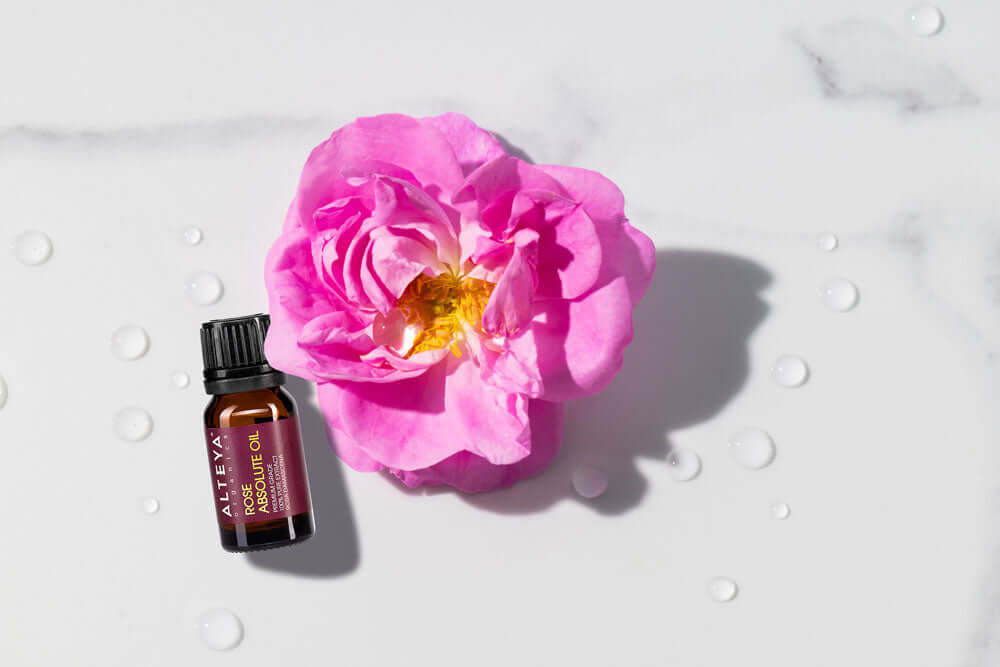
Bulgarian Rose Otto (Rose Oil), Lavender Oil

The practical implication: flower waters are the everyday-use format. They are gentle enough for direct application to sensitive skin, the eye area, and hair without dilution. Essential oils are precision tools - potent, effective in tiny quantities, and unsuitable for direct undiluted skin contact in most cases.

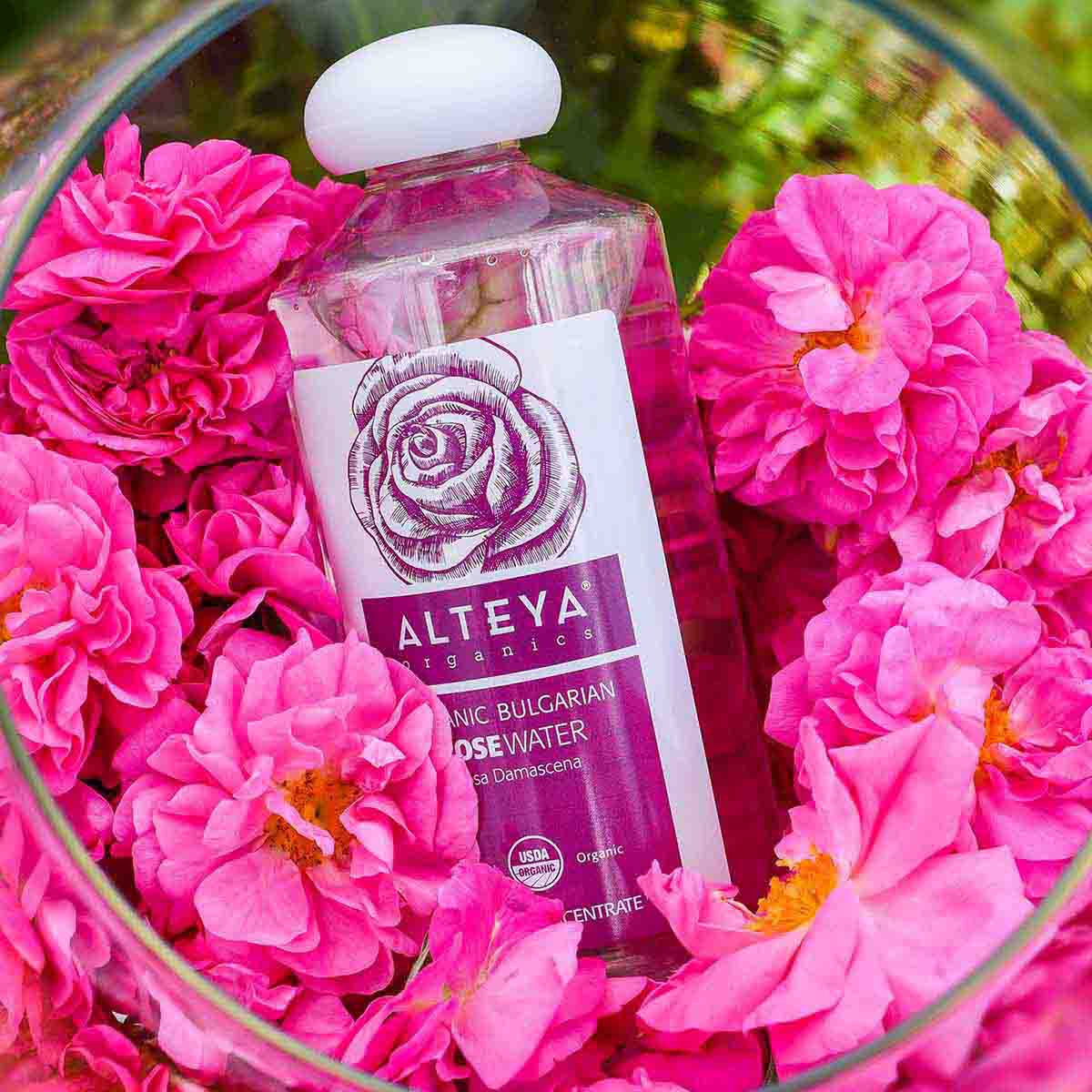
Rosa Damascena Flower Water (Pink Rose Water)

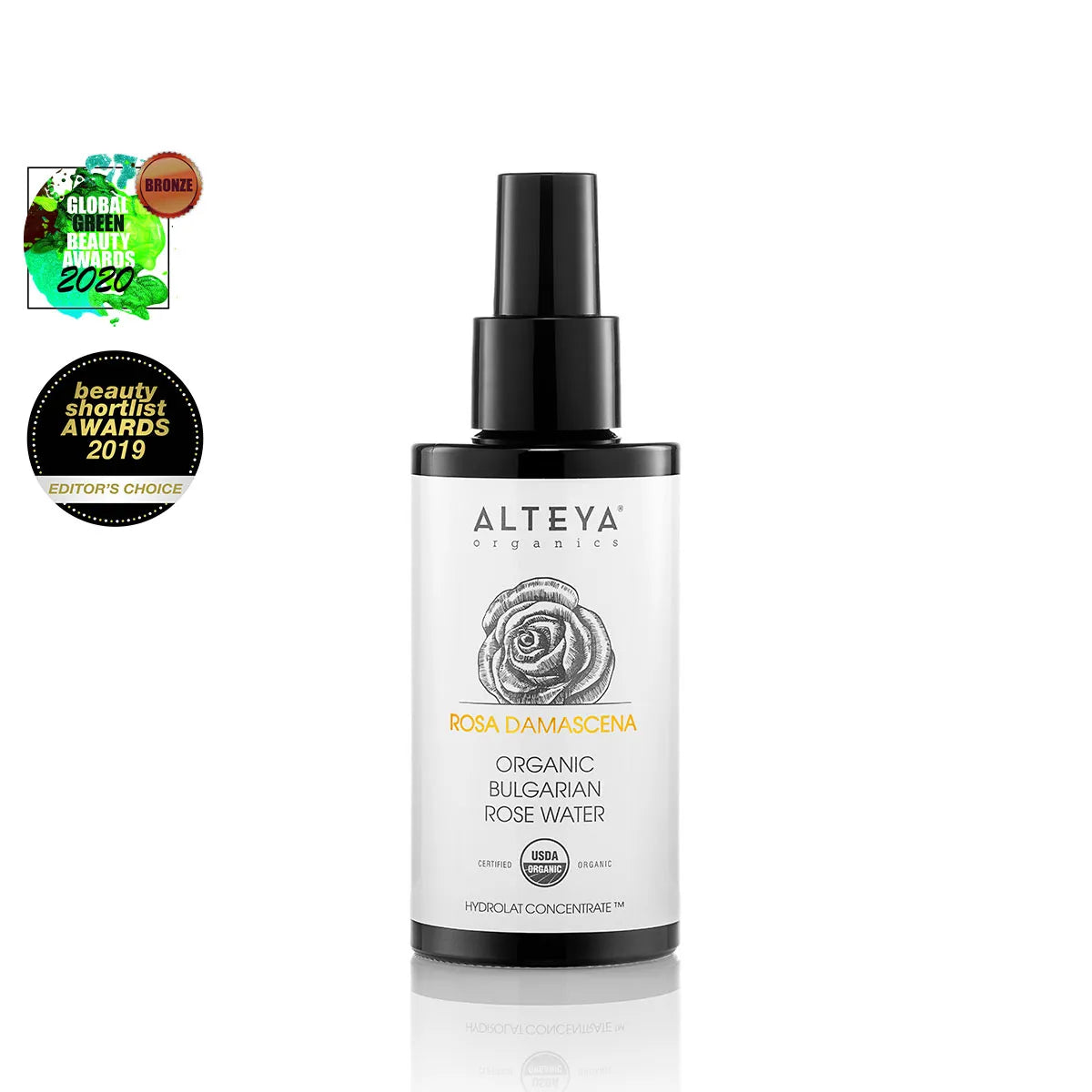
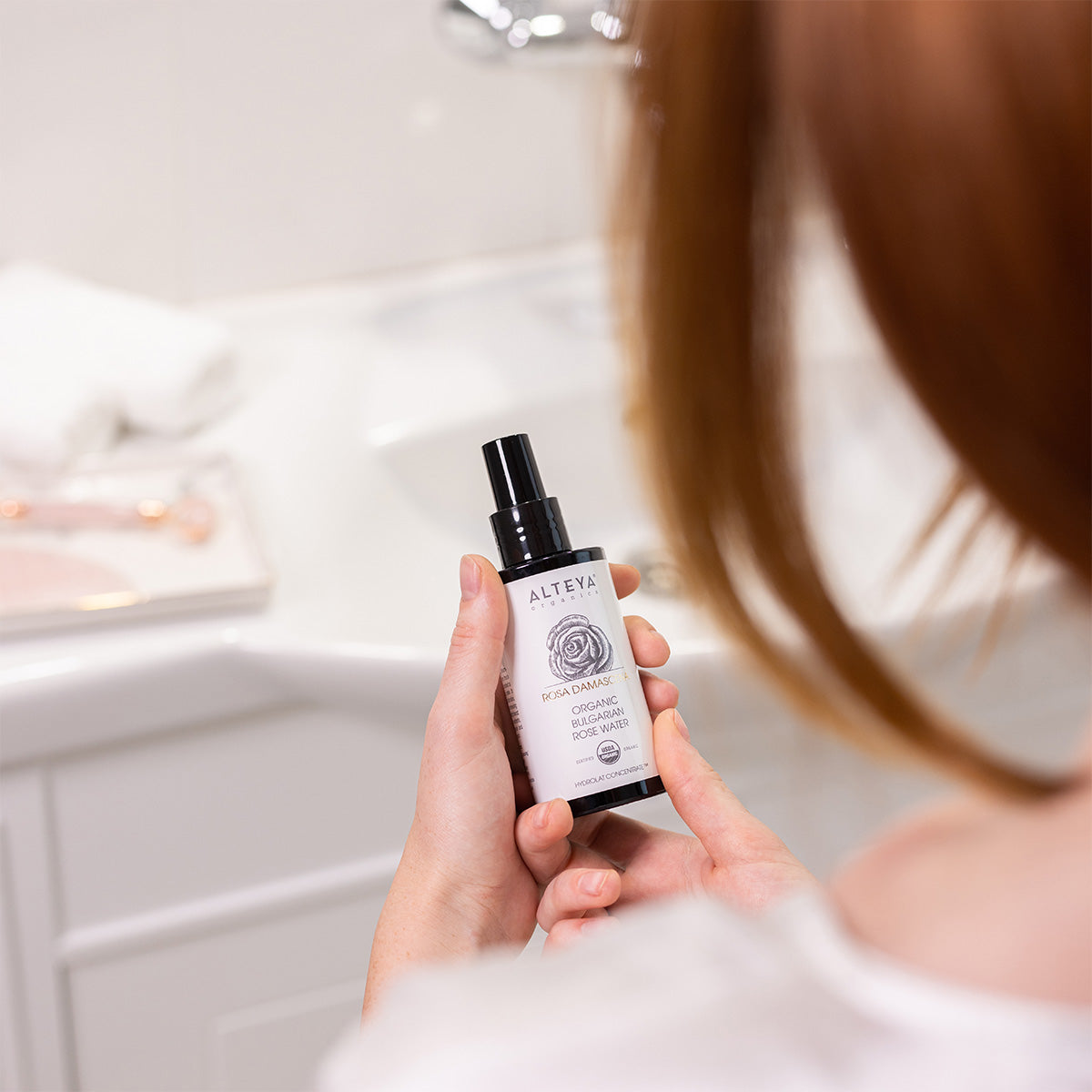
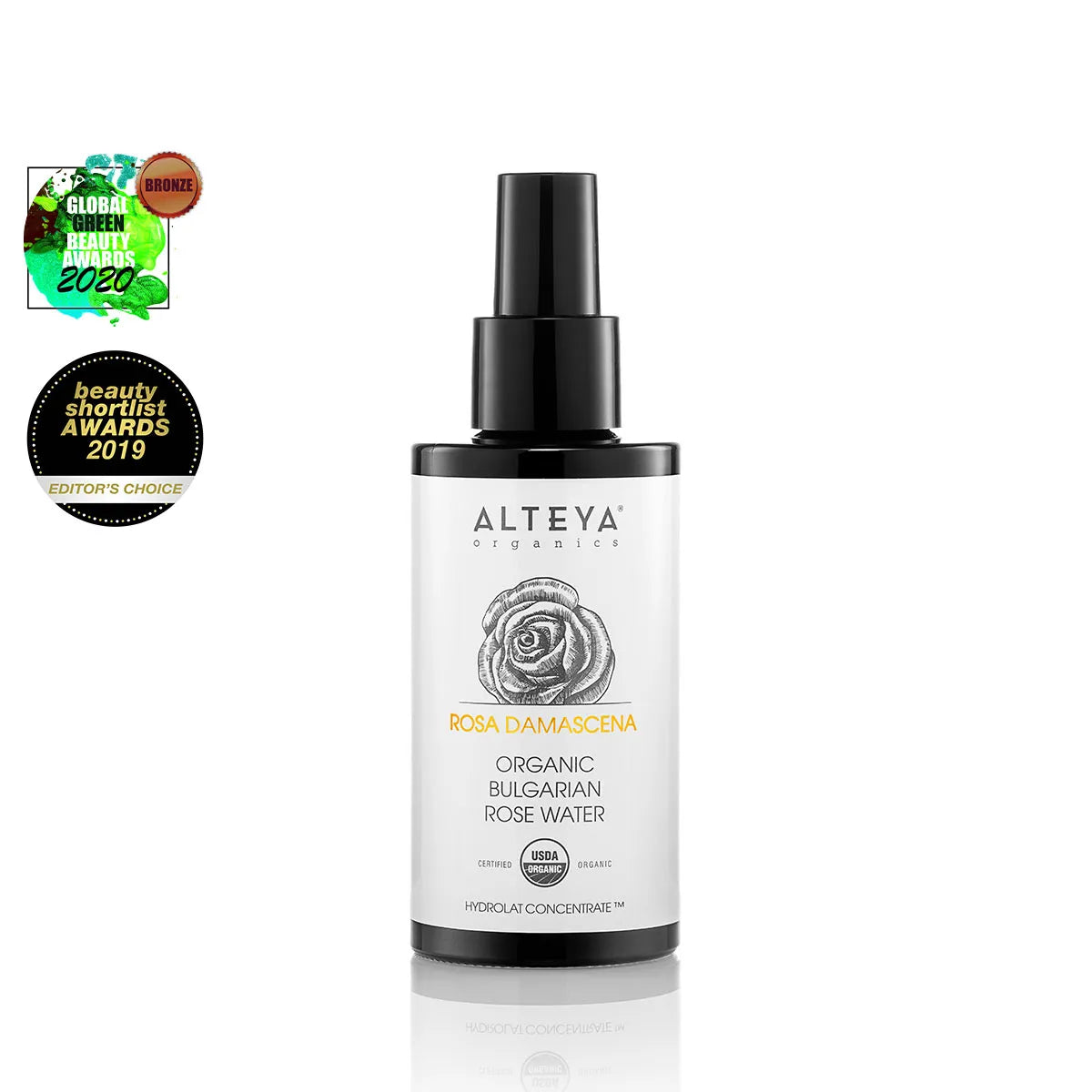
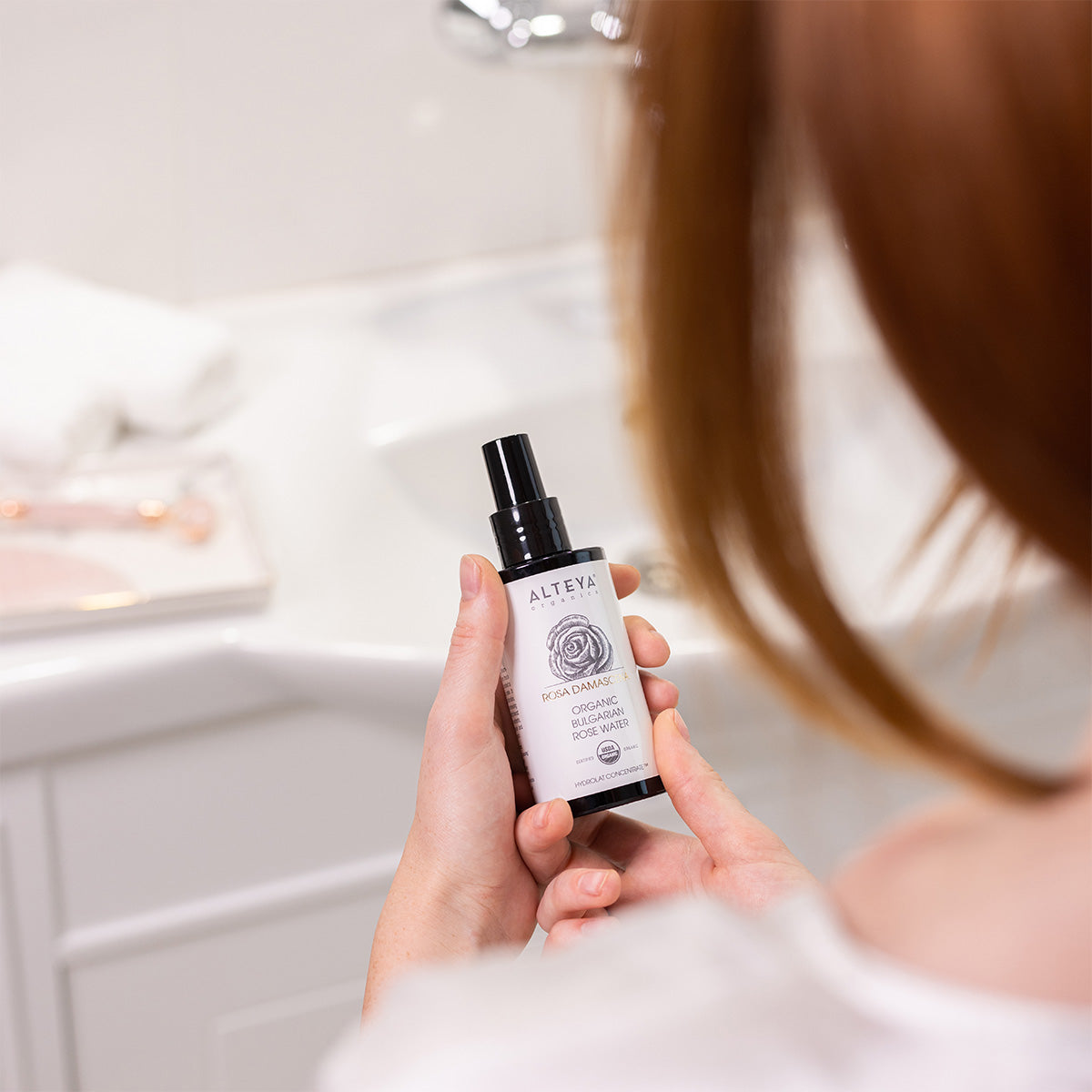
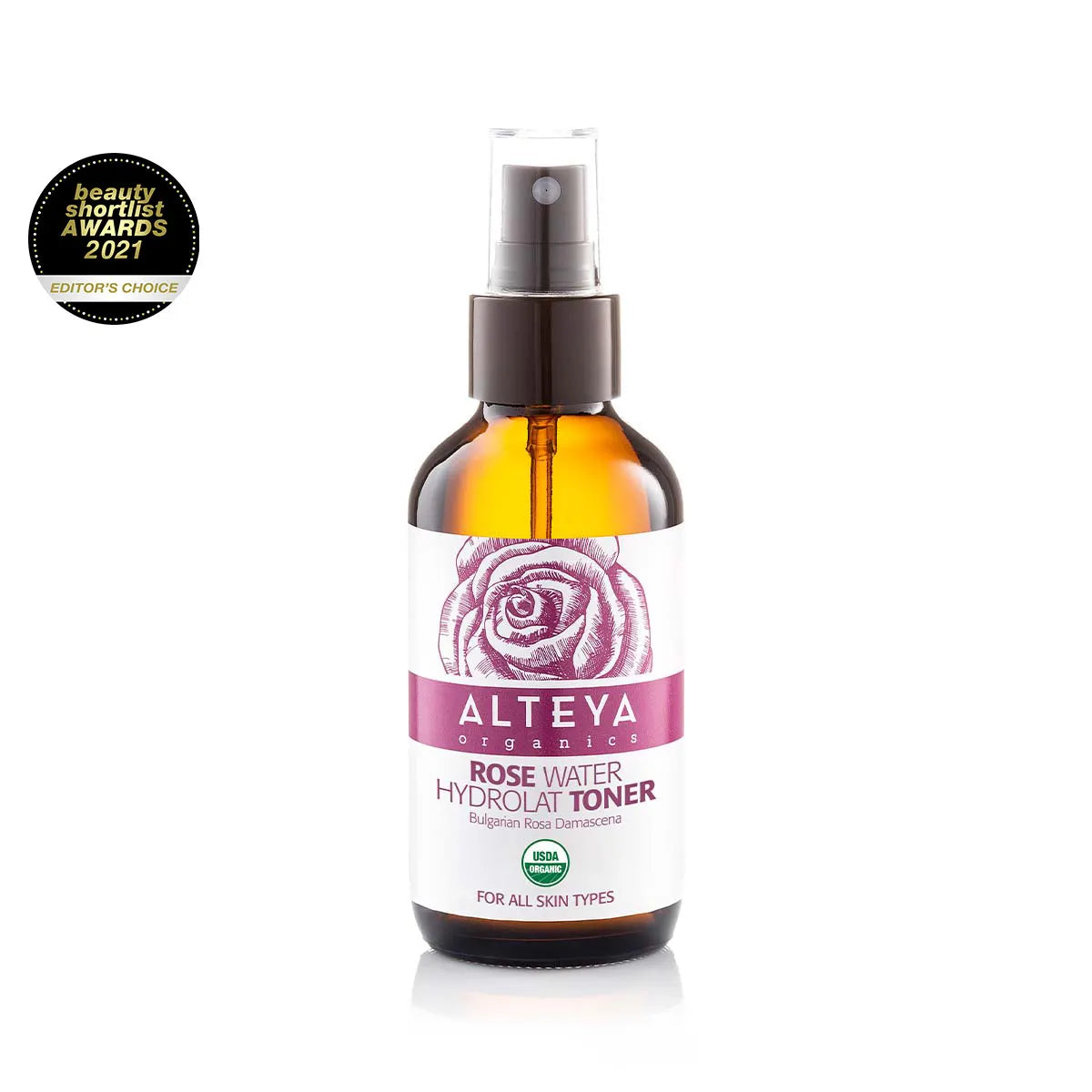
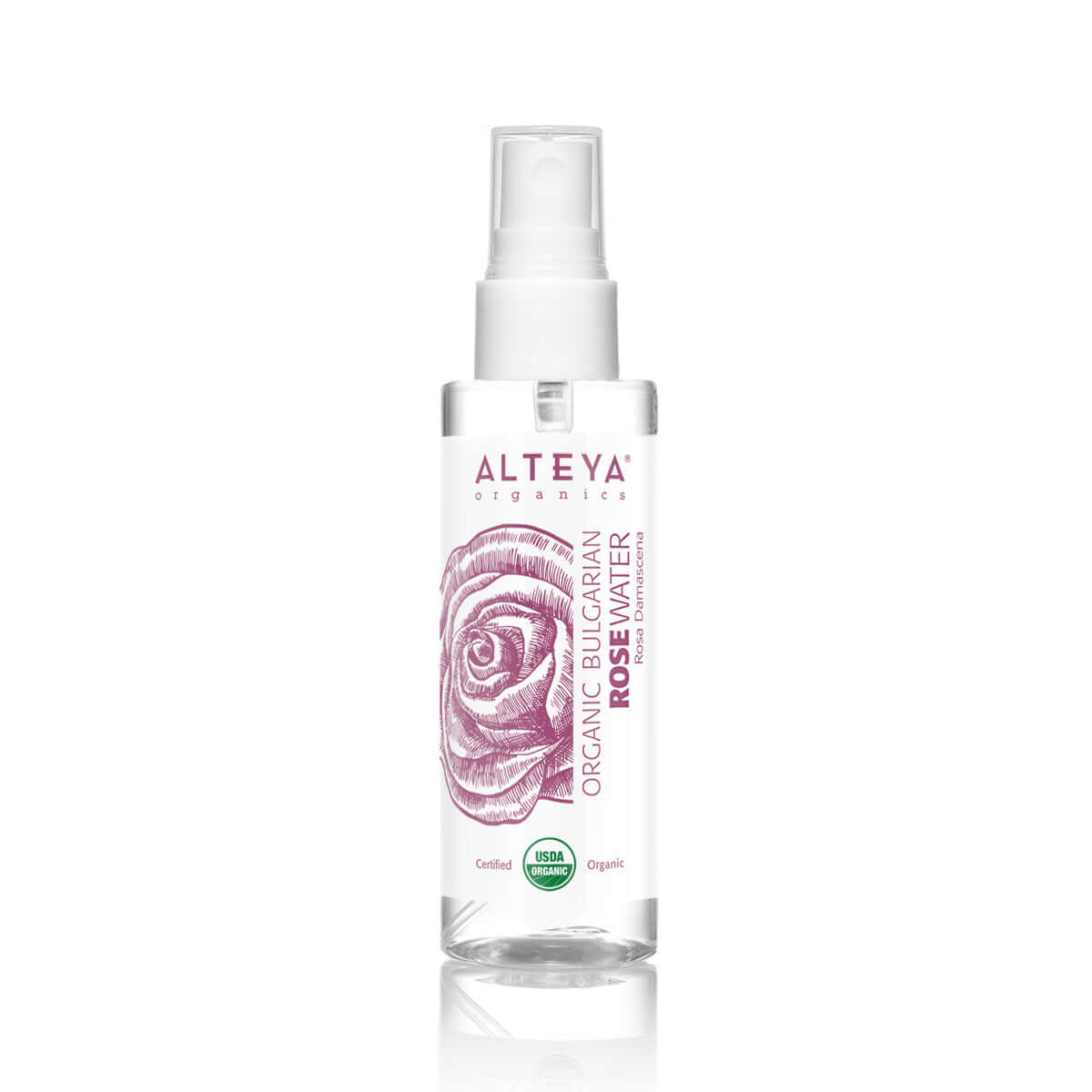
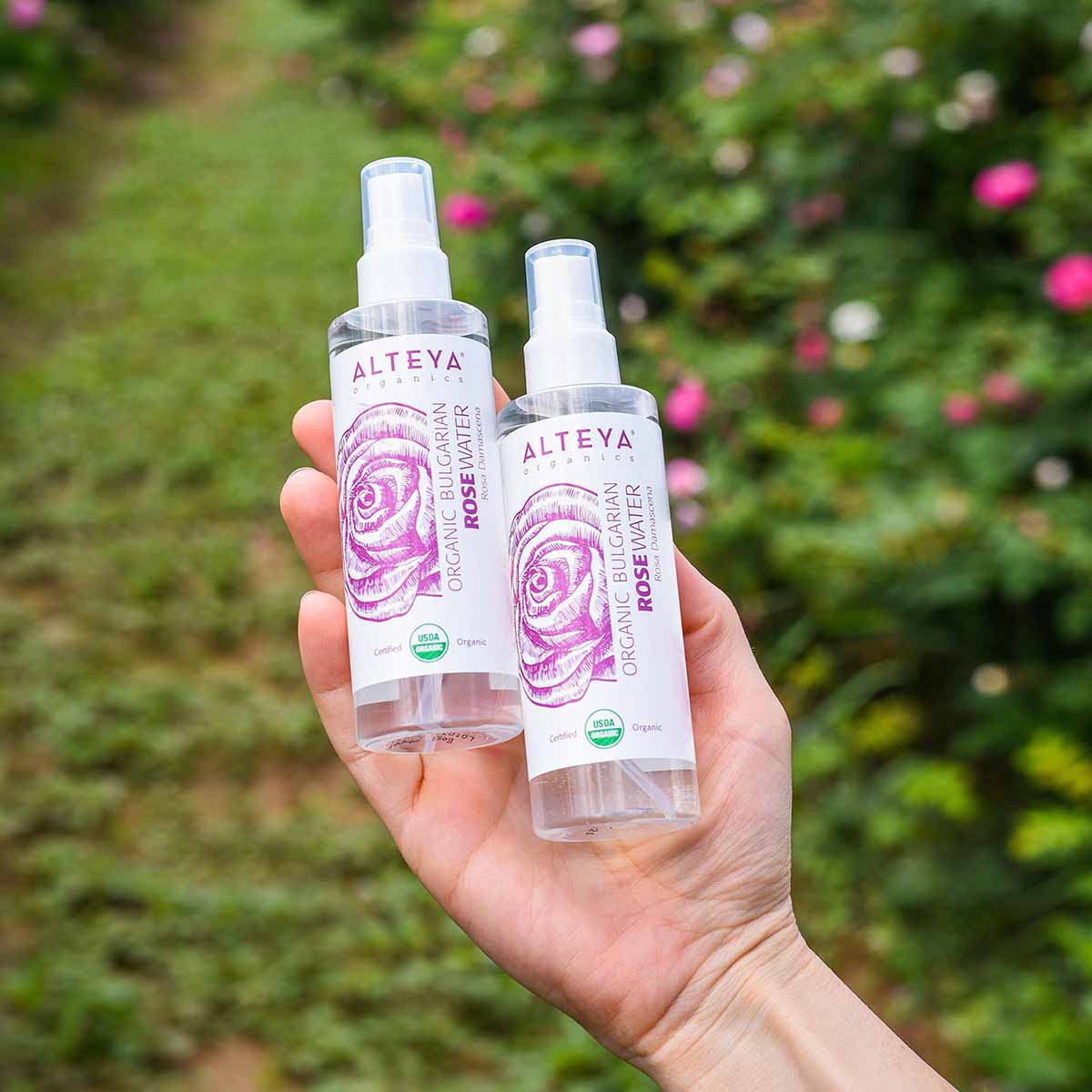
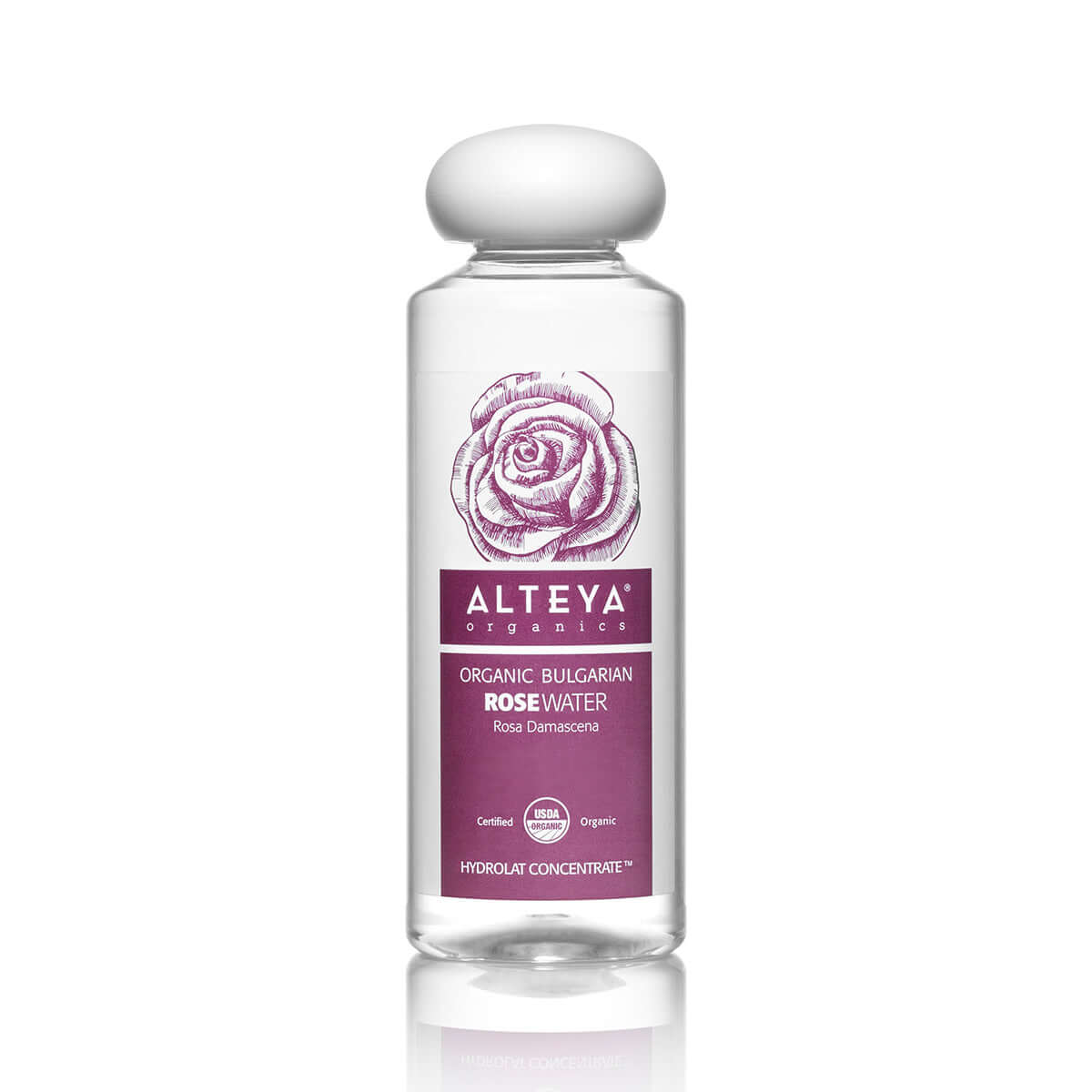
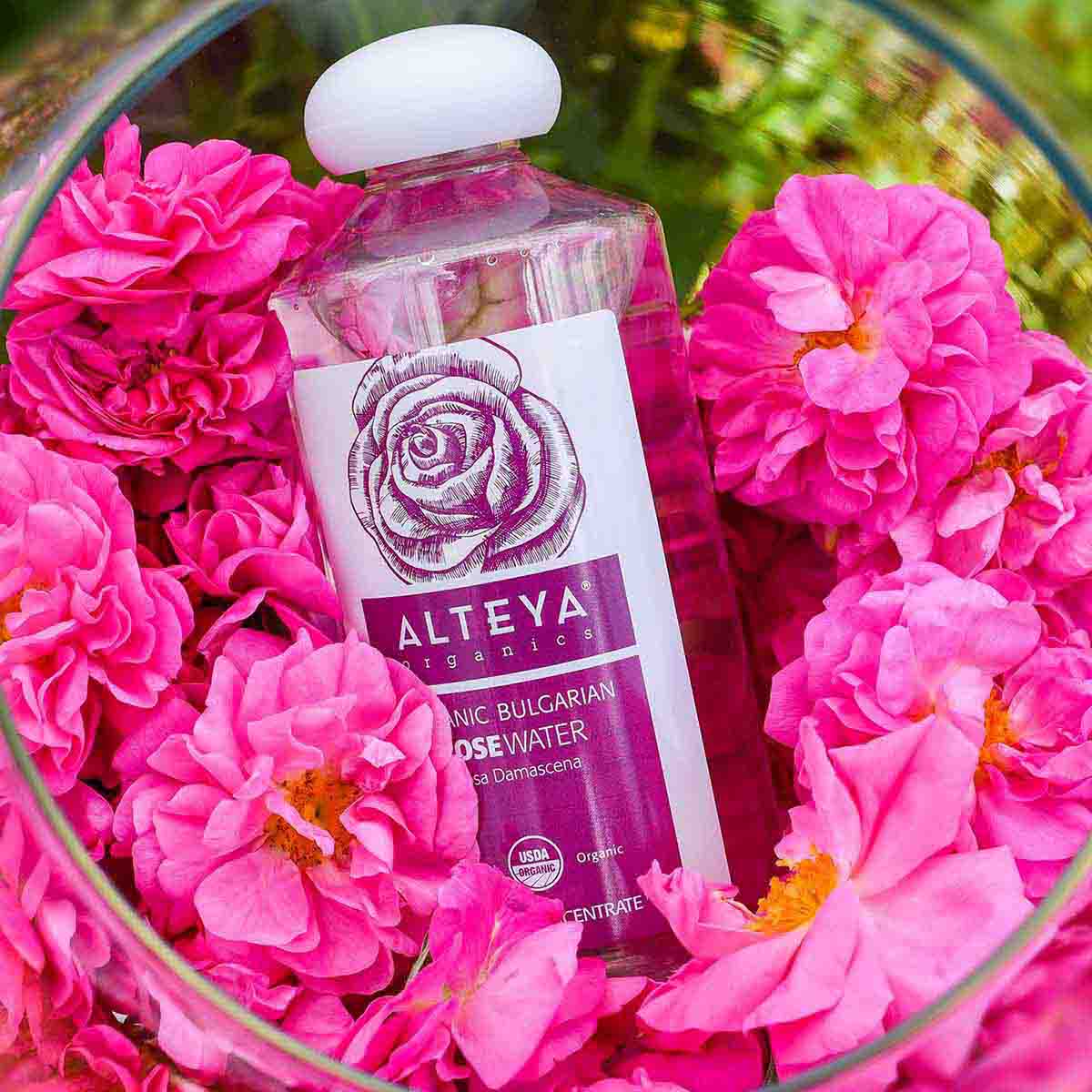
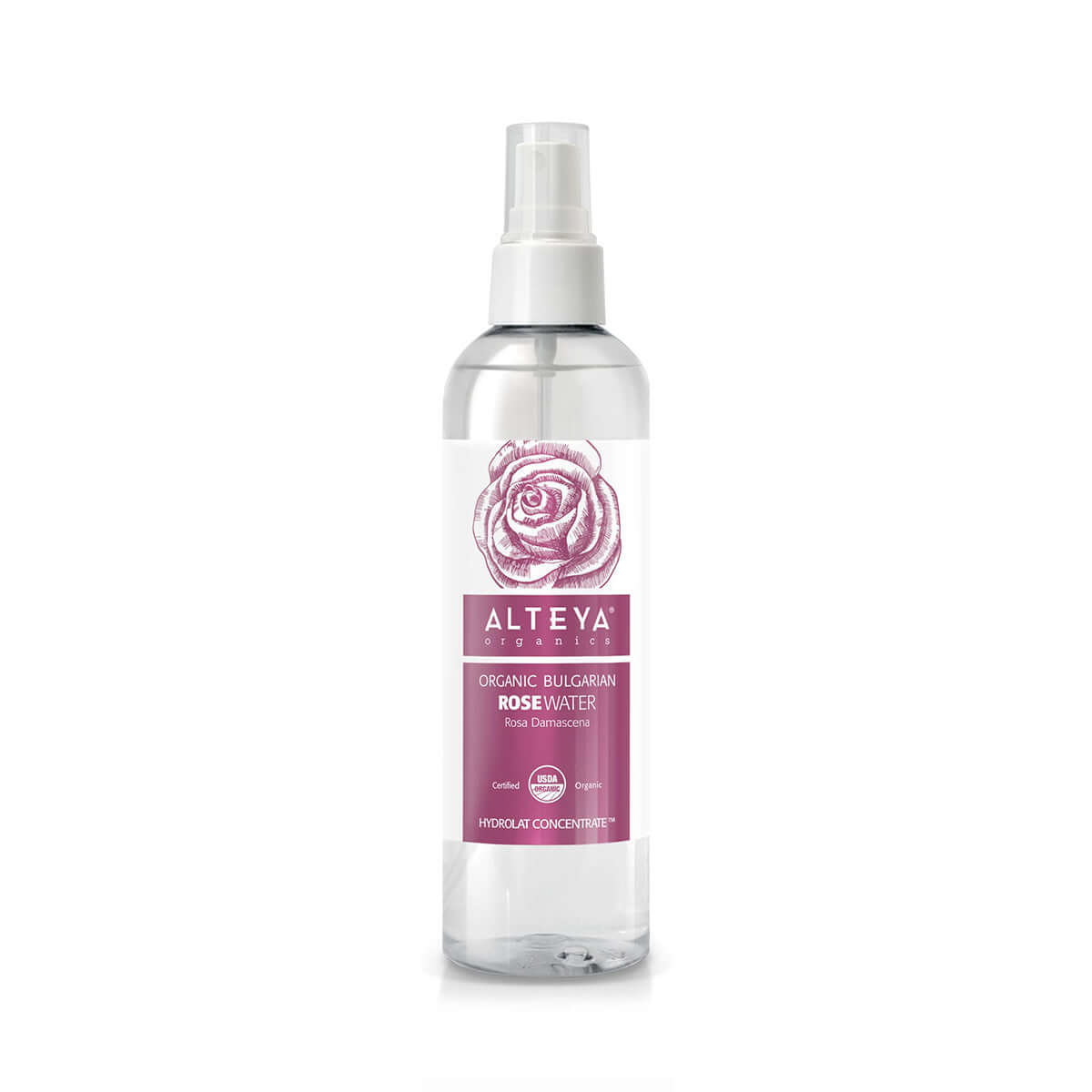
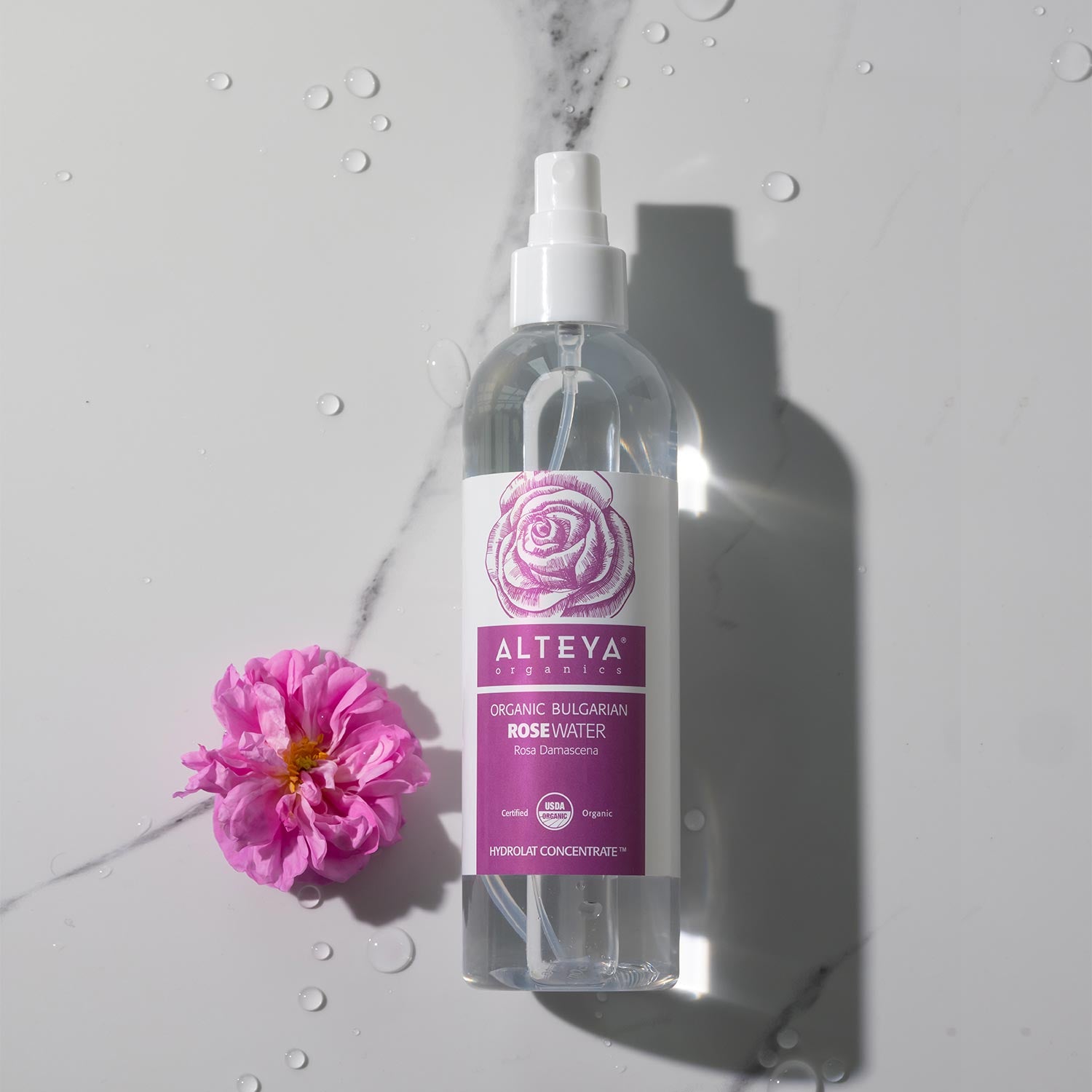
Rosa Damascena flower water - steam-distilled from fresh Damask rose petals grown in Bulgaria's Rose Valley - is the most widely used floral hydrosol in skincare. Its water-soluble compounds, including phenylethanol and citronellol, give it mild anti-inflammatory and antiseptic properties that make it effective as a daily facial toner, post-cleanse pH restorer, and mid-day skin refresher across all skin types. The rose that it’s made of - Rosa Damascena - is the well-known Bulgarian oil-bearing rose.

Skin benefits

• pH restoration after cleansing: Tap water (pH 7-8) and most cleansers temporarily raise skin pH above its natural 4.5-5.5 range. Applying rose water immediately after cleansing while skin is still damp restores this balance within seconds and improves the absorption of whatever is applied next.

• Anti-inflammatory and anti-acne: Phenylethanol and citronellol in Rosa Damascena hydrosol have scientifically researched and commonly known mild antiseptic and anti-inflammatory properties. Applied as a toner, rose water reduces surface redness, minimises the appearance of pores, and helps prevent the bacterial conditions that contribute to acne - without stripping moisture.

• Hydration: Rose water does not moisturise in the way an oil or occlusive does, but it provides immediate surface hydration and acts as a humectant - drawing moisture toward the skin surface. Applied before a moisturizer, it creates a damp-skin window that improves how deeply the subsequent formula absorbs.

• Wound healing and skin calming: The mild antiseptic properties of Rosa Damascena water make it popular and commonly used for minor skin irritations, windburn, sunburn, and post-shaving sensitivity. For more significant irritation or wounds, seek medical advice.

Hair and body uses

Spray Rosa Damascena water through washed hair before conditioning as a botanical rinse - it adds fragrance and lightness without product weight. Mist over the body after showering or exercise for a cooling, scented refresh. Add 1-2 tablespoons to a warm bath for a botanical soak.

Culinary uses

Rosa Damascena water is food-grade and widely used in Middle Eastern and South Asian cooking. Add to desserts (panna cotta, rice pudding), teas, lemonade, or cocktails for a delicate floral note. Use sparingly - 1 teaspoon per serving is typically sufficient, as the flavour intensifies with heat.

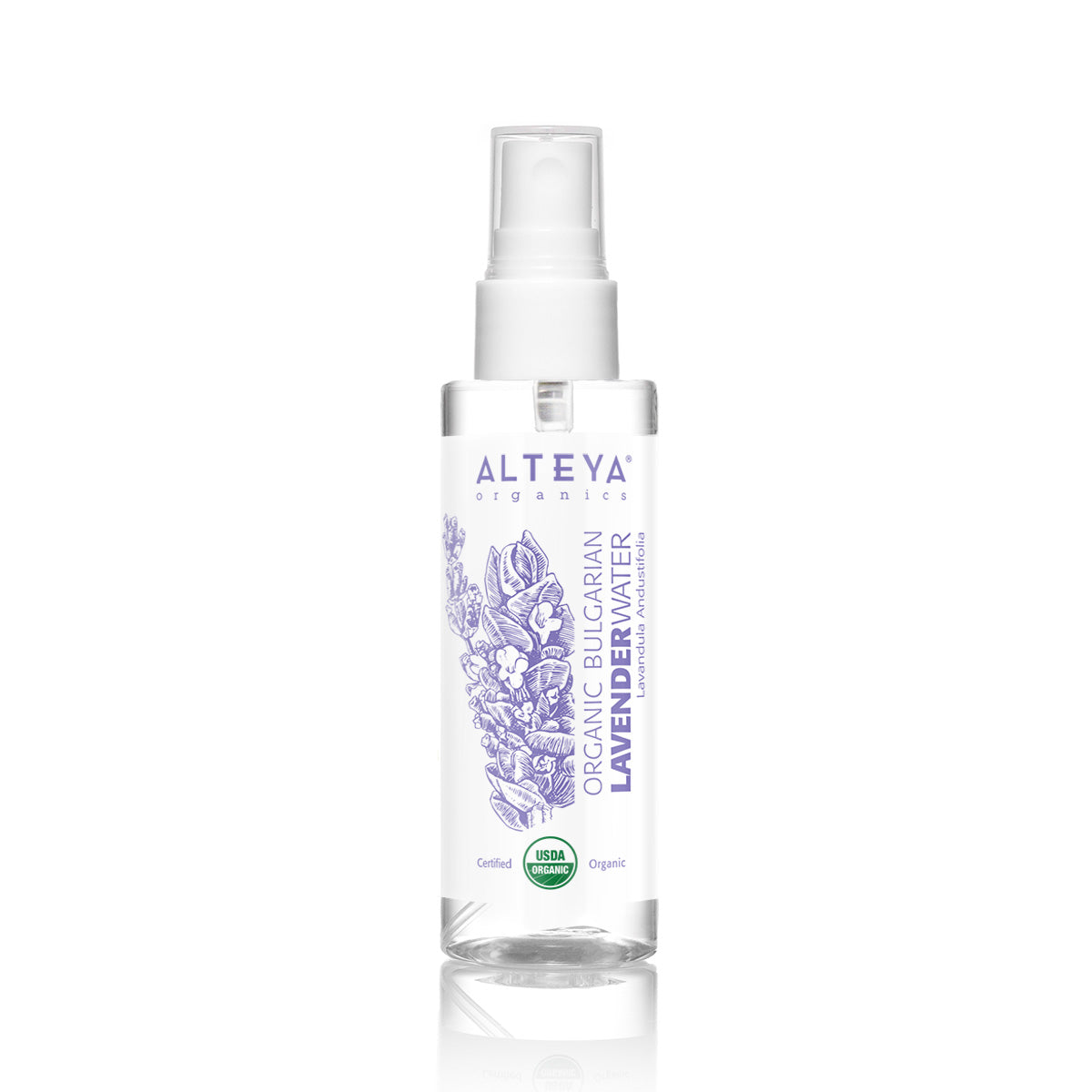
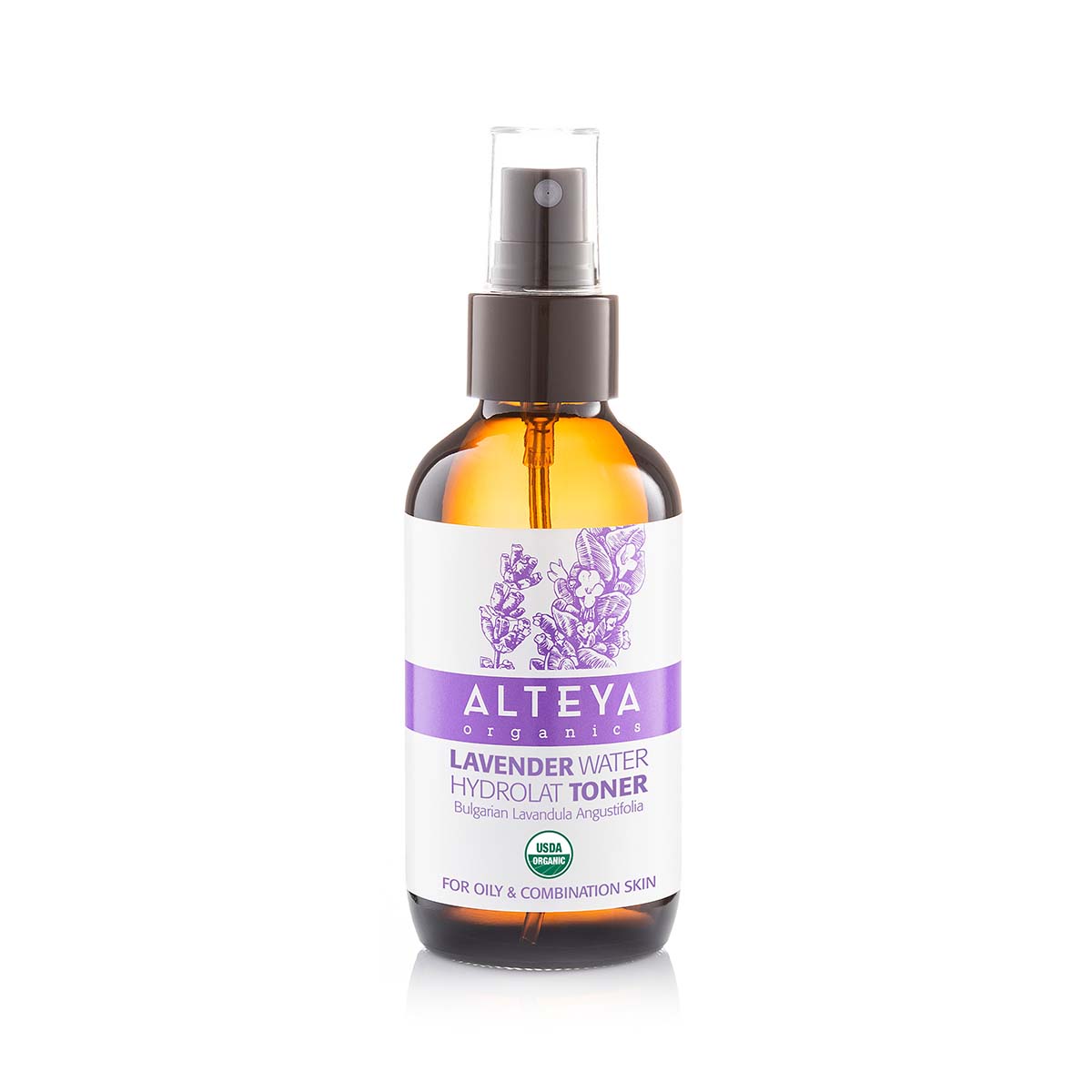
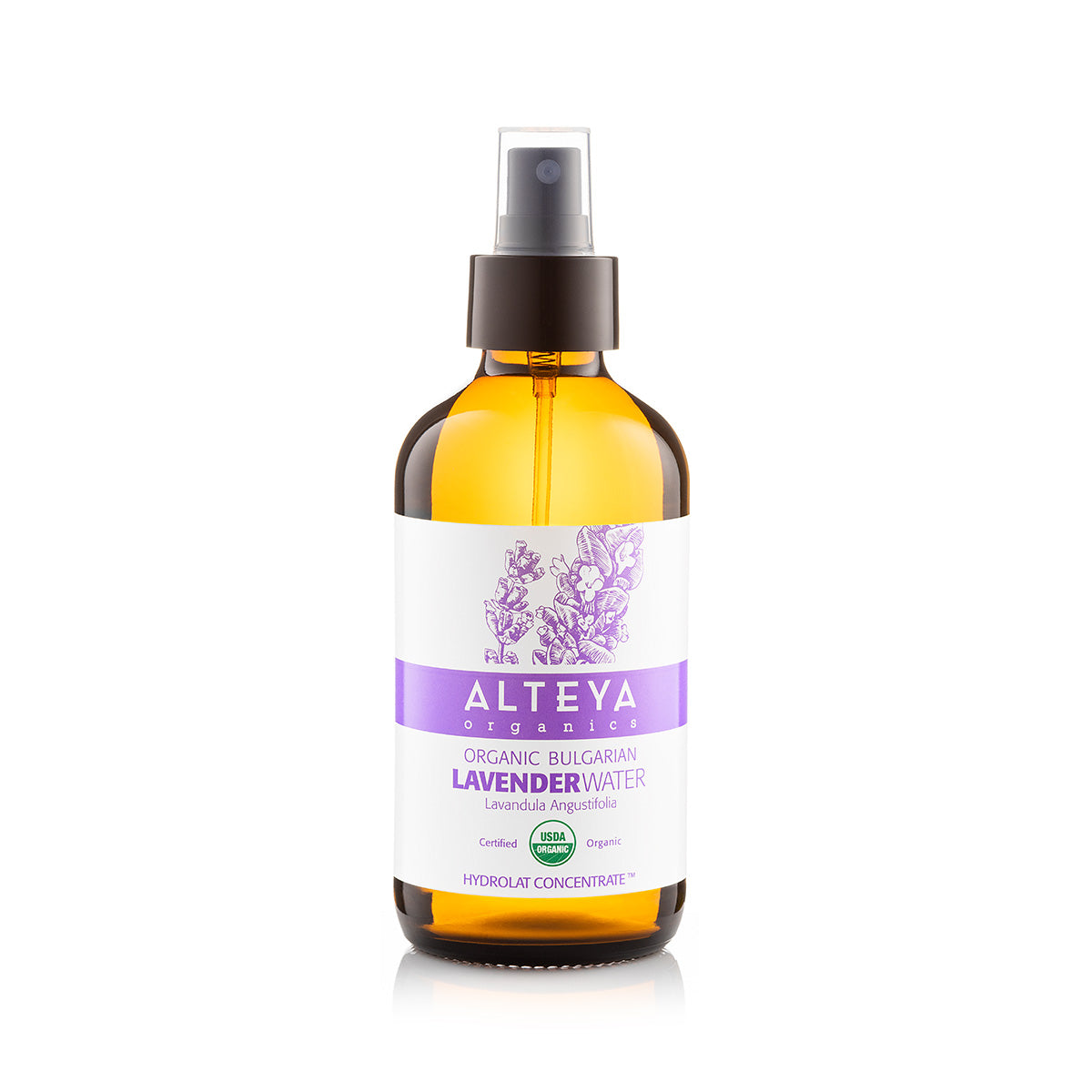
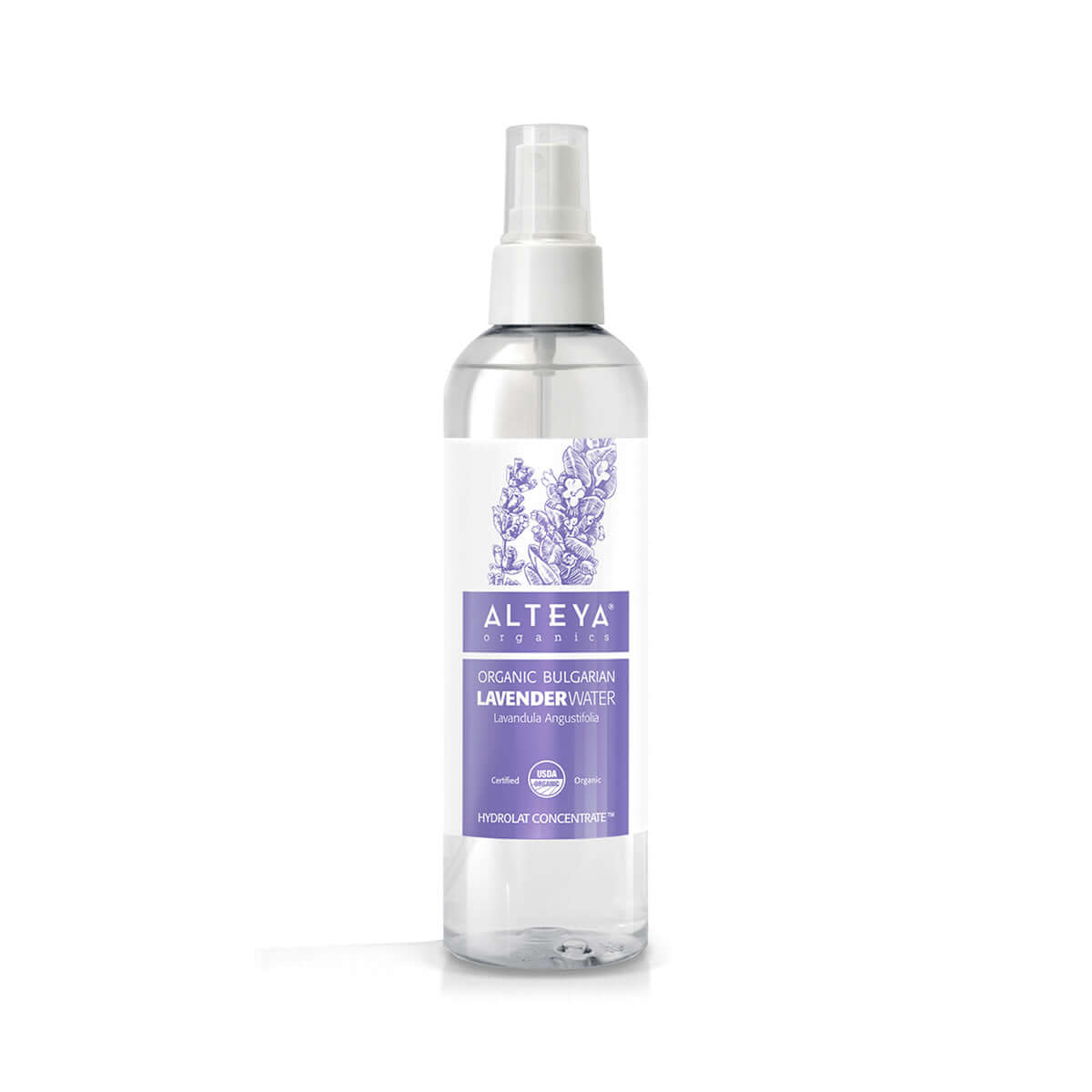
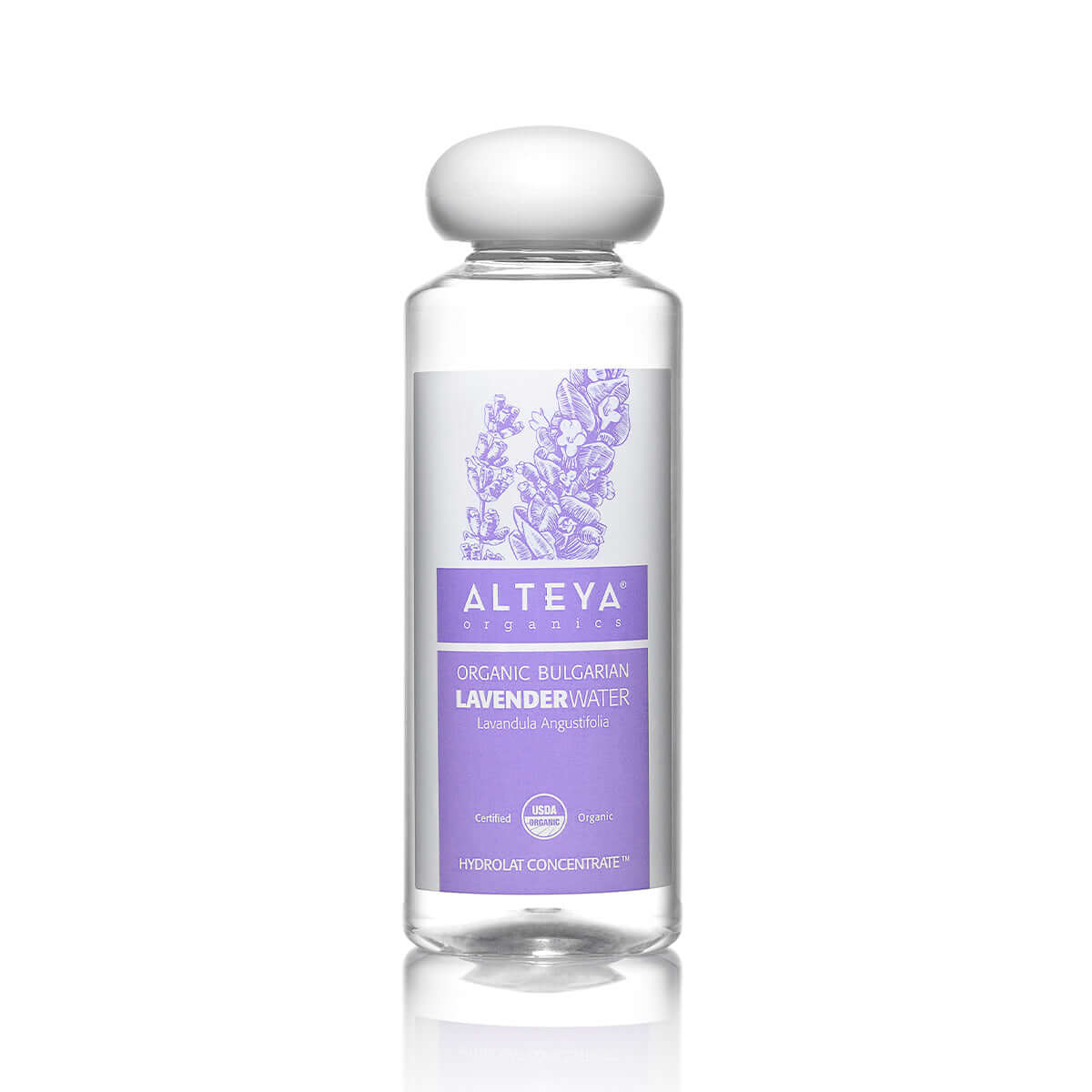
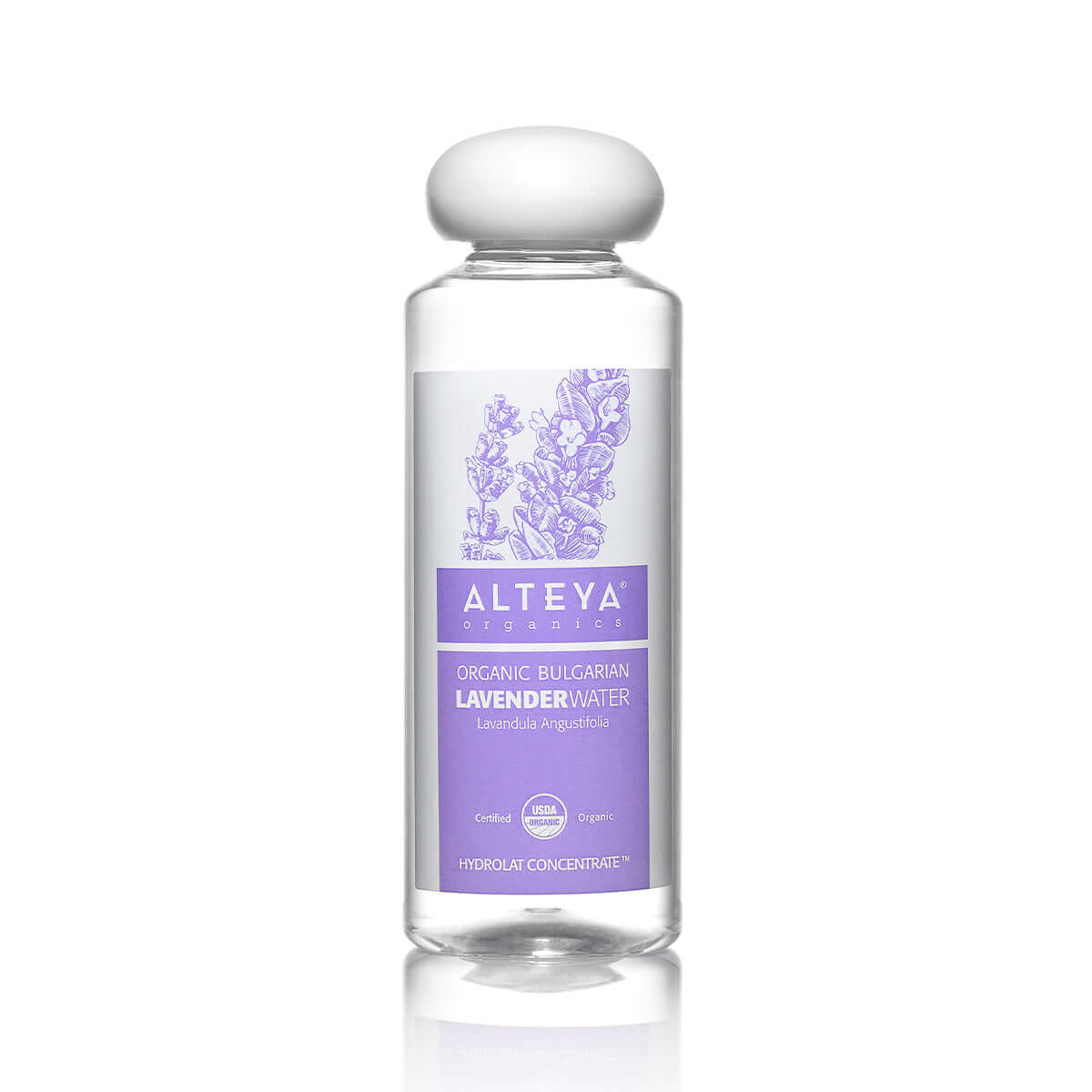
Lavender Flower Water

Lavender hydrosol is steam-distilled from Lavandula angustifolia flowers. Its two primary aromatic compounds - linalool and linalyl acetate - are the same compounds that give lavender essential oil its well-known calming and skin-soothing properties, present here in a gentler water-soluble form suited to direct daily use.

Skin benefits

• Calming and anti-inflammatory: Linalool has documented anti-inflammatory properties at the skin level. Lavender water is known to reduce surface redness and is particularly suited to sensitised, post-sun, or reactive skin. Apply with a cotton pad after cleansing or spray directly onto the face.

• Toning and pore-refining: Like rose water, lavender water mildly tones the skin surface. Its widely known antiseptic properties make it useful for oily or congestion-prone skin - it balances without stripping.

• Evening and sleep preparation: Lavender water is the most appropriate of the three hydrosols for evening use. Its aromatic compounds support a calming pre-sleep environment when misted on the face, pillow, or bed linen 10-15 minutes before sleep.

Hair and body uses

Mist through hair before bed to calm the scalp and add fragrance without product. Spray on the body after a bath or shower. Add to a diffuser bowl with warm water as an alternative to a full bath.
Culinary uses

Add lavender water to lemonade, sparkling water, or white cake batter. Use 1 teaspoon per recipe as a starting point - lavender can become overpowering at higher concentrations. Pairs well with honey, lemon, and vanilla flavours.

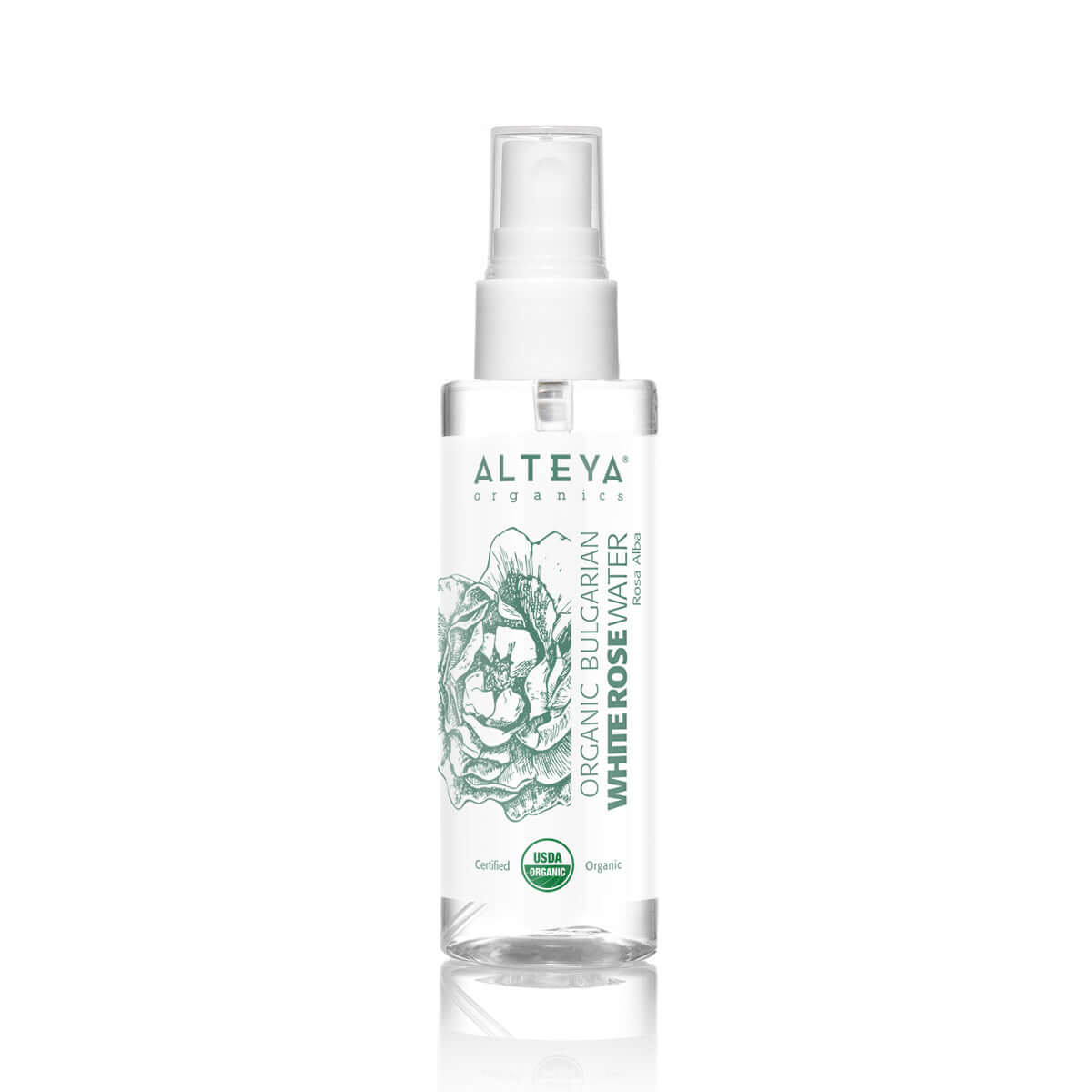
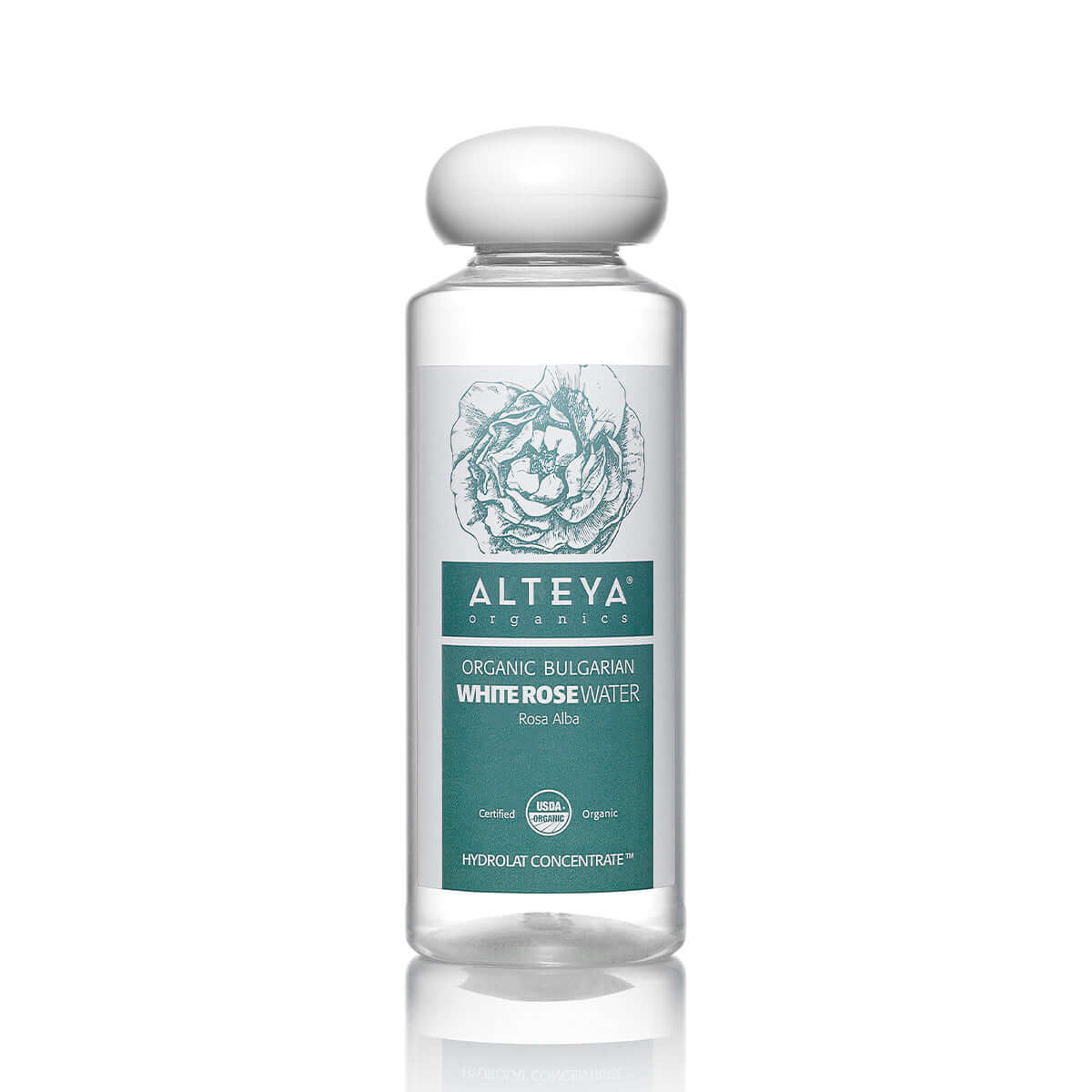
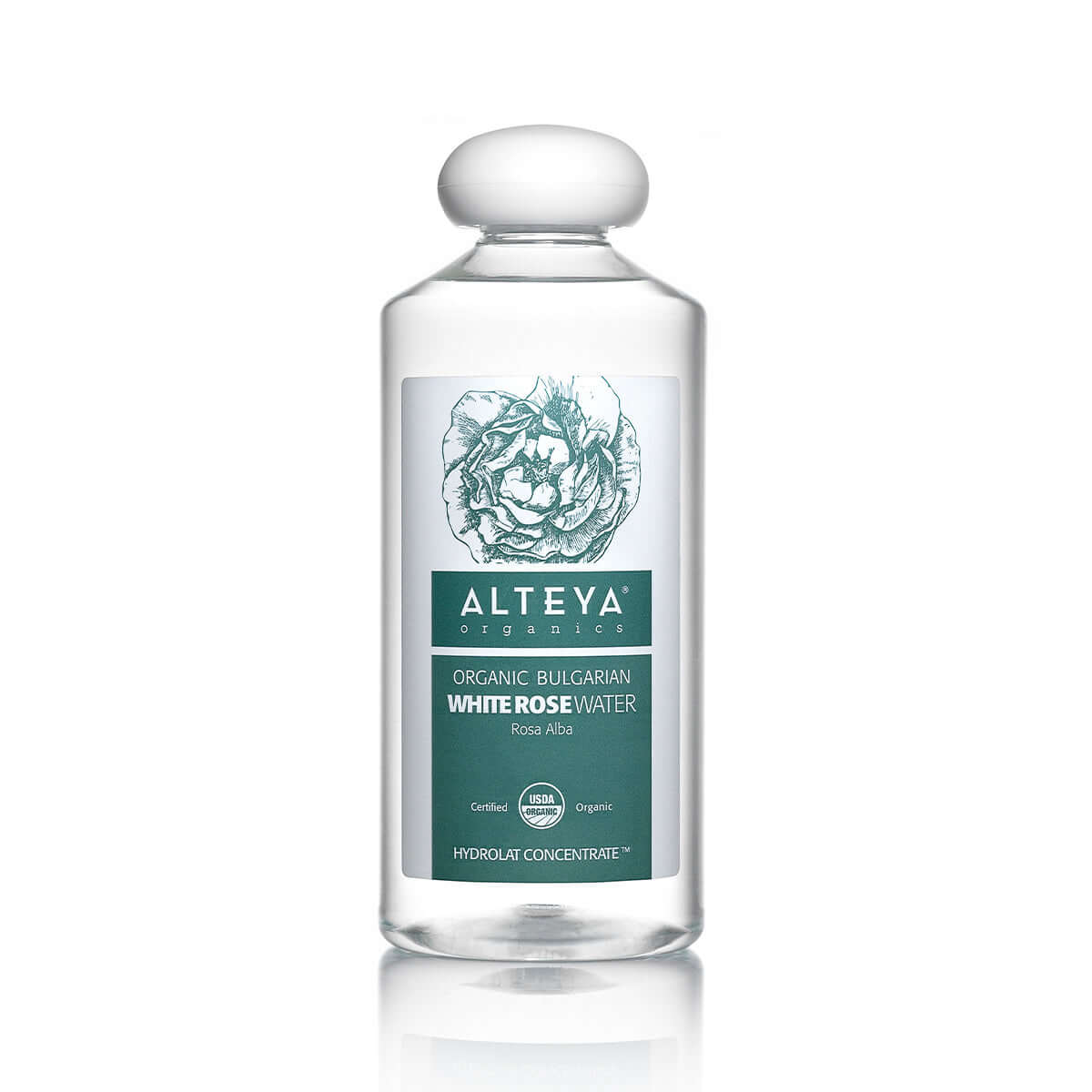
Rosa Alba Flower Water (White Rose Water)

Rosa Alba hydrosol is steam-distilled from the White Rose - a distinct oil-bearing species grown in the Bulgarian Rose Valley alongside Rosa Damascena. Its aromatic profile is lighter and more delicate than Damascena rose water, with a higher nerol content that gives it a fresher, greener quality. It shares the skin-balancing and hydrating properties of Damascena rose water but is the preferred choice for those who find the classic Damask rose aroma too strong, or who are layering multiple products and want a lighter floral base.

Skin benefits

• Softening and rejuvenating: Rosa Alba water is particularly suited for use after sun exposure, exercise, or environmental stress - situations where the skin needs a gentle, cooling botanical reset without the intensity of a richer formula.

• Energising effect: The fresher aromatic profile of Rosa Alba makes it well-suited to morning application - the lighter scent is less heavy than Damascena and pairs better with fragrance-forward morning products.

• All skin types, including sensitive: The lighter compound profile means Rosa Alba water is often better tolerated than Damascena on skin that reacts to higher concentrations of aromatic compounds.

Hair and body uses

Spray over the face after exercise, sun exposure, or showering for an immediate refreshing effect. Apply to hair for a lighter botanical fragrance than Damascena. Add to food in the same applications as pink rose water - the flavour is lighter and slightly more floral-citrus.

How to Build a Daily Ritual Around Flower Waters (Morning and Evening Routine)

Flower waters are one of the most versatile steps in both skincare and wellness routines. They can be used as standalone products or as a preparation layer that improves the absorption and effectiveness of everything applied afterward.

This daily ritual uses certified organic flower waters in the sequences where they perform best for hydration, balance, recovery, and overall skin comfort.

Morning Routine – Hydration, Balance, and Protection

Begin with a gentle organic cleanser that removes excess oil and impurities without disrupting the skin barrier.

A balanced cleanse helps prepare the skin for hydration and active ingredients.

Evening Routine – Recovery and Relaxation

Expert Tip: Consistency Creates Visible Results

Flower waters work best when used consistently as part of a daily ritual. Regular application helps support hydration, skin balance, comfort, and long-term skin resilience.

Mid-day refresh

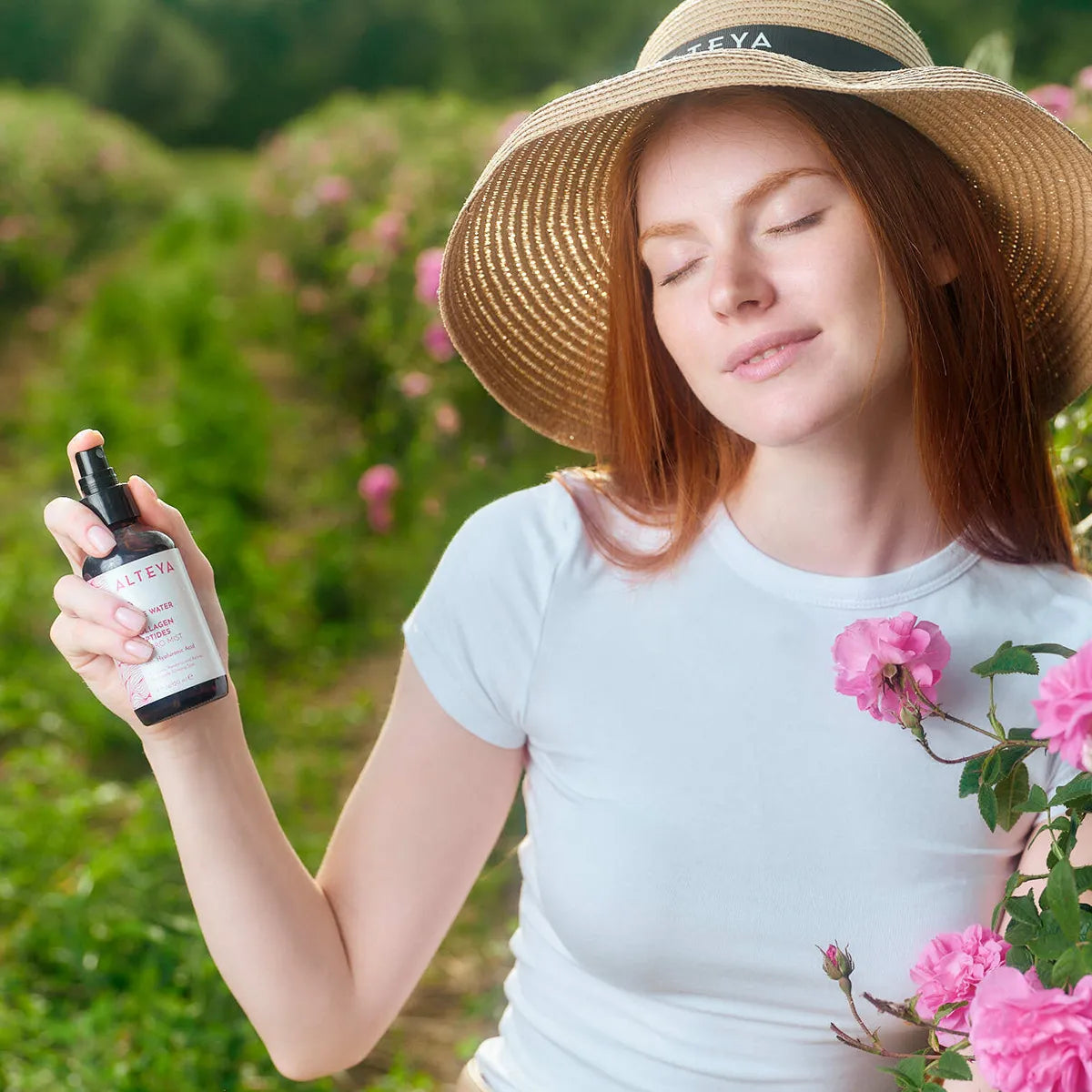
Keep a bottle of Rosa Damascena or Rosa Alba water at your desk. Mist over the face from 20-30 cm at any point during the day - over light makeup without disturbing it - for immediate hydration and a sensory reset. This is the simplest one-product ritual in the entire Alteya range.

Hair care

After shampooing: spray Rosa Damascena, Rosa Alba, or Lavender water through damp hair before conditioning. This adds botanical fragrance and lightness without product weight. For scalp care: apply Lavender water directly to the scalp and massage gently - its anti-inflammatory properties support a balanced scalp environment. Do not rinse.

Wellness and home

Lavender water: mist on pillows and bed linen 10-15 minutes before sleep. Rosa Damascena or Rosa Alba: add 50 ml to a warm bath for a botanical soak. All flower waters: add to a bowl of warm water as a room diffuser. None require a diffuser device - the aromatic compounds volatilise at room temperature.

Which Flower Water Is Right for You? Quick Selection Guide

Best Flower Water by Priority
Best flower water recommendations based on skincare priorities and usage

Your priority

Best flower water

When to use it

Alteya product

pH restoration and daily toning

Best flower water

Rosa Damascena

When to use it

Morning and evening, after cleansing

Alteya product

Organic Bulgarian Rose Water

Lighter fragrance, sensitive skin

Best flower water

Rosa Alba

When to use it

Morning, post-exercise, after sun exposure

Alteya product

Organic White Rose Water

Calming and pre-sleep relaxation

Best flower water

Lavender

When to use it

Evening, pillow mist, sensitive skin routines

Alteya product

Organic Lavender Water

Toning and oily or acne-prone skin

Best flower water

Chamomile or Lavender

When to use it

Morning and evening after cleansing

Alteya product

Organic Chamomile or Lavender Water

Hair rinse

Best flower water

Rosa Damascena or Lavender

When to use it

After shampoo, before conditioning

Alteya product

Rose Water or Lavender Water

Culinary use

Best flower water

Rosa Damascena, Rosa Alba, or Lavender

When to use it

Desserts, teas, cocktails — approximately 1 tsp per serving

Alteya product

Any Alteya food-grade flower water

FREQUENTLY ASKED QUESTIONS

No - flower waters and serums serve different functions. A flower water restores pH, provides immediate surface hydration, and prepares skin to absorb subsequent products. A serum delivers concentrated active ingredients (hyaluronic acid, vitamin C, Rose Otto) at a therapeutic level. Use the flower water first as the preparation layer; apply serum 30 seconds after, while the skin is still damp.

Article: Flower Waters: What They Are, What Each One Does, and How to Build a Daily Ritual Around Them

skincare

Flower Waters: What They Are, What Each One Does, and How to Build a Daily Ritual Around Them

A floral hydrosol — commonly called a flower water — is the aromatic water produced when fresh botanical material is steam-distilled. It is the water-soluble counterpart to an essential oil: when steam passes through the plant, it captures both oil-soluble and water-soluble compounds. The oil separates on cooling; the hydrosol remains. It carries a distinct aromatic and bioactive profile from the same plant but in a gentler, water-based form suited to direct daily use on skin and hair.

Leave a comment

This site is protected by hCaptcha and the hCaptcha Privacy Policy and Terms of Service apply.

Read more

Greenwashing in Skincare
earth

Greenwashing in Skincare: How to Identify It and What to Look for Instead

Greenwashing in skincare is not a marginal issue. The global organic personal care market is projected to exceed $25 billion by 2031 - and the faster it grows, the more brands enter it with claims ...

Read more